
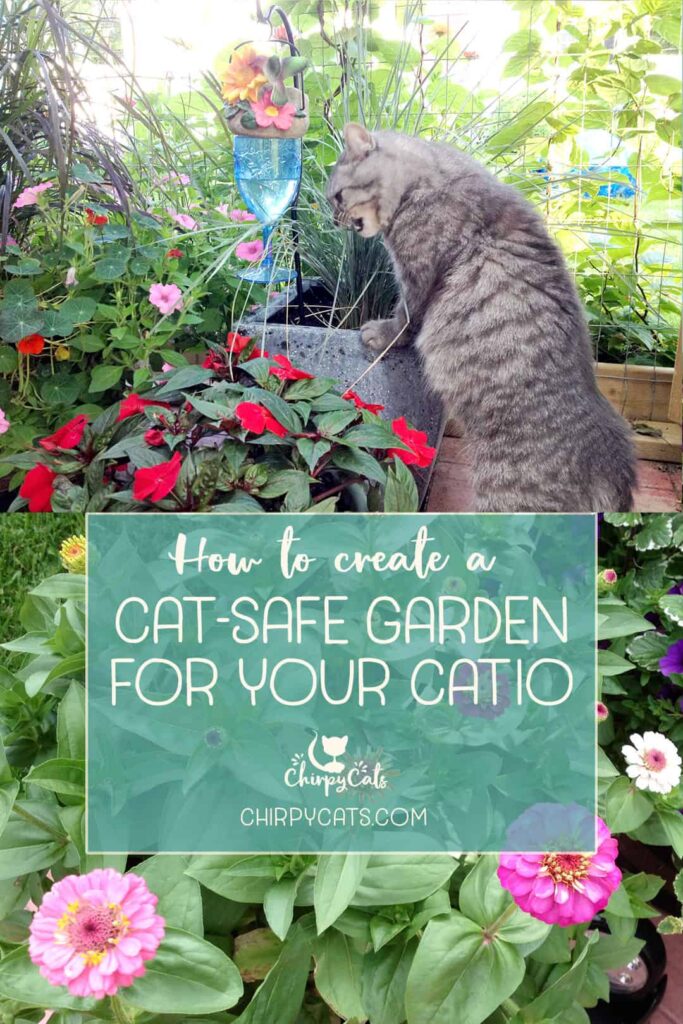
A cat-friendly garden uses safe plants, secure boundaries, shade, shelter, clean water, and places to climb or hide.
Learning how to create a cat friendly garden means balancing beauty, safety, and your cat’s natural needs. A good garden should feel like a small outdoor home, not an open space filled with hidden risks. This guide combines practical design tips, plant safety advice, and lessons from real garden planning to help you build a calm, enriching space your cat can enjoy.
How To Create A Cat Friendly Garden: Start With Safety
The first step in how to create a cat friendly garden is to inspect the space from your cat’s point of view. Walk around the garden and look for sharp tools, deep gaps, unstable pots, exposed wires, and places where a cat could become trapped.
Cats are natural climbers, hunters, and explorers. They may squeeze through small openings, chew leaves, dig in loose soil, or climb a fence without warning. A safe garden works with these instincts instead of trying to stop them.
Before changing the garden, make a simple safety checklist:
- Check fences, gates, sheds, and drains for escape routes or traps.
- Remove broken glass, sharp metal, loose nails, and thorny debris.
- Store fertilizers, weed killers, slug pellets, and garden tools in a locked space.
- Cover deep ponds, water barrels, and open drains.
- Keep cats away from newly treated lawns and planting beds.
- Look for toxic plants already growing in the garden.
Garden chemicals deserve special care. Some slug pellets and rodent poisons can cause severe illness or death if a cat eats them directly or catches a poisoned rodent. The safest choice is to use cat-safe pest control methods and follow every product label.

Choose Cat-Safe Plants Carefully
Plant choice is one of the most important parts of how to create a cat friendly garden. Many common garden plants can upset a cat’s stomach, while a few can cause serious organ damage.
Lilies are a major concern. Every part of many true lilies, including pollen and vase water, can be dangerous to cats. Even a small amount may lead to kidney failure. Avoid planting or bringing lilies into any area your cat can access.
Other plants that may pose risks include:
- Azalea and rhododendron
- Oleander
- Foxglove
- Sago palm
- Autumn crocus
- Daffodil bulbs
- Tulip bulbs
- Yew
- Dieffenbachia
- Castor bean
- English ivy
Plant toxicity can vary by species and by the part of the plant. Some plants cause mild vomiting, while others affect the heart, kidneys, or nervous system. For accurate advice, check a trusted veterinary poison database before buying unfamiliar plants.
Safer choices often include:
- Cat grass, such as wheatgrass or oat grass
- Catnip
- Catmint
- Valerian
- Rosemary
- Thyme
- Basil
- Spider plants
- African violets
- Marigolds
- Sunflowers
- Zinnias
- Snapdragons
“Safe” does not mean every cat can eat unlimited amounts. A cat may still vomit after chewing a non-toxic plant. Offer plants as enrichment, not as a replacement for a balanced diet.

Create Shade, Shelter, and Quiet Rest Areas
A cat-friendly garden should provide more than plants. Cats need places where they can rest, watch the yard, and retreat when they feel uneasy.
Use natural shade from trees, shrubs, or a covered patio. You can also add a small outdoor cat house with a dry roof and good airflow. Place it away from noisy tools, busy walkways, and areas used by dogs.
A useful shelter should be:
- Dry and raised slightly above the ground
- Large enough for the cat to turn around
- Easy to clean
- Protected from wind and heavy rain
- Ventilated during warm weather
- Free from loose strings or unsafe fabric
In hot weather, shade is vital. Cats can suffer from heat stress, especially older cats, overweight cats, kittens, and cats with heart or breathing problems. Always provide fresh water and a cool place to rest.
In cold weather, outdoor shelters must stay dry. Damp bedding can make a cat colder. Check the shelter often and replace wet materials at once.
One lesson I learned while planning outdoor cat spaces is that cats often ignore expensive beds but love simple places such as a cardboard box under a bench. The location matters more than the price. A quiet view and a safe exit can make a basic shelter feel perfect.

Add Safe Vertical Space
The best answer to how to create a cat friendly garden often involves thinking upward. Cats feel secure when they can watch their surroundings from a raised position.
You can add vertical space with:
- A sturdy cat tree under a covered area
- Wide shelves fixed to a fence or wall
- Thick branches secured to a strong frame
- Stable tree stumps
- Low platforms near shrubs
- A screened outdoor enclosure with climbing levels
Every platform must be stable. Test it with your hands before allowing your cat to climb. Avoid rotten wood, loose boards, slippery surfaces, and tall structures near an escape point.
Do not place a climbing platform beside a low roof, wall, or tree branch that lets your cat jump into danger. A garden feature should encourage safe movement, not help your cat reach a busy road.
Cats also like to move between open spaces and cover. Place a platform near shrubs or ornamental grasses so your cat can observe without feeling exposed.

Build a Secure Boundary
A secure boundary is central to how to create a cat friendly garden, especially if you live near traffic, wildlife, or unfamiliar dogs.
A standard fence may not be enough. Many cats can climb wooden panels, squeeze through gaps, or use nearby sheds as launch points. Inspect the entire perimeter, including corners and the space beneath gates.
Safer options include:
- A cat-proof fence topper that angles inward
- Fine mesh attached to the upper fence
- A fully enclosed catio
- A roofed run connected to a window or door
- Secure gates with no gap beneath them
Mesh should be strong and free from sharp edges. Large holes can catch paws or heads. Check the boundary after storms because wind, fallen branches, and heavy rain can create new escape routes.
A catio is often the safest solution. It allows outdoor smells, sights, and fresh air while limiting contact with traffic, predators, and aggressive animals. Add shelves, shade, toys, and a litter area if your cat spends several hours there.
If your cat wears a collar, choose a breakaway design. Microchipping also improves the chance of reunion if your cat escapes. Identification does not replace a secure garden, but it adds an important safety layer.

Provide Safe Water and Toilet Areas
Fresh water is essential in any answer to how to create a cat friendly garden. Put water bowls in shaded places and refresh them each day. Ceramic or stainless steel bowls are often easier to clean than plastic bowls.
Avoid placing water near chemicals, compost, or standing water. Ponds can contain parasites, algae, or bacteria, and open water barrels may create a drowning risk for small animals.
Some cats prefer moving water. A pet fountain can help, but it must be cleaned often. Filters can collect dirt and bacteria if they are not changed as directed.
For toilet needs, leave a quiet patch of loose soil or add a covered outdoor litter box. Use unscented litter and keep the area away from food and water. Clean it often, since cats may stop using a dirty box.
Avoid cocoa mulch. It can contain compounds that are harmful to cats and dogs if eaten. Gravel, untreated bark, or plain soil may be better choices, but watch for sharp stones and splinters.

Use Natural Pest Control
Pest control can affect a cat even when your cat never touches the product. How To Create A Cat Friendly Garden? A key answer is to manage insects and weeds without exposing pets to hazardous chemicals.
Safer methods may include:
- Hand-picking pests from plants
- Using physical barriers and fine mesh
- Removing diseased leaves
- Encouraging birds and beneficial insects
- Choosing pest-resistant plants
- Using plain water sprays when suitable
- Pulling weeds by hand
Never assume that a natural product is automatically safe. Essential oils, concentrated plant extracts, and some homemade sprays can irritate a cat’s skin, lungs, or digestive system.
Keep cats away from wet lawn treatments and recently sprayed plants. Follow the product label for re-entry times. If you suspect poisoning, contact a veterinarian or animal poison service right away. Do not make your cat vomit unless a veterinary professional tells you to do so.

Design Enrichment That Matches Cat Behavior
The strongest gardens support normal cat behavior. A cat may want to stalk leaves, scratch wood, sniff new scents, and watch birds from a hidden place.
You can add enrichment with:
- Cat grass in a shallow planter
- A scratching post made from untreated wood or sisal
- Logs for rubbing and climbing
- Safe herbs such as catnip or catmint
- A sand box for digging
- Puzzle feeders used under supervision
- Rotating toys that are brought outside for short periods
Avoid leaving string, ribbon, feather toys, or small parts outdoors without supervision. These items may be swallowed or damaged by weather.
Do not feed wild birds close to the garden if your cat hunts them. Bird feeders may increase wildlife visits and create conflict between your cat and local animals. Place feeders high and away from areas your cat can reach, or focus on visual enrichment without encouraging direct hunting.
The goal is not to make the garden busy. Cats often prefer small changes. A new scent, a sunny patch, or a cardboard tunnel may provide more joy than a crowded collection of toys.

Make the Garden Safe for Kittens and Older Cats
How To Create A Cat Friendly Garden? The best design depends on the cat using it. Kittens may climb, chew, and squeeze into narrow spaces. Older cats may need low steps, soft resting spots, and easy access to water.
For kittens:
- Block narrow holes and gaps.
- Avoid tall climbing structures at first.
- Remove small objects that could be swallowed.
- Supervise outdoor time.
- Keep them away from ponds and chemicals.
For senior cats:
- Use ramps or low platforms.
- Choose non-slip surfaces.
- Provide warm, dry bedding.
- Keep water and toilet areas close.
- Avoid forcing them to climb or jump.
Cats with arthritis, poor eyesight, or heart disease may need a smaller, simpler garden. Ask your veterinarian for advice if your cat has a health condition. A beautiful garden is not useful if it causes pain or stress.
Introduce Your Cat to the Garden Slowly
Even a safe garden can feel overwhelming at first. Begin with short, supervised visits during a calm part of the day.
Try this process:
- Let your cat explore one small area.
- Stay nearby and watch body language.
- Offer a familiar bed, toy, or blanket.
- Keep the first visit brief.
- Increase outdoor time slowly.
- Stop if your cat hides, pants, freezes, or tries to escape.
A relaxed cat may sniff, groom, stretch, or explore with a loose body. A stressed cat may crouch, flatten its ears, flick its tail, or vocalize. Respect those signs.
I have found that patience prevents many problems. Some cats walk outside as if they own the place. Others need days or weeks before they feel safe. Never drag a nervous cat into the garden or leave it alone to “get used to it.”
Maintain the Garden All Year
How To Create A Cat Friendly Garden? Regular maintenance is the part many people overlook. A safe garden can become risky when plants grow over fences, sheds weaken, or water containers collect debris.
Use a seasonal check:
- Spring: inspect new growth and confirm plant safety.
- Summer: add shade, refill water, and watch for heat stress.
- Fall: remove fallen leaves that may hide hazards.
- Winter: check shelters, ice, wet bedding, and damaged fences.
Prune toxic plants or remove them completely. Keep compost covered because moldy food, sharp scraps, and spoiled material can harm pets. Secure garden netting so paws and heads cannot become trapped.
Review the space after every major change. A new bench, trellis, pond, or planter can create an unexpected climbing route. Think of the garden as a living room that changes with the seasons.
Common Mistakes to Avoid
A few common mistakes can undermine how to create a cat friendly garden.
- Choosing plants because they look attractive without checking toxicity
- Using chemical slug control where cats roam
- Leaving ponds or water barrels uncovered
- Building a shelter with poor airflow
- Assuming a tall fence is cat-proof
- Using sharp gravel or treated wood
- Placing a litter area beside food
- Adding too many toys or strong scents
- Allowing outdoor access before checking identification
- Forgetting to inspect the garden after storms
Another mistake is designing only for human appearance. A neat lawn may look pleasing, but cats benefit from cover, texture, height, and quiet spaces. The best garden usually has both open areas and hidden corners.
The answer to how to create a cat friendly garden is not to remove every natural feature. It is to remove dangerous risks while keeping safe opportunities for movement and discovery.
Frequently Asked Questions About How To Create A Cat Friendly Garden?
What plants are safe for a cat-friendly garden?
Cat grass, catnip, catmint, rosemary, thyme, basil, African violets, marigolds, sunflowers, and zinnias are commonly viewed as safer choices. Check each plant’s exact species before planting because common names can describe different plants.
Are lilies dangerous for cats?
Yes. Many true lilies can cause severe kidney damage in cats, and pollen or vase water may also be dangerous. Avoid lilies in the home and garden, and contact a veterinarian immediately if your cat may have touched or eaten one.
How can I stop my cat from escaping the garden?
Inspect the full boundary, cover gaps, and use inward-angled mesh or a secure catio. Also remove nearby launch points, such as sheds, bins, and low branches, that may help your cat climb over a fence.
Should I use pesticides in a cat-friendly garden?
Avoid pesticides whenever possible, especially products that contain risks to cats or wildlife. Use barriers, hand removal, and other low-risk methods first, and keep your cat away from treated areas for the full label period.
Is a pond safe for cats?
A pond can create drowning, illness, and entrapment risks, particularly for kittens and older cats. If you keep one, provide shallow escape areas, cover deep sections, prevent access to harmful chemicals, and offer fresh drinking water elsewhere.
Can cats stay outside all day in a cat-friendly garden?
Not every cat or garden is suited to all-day outdoor access. Consider weather, predators, traffic, health, temperament, and boundary security, and provide supervision or a secure enclosure when needed.
Conclusion
How To Create A Cat Friendly Garden? Start with safe plants, secure boundaries, shade, clean water, stable climbing areas, and quiet places to hide. Avoid lilies, toxic chemicals, unsafe mulch, open water hazards, and weak fencing.
Build the space slowly and watch how your cat uses it. Their behavior will show you what works: a sunny platform, a hidden shelter, a patch of cat grass, or a simple scratching post may become a favorite feature. Make one improvement this week, then keep checking the garden as the seasons change. Share your garden ideas or explore more pet-safe gardening resources for your next project.

8 thoughts on “How To Create A Cat Friendly Garden: Safe Design Guide”