
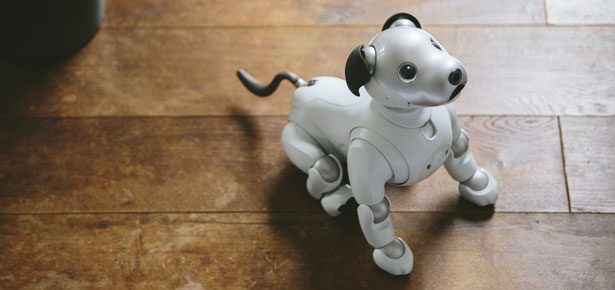
Yes, smart pet cameras and mobile robot companions can watch, talk to, and interact with your dog at home.
If you have ever worried about your dog while you are at work, you are not alone. The question “Is There A Robot That Can Watch My Dog At Home?” now has a practical answer, but the technology is not a full replacement for a trusted person, dog walker, or sitter. Today’s pet robots combine cameras, microphones, speakers, wheels, treat dispensers, motion alerts, and sometimes artificial intelligence to help you check on your dog from almost anywhere.
This guide explains what these devices can do, where they fall short, and how to choose one that fits your dog’s age, size, behavior, and home setup.
Is There A Robot That Can Watch My Dog At Home?
Yes. Several types of pet technology can monitor dogs at home.
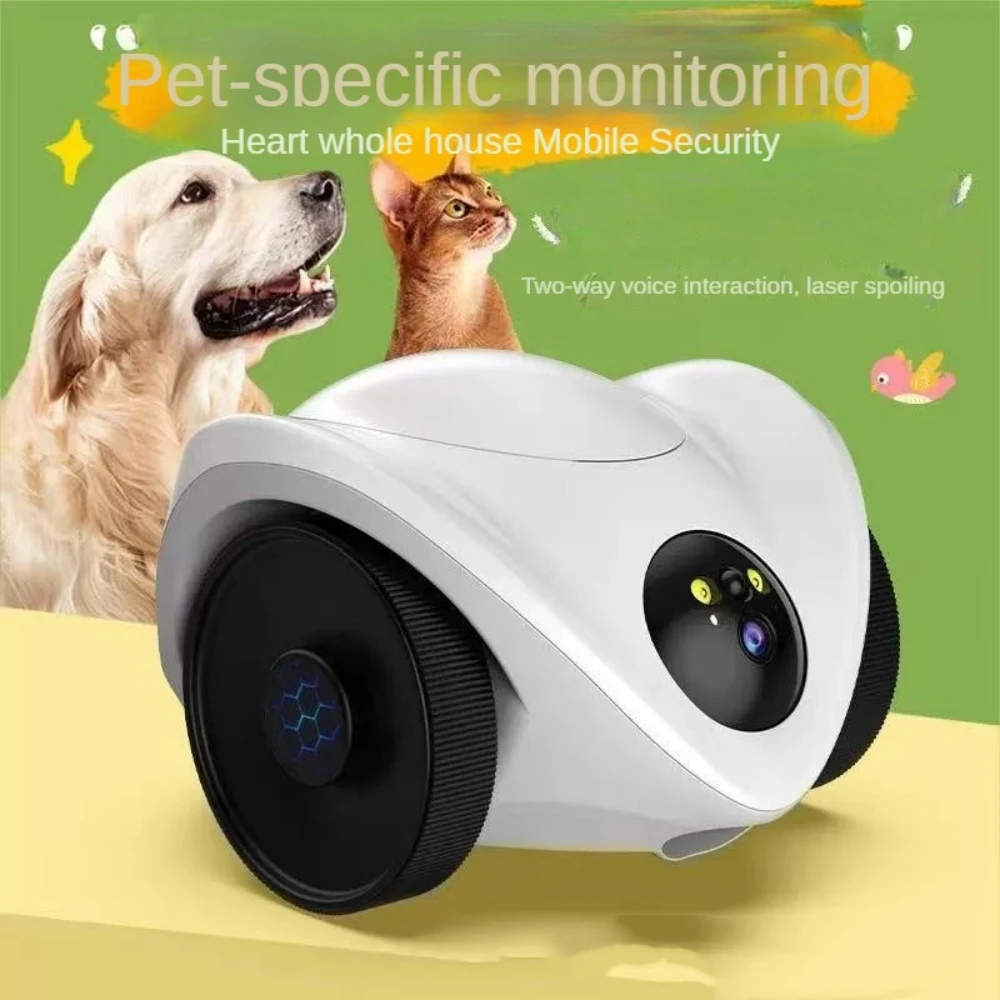
A basic pet camera lets you view your dog through a phone app. A more advanced robot can move around the house, follow your pet, send alerts, play sounds, dispense treats, or allow two-way communication. Some models stay in one place, while others use wheels to patrol rooms.
Still, “watch” can mean different things. A robot may see your dog, but it cannot always understand pain, fear, illness, or unsafe behavior. It is best viewed as an extra pair of eyes, not as a live-in pet sitter.
Types of Robot Dog Watchers
The right device depends on what you need. A quiet senior dog may only need a camera. A young, active dog may benefit from movement, play, and treat features.
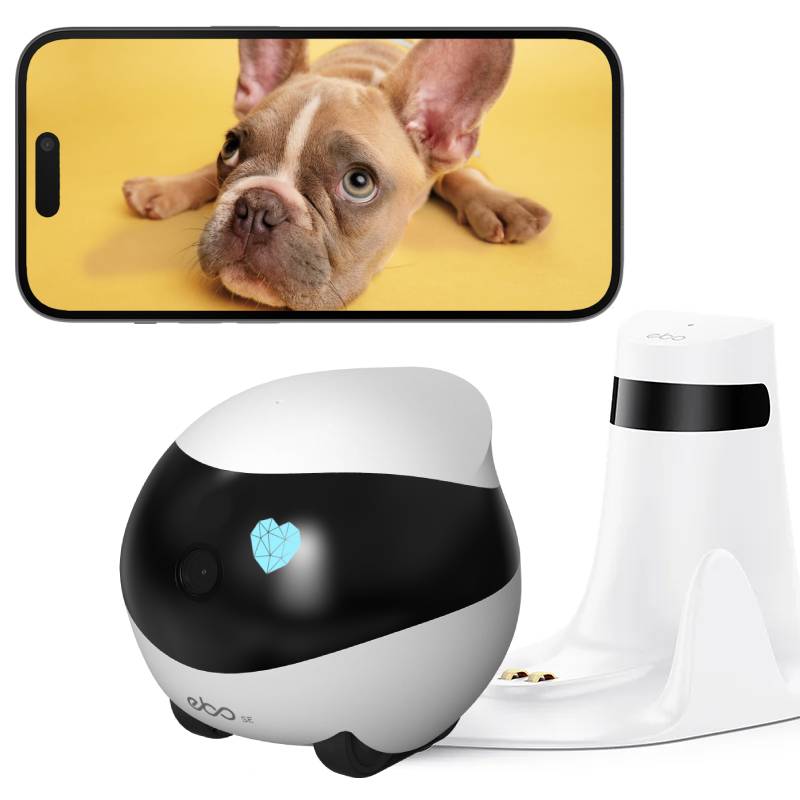
Stationary pet cameras
These devices sit on a shelf, table, or wall. Most offer:
• Live video through a mobile app
• Two-way audio
• Motion and sound alerts
• Night vision
• Wide-angle views
• Cloud or local video storage
• Treat dispensing on selected models
A stationary camera is often the simplest and most reliable choice. It has fewer moving parts and usually costs less than a mobile robot.
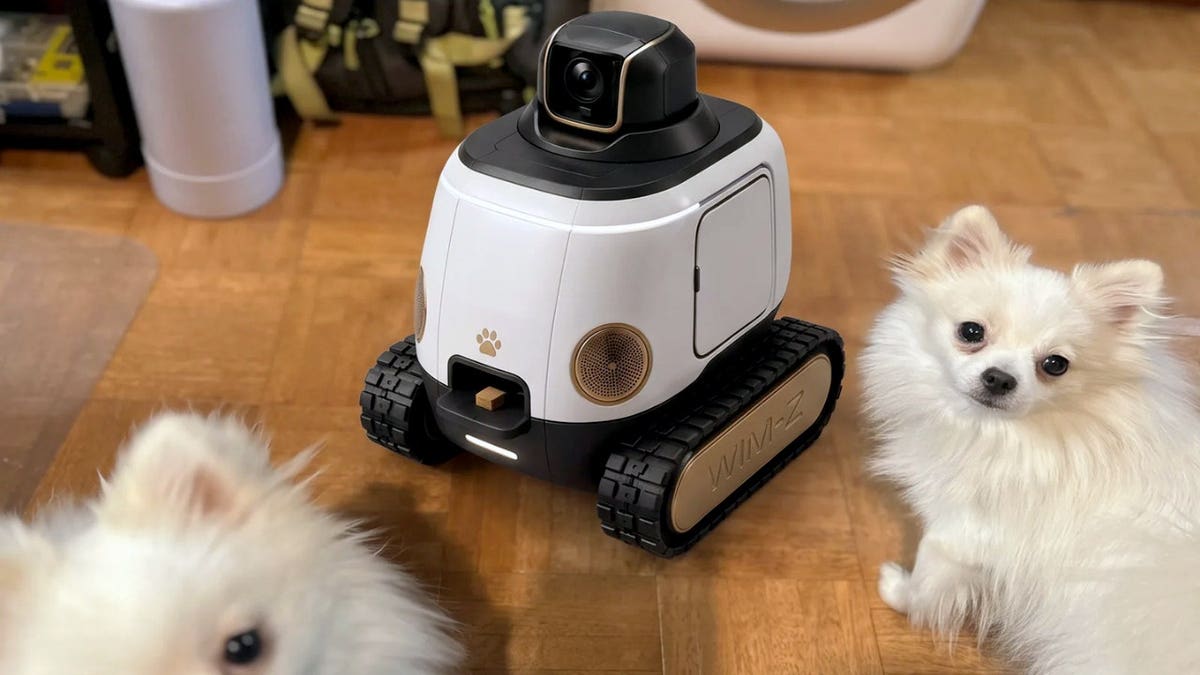
Rolling pet robots
A rolling robot can move across the floor through remote control or automatic modes. It may let you:
• Drive around your home
• Look under furniture
• Speak to your dog
• Toss or release treats
• Create a virtual patrol route
• Check rooms that a fixed camera cannot see
These robots are useful when your dog moves between rooms. However, they need clear floors, strong Wi-Fi, and enough battery power for regular use.
Interactive treat robots
Some pet robots focus on food rewards and play. They may release treats at set times or respond to your commands through an app.
Use small, healthy treats. Too many rewards can lead to weight gain, stomach upset, or begging. A treat robot should support training and enrichment, not replace walks, sniffing, or social time.
AI-powered pet cameras
AI features may detect barking, movement, a person, or unusual activity. Some systems can send alerts when your dog enters a certain area or remains active at an unusual time.
These tools can be useful, but they are not perfect. A moving shadow, television sound, or another pet may trigger a false alert. Treat AI alerts as clues that need your judgment.
What Can a Dog-Watching Robot Do?
When people ask, “Is There A Robot That Can Watch My Dog At Home?”, they often want to know what the robot can actually do during a normal day.
Most advanced systems can handle several helpful tasks:
Monitor your dog
You can open an app and view a live feed. This can help you check whether your dog is sleeping, pacing, barking, chewing, or waiting near the door.
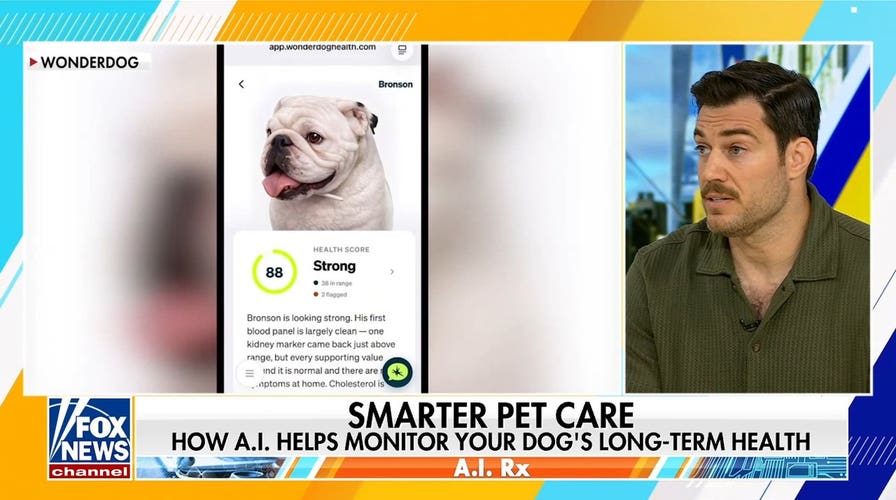
Some cameras also track activity over time. A sudden change in rest or movement may be worth discussing with a veterinarian, especially if it continues.
Send alerts
Many devices alert you when they detect:
• Barking
• Whining
• Movement
• A person in the room
• A loud sound
• A camera disconnect
• Low battery
Alerts can provide peace of mind. They can also become annoying if the system sends too many false warnings, so adjustable sensitivity matters.
Let you talk to your dog
Two-way audio allows you to speak through the robot. Your voice may calm a dog who knows you well, but it may upset another dog who cannot find you.
Test this feature while you are home. If your dog runs to the door, barks more, or looks confused when hearing your voice, use audio less often.
Move around the home
A mobile robot gives you a wider view than a fixed camera. You may be able to drive it into the living room, hallway, or kitchen.
Movement is not always helpful. Some dogs see the robot as a strange toy. They may chase it, bite it, knock it over, or become stressed by its sounds.
Dispense treats
Treat release can support simple games. For example, you might reward calm behavior while you are away.
Never assume a robot is safe with every dog. Dogs who guard food may become frustrated or aggressive around a treat dispenser.
Provide light enrichment
Some robots play sounds, move in patterns, or encourage a dog to follow them. This may break up a quiet afternoon.
Enrichment is not the same as exercise. A robot cannot replace a walk, a sniffing session, training, or real contact with people.
Is There A Robot That Can Watch My Dog At Home Without Internet?
Most smart pet robots need Wi-Fi and internet access for remote viewing. Without internet, you may still control some devices on the same local network, but you usually cannot watch your dog from work or while traveling.
Before buying, check:
• Whether the device works on 2.4 GHz, 5 GHz, or both
• Whether it requires a monthly cloud subscription
• How much video storage costs
• Whether the app works with your phone
• What happens if the internet fails
• Whether the robot returns to its charging dock automatically
A strong home network is important. A robot with a great camera is not useful if the video freezes every few minutes.
Privacy also matters. Change the default password, use two-factor authentication when available, and keep the robot’s software updated. Place cameras away from private spaces and review who can access the account.
Benefits of Using a Robot to Watch Your Dog
For many households, a robot can solve small but meaningful problems.
Peace of mind
You can check your dog during a long workday or while running errands. Seeing your dog resting comfortably can reduce worry.
Early awareness
A camera may reveal repeated barking, destructive chewing, pacing, or attempts to escape. Finding these patterns early can help you improve your dog’s routine or seek professional advice.
Better communication
Two-way audio and treat rewards can support short training moments. You might reward your dog for settling on a mat or staying away from a restricted area.
Support for older or anxious dogs
A pet camera can help you observe changes in an older dog’s sleep, appetite, or movement. It may also show whether separation-related behaviors happen only when you leave.
However, remote observation is not diagnosis. If your dog seems ill, injured, panicked, or unable to settle, contact a veterinarian or qualified behavior professional.
Limitations You Should Know
The question “Is There A Robot That Can Watch My Dog At Home?” sounds simple, but the answer has important limits.
A robot cannot:
• Give medication safely unless a person supervises it
• Clean up urine, vomit, or other messes
• Stop a serious fight between pets
• Provide emergency first aid
• Guarantee that your dog is safe
• Replace a bathroom break
• Recognize every medical problem
• Offer the comfort of human or animal company
Battery failure is another concern. A mobile robot may stop in the middle of a room. A fixed camera may continue working, but only if it has power and internet access.
Some dogs also dislike robots. Watch for signs of stress such as hiding, excessive barking, lip licking, repeated yawning, pacing, or avoiding the room. If these signs appear, remove the robot and try a simple camera instead.
How to Choose the Best Robot for Your Dog
When deciding whether “Is There A Robot That Can Watch My Dog At Home?” fits your needs, start with your dog rather than the device.
Consider your dog’s personality
A calm dog may enjoy a moving toy. A nervous dog may prefer a quiet camera with no movement or surprise sounds.
For puppies, look for strong construction and secure cords. For large dogs, choose a device that is hard to knock over. For dogs who chew, avoid exposed parts that can become dangerous.
Check the camera quality
A useful camera should provide:
• Clear video in daylight
• Reliable night vision
• A wide viewing angle
• A stable phone connection
• Good microphone quality
• Privacy controls
Higher resolution is helpful, but connection stability matters more than a sharp image that constantly freezes.
Review the safety design
Look for rounded edges, protected wheels, secure treat openings, and automatic shutdown features. Read the manual before leaving the robot alone with your dog.
Do not leave loose charging cables within reach. Keep the device away from water bowls, stairs, fireplaces, and areas where it could become trapped.
Compare the full cost
The purchase price may not be the only expense. Check for:
• Monthly cloud storage
• Replacement batteries
• Treat costs
• Shipping
• Premium app features
• Warranty coverage
A simple camera may be the better value if your main goal is visual monitoring.
Test the robot before leaving
Run a supervised test for several days. Watch how your dog reacts to its sounds, movement, lights, and treats.
A useful test plan is:
- Place the robot in the room while you remain present.
- Let your dog approach it at their own pace.
- Use the speaker and observe your dog’s reaction.
- Test treat delivery with a small reward.
- Check for tipping, chewing, or blocked wheels.
- Leave for a short period before trying a full workday.
This gradual approach prevents a common mistake: buying an exciting robot and leaving it alone with a frightened dog on the first day.
Robot Camera or Dog Sitter: Which Is Better?
A robot is useful for monitoring. A person is better for hands-on care.
Choose a robot when your dog is healthy, calm, and able to stay alone for a reasonable period. Choose a dog walker, sitter, daycare, or family member when your dog needs a bathroom break, medication, exercise, or close supervision.
Puppies, elderly dogs, dogs with medical conditions, and dogs with severe separation anxiety often need more than remote viewing. A robot may help you understand the problem, but it cannot solve every problem.
One practical lesson from home pet monitoring is that video often reveals what owners miss. A dog may look relaxed when you leave but begin pacing ten minutes later. That information can guide a better plan, such as shorter absences, enrichment, behavior training, or veterinary support.
Is There A Robot That Can Watch My Dog At Home During an Emergency?
A robot can alert you to unusual sounds or movement, but it should not be your only emergency plan.
If your dog is alone, prepare for power cuts, internet outages, extreme weather, and device failure. Leave clear instructions with a trusted person who can enter your home if needed.
Keep these details ready:
• Your veterinarian’s phone number
• An emergency clinic address
• Your dog’s medication list
• Feeding instructions
• Your home access plan
• A backup caregiver
• The location of a leash and carrier
A smart device can tell you that something is wrong. A nearby human is usually the one who can help.

Practical Ways to Use a Dog-Watching Robot
You can get more value from a robot by using it as part of a daily routine.
Try these ideas:
• Watch your dog’s behavior for the first 30 minutes after you leave.
• Use scheduled treats only when they support a healthy feeding plan.
• Speak calmly and briefly through the microphone.
• Record repeated behaviors for a veterinarian or trainer.
• Use activity data to adjust walks and rest periods.
• Check the lens, battery, wheels, and app each week.
• Keep a second person authorized to access the camera during travel.
Avoid using the robot to constantly interrupt your dog. Repeated calls may make some dogs wait by the camera or become more anxious.
A calm routine works best. Think of the robot as a window into your dog’s day, not as a remote-control relationship.

Frequently Asked Questions
Is There A Robot That Can Watch My Dog At Home all day?
Yes, some pet robots can monitor your dog for many hours, as long as they have power, internet access, and a safe location. They still cannot provide constant physical care or respond to emergencies.
Can a robot talk to my dog when I am away?
Most smart pet cameras and mobile robots include two-way audio. Some dogs find your voice comforting, while others become confused, so test the feature before using it during a long absence.
Will a dog-watching robot replace a dog sitter?
No. A robot can provide video, alerts, and limited interaction, but it cannot walk your dog, clean messes, give reliable care, or handle an emergency. It works best as a supplement to human care.
Are pet robots safe for puppies?
They can be safe when supervised and designed well, but puppies may chew wheels, cords, or small parts. Introduce the robot slowly and never leave it with a puppy until you know how the puppy reacts.
Do dog robots need Wi-Fi?
Most models need Wi-Fi for remote viewing, alerts, and app controls. Some basic cameras or toys may work without internet, but their features are usually limited.
Can a robot detect if my dog is sick?
A robot may show changes in movement, rest, barking, or eating behavior. It cannot diagnose illness, so unusual behavior should be reviewed with a veterinarian.
Conclusion
So, is there a robot that can watch my dog at home? Yes. A smart pet camera or mobile robot can offer live video, alerts, two-way audio, treat delivery, and limited play.
The best choice depends on your dog’s personality, health, age, and daily needs. Start with safety and reliable monitoring before paying for extra features. Test the device while you are home, protect your privacy, and keep a human backup plan for real care.
If you are comparing options, make a short list of must-have features and test the safest model first. Share your experience or questions in the comments, and explore more practical pet-care guides before making your decision.
