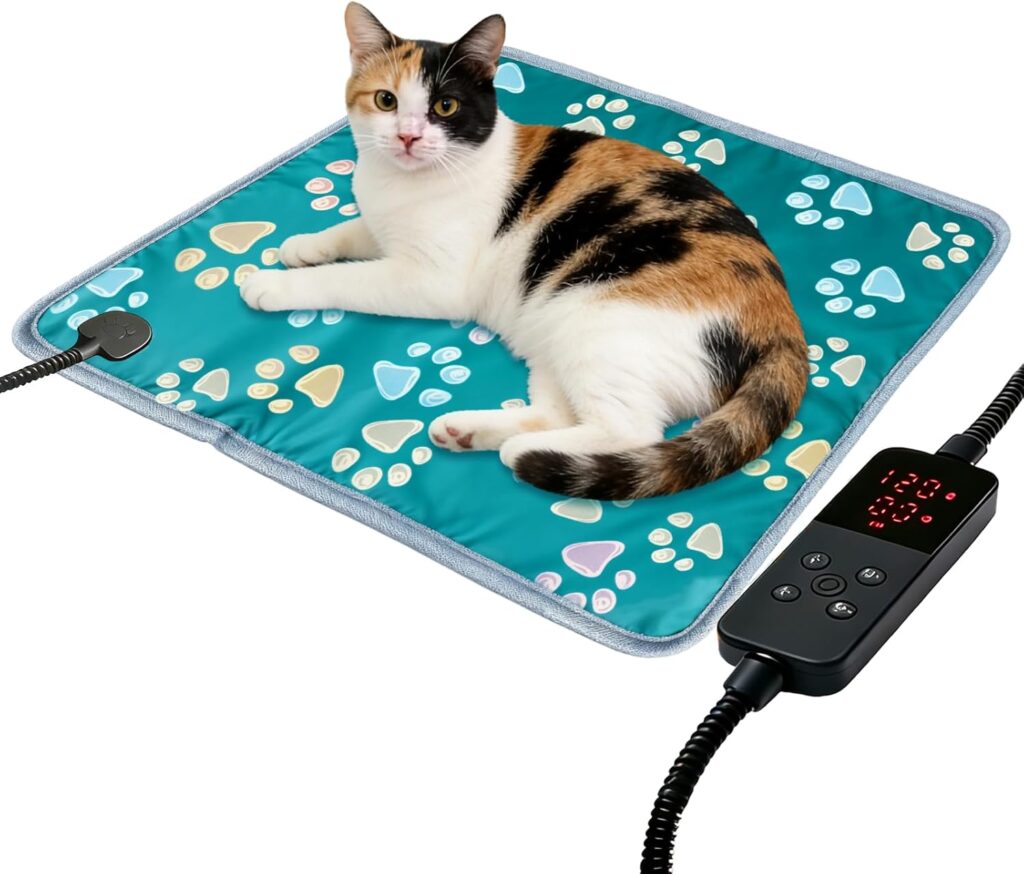
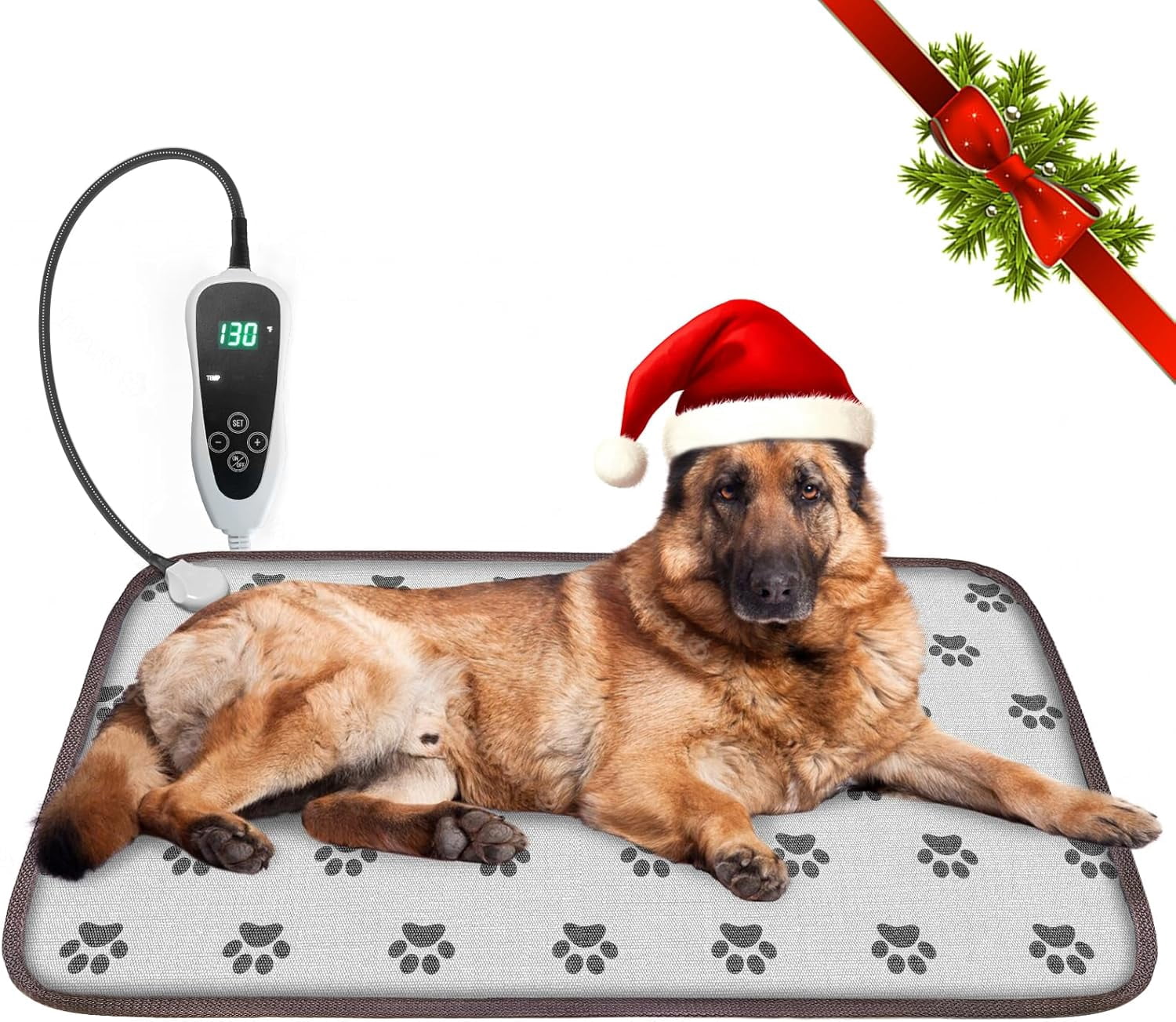
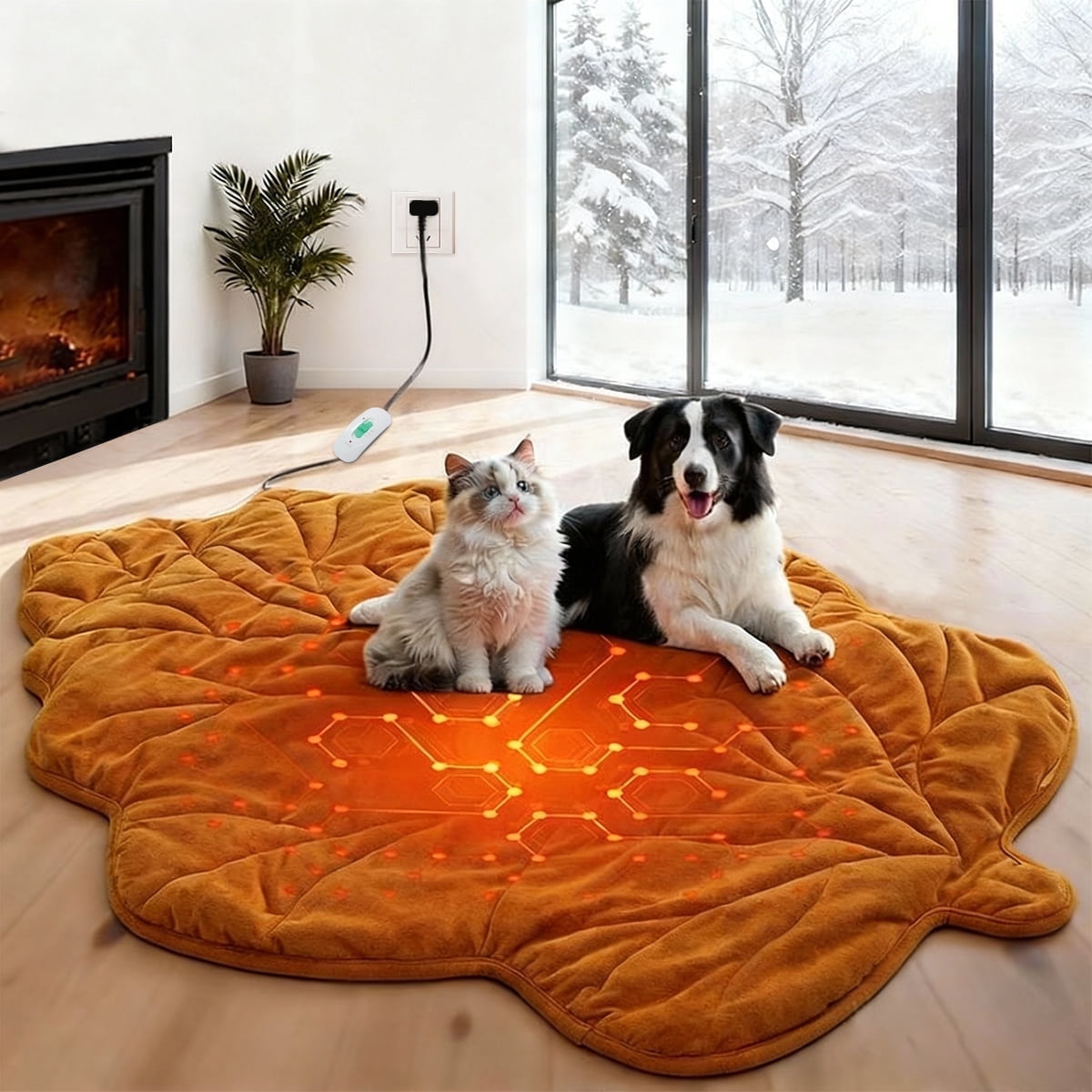
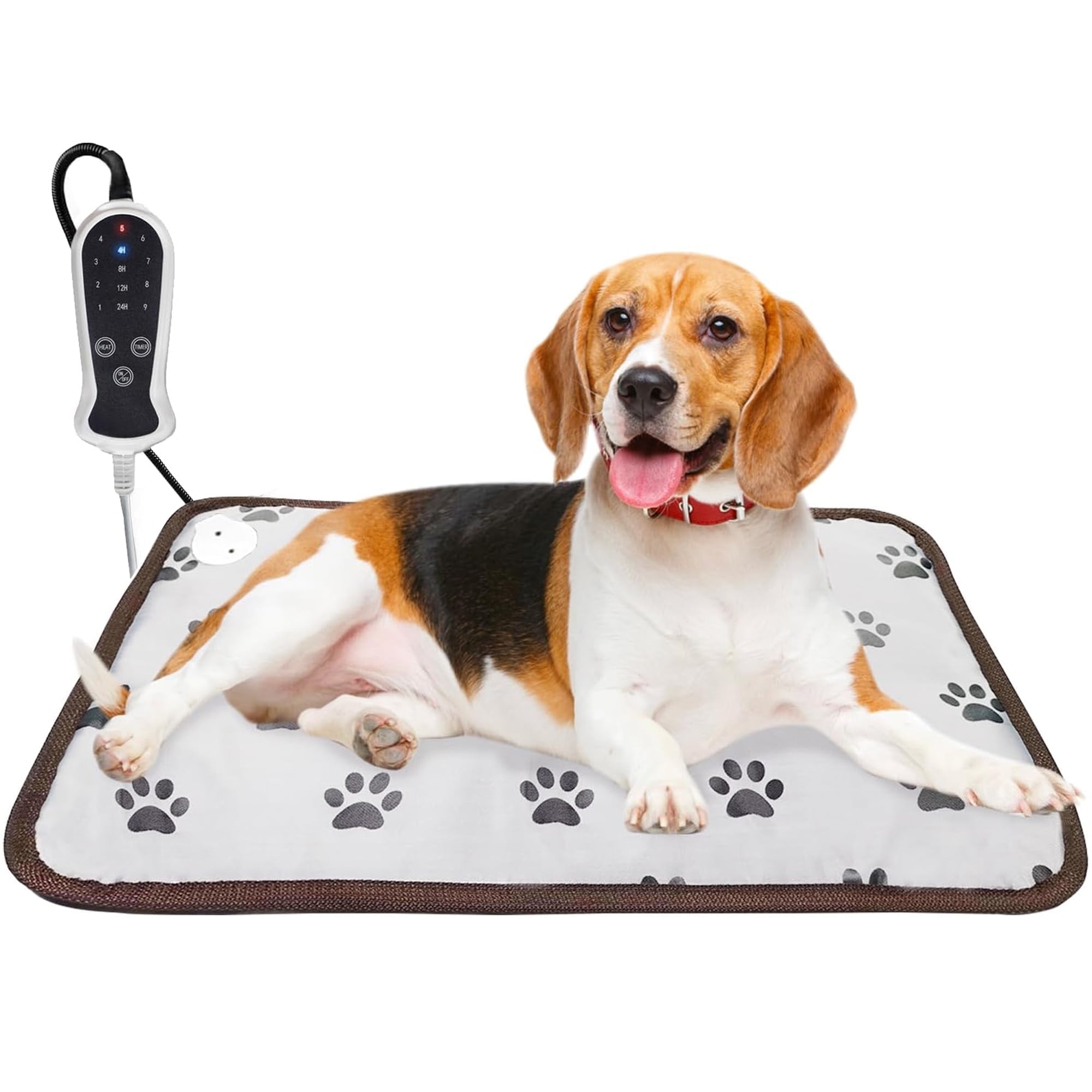
Yes, many dogs enjoy gentle warmth from heating pads because it helps them feel cozy and relaxed. However, dogs have different temperature needs, and an unsafe heating pad can cause burns or overheating. A pet-specific warming pad, used with proper supervision, is a better option than an ordinary human heating pad.
During cold weather in the United States, many dog owners look for ways to keep their pets comfortable indoors. Homes in northern states, including Minnesota, Wisconsin, and Michigan, can become quite cold during winter. Even in heated homes, small dogs, short-haired breeds, puppies, and older pets may seek a warm place to rest.
A heating pad can provide gentle warmth, but liking warmth and safely using a heating device are two different things. Some dogs enjoy lying on a warm surface, while others prefer a cool floor or their usual bed. Your dog’s coat, age, health, mobility, and personal habits all affect how much warmth they need.
Veterinary guidance also highlights a risk that owners sometimes overlook: a dog can suffer a heat injury after lying on a warm surface for too long. This is a particular concern for pets that sleep deeply or cannot move away easily. The safest approach is to offer a comfortable resting area and let your dog choose whether to use it.
Source: dogingtonpost.com
Why Do Dogs Like Heating Pads?
Dogs may like heating pads because warmth can make a resting place feel more comfortable. A gently warm surface can also help relax tight muscles and make a cold sleeping area more inviting. This is one reason some dogs choose sunny spots, warm blankets, and soft beds around the house.
Warmth can be especially appealing after a walk in cold weather. A dog returning from a winter walk may prefer a cozy indoor bed instead of lying on a cold tile floor. However, this preference does not mean every dog needs an electric heating pad.
A dog’s response also depends on its body and environment. A thick-coated Husky may feel comfortable in conditions that make a short-haired Chihuahua uncomfortable. Owners should pay attention to individual behavior rather than assume all dogs need the same amount of heat.
Source: pawfectway.com
Physical comfort
Gentle warmth can make a resting area more comfortable, particularly when a dog feels cold after spending time outdoors.
Muscle relaxation
Controlled heat may help relax tight muscles and ease some forms of stiffness when used under veterinary guidance.
A cozy resting place
Dogs often seek soft, sheltered sleeping areas. A warm bed may provide a comfortable place to settle down.
Cold-weather comfort
Small dogs and dogs with thin coats may appreciate extra warmth during colder months.
Does Warmth Make Dogs Feel Relaxed?
Warmth may help a dog relax by making its resting area more comfortable. Some dogs stretch out on a warm bed, lower their heads, and fall asleep. These behaviors can suggest that the dog enjoys the surface.
However, sleep alone does not prove that a heating pad is safe or comfortable. A dog may remain asleep even when a surface becomes too warm. Owners should continue checking the dog’s comfort rather than relying on sleep as the only sign.
Which Dogs Benefit Most From Gentle Warmth?
Some dogs are more likely than others to enjoy extra warmth. Their body size, coat type, age, and health can affect how they respond to cold temperatures. A warm resting place may help these dogs feel more comfortable, although it is not necessary for every pet.
Before choosing a heating pad, consider your dog’s normal sleeping habits. If your pet regularly curls up under blankets or looks for sunny areas, it may enjoy a warmer bed. If your dog often stretches out on cool floors, an extra heating device may be unnecessary.
Source: m.media-amazon.com
Small dog breeds
Chihuahuas, Toy Poodles, and Yorkshire Terriers may seek extra warmth because their small bodies can lose heat more quickly than those of larger dogs.
Short-haired dogs
Greyhounds, Boxers, and similar short-coated breeds may appreciate a warm indoor resting area during cold weather.
Senior dogs
Older dogs may experience joint stiffness or reduced mobility. A comfortable warm bed may help them rest, but they need extra protection against overheating.
Puppies
Young puppies may need help staying warm, depending on their age and development. Very young puppies require specific temperature management, so ask a veterinarian before using a heating device.
Dogs with joint problems
Some dogs with arthritis or muscle stiffness may benefit from veterinarian-directed heat therapy.
Do Senior Dogs Like Heating Pads?
Many senior dogs enjoy warm resting areas because aging can bring joint stiffness and changes in mobility. A comfortable bed may make it easier for an older pet to settle down after walking or playing.
However, senior dogs are also among the pets that need the most careful supervision. A dog with painful joints may struggle to change position or move away from a heating pad. For this reason, a self-warming bed or a thick blanket may be a safer starting point.
If your older dog has arthritis, ask your veterinarian whether controlled heat therapy is suitable. The right approach depends on the dog’s condition and the location of the discomfort.
Do Puppies Need Heating Pads?
Puppies have different warming needs from adult dogs. Very young puppies cannot regulate their body temperature as well as healthy adult dogs, and newborn puppies need carefully managed environmental warmth.
A heating pad should never cover the entire sleeping area. Puppies must have enough space to move away from the heat source. For newborn puppies, follow a veterinarian’s guidance on suitable temperatures and safe warming equipment rather than choosing a household heating pad.
Do Heating Pads Help Dogs With Arthritis and Joint Pain?
Gentle heat may help some dogs with arthritis feel more comfortable. Heat can increase local blood flow and relax tight muscles. These effects may help reduce stiffness in certain situations, especially when a dog rests after activity.
However, a heating pad does not cure arthritis or repair damaged joints. It should be viewed as a possible comfort measure rather than a treatment for the underlying disease. Your veterinarian can determine whether heat therapy is suitable for your dog’s specific condition.
Heat is not appropriate for every injury or painful area. Applying warmth to a new injury with swelling or active inflammation may make the problem worse. A veterinarian may recommend cold therapy during the early stage of an injury and consider warmth later, depending on the diagnosis.
Source: dogstairsandramps.com
Possible muscle relaxation
Gentle heat may relax tight muscles around an uncomfortable area.
Temporary comfort
Some dogs may find a warm resting area more comfortable when dealing with chronic stiffness.
Improved resting comfort
A supportive bed with mild warmth may make it easier for a dog to settle down.
When Should You Avoid Heat Therapy?
Do not apply a heating pad to a painful area without understanding the cause. A swollen joint, recent injury, surgical wound, or unexplained pain needs proper assessment before heat is used.
Avoid using heat on areas with damaged skin, reduced sensation, or suspected infection unless your veterinarian specifically directs you to do so. A dog that cannot feel or respond to excessive warmth may suffer an injury without moving away.
If your dog suddenly limps, cries when touched, refuses to walk, or develops swelling, arrange a veterinary examination instead of trying to manage the problem with a heating pad.
Are Heating Pads Safe for Dogs?
Heating pads can create a comfortable resting surface, but they also carry real safety risks. The main concerns are thermal burns, overheating, electrical damage, and chewing injuries. A pad that feels comfortable to a person may not be suitable for a dog.
Veterinary guidance from VCA Animal Hospitals warns that heating pads can cause burns, especially in elderly, arthritic, or sick pets that sleep deeply or struggle to move. A dog may not react quickly enough when the surface becomes too hot.
An ordinary human heating pad is not the best choice for routine dog warming. Human products may have temperature settings and controls that are not designed around a dog’s needs. A product made for pets is a more suitable option when extra warmth is necessary, but it still requires careful use.
Source: i5.walmartimages.com
Thermal burns
Long contact with a warm surface can damage the skin. Some injuries may remain hidden beneath the fur at first.
Overheating
A dog may become too warm if the pad covers too much of its resting area or the pet cannot move away.
Electrical injuries
Chewing an electric cord can expose a dog to electric shock and other serious injuries.
Fire hazards
Damaged cords, faulty controls, and incorrect use can create household electrical and fire risks.
Why Can Dogs Get Burned by Heating Pads?
A heating pad transfers warmth to the body through direct contact. If the surface stays warm for too long, heat can build up in the skin and underlying tissue. This may cause an injury even when the temperature does not seem extremely high.
Dogs with limited mobility face an added problem. They may not be able to change position or move away when a surface becomes uncomfortable. Thick fur can also make it harder for an owner to notice changes in the skin.
Check your dog’s skin and behavior after any approved heat therapy session. Redness, tenderness, hair loss, unusual licking, or sudden discomfort deserves veterinary attention.
Can a Dog Sleep on a Heating Pad All Night?
It is not advisable to leave a dog sleeping on an electric heating pad throughout the night without supervision. A sleeping dog may not respond quickly when the surface becomes too warm. This risk is greater for senior pets, sick dogs, and animals with movement problems.
A warm blanket or self-warming bed is a better choice for overnight comfort. These options do not require a continuous electrical heat source. Make sure the sleeping area remains comfortable and allows your dog to change position freely.
How to Use a Heating Pad for Dogs Safely
If your veterinarian agrees that a heating pad is suitable, use a pet-specific product and follow its instructions. The goal is to provide mild warmth, not intense heat. Never assume that a low setting is automatically safe for every dog.
A suitable setup should allow your dog to rest comfortably and move away whenever it wants. Keep the electrical cord outside the dog’s reach and inspect the pad before each use. Stop immediately if your dog shows signs of discomfort or becomes too warm.
Supervision matters throughout the session. Do not leave the room and assume your dog will move away when necessary. This is especially important when using a heating device with a puppy, senior dog, or pet with a medical condition.
Source: i5.walmartimages.com
Choose a pet-specific pad
Select a product designed for dogs, with clear operating instructions, appropriate temperature controls, and suitable electrical safety features.
Read the manufacturer’s instructions
Check the permitted use, cleaning method, temperature settings, placement rules, and automatic shutoff features.
Use a suitable protective cover
Follow the product instructions about covers and barriers. Do not place the heating element directly against your dog’s skin.
Provide an unheated area
Place the warming pad so your dog can leave it and rest on a cooler surface whenever it wants.
Keep cords protected
Position electrical cords away from chewing, scratching, water, and areas where your dog may become tangled.
Check your dog’s comfort
Watch for panting, restlessness, repeated position changes, or attempts to leave the pad.
A Simple Safety Checklist Before Use
Before switching on a heating pad, inspect the cord, plug, controller, and outer cover. Do not use a product with exposed wires, damaged insulation, loose connections, or unusual odors.
Make sure the pad is placed on a stable, dry surface. Follow the manufacturer’s instructions about bedding and covers because some products should not be folded or covered with extra layers.
Finally, check that your dog can get on and off the resting area without difficulty. If your pet cannot move away independently, do not rely on the heating pad without a veterinarian-approved warming plan.
Before use
Check the product, placement, cord, and temperature controls.
During use
Stay nearby and watch your dog’s response to the warmth.
After use
Turn off the device when the session ends and inspect your dog’s skin if you have concerns.
How Long Should a Dog Use a Heating Pad?
There is no single safe session length for every heating pad and every dog. The correct duration depends on the device, its temperature, the area being warmed, and the dog’s health. Follow the manufacturer’s instructions and any schedule provided by your veterinarian.
For a targeted warm compress, veterinary guidance may involve short sessions, often around 10 to 15 minutes, depending on the condition. This is not a universal recommendation for electric pet beds or continuous warming products.
Never extend a session simply because your dog appears to enjoy it. A pet can remain relaxed while its skin is exposed to excessive heat.
Signs Your Dog Enjoys a Heating Pad
Your dog’s body language is one of the best ways to judge whether a warm resting surface is comfortable. A dog that willingly returns to its bed, settles down, and rests in a relaxed position may enjoy the warmth.
However, you should look at several behaviors together. A dog that stays on a heating pad because it cannot easily move away may not be enjoying it. Always provide another resting option and allow your pet to choose.
Source: i5.walmartimages.com
Voluntary use
Your dog chooses to lie on the warming surface without being forced or placed there.
Relaxed posture
Your pet rests naturally, with loose muscles and a comfortable body position.
Normal breathing
Your dog breathes normally without unusual panting or signs of distress.
Comfortable movement
Your dog can stand up, change positions, and leave the warm area without difficulty.
Returning voluntarily
Your dog sometimes returns to the warm bed after choosing another resting place.
Signs Your Dog Is Too Hot
A dog that becomes too warm may start panting, drooling, or moving away from the heating pad. It may also appear restless, stretch out on a cooler floor, or repeatedly change sleeping positions.
More serious signs include excessive panting, weakness, vomiting, confusion, difficulty breathing, or collapse. These signs may indicate heatstroke or another emergency and require immediate veterinary care.
If you suspect overheating, switch off the heat source and move your dog to a cooler, well-ventilated area. Offer access to fresh water and contact a veterinarian. Do not wait for symptoms to disappear if your dog appears seriously unwell.
Mild warning signs
Panting, restlessness, drooling, repeatedly changing positions, or moving away from the warm surface.
Emergency warning signs
Severe panting, vomiting, weakness, confusion, breathing difficulty, seizures, or collapse. Seek emergency veterinary care.
Heating Pads vs. Self-Warming Dog Beds
A self-warming bed is often a practical alternative when your dog needs extra comfort but does not need an electric heat source. These beds use insulating materials or reflective layers to retain some of the warmth produced by the dog’s own body.
An electric heating pad produces additional heat through a powered element. This can provide more controlled warmth when the product is suitable, but it also introduces risks involving burns, electrical cords, and overheating.
The right choice depends on your dog’s needs. For ordinary indoor comfort, a self-warming bed or thick blanket is often enough. If your dog has a medical reason to need heat therapy, ask your veterinarian which type of warming device is appropriate.
Source: dailypaws.com
Self-warming bed
Uses insulation or heat-reflective materials, requires no electricity, and avoids electrical cord risks.
Electric pet heating pad
Provides powered warmth and may offer temperature controls, but requires careful monitoring and electrical safety checks.
Warm blanket
Offers simple insulation and can be removed easily when your dog becomes too warm.
Orthopedic dog bed
Provides cushioning and support for dogs that need a comfortable surface for resting. It does not necessarily produce heat.
Which Option Is Better for Everyday Use?
For most healthy adult dogs, a comfortable bed and a warm blanket are good starting points. They provide a cozy resting area without introducing an electric heat source.
A self-warming bed may suit dogs that regularly seek warm places, especially during colder months. Look for washable materials, suitable sizing, and a design that allows your pet to move freely.
An electric heating pad is better reserved for situations where additional warmth has a clear purpose. If your dog has a medical condition, choose the product and usage routine with veterinary advice.
What to Do If Your Dog Gets Burned by a Heating Pad
A suspected heating pad burn needs prompt attention, even when the affected area looks small. Fur can hide skin damage, and some burns may be more serious than they first appear. Stop using the heating device immediately and move your dog away from the heat source.
The 2026 RECOVER first-aid guidelines for dogs and cats recommend cooling thermal burns with cool running tap water for at least 20 minutes, as soon as possible and within three hours of the injury. Use cool water rather than ice or ice water.
Contact a veterinarian promptly after cooling the affected area. Do not apply butter, oils, household creams, or ointments unless a veterinarian directs you to do so. Do not try to remove damaged skin or fur yourself.
Source: dogingtonpost.com
Stop the heat exposure
Turn off and remove the heating device without causing further injury.
Cool the burn
If safe to do so, apply cool, clean running water to the affected area for at least 20 minutes.
Avoid home remedies
Do not apply ice, butter, oil, or unapproved creams to the damaged skin.
Contact a veterinarian
Arrange prompt veterinary care because burns may be deeper than they appear.
How Can You Recognize a Heating Pad Burn?
Possible signs include redness, tenderness, unusual licking, hair loss, swelling, blisters, or darkened skin. Your dog may also guard the affected area or react painfully when you approach it.
Some burns caused by prolonged contact with a warm surface may not look severe at first. Normal-looking fur does not always mean the skin underneath is healthy.
If your dog suddenly shows pain after using a heating pad, stop the exposure and seek veterinary advice rather than waiting for a visible wound.
Frequently Asked Questions
Q
Do dogs prefer warm or cold sleeping areas?
Dogs have individual temperature preferences. Small and short-haired dogs may prefer warm beds, while thick-coated breeds may enjoy cooler surfaces. The best arrangement provides a comfortable bed and another area where your dog can cool down. Watch where your pet chooses to sleep instead of assuming it needs extra heat.
Q
Can I use a human heating pad for my dog?
An ordinary human heating pad is generally not recommended for routine dog warming. Its temperature controls and design may not suit a dog’s needs, and prolonged contact can cause burns. Choose a pet-specific warming product when extra heat is necessary and use it according to veterinary and manufacturer guidance.
Q
Do dogs like heated blankets?
Some dogs enjoy the warmth and soft texture of blankets. However, an electric heated blanket carries risks similar to an electric heating pad, including overheating, burns, and cord damage. A regular warm blanket is a simpler option for everyday comfort.
Q
Can heating pads help dogs with hip dysplasia?
Gentle heat may help some dogs with muscle tension and stiffness around uncomfortable joints. However, hip dysplasia is a medical condition that needs veterinary management. Heat does not correct the joint problem, and the wrong treatment may increase discomfort. Ask your veterinarian before applying heat to the affected area.
Q
Should I leave a heating pad on for my dog overnight?
Leaving an electric heating pad on overnight without supervision is not recommended. Your dog may remain in contact with the warm surface for too long or be unable to move away. A self-warming bed, comfortable mattress, or regular blanket is generally a better choice for overnight warmth.
Q
Do dogs like heating pads in winter?
Many dogs enjoy extra warmth during winter, particularly small breeds, short-haired dogs, and older pets. However, not every dog needs a heating pad. A warm indoor bed, suitable blanket, and comfortable room temperature may provide enough warmth.
Q
Can a heating pad help a dog sleep better?
A comfortable warm resting area may help some dogs settle down and relax. Dogs with stiffness may also appreciate a supportive bed. However, a heating pad is not a sleep treatment, and it should never be used in a way that prevents the dog from moving away.
Q
How do I know if my dog is too hot on a heating pad?
Watch for excessive panting, drooling, restlessness, repeated position changes, and attempts to leave the warm surface. These signs mean you should stop the heat exposure and move your dog to a cooler area. Weakness, vomiting, confusion, breathing problems, or collapse require emergency veterinary attention.
✦ Wrapping Up
Conclusion
So, do dogs like heating pads? Yes, many dogs enjoy gentle warmth because it can make their resting area more comfortable. Small breeds, short-haired dogs, puppies, and senior pets may be especially interested in warm sleeping spots. Some dogs with joint stiffness may also benefit from veterinarian-directed heat therapy.
However, a dog’s enjoyment does not guarantee that a heating pad is safe. Electric warming devices can cause burns, overheating, and electrical injuries when used incorrectly. Human heating pads are not the best choice for routine pet warming, and dogs should never be forced to remain on a heated surface.
For everyday comfort, start with a soft bed, a warm blanket, or a self-warming dog bed. If an electric pet heating pad is necessary, choose an appropriate model, follow its instructions, supervise every session, and provide an unheated place where your dog can rest. If your pet has pain, mobility problems, or unusual sensitivity to temperature, consult a veterinarian before using heat.
💡 Key Takeaway
Observe your dog’s natural sleeping habits before buying a heating pad. Offer a comfortable unheated bed first, and use a pet-specific heating device only when needed and with proper supervision. Your dog’s comfort, freedom to move away, and safety should always come before extra warmth.