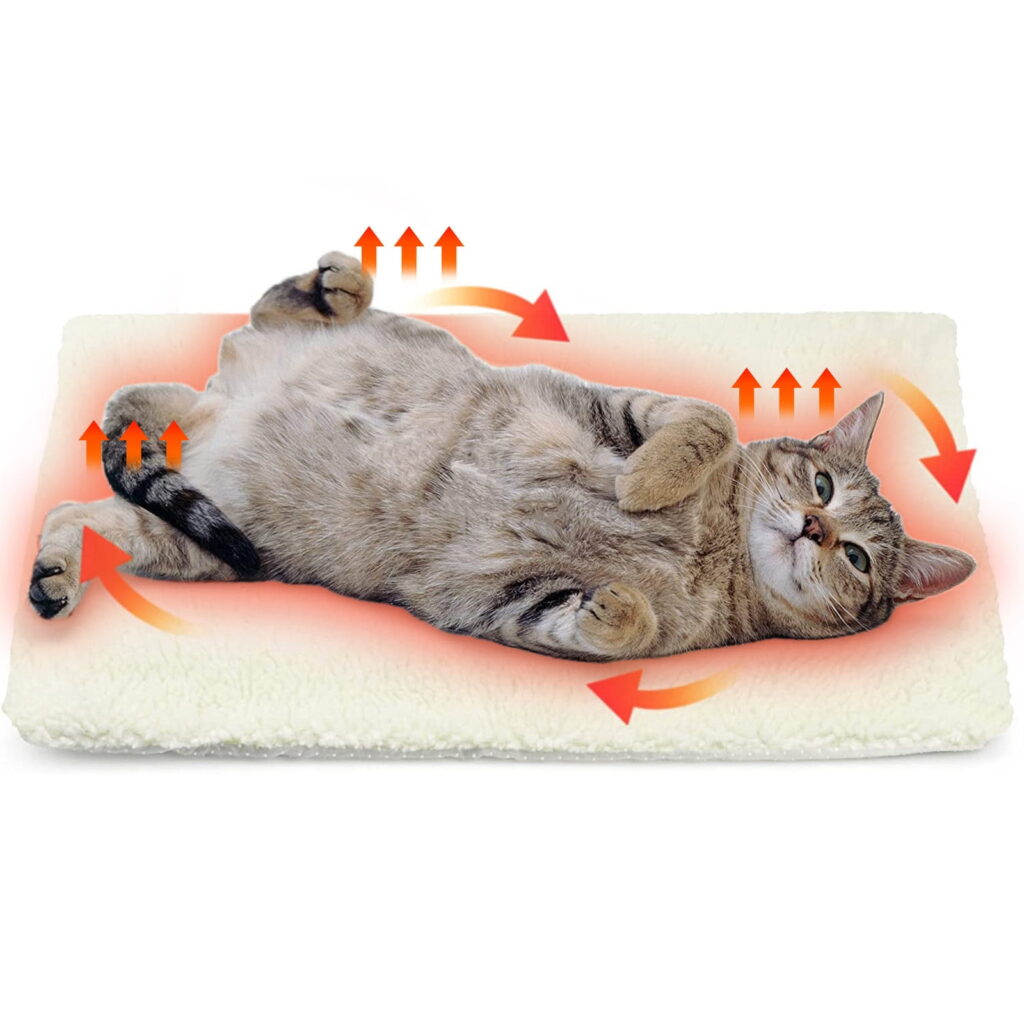
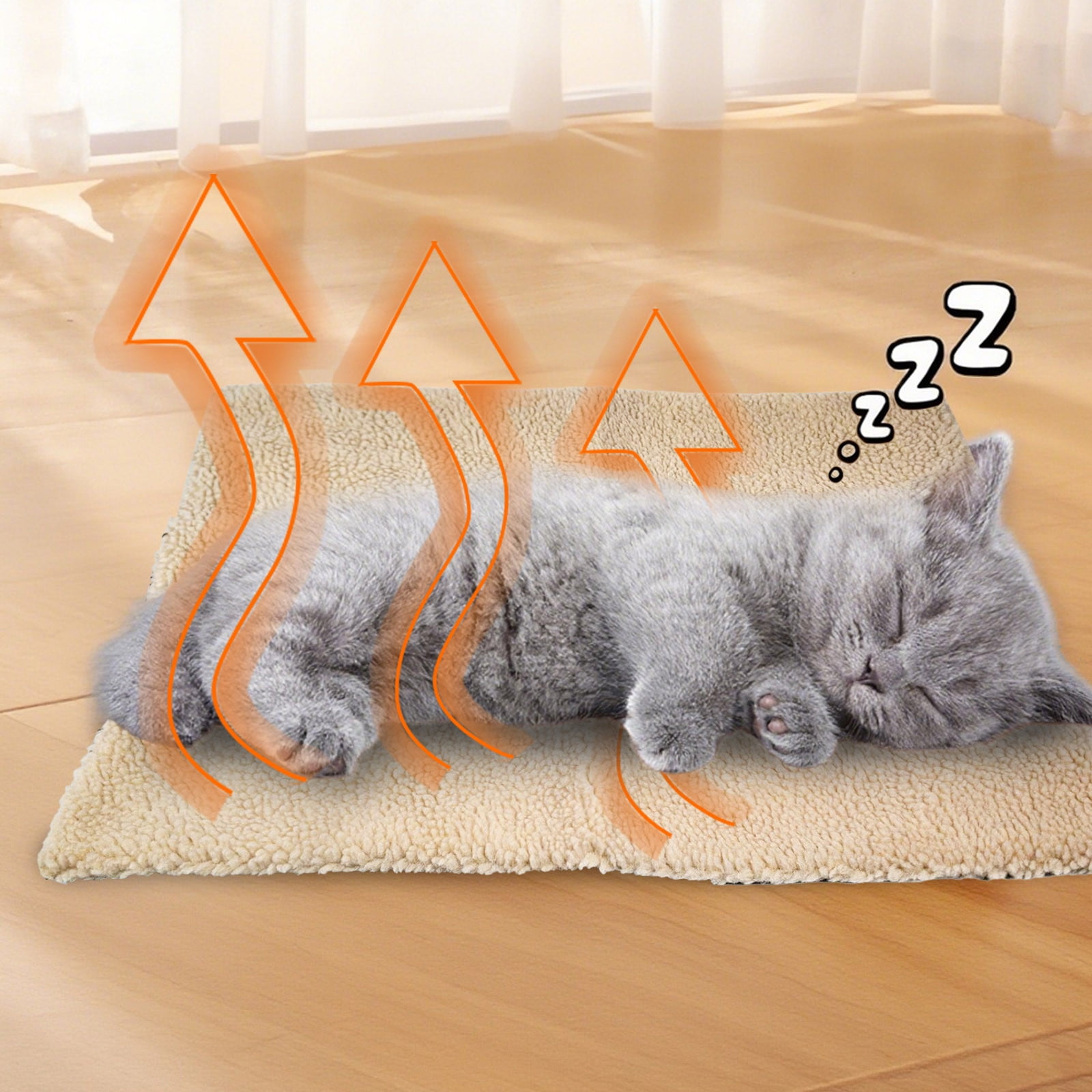
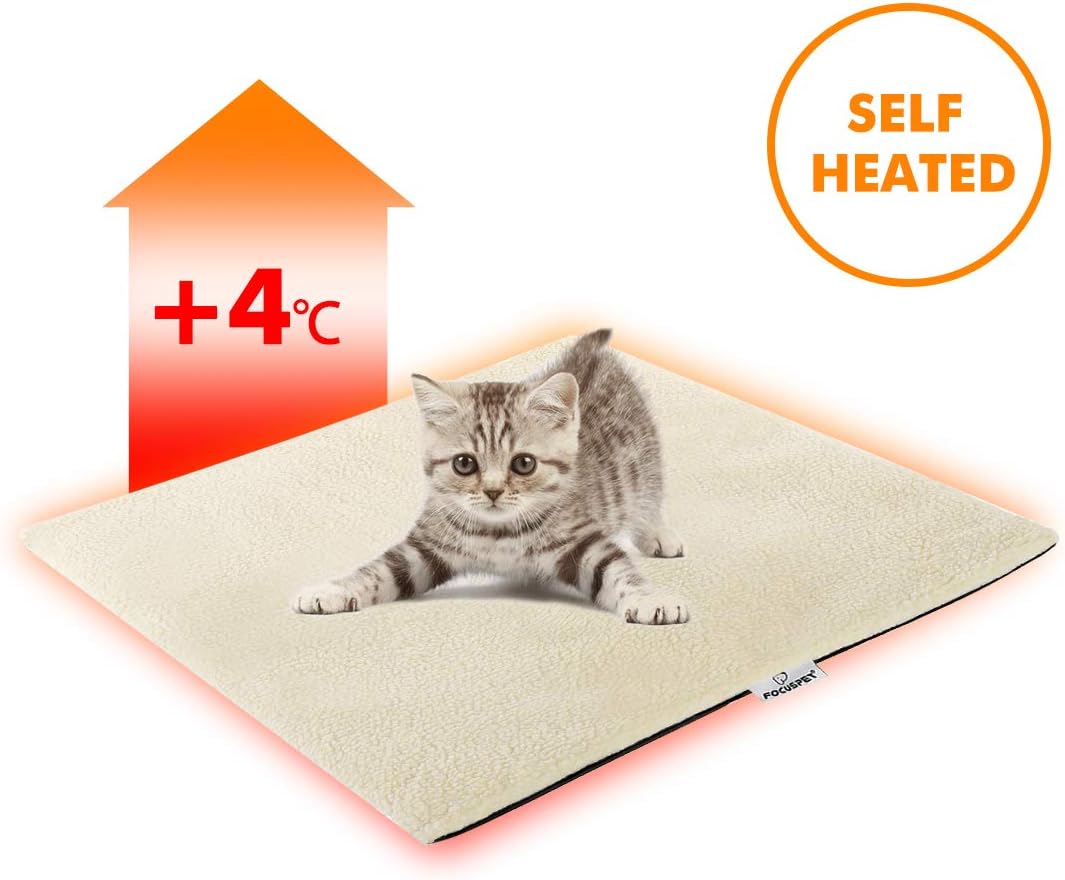
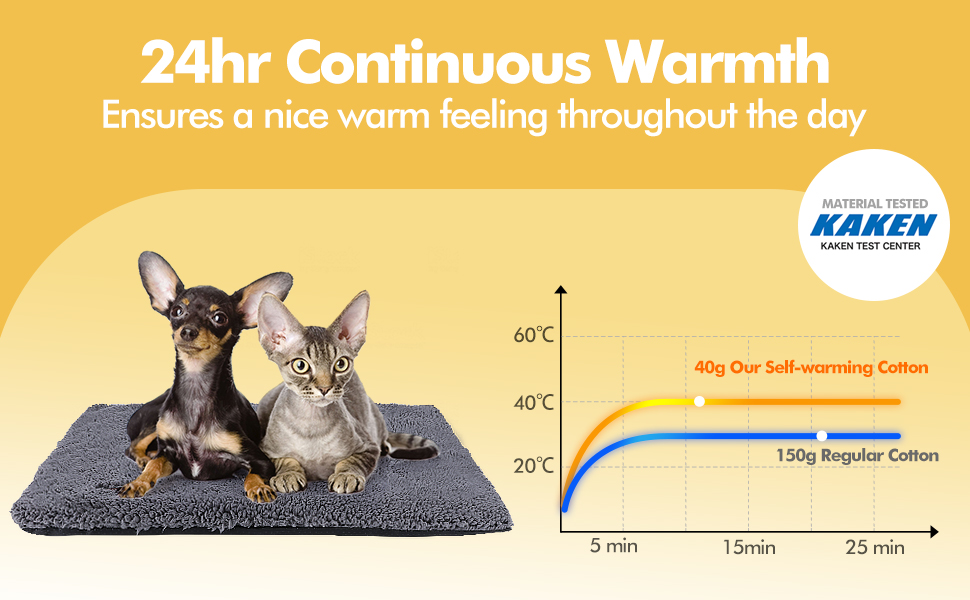
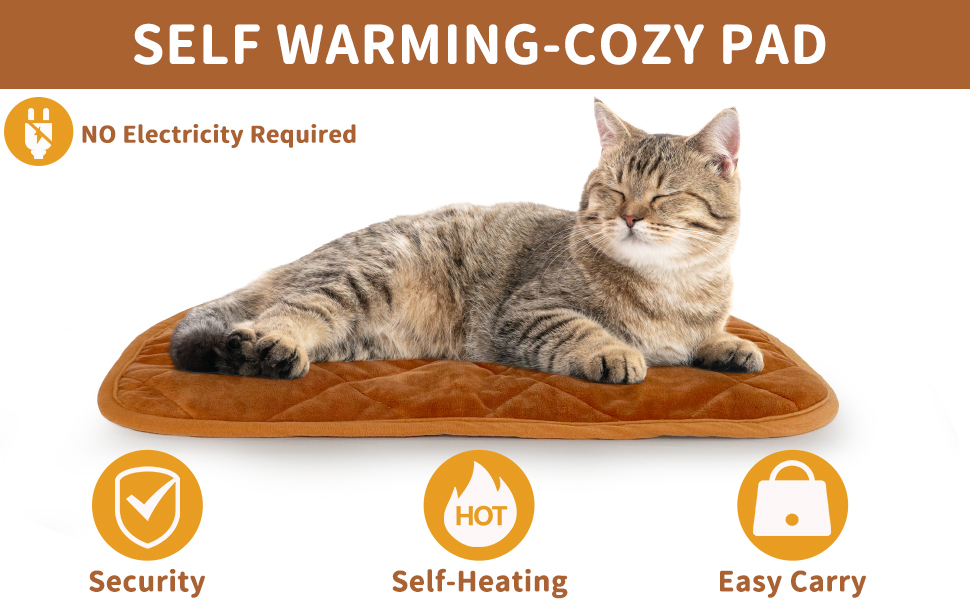
A self-warming cat bed uses your cat’s own body heat to create a warmer sleeping surface. Its insulating materials hold warmth, while a special reflective layer sends some of that heat back toward your cat. It needs no electricity, batteries, or external heat source.
During winter in the United States, indoor cats can still feel cold when they sleep on tile floors, hardwood, or near drafty windows. Even homes with central heating may have cooler areas where a cat’s favorite sleeping spot loses warmth. A self-warming cat bed offers a simple way to make these resting places more comfortable without adding another electrical device to the home.
Unlike an electric heating pad, a self-warming bed does not create heat. It works by slowing heat loss and reflecting some of the warmth that a cat naturally produces. Most designs combine soft insulating fabric, a thermal layer, and a reflective material inside the bed. Together, these parts help create a warmer space for resting.
Understanding this process helps cat owners choose the right bed. It also explains why these beds work better in some rooms than others, why certain designs feel warmer, and why they cannot replace a proper heat source in a very cold environment. The following guide explains the science, construction, benefits, limitations, and practical safety considerations.
Source: catslongue.com
How Does a Self Warming Cat Bed Work?
A self-warming cat bed works by collecting, retaining, and reflecting some of the heat that a cat’s body naturally releases. It does not contain an electric heating element or produce warmth through a chemical reaction. Instead, its materials reduce the amount of body heat that escapes into the surrounding environment.
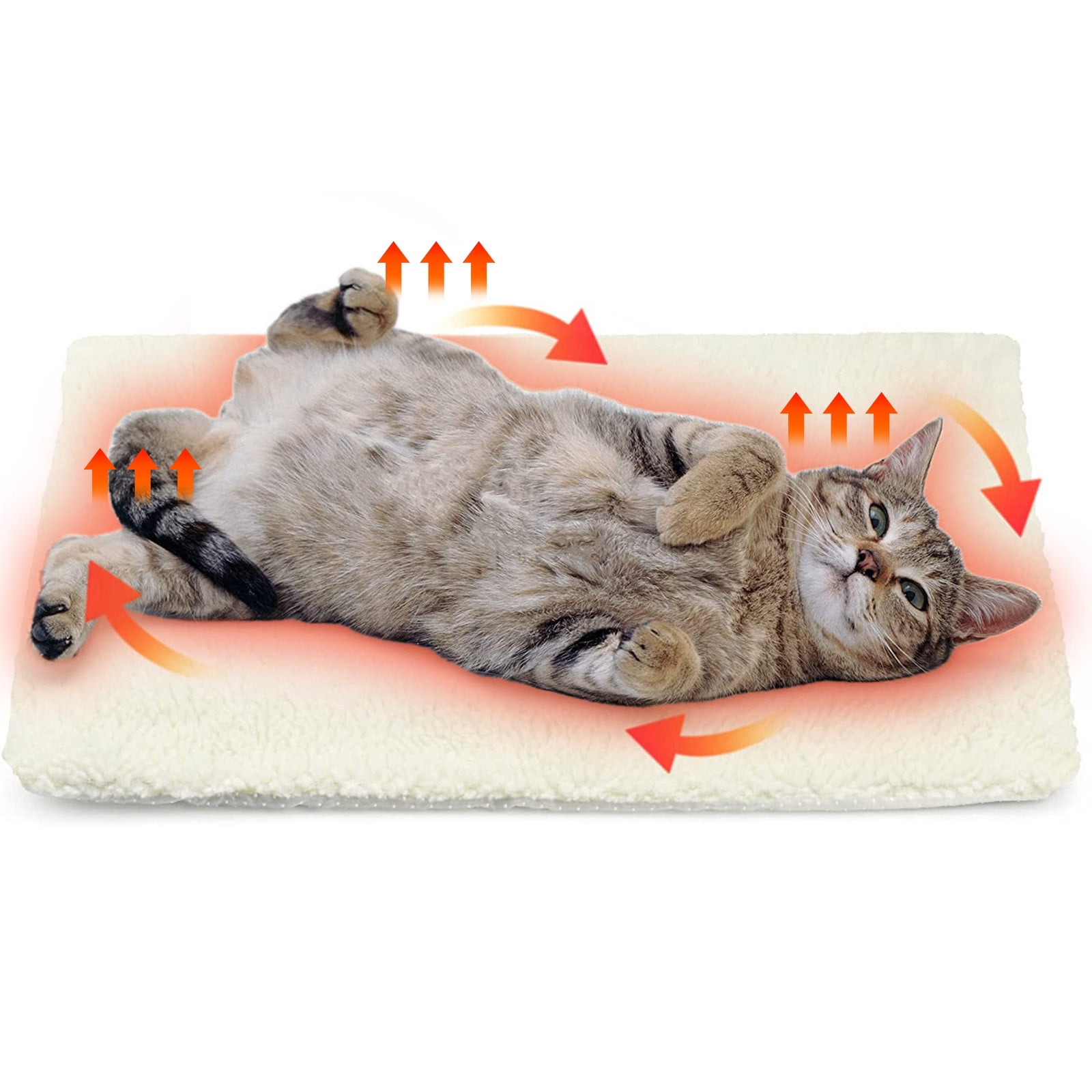
A cat releases body heat through its skin and fur. When the cat lies on an ordinary cushion, some of this heat moves into the bedding and then into the cooler air or floor. A self-warming bed slows this process with insulation and a reflective layer. As a result, the surface beneath the cat can become warmer than a similar uninsulated surface.
The basic idea is similar to the reflective material used in emergency thermal blankets. However, a cat bed also needs soft fabric and enough insulation to provide a comfortable place to sleep. The reflective material works as part of a complete bedding system rather than as a heat source on its own.
Source: i5.walmartimages.com
Body heat collection
The cat’s body naturally releases warmth while resting. The bed helps capture some of this heat instead of allowing it to escape quickly.
Heat retention
Insulating foam, batting, fleece, or similar materials slow heat transfer and help maintain a warmer sleeping area.
Heat reflection
A reflective thermal layer redirects some radiant heat toward the cat, helping reduce heat loss.
Continuous operation
The process continues while the cat uses the bed and produces body heat. No power supply or charging is required.
The Role of the Reflective Thermal Layer
The reflective layer is one of the most important parts of a self-warming cat bed. Manufacturers may use a thin metalized material that reflects radiant heat. This material is often placed beneath the sleeping surface or inside a padded section of the bed.
When a cat lies down, its body releases infrared radiation. The reflective surface redirects some of this energy toward the cat rather than allowing all of it to move away. This helps conserve existing warmth. The layer does not create additional energy or make the bed hotter than an active heating device.
The reflective layer must also be covered by suitable bedding materials. A soft surface protects the cat from direct contact with thin internal materials and improves comfort during long periods of rest.
Reflective surface
Helps redirect radiant body heat toward the sleeping area.
Protective fabric
Covers the internal thermal material and provides a soft surface for the cat.
How Insulation Helps Keep the Bed Warm
Insulation slows the movement of heat from a warmer area to a cooler one. In a self-warming cat bed, it helps prevent the cat’s body warmth from disappearing quickly through the bottom and sides of the bedding.
Materials such as polyester batting, foam, and fleece can trap small pockets of air. Air that remains still between fibers or within a material can reduce heat transfer. This is one reason a thick, well-padded bed may feel more comfortable than a thin thermal mat placed directly on a cold floor.
The insulating material and reflective layer serve different purposes. Insulation slows heat loss, while the reflective layer redirects radiant heat. Both contribute to the overall warming effect.
Thermal insulation
Slows heat transfer through the bedding and helps maintain a comfortable surface.
Soft padding
Supports the cat’s body and separates it from cold, hard flooring.
What Materials Are Used in Self-Warming Cat Beds?
Self-warming cat beds use several materials to balance heat retention, comfort, and durability. The exact construction depends on the manufacturer and design. Some beds have a simple reflective insert, while others use several layers of padding and fabric.
The quality of these materials affects how well the bed retains warmth and how comfortable it feels. A reflective layer alone is not enough to make a good sleeping surface. The outer fabric, insulation, base, and stitching also matter.
Source: m.media-amazon.com
Polyester batting
A soft filling that traps air and helps slow heat loss. It also gives the bed a padded feel.
Metalized reflective film
A thin thermal material designed to reflect radiant heat. It is usually hidden inside the bed.
Fleece fabric
Provides a soft surface and can help retain warmth around the cat’s body.
Foam padding
Adds cushioning and can reduce heat transfer between the cat and the floor.
Cotton or polyester covers
Protect the inner construction and provide a surface that can be cleaned according to the manufacturer’s instructions.
Why Multiple Layers Matter
A layered design can provide better overall comfort than a thin sheet of reflective material. Each layer has a separate purpose. The outer fabric provides comfort, the filling provides insulation, and the reflective insert helps return radiant heat.
For example, a bed with a soft fleece cover, padded filling, and a reflective base may offer a more comfortable sleeping surface than a thin reflective mat with little cushioning. However, the exact performance depends on material quality and construction.
When choosing a bed, check whether the reflective layer covers the main sleeping area. Some designs place the thermal insert only in the bottom section. This means the cat receives the most benefit when lying directly on that area.
Full sleeping-area coverage
A thermal layer that covers the main resting surface can provide more consistent heat reflection beneath the cat.
Adequate padding
Enough cushioning helps separate the cat from cold flooring and supports comfortable sleep.
How Is a Self-Warming Cat Bed Different From an Electric Heated Bed?
The main difference is the source of warmth. A self-warming bed uses the cat’s existing body heat, while an electric heated bed uses electricity to power a heating element. Both can make a sleeping area warmer, but they work in different ways and have different limitations.
A self-warming bed cannot warm itself when the cat is away. It mainly helps conserve warmth during use. An electric bed can provide heat without the cat needing to warm the surface first, although its temperature and operation depend on the specific product.
Neither type is automatically suitable for every cat. The right option depends on the room temperature, the cat’s age and health, the product’s construction, and the owner’s ability to follow safety instructions.
Source: images-na.ssl-images-amazon.com
Self-warming cat bed
Uses reflective material and insulation to conserve the cat’s body heat. It requires no electricity and has no electrical heating cord.
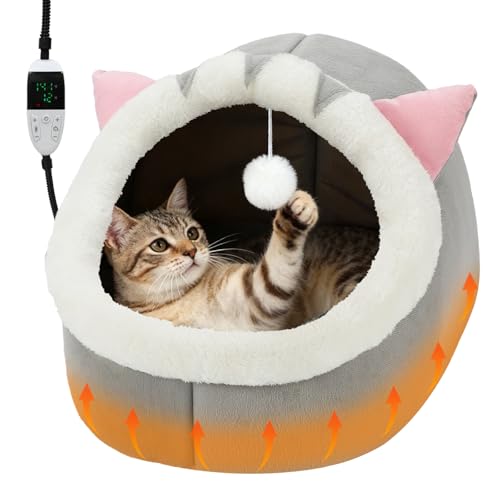
Electric heated cat bed
Uses a powered heating element to supply additional warmth. It needs an appropriate electrical supply and careful inspection.
Ordinary cat bed
Provides cushioning and some insulation but may not include a dedicated reflective thermal layer.
Which Type Provides More Warmth?
An electric heated bed can provide more direct and consistent warmth because it adds energy through a heating element. A self-warming bed only conserves some of the heat that the cat already produces. Therefore, a reflective bed should not be expected to perform like an electric heater in a very cold room.
For a comfortable indoor space, a self-warming bed may provide enough extra warmth for a cat that enjoys a cozy sleeping surface. For a cat that needs additional thermal support, a veterinarian can help determine whether a specific heated product is appropriate.
Do not assume that a warmer bed is always better. Excessive or poorly controlled heat can cause problems, particularly for animals that cannot move away from a heat source easily.
Choose self-warming
When you want a plug-free sleeping surface that helps conserve natural body heat.
Consider powered warmth
When a cat needs more warmth than passive insulation can provide, subject to veterinary advice and product safety.
Comparison of Cat Bed Types
The following comparison explains the practical differences between common cat bedding options. It focuses on how each design supplies or retains warmth rather than making claims about a specific brand.
Self-warming bed
Passive warmth, no electricity, no heating element, and warmth depends on the cat’s body heat and surrounding conditions.
Electric heated bed
Active warmth, electrical power required, and additional safety checks needed for the cord and heating element.
Microwave warming pad
Provides temporary stored heat after heating. Temperature and cooling time depend on the product and its instructions.
Standard padded bed
Provides cushioning and some insulation but does not necessarily include reflective thermal technology.
Do Self-Warming Cat Beds Actually Work?
Yes, self-warming cat beds can help cats stay more comfortable by reducing heat loss during rest. Their performance comes from basic thermal principles: insulation slows heat transfer, and reflective material redirects some radiant heat. However, the result is a warmer sleeping surface, not a bed that generates heat.
A useful distinction is that a self-warming bed conserves warmth rather than creating it. Its effectiveness depends on how much body heat the cat produces, how well the bed is insulated, the quality of the reflective material, and the temperature of the surrounding room.
K&H Pet Products describes its self-warming design as a combination of insulating and reflective layers. This supports the basic explanation of how such products are constructed, although individual beds can differ in materials and performance. Manufacturer descriptions should not be treated as independent proof that every model delivers the same results.
Source: m.media-amazon.com
Factors That Affect Warming Performance
Several conditions can change how warm a self-warming bed feels. A well-made bed may work comfortably in a normal indoor environment but provide limited help in a cold, unheated room. Its thermal performance should always be considered alongside the surrounding conditions.
Room temperature
A warmer indoor environment makes it easier for the bed to maintain a comfortable sleeping surface. Very cold surroundings increase heat loss.
Insulation thickness
A suitable amount of padding can slow heat transfer through the bottom and sides of the bed.
Reflective material quality
The design, placement, and condition of the thermal layer affect how effectively it redirects radiant heat.
Cat’s body size
A larger cat may cover more of the sleeping surface, while a smaller cat may leave more of the bed exposed.
Sleeping position
A curled-up cat may be surrounded by more insulating fabric than a cat that stretches across a flat mat.
Floor type
Cold tile and concrete can draw heat away from bedding more quickly than a carpeted surface.
Why Some Self-Warming Beds Feel Warmer Than Others
Not all self-warming beds have the same internal construction. Some use a thin reflective sheet beneath a soft cover, while others combine reflective material with thicker foam or batting. These differences can affect comfort and heat retention.
The shape also matters. A flat mat offers a simple place to rest, while a bolstered bed can provide a barrier around the cat. A cave-style design may reduce exposure to moving air and help retain warmth around a curled-up cat.
However, a thick or enclosed bed is not always the best option. Some cats dislike covered spaces, and others prefer to stretch out. The best design is one that offers adequate insulation without restricting movement or making the cat uncomfortable.
Flat thermal mat
Suitable for placing inside an existing bed, carrier, or favorite resting area.
Bolstered bed
Provides raised sides that can create a more sheltered sleeping space.
Cave-style bed
Offers a more enclosed environment for cats that enjoy hiding and curling up.
Which Cats Can Benefit From a Self-Warming Cat Bed?
A self-warming bed can be useful for cats that enjoy warm sleeping places, particularly when their usual resting area feels cold. It can provide a comfortable alternative to lying directly on a hard floor. However, individual preferences and health needs should guide the choice.
Healthy adult indoor cats may enjoy these beds during colder months. Senior cats may also appreciate the added cushioning and insulation, although a self-warming bed should not be considered a treatment for arthritis or another medical condition.
Cats with short coats, very little body fat, or limited mobility may need additional attention to their sleeping environment. If a cat seems unusually cold, weak, lethargic, or uncomfortable, a veterinarian should assess the cause instead of relying on a warmer bed alone.
Source: catglamour.com
Indoor cats
Can benefit from a warm resting surface in rooms with cold flooring or mild drafts.
Senior cats
May appreciate soft insulation and cushioning, particularly when choosing a low-entry bed that is easy to access.
Short-haired cats
May enjoy an insulated sleeping space because their coats provide less protection than some thick-coated breeds.
Small and slender cats
May prefer a comfortable, padded sleeping surface that helps reduce heat loss.
Cats that enjoy enclosed spaces
May feel comfortable in a thermal cave bed or a design with raised sides.
Are Self-Warming Beds Good for Senior Cats?
A self-warming bed can be a practical comfort option for an older cat. Senior cats may spend more time resting, and a padded sleeping surface can be easier on their bodies than a hard floor. A low entrance can also make getting in and out easier for cats with reduced mobility.
However, warmth alone does not treat joint disease, chronic pain, or other age-related conditions. If an older cat struggles to stand, avoids jumping, or changes its sleeping habits, arrange a veterinary examination. The veterinarian can recommend suitable bedding and other care based on the cat’s condition.
Look for easy access
Choose a low-sided bed that does not require the cat to climb over a high edge.
Prioritize support
Look for adequate cushioning and a stable sleeping surface.
Monitor comfort
Watch for signs of pain, stiffness, or difficulty changing positions.
Can Kittens Use Self-Warming Cat Beds?
Kittens may enjoy soft, warm bedding, but very young kittens have limited ability to control their body temperature. A self-warming bed is not a substitute for appropriate neonatal care or controlled environmental warmth.
Orphaned kittens and very young kittens may need a carefully managed warming setup. Ask a veterinarian or experienced neonatal kitten caregiver for guidance. Never assume that a passive thermal bed provides enough warmth for a kitten that cannot regulate its body temperature properly.
Young kittens
Need an age-appropriate warm environment and close monitoring.
Orphaned kittens
May require a controlled heat source and a veterinary care plan.
How to Choose the Right Self-Warming Cat Bed
The right self-warming cat bed should match your cat’s size, sleeping habits, and environment. A bed with a reflective layer is useful, but the complete design matters more than one advertised feature. Comfort, construction, easy cleaning, and suitable dimensions should all influence your choice.
Before buying, check the product description for information about its thermal insert, padding, cover, and care requirements. If the manufacturer does not explain the internal construction, contact the seller rather than assuming that every product labeled self-warming uses the same technology.
Source: m.media-amazon.com
Correct size
The bed should allow your cat to curl up comfortably or stretch out according to its normal sleeping position.
Reflective thermal layer
Look for a clearly described thermal insert placed beneath the main sleeping area.
Good insulation
Check the thickness and quality of the filling, especially if the bed will sit on a hard floor.
Soft outer fabric
Choose a material that feels comfortable and does not have rough seams or exposed internal parts.
Washable construction
A removable cover or clearly stated cleaning instructions make routine maintenance easier.
Stable base
A non-slip bottom can help prevent the bed from moving when your cat enters or leaves.
Flat Mat or Enclosed Bed: Which Is Better?
A flat thermal mat is a good option for cats that prefer open sleeping spaces. It can fit inside an existing cushion, carrier, or favorite resting spot. It is also easy to move between rooms.
A bolstered or enclosed bed may be more suitable for a cat that likes to curl up and rest against soft sides. The raised edges can provide a sheltered feeling, while a covered design may reduce exposure to moving air.
Neither format is universally better. Observe where your cat sleeps and whether it prefers open or enclosed spaces. A bed that matches these habits is more likely to be used.
Choose a flat mat
When your cat prefers open spaces or already has a favorite cushion.
Choose a bolstered bed
When your cat likes to rest against raised sides.
Choose a cave bed
When your cat regularly seeks enclosed sleeping spaces.
Does the Bed Need to Be Used on a Carpet?
No. A self-warming cat bed can be placed on several suitable indoor surfaces. However, the surface underneath can affect the overall warmth and comfort.
A bed placed on cold tile or concrete may lose more heat through its base than one placed on carpet. A well-insulated bottom can help reduce this effect. Avoid damp surfaces, and make sure the bed remains stable and clean.
If you place a thermal mat inside an existing bed, check that the combination does not create excessive bunching or pressure points. The cat should be able to lie naturally on the surface.
Carpet
Provides an additional layer between the bed and a potentially cold floor.
Hardwood
Can be suitable when the bed has enough insulation beneath the sleeping area.
Tile
May feel cold, so a properly insulated base is especially useful.
Concrete
Requires a dry, stable, well-insulated sleeping surface, particularly in garages or other cool spaces.
How to Set Up a Self-Warming Cat Bed
Setting up a self-warming cat bed is simple because it does not need a power connection or complicated installation. The main goal is to give your cat a clean, dry, quiet, and comfortable resting area.
The location can make a noticeable difference to how useful the bed feels. A thermal bed placed beside a drafty door may be less comfortable than the same bed placed in a sheltered corner of a heated room.
Source: i5.walmartimages.com
Step 1: Read the product instructions
Check the manufacturer’s directions for setup, washing, drying, and use. Confirm that all internal materials are properly enclosed.
Step 2: Choose a suitable location
Place the bed in a quiet area away from cold drafts, damp floors, and heavy household traffic.
Step 3: Check the sleeping surface
Make sure the bed lies flat and that its thermal insert does not create uncomfortable folds or exposed edges.
Step 4: Introduce familiar scents
Place a clean blanket that carries your cat’s familiar scent near or on the bed, provided the manufacturer allows additional bedding.
Step 5: Allow your cat to explore
Let your cat approach the bed naturally. Avoid forcing it to stay there.
Step 6: Check the bed regularly
Inspect the fabric, seams, filling, and thermal insert for damage or moisture.
How to Encourage Your Cat to Use the New Bed
Cats can be cautious about unfamiliar objects. Even a comfortable bed may be ignored at first because its smell, texture, or location is different from the places your cat already knows.
Start by placing the bed near a familiar sleeping area. You can also use a favorite toy or a familiar blanket to make the space feel less unfamiliar. Give your cat time to investigate and choose whether to use it.
If your cat continues to avoid the bed, try moving it to another quiet location. Some cats prefer windowsills, while others choose sheltered corners or spots near their owners. Their sleeping preferences can matter more than the bed’s advertised features.
Keep the bed familiar
Use a suitable blanket or item that carries your cat’s familiar scent.
Choose a quiet area
Avoid busy hallways, loud appliances, and areas close to litter boxes.
Avoid forcing use
Allow your cat to explore and leave whenever it wants.
Are Self-Warming Cat Beds Safe?
Self-warming cat beds generally avoid several risks associated with powered heating devices because they do not contain an electrical heating element or power cord. There is no electrical heating mechanism to malfunction, and owners do not need to plug the bed into an outlet.
However, no bedding product is completely risk-free. Poor construction, torn fabric, exposed filling, loose threads, and damaged internal materials can create problems. Owners should inspect the bed regularly and stop using it if the internal structure becomes exposed.
A passive self-warming bed should also be distinguished from an electric heating pad. Veterinary guidance from VCA Animal Hospitals warns that heating pads can cause burns, particularly when animals sleep on them for long periods or have difficulty moving away from the heat. The absence of an active heating element reduces this particular concern, but it does not make every self-warming product suitable for every animal.
Source: catslongue.com
Can a Self-Warming Cat Bed Overheat?
A conventional passive self-warming bed does not actively produce heat, so it does not operate like an electric heater. It helps conserve the cat’s existing body warmth rather than continuously supplying additional energy.
However, a thick, enclosed bed may become uncomfortable in a warm room, especially if the cat has limited space to move. Always allow your cat to leave the bed freely and provide alternative resting areas with different temperatures.
Watch your cat’s behavior. If it repeatedly leaves the bed, stretches out on cooler surfaces, or seems uncomfortable, the bed may not be suitable for the current conditions. Cats should always have access to a comfortable alternative.
Provide an exit
Never restrict a cat inside a covered sleeping area without a way to leave.
Offer alternatives
Keep ordinary bedding or another comfortable resting area available.
Pay attention to signs that your cat is avoiding the bed or seeking a cooler surface.
When Should You Contact a Veterinarian?
A self-warming bed is a comfort accessory, not a medical treatment. If your cat is persistently shivering, unusually weak, lethargic, or unable to maintain normal body warmth, do not rely on bedding alone.
Illness, injury, exposure to cold, and other medical problems can affect temperature regulation. A veterinarian can determine whether the cat needs medical treatment or a more controlled warming method.
Very young kittens, sick cats, sedated animals, and cats with serious mobility problems may need special care. Ask a veterinarian before using any additional warming device with these animals.
Persistent shivering
May indicate that the cat is too cold or has another health problem.
Unusual weakness
Requires prompt veterinary attention, particularly when combined with cold exposure.
Sudden behavior changes
A cat that suddenly avoids normal resting places or appears uncomfortable should be assessed.
Possible burn or skin injury
Seek veterinary care if you notice painful skin, redness, damaged fur, or other signs of injury.
How to Clean and Maintain a Self-Warming Cat Bed
Regular cleaning helps keep a self-warming cat bed comfortable and hygienic. Cat hair, dust, skin oils, and other debris can collect on the sleeping surface. Cleaning also gives owners an opportunity to inspect the internal materials for wear.
The most important rule is to follow the manufacturer’s care instructions. Different products use different reflective inserts, fabrics, and fillings. A cleaning method that is suitable for one model may damage another.
Source: catglamour.com
Remove loose hair
Use a suitable lint brush or vacuum attachment to remove loose fur from the outer surface.
Check washing instructions
Confirm whether the entire bed can be washed or whether it has a removable cover.
Use suitable detergent
Choose a mild detergent and follow the manufacturer’s instructions about cleaning products.
Dry completely
Make sure the bed is fully dry before allowing your cat to use it again.
Inspect the internal layers
Look for torn seams, exposed filling, damaged reflective material, and unusual lumps.
Can You Machine-Wash a Self-Warming Cat Bed?
Some self-warming cat beds are machine-washable, but this does not apply to every model. Certain products allow gentle machine washing, while others require hand cleaning or washing only the removable cover.
Heat can damage some reflective inserts or cause internal materials to lose their shape. Therefore, do not assume that hot water, strong washing cycles, or high-heat tumble drying are safe.
For example, the care instructions for some K&H self-warming pads specify a cold, gentle wash and controlled drying. Always check the exact product manual rather than applying one manufacturer’s directions to another brand.
Before washing
Remove any detachable parts and check whether the thermal insert can remain inside.
During washing
Use only the water temperature and cycle approved by the manufacturer.
After washing
Inspect the bed and allow it to dry fully before reuse.
Common Mistakes to Avoid When Using a Self-Warming Cat Bed
A self-warming bed is easy to use, but incorrect expectations can reduce its usefulness. The most common mistake is assuming that it works like an electric heater. It does not create heat, and it cannot make a very cold environment warm by itself.
Other mistakes involve poor placement, unsuitable sizing, and incorrect cleaning. Avoiding these problems helps maintain the bed’s performance and gives your cat a more comfortable resting area.
Source: i5.walmartimages.com
Expecting active heating
The bed only helps conserve existing body heat. Do not expect it to warm an empty sleeping area.
Placing it in a damp location
Moisture can affect comfort and may damage some internal materials.
Ignoring the floor underneath
A thin mat placed directly on cold concrete may provide less insulation than a properly padded bed.
Choosing the wrong size
A bed that is too small may restrict comfortable sleeping positions.
Using unsuitable washing methods
Excessive heat or harsh cleaning may damage the reflective layer and outer fabric.
Ignoring medical warning signs
Persistent coldness, weakness, or unusual behavior should not be treated as a simple bedding problem.
Why Is My Cat Not Using Its Self-Warming Bed?
A cat may ignore a new thermal bed because it dislikes the texture, smell, shape, or location. Cats often develop strong sleeping preferences, and a new product may not match the places they already consider safe.
The bed may also be too warm for the current room conditions or too small for the cat’s preferred sleeping position. Some cats prefer open mats, while others enjoy enclosed spaces.
Try moving the bed to a familiar location and introducing a suitable blanket with a familiar scent. If the cat still avoids it, consider a different shape or sleeping surface rather than forcing it to use the bed.
Check the location
Move the bed to a quiet place where your cat already enjoys resting.
Check the size
Make sure the cat can curl up or stretch without being restricted.
Check the texture
Try a different fabric or shape if the cat avoids the current sleeping surface.
Frequently Asked Questions
Q
Does a self-warming cat bed need electricity?
No. A self-warming cat bed does not need electricity, batteries, or a power cord. It uses the cat’s natural body heat and special insulating and reflective materials to help conserve warmth. This makes it useful in areas where an electrical outlet is unavailable.
Q
How long does a self-warming cat bed stay warm?
A self-warming cat bed helps retain warmth while the cat is using it and producing body heat. There is no fixed heating time because the bed does not have a powered heating cycle. Its performance depends on the cat, the materials, and the surrounding temperature. Once the cat leaves, the bed gradually adjusts to the temperature of its surroundings.
Q
Do self-warming cat beds work without a cat lying on them?
They do not actively warm themselves when empty. The reflective material redirects some heat that is already present, while insulation slows heat loss. Without a cat or another source of warmth, the bed does not generate additional heat.
Q
Are self-warming cat beds better than electric heated beds?
Neither option is better for every situation. Self-warming beds are suitable when you want passive warmth without cords or electrical components. Electric heated beds can provide additional heat, which may be useful in colder environments or for cats with specific needs. However, powered products require careful selection, inspection, and use according to veterinary advice and manufacturer instructions.
Q
Can I put a blanket over a self-warming cat bed?
Usually, a suitable lightweight blanket can be placed over or inside a self-warming bed if the manufacturer allows it. However, a thick additional layer may change how the reflective system performs. Make sure the arrangement remains comfortable, does not expose internal components, and allows your cat to move freely.
Q
Do self-warming cat beds work in cold rooms?
They can help reduce heat loss, but their effectiveness decreases when the surrounding environment is extremely cold. They cannot replace room heating or a suitable controlled warming system when a cat needs additional heat. Place the bed in a sheltered, dry area and consult a veterinarian if your cat cannot stay comfortably warm.
Q
Are self-warming cat beds safe for kittens?
A self-warming bed may provide comfortable bedding for older kittens that can move around independently. Very young or orphaned kittens have limited temperature control and may require a carefully managed warming environment. Consult a veterinarian about the appropriate setup instead of relying on a passive bed alone.
Q
Can an older cat benefit from a self-warming bed?
Yes. An older cat may appreciate the added insulation and cushioning, particularly during colder weather. Choose a bed with a low entrance and enough support. However, warmth does not treat arthritis or chronic pain, so a veterinarian should assess any signs of stiffness or reduced mobility.
✦ Wrapping Up
Conclusion
A self-warming cat bed works by using a cat’s natural body heat rather than electricity. Its insulating materials slow heat loss, while a reflective thermal layer redirects some radiant warmth toward the sleeping surface. Together, these features help create a more comfortable resting area without an active heating element.
These beds can be useful for indoor cats, senior pets, and cats that enjoy warm sleeping places. However, their performance depends on the bed’s construction, the cat’s body heat, and the surrounding temperature. They cannot replace proper room heating or veterinary care when an animal needs additional thermal support.
When choosing one, focus on the quality of the reflective layer, insulation, padding, size, and washable construction. Place it in a dry, quiet area and inspect it regularly. Most importantly, allow your cat to choose where it feels comfortable and provide alternative sleeping spaces.
💡 Key Takeaway
Choose a self-warming cat bed with a properly enclosed reflective layer, adequate insulation, and a washable outer surface. Place it in a dry, draft-free location where your cat already enjoys sleeping. Remember that it reflects existing body heat rather than producing heat, and contact a veterinarian if your cat shows persistent shivering, weakness, or unusual cold sensitivity.