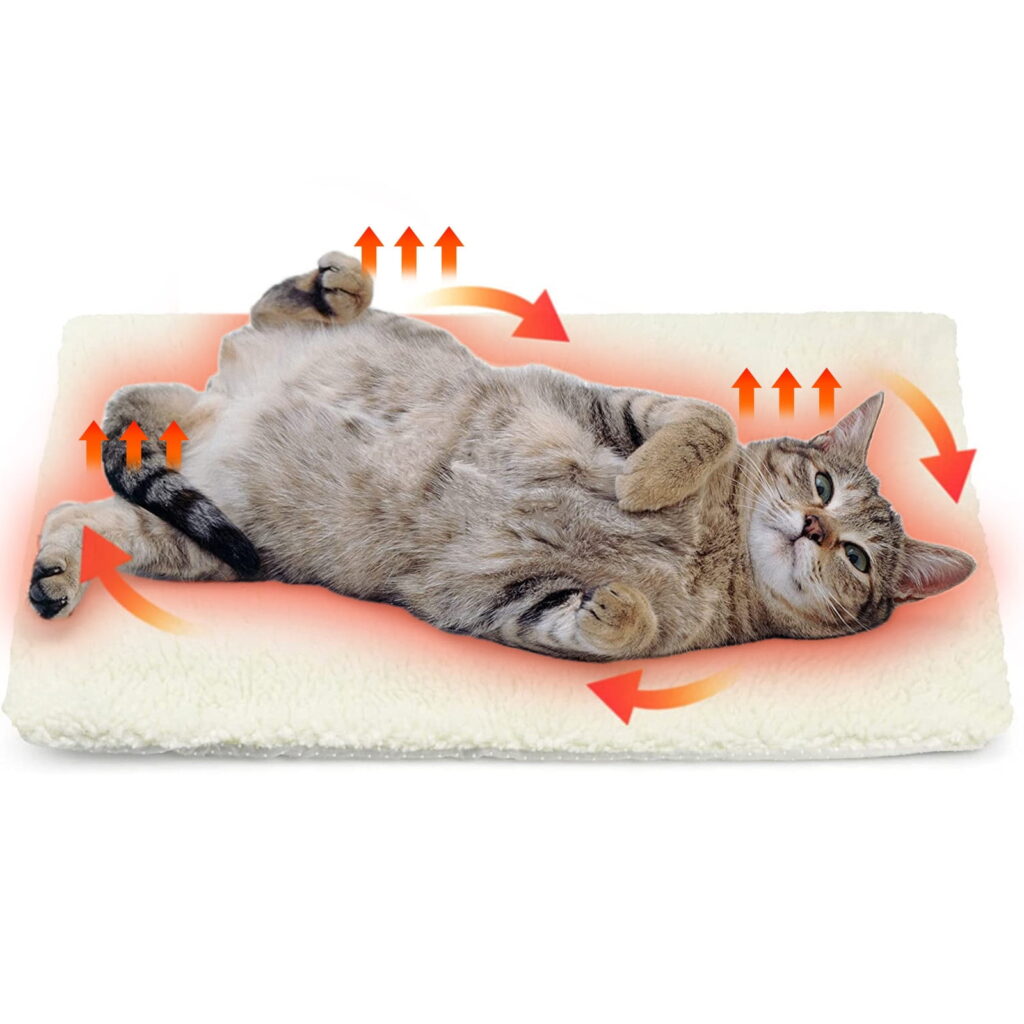
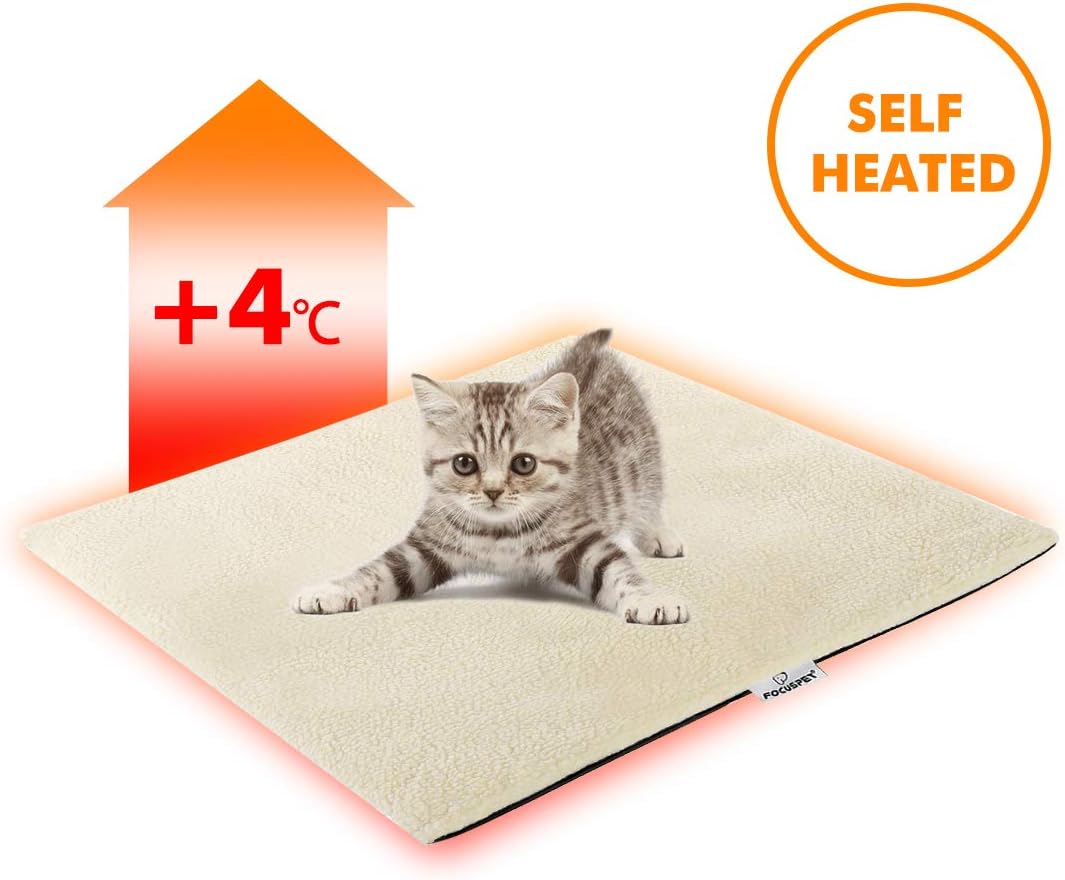
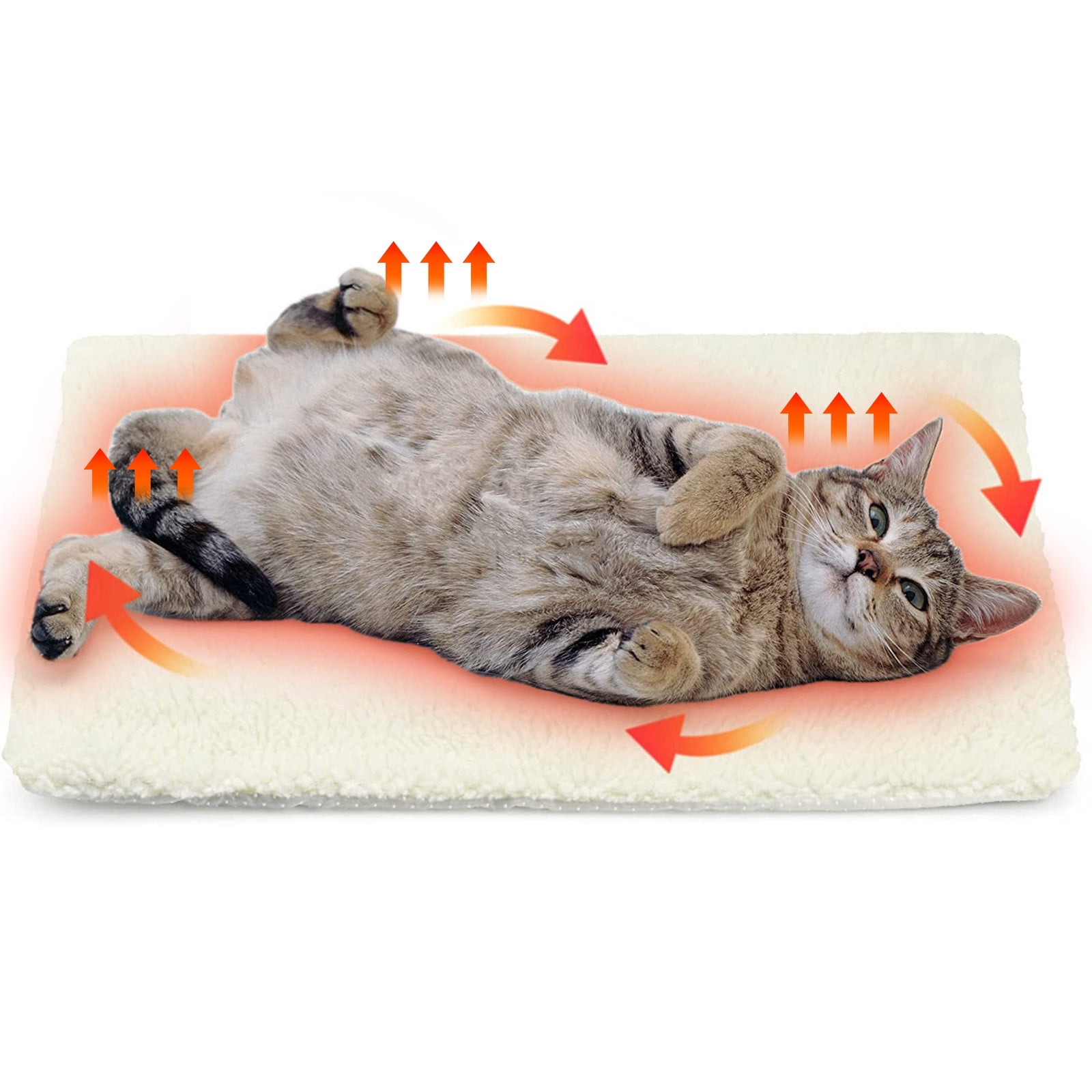
Self-warming cat beds use insulating materials and reflective thermal layers to capture and redirect a cat’s natural body heat toward its sleeping surface. They do not need electricity, batteries, or an external heat source.
During cold winter months in the United States, indoor cats often look for warm places to sleep. Whether a cat lives in a chilly home in Minnesota, a drafty apartment in New York, or a house with cold tile floors in Colorado, a comfortable resting place can make a difference. A self-warming cat bed offers a simple way to improve sleeping comfort without adding another electrical device to the home.
Unlike electric pet beds, self-warming beds do not create heat. Instead, they use special materials that help retain the warmth a cat naturally produces. Most designs combine a soft outer fabric, insulating padding, and a reflective layer that sends some body heat back toward the animal. This process helps reduce heat loss while the cat rests.
Understanding how self-warming cat beds work makes it easier to choose the right design for your pet. It also helps explain why some beds feel warmer than others, why a bed may feel cool before a cat lies on it, and why these products cannot replace proper indoor heating during extreme cold.
Source: petsupplieschina.com
How Do Self Warming Cat Beds Work?
Self-warming cat beds work by reducing the amount of body heat that escapes from a resting cat. A cat naturally releases heat into the surrounding air and surfaces. When the animal lies on an ordinary bed, some of this warmth passes through the fabric and padding into the cooler floor and nearby air.
A self-warming bed slows this process. Its insulating materials help trap warm air, while an internal reflective layer redirects some thermal energy toward the cat. The combined effect creates a warmer resting area than a thin, uninsulated surface may provide under similar conditions.
This process relies on basic heat transfer. Heat naturally moves from warmer areas toward cooler areas. Insulation slows that movement, while reflective materials can reduce the amount of radiant heat that escapes. The bed uses both principles to improve warmth retention.
The bed does not have a motor, heating coil, thermostat, or power supply. It simply makes better use of the warmth already produced by the cat’s body. As long as the cat is resting on it, the materials help retain some of that warmth.
Source: amazon.ca
Natural body heat
A cat produces heat through normal body processes. That warmth moves toward the bedding as the animal lies down.
Thermal insulation
Soft padding and trapped air slow the movement of heat away from the sleeping area.
Heat reflection
A reflective inner layer redirects some radiant heat toward the cat instead of allowing it to escape as easily.
Improved warmth retention
The combination helps create a cozy resting surface without electricity or an external heat source.
Step 1: Your Cat Produces Natural Body Heat
The process starts with the cat itself. Like other mammals, cats maintain an internal body temperature through normal metabolism. Their bodies release heat into the surrounding environment throughout the day and night.
When a cat curls up on a self-warming bed, its body transfers heat to the upper fabric and the materials underneath. The amount of warmth available depends on the cat’s size, activity, body condition, and resting position.
A curled sleeping position can also reduce the amount of exposed body surface. This helps the cat conserve warmth while the bed provides additional insulation underneath.
Heat source
The cat’s own body is the source of thermal energy.
Contact with bedding
Heat moves from the cat into the bed through direct contact and radiation.
Step 2: Insulating Materials Trap Warm Air
The next part of the process involves insulation. Many self-warming cat beds contain fleece, polyester fiberfill, foam, or other soft materials. These materials can hold small pockets of air within their structure.
Air is a relatively poor conductor of heat when it remains trapped in small spaces. Therefore, the padding slows the movement of warmth from the cat toward the cold floor. This helps the sleeping surface retain a more comfortable temperature.
The thickness and condition of the padding matter. A thick bed with intact filling may provide better insulation than a thin mat. However, more padding does not automatically mean better performance if the material becomes compressed or loses its structure.
Fleece
A soft fabric that provides surface comfort and can help retain warmth.
Polyester filling
A common padding material that holds air and slows heat transfer.
Foam
Some designs use foam to add cushioning and reduce direct contact with cold flooring.
Step 3: The Reflective Layer Redirects Heat
The reflective layer is the main feature that distinguishes many self-warming beds from ordinary padded cat beds. Manufacturers may use a thin metalized film or a similar reflective material inside the bedding.
This layer helps redirect radiant heat toward the cat. The principle is similar to the thermal material used in emergency space blankets. However, the bed’s reflective film is usually placed between soft layers rather than exposed directly to the animal.
The reflective layer does not generate heat or store an unlimited supply of energy. It changes how some heat moves through the bed. Its effectiveness also depends on the quality of the surrounding insulation and the overall construction.
Reflective film
Helps redirect radiant thermal energy toward the sleeping surface.
Layered construction
Keeps the reflective material inside the bed while providing a soft surface for the cat.
Step 4: The Bed Helps Maintain a Warmer Resting Surface
Once the cat settles down, the insulating and reflective layers work together. The upper fabric becomes warmer through contact, while the materials underneath slow heat loss toward the floor.
Over time, the cat may feel more comfortable because less of its natural warmth escapes through the sleeping surface. When the cat gets up, the bed gradually returns toward the surrounding room temperature.
This explains why a self-warming bed can feel cool when empty but become noticeably warmer during use. It needs the cat’s body heat to perform its main function.
During use
The bed helps retain and redirect warmth while the cat rests.
After use
The surface gradually loses warmth because there is no active heating system.
What Materials Are Used in Self-Warming Cat Beds?
Most self-warming cat beds use several layers of material, with each layer serving a different purpose. The outer fabric provides comfort, the filling offers insulation, and the reflective component helps redirect radiant heat. Some models also include a base that limits movement and reduces contact with cold flooring.
The exact construction varies between brands and designs. A simple self-warming mat may use fewer layers than a raised cat bed with padded sides. Therefore, shoppers should look beyond the product name and examine the materials listed in the manufacturer’s specifications.
Understanding these materials can help you judge whether a particular bed suits your cat’s sleeping habits, cleaning needs, and home environment.
Source: storage.googleapis.com
Plush or fleece fabric
Creates a soft sleeping surface and helps provide basic insulation.
Polyester fiberfill
Adds cushioning and helps trap small pockets of air.
Metalized reflective film
Helps redirect some radiant body heat toward the cat.
Foam padding
Can improve cushioning and reduce heat loss through direct contact with a hard surface.
Non-slip bottom
Helps keep the bed in place on smooth indoor floors.
Why the Reflective Material Matters
Reflective material helps reduce radiant heat loss. It is often a thin layer, so it does not necessarily make the bed thick or heavy. Its purpose is to redirect some thermal energy rather than act as a powered heater.
The quality of this layer can vary. Some products use a clearly identified metalized thermal film, while others provide limited information about their internal construction. A detailed material description is more useful than a general claim that a bed uses advanced heating technology.
Look for material details
Choose a product that explains its reflective layer and insulation rather than relying only on marketing terms.
Check the layer placement
The reflective material should be safely enclosed inside the bedding and should not create an uncomfortable sleeping surface.
How the Outer Fabric Affects Comfort
The outer fabric affects how the cat experiences the bed. Fleece and plush fabrics often feel soft and inviting, while smoother fabrics may be easier to wipe clean. A fabric that holds too much loose fur can also require more frequent maintenance.
Cats have different preferences. Some enjoy deep, fluffy beds, while others prefer thin mats or flat surfaces. A comfortable design should allow the cat to settle naturally without forcing it into a particular position.
Soft texture
May encourage cats that enjoy plush bedding to use the bed.
Easy cleaning
A removable and washable cover can make regular care easier.
Do Self-Warming Cat Beds Really Work?
Yes, self-warming cat beds can work as intended when their materials are designed to retain and redirect a cat’s natural body heat. They can provide a warmer resting surface than a thin blanket or an uninsulated mat under comparable conditions.
However, their performance has limits. These beds do not produce heat, and they cannot keep a cat warm indefinitely in an extremely cold environment. Their main benefit is reducing heat loss while the animal rests.
The result depends on the bed’s construction, the temperature of the room, the floor beneath it, and the cat’s physical condition. A well-insulated bed placed on a carpeted floor in a comfortable home may perform differently from a thin mat placed directly on cold concrete.
It is also useful to separate a manufacturer’s description of its materials from independent performance testing. A reflective layer may be documented in a product specification, but that alone does not establish how many degrees warmer the bed will become or how much longer it will retain heat.
Source: catlovesbest.com
What they can do
Help retain body warmth, reduce heat loss through the sleeping surface, and improve resting comfort.
What they cannot do
Generate continuous heat, warm an entire room, or replace a safe indoor environment.
What affects performance
Insulation quality, reflective material, bed thickness, room temperature, and floor conditions.
Why Does a Self-Warming Bed Feel Cold When Empty?
A self-warming cat bed may feel cool when you touch it because it does not contain an active heating element. Without a cat resting on it, there is no meaningful source of body heat to retain and redirect.
This is normal and does not automatically indicate a defective product. The bed is designed to work with the animal’s natural warmth, not to remain warm on its own.
A simple way to understand the difference is to compare it with an insulated jacket. A jacket helps retain body heat when someone wears it, but it does not produce warmth when left on a chair.
Normal behavior
An empty self-warming bed can feel similar to ordinary bedding at room temperature.
During use
The cat’s body warmth gradually makes the contact area feel warmer.
How Long Does a Self-Warming Cat Bed Stay Warm?
A self-warming bed does not have a fixed heating time because it has no powered heating system. Its warmth depends on the cat’s body heat, the surrounding temperature, and how well the materials reduce heat loss.
While the cat remains on the bed, the materials continue to help retain warmth. After the cat leaves, the surface gradually cools toward the temperature of the room.
Claims that a self-warming bed provides a fixed number of hours of warmth should be treated carefully unless the manufacturer explains the testing conditions and measurement method.
No battery limit
The bed does not depend on a battery or electrical supply.
No guaranteed temperature
Warmth varies with the environment and the materials used.
Self-Warming Cat Beds vs. Electric Heated Cat Beds
Self-warming and electric heated cat beds both aim to provide a warmer resting area, but they use different methods. A self-warming bed relies on the cat’s natural body heat, while an electric model uses an external power source to generate warmth.
This difference affects their warmth levels, operating costs, placement, and safety considerations. Neither type is automatically the best choice for every cat. The right option depends on the animal’s needs and the conditions inside the home.
For many healthy indoor cats, an insulated self-warming bed can provide useful extra comfort. A veterinarian may recommend a suitable pet-safe heated product for certain cats that need additional warmth, but the specific design and the animal’s ability to move away from heat must be considered.
Source: catlovesbest.com
Heat source
Self-warming beds use natural body heat, while electric beds use powered heating components.
Electricity
Self-warming beds require no electricity. Electric beds need a compatible power source.
Warmth level
Self-warming beds provide passive warmth retention. Electric beds can provide active heat according to their design and controls.
Operating cost
Self-warming beds have no electricity costs. Electric beds consume power while operating.
Safety considerations
Self-warming beds avoid electrical cords and powered heating components. Electric models require careful attention to temperature controls, cords, and manufacturer instructions.
Which Type Is Better for Indoor Cats?
A self-warming bed is a practical option for an indoor cat that needs a little extra warmth during colder months. It is simple to position, requires no outlet, and does not introduce an electrical heating element into the sleeping area.
An electric heated bed may be more appropriate when a cat needs a stronger or more consistent source of warmth. However, cats with reduced mobility or other health problems should not be given a heating product without considering their ability to move away if they become uncomfortable.
The best choice should be based on the cat’s age, health, sleeping habits, and home temperature rather than the assumption that a more powerful heater is always better.
Choose self-warming
When your cat needs passive warmth and you want a product that operates without electricity.
Consider electric heating
When additional warmth may be needed and a veterinarian-approved, appropriately designed product is available.
Can You Use Both Types of Bedding?
You can provide different resting options in the same home, provided each product is used according to its instructions. For example, an ordinary padded bed and a self-warming mat can give a cat different places to rest.
Avoid stacking an electric heating pad underneath a self-warming bed unless both manufacturers specifically approve that arrangement. Extra layers can interfere with heat control and create unsafe temperatures.
Offer choices
Provide more than one comfortable sleeping area so your cat can choose where to rest.
Avoid unapproved combinations
Do not combine heating products in ways that their instructions do not support.
Which Cats Benefit Most From Self-Warming Beds?
Self-warming cat beds can benefit cats that enjoy warm sleeping surfaces or spend long periods resting on cool flooring. They can be particularly useful during colder months when indoor temperatures vary or a cat’s favorite sleeping area feels chilly.
Some cats are more sensitive to cold than others. Age, body condition, coat type, health, and mobility can all influence how well an animal stays comfortable. A warm resting area can help, but it should not be treated as a cure for an underlying health problem.
Senior cats may appreciate soft, insulated bedding because aging can affect mobility and comfort. Cats with thin coats or little body fat may also prefer warmer resting spots. Kittens and cats recovering from illness may have special temperature needs that require veterinary advice.
Source: storage.googleapis.com
Senior cats
Older cats may be less comfortable in cold environments and may benefit from a soft, warm resting area.
Short-haired cats
Some short-haired cats may seek additional warmth when indoor temperatures fall.
Hairless cats
Cats without a normal insulating coat may need extra help maintaining comfort.
Indoor cats
Cats that spend much of their time resting on tile, hardwood, or other cool surfaces may appreciate insulated bedding.
Thin cats
Cats with low body fat may be more sensitive to cold and may need a warmer indoor resting place.
Are Self-Warming Beds Good for Senior Cats?
A self-warming bed can be a useful comfort option for a senior cat, especially if the animal prefers warm places. A padded surface may also provide more support than a thin blanket placed directly on the floor.
Older cats may develop arthritis or other conditions that make jumping and movement difficult. A bed with a low entrance and a stable base can make resting more comfortable.
However, a warm bed does not treat arthritis or other medical conditions. If your older cat becomes less active, struggles to jump, changes its sleeping habits, or appears uncomfortable, arrange a veterinary examination.
Choose easy access
Look for a low-profile design that does not require the cat to climb over tall sides.
Prioritize cushioning
Choose enough padding to provide a comfortable surface for aging joints.
Are Self-Warming Beds Suitable for Kittens?
A self-warming bed may offer extra comfort to a healthy kitten, but very young kittens have different temperature needs from adult cats. Newborn kittens cannot regulate their body temperature as effectively as mature animals.
A self-warming bed should not be used as the only source of warmth for an orphaned, very young, sick, or weak kitten. These animals may need carefully controlled environmental warmth and professional veterinary guidance.
For a healthy older kitten, choose a stable bed with a soft surface and enough room to move freely. Make sure the kitten can leave the sleeping area without difficulty.
Healthy kittens
May use an appropriately sized self-warming bed as part of a comfortable sleeping area.
Newborn or weak kittens
Need specific temperature care and veterinary guidance rather than relying on passive insulation alone.
How to Choose the Right Self-Warming Cat Bed
Choosing the right self-warming cat bed involves more than finding a product with the word thermal in its name. You should consider the internal materials, size, sleeping style, floor conditions, and cleaning instructions.
A bed that suits a small kitten may not provide enough space for a large adult cat. Likewise, a cat that sleeps stretched out may dislike a small round bed even if its materials are well insulated.
Before buying, examine the manufacturer’s description and look for clear information about the reflective layer, insulation, cover, and base. If the product does not explain its construction, its warming claims may be difficult to assess.
Source: amazon.com
Size
Select a bed that allows your cat to curl up or stretch out in its preferred sleeping position.
Insulation
Look for suitable padding and a clearly described thermal design.
Fabric
Choose a surface that feels comfortable and suits your cat’s texture preferences.
Cleaning
Check whether the cover is removable and whether machine washing is permitted.
Base
A non-slip bottom can help prevent the bed from sliding on hardwood or tile.
Choose a Bed Based on Your Cat’s Sleeping Position
Observe how your cat normally sleeps before selecting a size. Cats that curl into a ball may enjoy a round bed with raised sides, while cats that stretch their legs may prefer a rectangular thermal mat.
A bed that is too small can restrict movement and reduce comfort. A bed that is too large may still work, but its design and padding should provide a comfortable surface across the area your cat uses.
Curled sleepers
Often prefer a round or oval bed with soft, supportive edges.
Stretched sleepers
Usually need a longer, flatter sleeping surface.
Burrowers
May enjoy a covered bed or a design with a soft blanket-like upper section.
Consider the Floor Beneath the Bed
The surface beneath a self-warming bed can affect its overall performance. Cold tile, concrete, and some hardwood floors may draw warmth away more quickly than carpeted surfaces.
If your cat sleeps on a cold floor, choose a bed with enough insulation underneath. You can also place it on a suitable carpet or another stable, dry surface to reduce direct contact with the cold floor.
Avoid damp areas, drafty doorways, and locations near exterior openings. A well-insulated bed cannot compensate for an unsuitable environment.
Carpeted floor
Can provide an additional layer between the bed and the floor.
Tile or concrete
May require a thicker insulated base to improve comfort.
Draft-free location
Helps prevent cold air from making the resting area uncomfortable.
Check the Manufacturer’s Washing Instructions
Cleaning instructions matter because improper washing can damage internal thermal materials. Some beds have removable covers, while others must be cleaned as a complete unit.
Do not assume that every self-warming bed is safe for hot washing or tumble drying. High heat, aggressive washing, or excessive moisture may damage the reflective layer, padding, or stitching.
Follow the exact care instructions supplied with the product. If the manufacturer does not explain how to clean the bed, ask before purchasing.
Removable cover
Can make routine washing easier.
Gentle cleaning
May help protect delicate internal materials when permitted by the manufacturer.
Complete drying
Ensure the bedding is fully dry before allowing your cat to use it.
How to Set Up a Self-Warming Cat Bed Correctly
A self-warming cat bed works best when it is placed in a comfortable location that your cat already enjoys. You do not need an electrical connection or complicated installation, but a few simple steps can improve its usefulness.
Start by reading the manufacturer’s instructions. Check whether the bed needs to be unfolded, whether its cover is removable, and whether any packaging material should be removed before use.
Once the bed is ready, place it on a clean, dry, stable surface. Give your cat time to investigate it without forcing the animal to lie down.
Source: walmart.com
Step 1: Choose a suitable location
Select a quiet indoor area away from drafts, dampness, and busy walkways.
Step 2: Prepare the surface
Remove packaging, flatten the bed if necessary, and place it on a stable floor.
Step 3: Introduce familiar scents
Place a familiar, clean blanket nearby if your cat is unsure about the new bedding.
Step 4: Allow voluntary use
Let your cat explore the bed and choose whether to rest on it.
Step 5: Monitor comfort
Observe whether your cat uses the bed regularly and whether the sleeping area remains clean and dry.
Where Should You Place a Self-Warming Cat Bed?
The best location is usually a quiet, warm part of the home where your cat already likes to sleep. Cats often prefer resting areas that feel safe and allow them to watch their surroundings.
A bedroom corner, a quiet living room area, or a sheltered spot near a sunny window may work well. Avoid placing the bed directly beside an open window, an exterior door, or a cold draft.
If you have several cats, provide enough resting places for each animal. This can reduce competition and allow every cat to choose a comfortable location.
Quiet corners
Reduce disturbance and help cats rest without frequent interruptions.
Favorite sleeping spots
Can make the new bed easier for your cat to accept.
Dry indoor areas
Help maintain bedding condition and reduce discomfort.
What If Your Cat Refuses to Use the Bed?
Some cats accept new bedding immediately, while others need time. A refusal does not necessarily mean the self-warming technology is ineffective. The shape, smell, texture, or location may simply be unfamiliar.
Place the bed near an existing favorite sleeping area and allow your cat to investigate it. You can also put a familiar blanket nearby, provided it does not interfere with the manufacturer’s care instructions.
Do not repeatedly place your cat on the bed or force it to remain there. Cats are more likely to use a resting place when they can approach and leave freely.
Try another location
Move the bed to a quiet place your cat already prefers.
Check the texture
Your cat may prefer a different fabric or sleeping surface.
Allow more time
Give your cat the chance to become familiar with the new bedding.
Are Self-Warming Cat Beds Safe?
Self-warming cat beds generally avoid several risks associated with powered heating products because they do not use electrical heating elements, power cords, or thermostats. However, no bedding product should be considered completely risk-free without checking its materials and construction.
The bed should have a comfortable surface, secure seams, and an intact internal lining. Loose threads, torn fabric, exposed reflective film, and damaged filling should be addressed before the cat continues using it.
The main safety advantage is that a passive self-warming bed does not actively produce heat. Still, it cannot protect a cat from dangerous cold exposure, and it should never replace suitable indoor temperatures or veterinary care.
Veterinary guidance for cat-friendly environments also emphasizes the need to prevent overheating and burns when warming devices are used. This is particularly relevant to sick, recovering, or vulnerable animals that may not move away from an uncomfortable heat source.
Source: amazon.com
Inspect the fabric
Look for tears, loose threads, damaged seams, or exposed internal materials.
Keep the bed dry
Wet bedding can become uncomfortable and may lose some of its insulating usefulness.
Check for chewing
Remove damaged bedding if your cat pulls apart or chews the internal layers.
Maintain a comfortable room
Do not rely on passive bedding to make an extremely cold room safe.
Can a Self-Warming Cat Bed Overheat a Cat?
A passive self-warming bed does not actively raise its temperature like an electric heating pad. It helps retain warmth from the cat’s body, so the risk of excessive heat generation is generally lower.
However, that does not mean every sleeping arrangement is suitable for every animal. A poorly ventilated covered bed, excessive layers, or an already hot room can make a cat uncomfortable.
Always give your cat a way to leave the bed freely. Avoid trapping the animal under blankets or placing additional heat sources underneath the bed without explicit manufacturer approval.
Allow free movement
Your cat should be able to enter and leave the bed without assistance.
Avoid excess layers
Do not create an unnecessarily hot or poorly ventilated sleeping space.
Can Cats Use Self-Warming Beds All Night?
A healthy cat can generally use a suitable, undamaged self-warming bed during normal sleeping periods. Since the bed has no electrical heating element, there is no powered heater that needs to be switched off at night.
The sleeping area should still be comfortable and allow free movement. Check that the bed is dry, clean, and positioned away from hazards.
For a cat with a medical condition, impaired mobility, or difficulty regulating body temperature, ask a veterinarian whether the particular bedding arrangement is appropriate.
Routine overnight use
Generally suitable for healthy cats when the bed is properly designed and maintained.
Special medical needs
Require individual advice from a veterinarian.
When Should You Contact a Veterinarian?
A cat that constantly seeks warmth may simply prefer a cozy sleeping place. However, unusual cold sensitivity can sometimes occur alongside illness, low body weight, or other health problems.
Contact a veterinarian if your cat develops persistent shivering, weakness, reduced appetite, unusual lethargy, or a sudden change in behavior. Severe weakness, collapse, confusion, or signs of hypothermia require urgent veterinary attention.
Do not try to treat suspected hypothermia by placing the cat directly against a hot surface. Move the animal to a warm, dry environment and seek veterinary help promptly.
Mild concerns
Arrange a veterinary appointment if your cat regularly seems unusually cold or uncomfortable.
Emergency signs
Seek urgent care for collapse, severe weakness, poor coordination, or suspected hypothermia.
Common Mistakes to Avoid When Using Self-Warming Cat Beds
Even a well-designed self-warming cat bed may provide disappointing results if it is used incorrectly. Most problems involve poor placement, unsuitable sizing, damaged materials, or unrealistic expectations about how the technology works.
Avoid treating the bed as a substitute for proper room heating. It is designed to help a cat retain its own body warmth, not to protect an animal from severe cold exposure.
A little attention to setup and maintenance can help keep the sleeping area comfortable throughout the year.
Source: storage.googleapis.com
Expecting the bed to create heat
Remember that a self-warming bed does not contain a powered heater. Its warmth comes from the cat.
Choosing the wrong size
A small mat may restrict a cat that prefers to stretch out.
Placing it on a damp floor
Moisture can reduce comfort and damage some bedding materials.
Ignoring washing instructions
Incorrect washing or drying can damage reflective films and internal padding.
Ignoring damaged seams
Torn fabric can expose internal materials and create chewing or ingestion hazards.
Using a Self-Warming Bed in an Extremely Cold Room
A self-warming bed is not a replacement for adequate indoor heating. If a home becomes extremely cold during a winter storm or power outage, the bed alone may not provide enough protection.
Move your cat to a warmer indoor area whenever possible. Provide dry bedding, access to food and water, and a safe environment away from drafts.
If the home loses heat for an extended period, consider a safe alternative location for your cat rather than relying only on passive insulation.
Improve the room
Keep the cat in a suitable indoor area with a comfortable temperature.
Add safe insulation
Use appropriate dry bedding to improve comfort without blocking movement.
Assuming Every Self-Warming Bed Uses the Same Technology
Not all products described as self-warming have identical construction. Some contain a metalized reflective layer, while others rely mainly on thick insulating fabric and filling.
This difference matters because the materials determine how the bed retains warmth. Read the specifications carefully and avoid assuming that a product uses reflective technology unless the manufacturer confirms it.
Look for clear information about the inner layers, cleaning requirements, dimensions, and intended use.
Read product details
Check the actual material list instead of relying on the product name.
Avoid unsupported claims
Do not assume a specific temperature increase or heating duration without reliable test data.
Frequently Asked Questions
Q
Do self-warming cat beds need electricity?
No. Self-warming cat beds do not need electricity, batteries, or an electrical outlet. They use the cat’s natural body heat and insulating materials to create a warmer resting surface. This makes them convenient for indoor use and suitable for locations where an electrical connection is unavailable.
Q
Do self-warming cat beds actually get warm?
Yes, the sleeping surface can become warmer when a cat lies on it. The insulating materials slow heat loss, while the reflective layer redirects some radiant body heat toward the animal. However, the bed does not generate heat, so it may feel cool when empty.
Q
How long does a self-warming cat bed stay warm?
There is no fixed heating duration because the bed does not contain a powered heating element. It helps retain warmth while the cat rests on it. After the cat leaves, the bed gradually cools toward the surrounding room temperature.
Q
Are self-warming cat beds better than electric heated beds?
Neither type is automatically better for every cat. Self-warming beds offer passive warmth without electricity, cords, or heating elements. Electric beds can provide active warmth, but they require suitable temperature controls and careful use. Choose according to your cat’s health, comfort needs, and living environment.
Q
Can I wash a self-warming cat bed?
Many self-warming cat beds can be cleaned, but washing methods vary by model. Some have removable covers, while others require gentle spot cleaning. Always follow the manufacturer’s instructions because excessive heat or improper washing may damage the reflective layer and internal padding.
Q
Are self-warming cat beds safe for senior cats?
A suitable self-warming bed can provide a comfortable resting place for many senior cats. Choose a design with soft padding, easy access, and enough space to change positions. If your cat has arthritis, reduced mobility, or another health condition, consult a veterinarian about its individual bedding and heating needs.
Q
Can I use a self-warming cat bed outdoors?
Some products are designed for sheltered outdoor use, but not every self-warming bed is suitable for outdoor conditions. Check the manufacturer’s instructions for moisture resistance and intended placement. An outdoor cat shelter should protect against wind, rain, snow, and ground moisture. Cornell University recommends suitable shelter and adequate bedding for cats that cannot remain indoors during cold weather.
Q
Why does my cat ignore its self-warming bed?
Your cat may dislike the fabric, shape, location, or unfamiliar smell. Try placing the bed near an existing favorite resting area and allow your cat to explore it freely. You can also try another shape or texture if the cat continues to avoid the bed.
Q
Do self-warming cat beds work without a reflective layer?
Yes, ordinary insulated bedding can also help retain body heat. Thick padding and fabrics that trap air slow heat loss. However, a bed without a reflective layer may rely more heavily on its insulating materials. The actual performance depends on its construction.
Q
Can a self-warming cat bed replace a regular heated bed?
It can replace an electric heated bed for some healthy cats that only need extra passive warmth. However, it cannot provide active heating. Cats with special medical needs or significant cold sensitivity may require a different solution recommended by a veterinarian.
✦ Wrapping Up
Conclusion
Self-warming cat beds work by using a cat’s natural body heat, insulating padding, and reflective thermal materials to reduce heat loss. They do not create heat or require electricity. Instead, they help maintain a warmer resting surface by slowing the movement of warmth toward the surrounding environment.
Their usefulness depends on several factors, including the quality of the materials, the size of the bed, the cat’s sleeping habits, and the temperature of the room. A suitable design can provide extra comfort for indoor cats, especially during colder months.
These beds are not a substitute for proper indoor heating, veterinary care, or suitable winter shelter. Cats that are very young, elderly, thin, sick, or unable to regulate their body temperature may need additional attention. Always choose bedding that allows free movement and follow the manufacturer’s cleaning and care instructions.
For most healthy indoor cats that enjoy warm sleeping areas, a properly made self-warming bed is a simple, electricity-free way to improve resting comfort. Focus on good insulation, comfortable fabric, appropriate sizing, and a dry, draft-free location rather than exaggerated heating claims.
💡 Key Takeaway
Before buying a self-warming cat bed, check its reflective layer, insulating materials, dimensions, and washing instructions. Place it in your cat’s favorite draft-free sleeping area, allow your pet to use it voluntarily, and monitor comfort throughout the colder months.