
Yes, antifungal shampoo can help kill some molds on cats, but it’s not a cure-all.
If you have ever asked Will Antifungal Shampoo Kill Mold On Cats?, you are not alone. As a pet care writer and long-time feline foster, I have seen confusion between mold, yeast, and ringworm many times. In this guide, I break down what “mold” means on cats, how antifungal shampoos work, and when they help. Read on to get a clear, safe plan you can use today.

What “mold on cats” really means
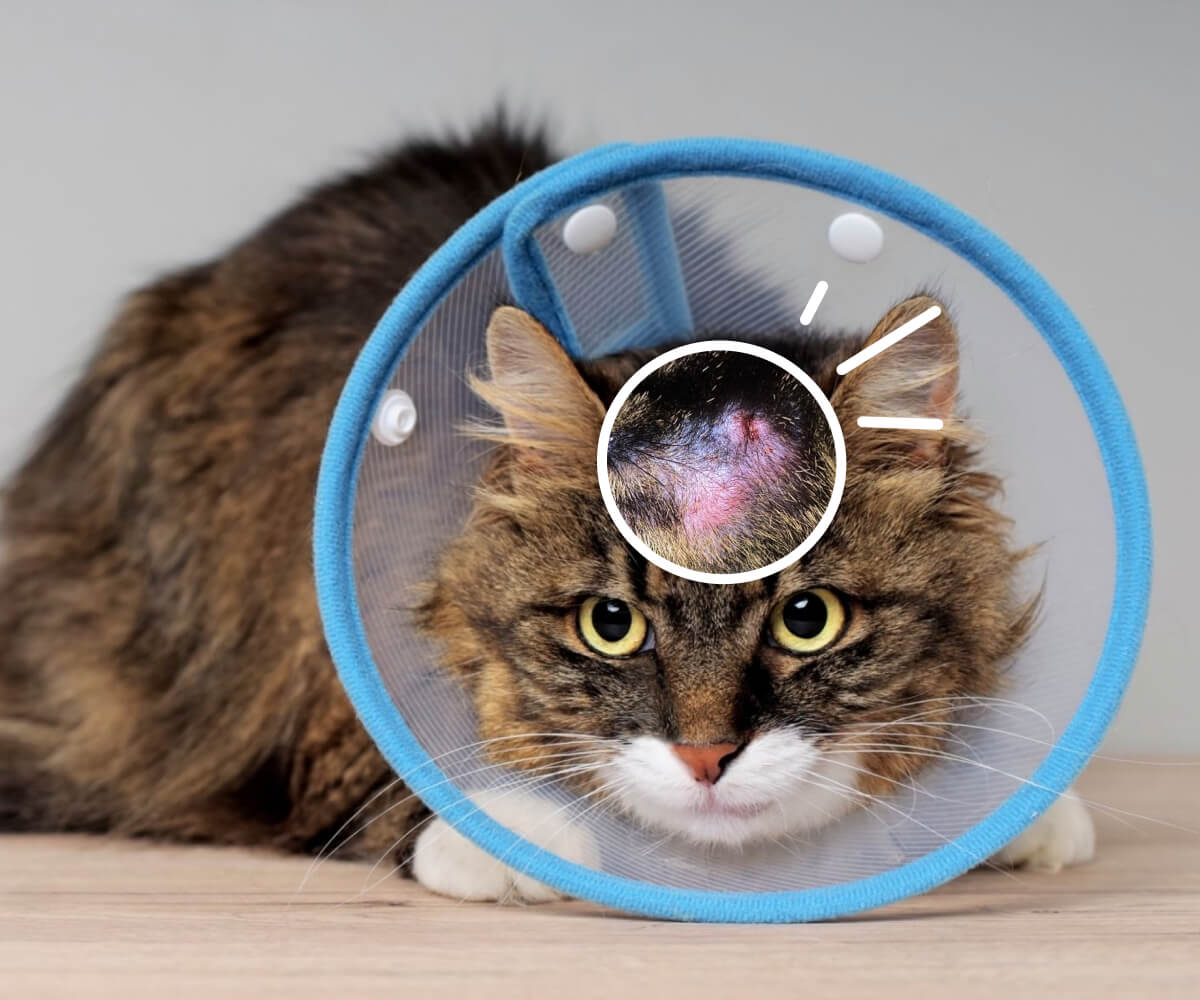
Most cats do not grow mold on their skin. What owners call “mold” is often a fungal skin infection. It may be ringworm, which is a dermatophyte, or yeast like Malassezia. Sometimes it is only environmental dust or mildew stuck to the coat.
If you search Will Antifungal Shampoo Kill Mold On Cats?, you may be seeing round patches, flakes, or hair loss. Ringworm is the most common cause. It spreads fast and sheds spores into your home. Yeast overgrowth can cause greasy skin and a musty smell. True molds rarely invade healthy cat skin, but spores can sit on fur.
A vet exam with a Wood’s lamp, cytology, or culture is best. It confirms the organism and guides care. Guessing can waste time and money. It can also spread the problem.
How antifungal shampoos work on feline skin
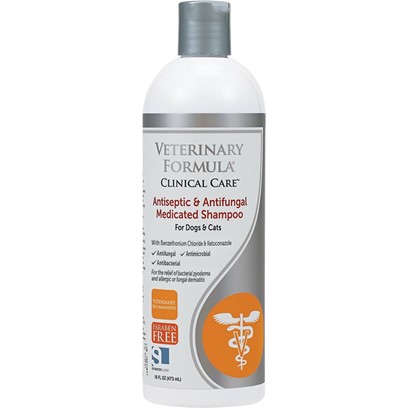
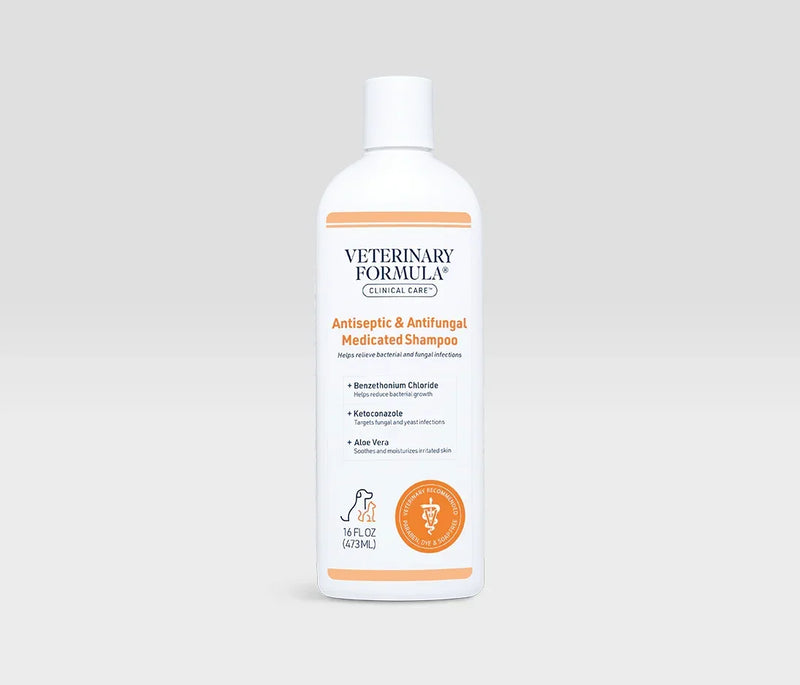
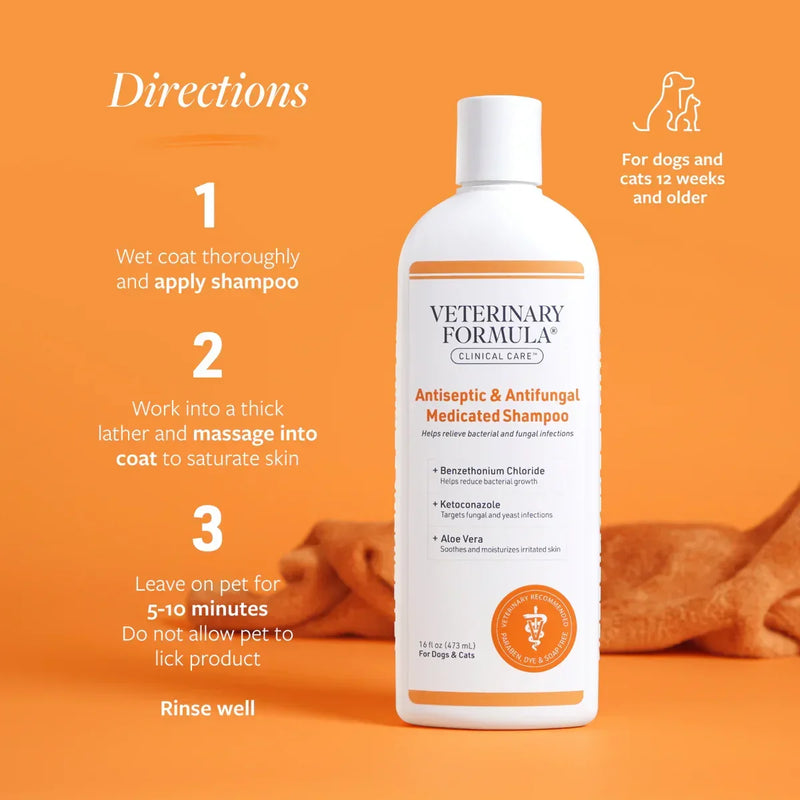
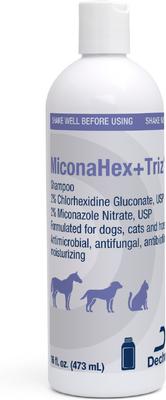
Antifungal shampoos carry active drugs that kill or stop fungal growth. Common actives include miconazole, ketoconazole, climbazole, and sometimes chlorhexidine for added punch. Lime sulfur dips are also used for ringworm. These actives disrupt fungal cell walls or block growth.
Shampoo can lower the fungal load on skin and hair shafts. This reduces shedding of spores into your home. For ringworm, that decontamination role is key. If you wonder Will Antifungal Shampoo Kill Mold On Cats?, the short answer is it helps a lot, but often as part of a plan.
Most products must sit on the coat for 5 to 10 minutes. Rinsing too fast cuts efficacy. Repeat use is needed. Follow label and vet advice.
When shampoo alone is enough, and when it is not
Shampoo alone may help with mild, localized yeast overgrowth. It can also help reduce ringworm spores on the coat. In early or light cases, you may see big progress with a good schedule.
For most ringworm cases, shampoo alone is not enough. You will likely need oral meds such as itraconazole or terbinafine. Your vet will choose based on the cat’s age and health. If you ask, Will Antifungal Shampoo Kill Mold On Cats?, know that it is a strong helper, not the solo hero.
Kittens, seniors, or immunocompromised cats need extra care. Household cleaning is also vital. Spores live on bedding, brushes, and floors. Pair baths with deep cleaning or you will chase the problem for weeks.

Step-by-step bathing protocol I use and recommend
Over the years, I have bathed dozens of ringworm fosters. This simple process works well and keeps stress low.
- Trim nails and brush out loose hair before the bath.
- Wear gloves and a long sleeve shirt to protect your skin.
- Wet the coat with lukewarm water. Keep water out of eyes and ears.
- Apply antifungal shampoo. Work it down to the skin.
- Set a timer for 10 minutes. Keep your cat warm and calm.
- Rinse well. Soap left behind can irritate skin.
- Pat dry with a clean towel. Do not share towels between pets.
- Clean the tub and your tools right away.
If you still wonder Will Antifungal Shampoo Kill Mold On Cats?, this routine shows how it fits in. Good technique boosts results. Poor contact time is the top reason shampoos seem to “fail.”
Safety, product choices, and what to avoid
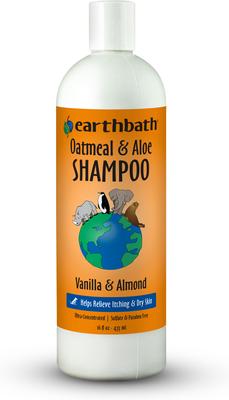
Choose a shampoo labeled for cats. Look for miconazole, ketoconazole, climbazole, or a miconazole plus chlorhexidine combo. Lime sulfur dips are very effective for ringworm and safe for many kittens when used as directed, though the smell is strong.
Avoid tea tree oil products for cats. Tea tree can be toxic even at low doses. Do not use human antifungal shampoos without vet input. Some contain selenium sulfide or solvents that can harm cats.
If Will Antifungal Shampoo Kill Mold On Cats? is your key question, pick a product made for cats and the right organism. Use it on a steady schedule, often 2 to 3 times per week at first. Stop if you see redness, sores, or major itching, and call your vet. The right product, used right, makes all the difference.
Home and environment decontamination matters
Shampoo lowers spores on the cat. Cleaning lowers spores in your home. You need both to win.
- Vacuum daily in high-traffic spots. Empty the canister outside.
- Wash bedding, blankets, and soft toys in hot water with bleach if safe for fabrics.
- Wipe hard floors with a dilute bleach solution as directed on the label.
- Replace or disinfect brushes and combs.
- Keep the cat to easy-to-clean rooms during treatment.
People ask Will Antifungal Shampoo Kill Mold On Cats? because they hope for a one-step fix. It is a two-front battle: skin and space. When both fronts get care, cases clear faster and stay clear.
How to tell it is working and when to see a vet
Watch for less itch, less odor, and fewer flakes. Hair should start to regrow in thin patches within a few weeks. New skin should look calm and pink, not red or crusted.
See a vet if lesions spread, if your cat seems ill, or if you see no change after two weeks. Cultures or PCR tests can confirm clearance in ringworm. If you still ask Will Antifungal Shampoo Kill Mold On Cats?, your vet can adjust the plan. Sometimes we add oral meds or switch actives.
Keep treating for the full course. Stopping early invites relapse. Many cases need 4 to 8 weeks of care.
Common mistakes I see and how to avoid them
I have made some of these mistakes too. Learning them saved me time and stress.
- Rinsing too soon. Set a timer for contact time.
- Skipping environmental cleanup. Spores bounce back fast.
- Using harsh human products. Cat skin is delicate.
- Bathing too rarely. Stick to the schedule your vet gives.
- Mixing products without guidance. Some actives clash or irritate.
Remember the core question: Will Antifungal Shampoo Kill Mold On Cats? It helps when you avoid these traps. Small changes in routine can double your results.
Frequently Asked Questions of Will Antifungal Shampoo Kill Mold On Cats?
Is ringworm a mold, and will shampoo fix it?
Ringworm is a dermatophyte fungus, not a true mold, but it behaves like one. Antifungal shampoo helps a lot, yet most cases also need oral meds and home cleaning.
How often should I bathe my cat with antifungal shampoo?
Most vets suggest two to three times per week at first. Follow label directions and your vet’s plan for duration.
Can I use human dandruff shampoo on my cat?
Do not use human products unless your vet says it is safe. Some contain ingredients that can harm cats or irritate skin.
How long until I see results?
You may see calmer skin in one to two weeks. Hair regrowth can take several weeks, and ringworm often needs a month or more of care.
Are lime sulfur dips better than antifungal shampoo?
Lime sulfur is very effective against ringworm spores on hair shafts. Many vets use it along with or instead of shampoo based on the case.
Can antifungal shampoo prevent spread to people?
It can lower spores on the coat and reduce risk. Still, wear gloves, wash hands, and clean the home to protect people, especially kids and seniors.
What if my cat hates baths?
Use a calm setup, warm water, and short sessions. Your vet may suggest wipes, rinses, or professional help if home bathing is not safe.
Conclusion
Antifungal shampoo can help kill and control fungal organisms on cats, but it works best as part of a full plan. Pair the right shampoo with proper contact time, vet-guided meds when needed, and strong home cleaning. That is how you solve the root problem and keep it from coming back.
Take the next step today. Book a vet check, pick a cat-safe antifungal, and set a simple bath and cleaning schedule. If this guide helped, share it with a fellow cat parent or leave a comment with your experience.

4 thoughts on “Will Antifungal Shampoo Kill Mold On Cats?: Vet-Safe Guide”