
Use a cat-specific, pH-balanced shampoo; never use human or dog products on cats.
Cats have unique skin needs, and the wrong wash can do real harm. In this guide, I answer What Shampoo Should I Use On My Cat? with depth and clarity. You will learn how to read labels, avoid risky ingredients, and choose safe options for kittens, seniors, and sensitive skin. I draw on years of working with vets and groomers, plus hands-on bathing of spicy felines, to give you steps that work in the real world.
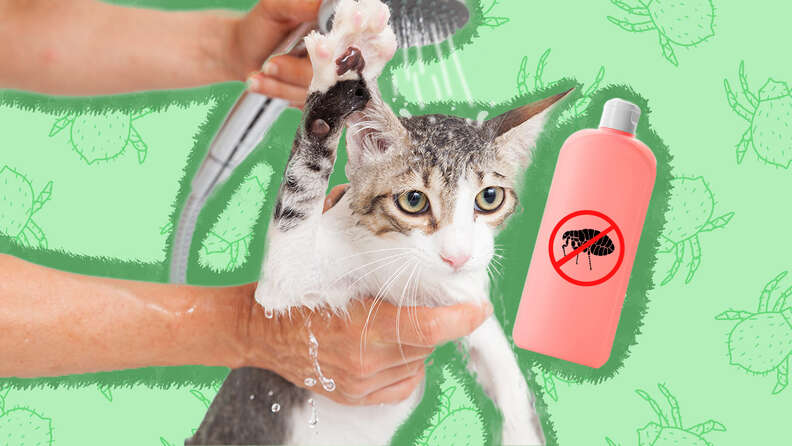
Why Cat Shampoo Matters: Skin, Coat, and pH
When you ask What Shampoo Should I Use On My Cat?, start with the skin. Cat skin is thinner and more neutral in pH than human skin. Human shampoo can strip oils and disrupt the skin barrier. That can lead to dry skin, itching, or infections.
A good cat shampoo supports the coat and the skin under it. It cleans without harshness. It rinses fast and leaves no residue the cat can ingest.
Key reasons to use cat-specific shampoo:
- It matches feline skin pH and reduces barrier damage.
- It avoids toxic ingredients common in human or dog products.
- It rinses clean to lower grooming-related ingestion risks.
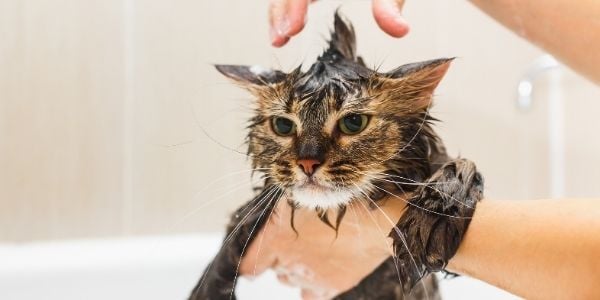
Types of Cat Shampoos and When to Use Them
The best way to answer What Shampoo Should I Use On My Cat? is to match the product to your cat’s needs. Start simple unless a vet says otherwise.
Common types:
- Gentle everyday shampoo. For light cleaning. Look for pH-balanced and fragrance free.
- Hypoallergenic shampoo. For sensitive or itchy skin. Often uses mild surfactants and soothing agents like oatmeal.
- Medicated shampoo. For infections or dermatitis. Examples include chlorhexidine for bacteria, miconazole or ketoconazole for fungi. Use under vet guidance.
- Flea and tick shampoo. Short-term help only. Many do not give lasting control. Use cat-safe products only, and follow up with vet-approved preventives.
- Waterless or foam shampoo. For cats who hate water or need quick spot cleaning.
- Kitten shampoo. Tearless and extra gentle. Use for kittens over eight weeks, unless a vet directs earlier use.
- Degreasing shampoo. For very oily coats or chin acne. Choose a feline-safe formula and limit use to avoid dryness.
- Conditioner or detangler. Helps long coats. Choose cat-safe, light conditioners. Avoid heavy scents.
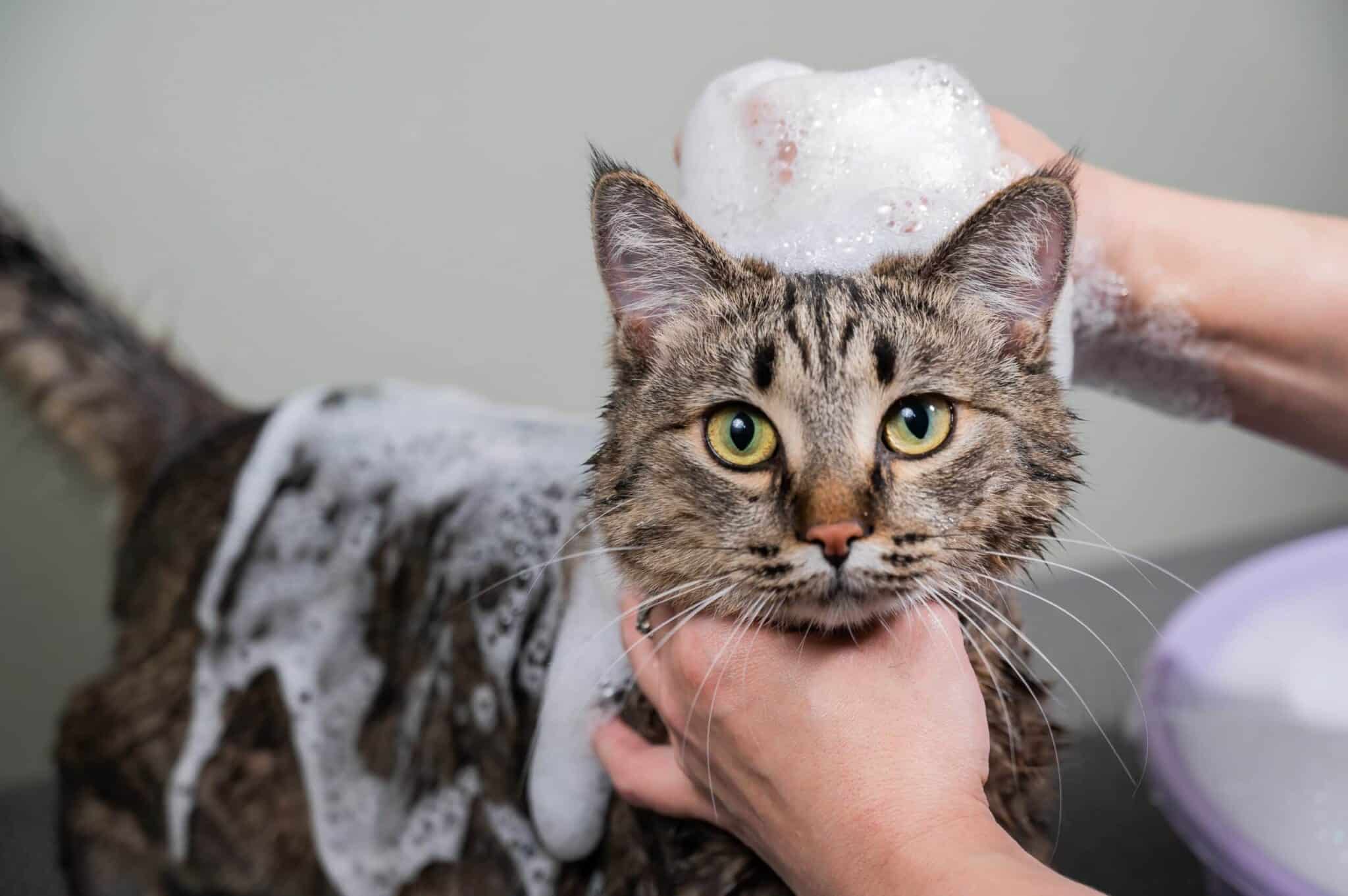
Ingredients To Look For And To Avoid
What Shampoo Should I Use On My Cat? starts with the label. Good shampoos use mild cleansers and skin-supporting agents. Avoid strong scents and harsh chemicals.
Helpful ingredients:
- Mild surfactants such as coco-glucoside or decyl glucoside
- Colloidal oatmeal for soothing
- Aloe vera gel from pure sources
- Glycerin or panthenol for moisture
- Ceramides and fatty acids to support the skin barrier
- Chlorhexidine or antifungal agents when prescribed
Ingredients to avoid:
- Human or dog shampoos
- Essential oils like tea tree, peppermint, eucalyptus, and citrus
- Permethrin and strong pyrethroids
- Harsh sulfates such as sodium lauryl sulfate
- Heavy perfumes and dyes
- Alcohols that dry the skin
- Coal tar and phenol-based agents
When in doubt, show the label to your vet. This is the safest way to resolve What Shampoo Should I Use On My Cat? for special cases.
Special Cases: Kittens, Seniors, Allergic Cats, and Longhairs
Kittens need extra care. If you wonder What Shampoo Should I Use On My Cat? for a young kitten, choose a kitten-specific, tearless shampoo. Keep them warm and dry fast. Under eight weeks, use a warm damp cloth unless a vet advises a bath.
Seniors may have stiff joints. Use a non-slip mat and warm water. Keep sessions short. Dry them well to avoid chills.
Allergic or sensitive cats need hypoallergenic shampoo. Patch test on a small area first. If redness or itching starts, stop and call your vet.
Longhaired cats need detangler and a wide-tooth comb. Brush before and after the bath. Use a light, cat-safe conditioner to prevent mats.
Step-by-Step: How To Bathe A Cat Without Drama
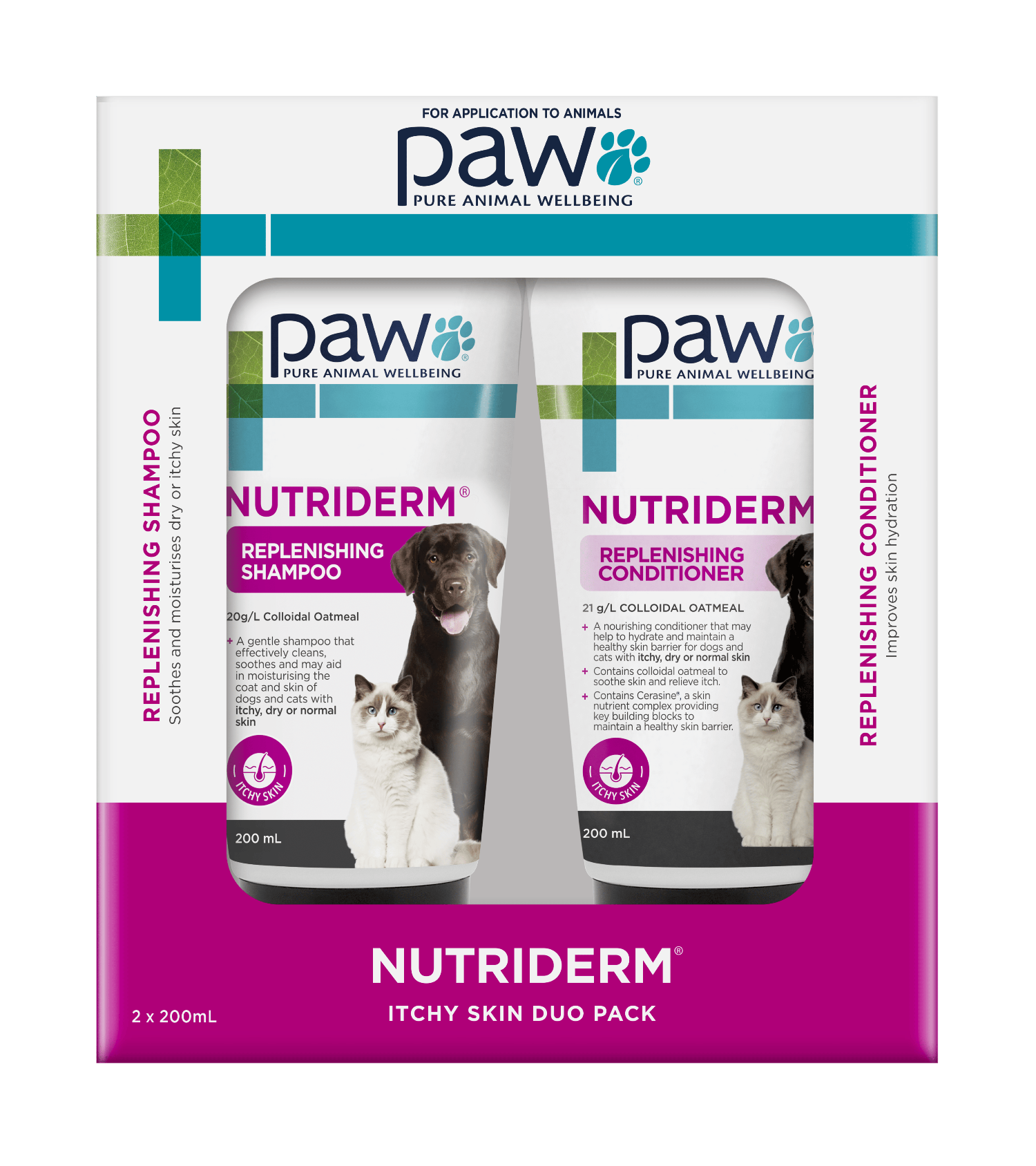
Many readers ask, What Shampoo Should I Use On My Cat? and how do I use it right? The product matters. Technique does too.
Follow these steps:
- Trim nails and brush out tangles before the bath.
- Set up a sink or tub with a non-slip mat.
- Use lukewarm water. Place a cotton ball in each ear to keep water out.
- Dilute shampoo as the label suggests. This helps it spread and rinse well.
- Wet the coat, avoiding the face. Apply shampoo from neck to tail.
- For medicated shampoos, respect contact time. Three to ten minutes is common per label.
- Rinse well until water runs clear. Rinse again for good measure.
- Wipe the face with a damp cloth only.
- Towel dry in a warm room. Offer treats to build positive memories.
Frequency tips:
- Healthy indoor cats need full baths rarely. Bathe only when dirty, greasy, or if a vet advises it.
- Oily coats, allergies, or skin issues may need a set schedule from your vet.
Safer Alternatives To Full Baths
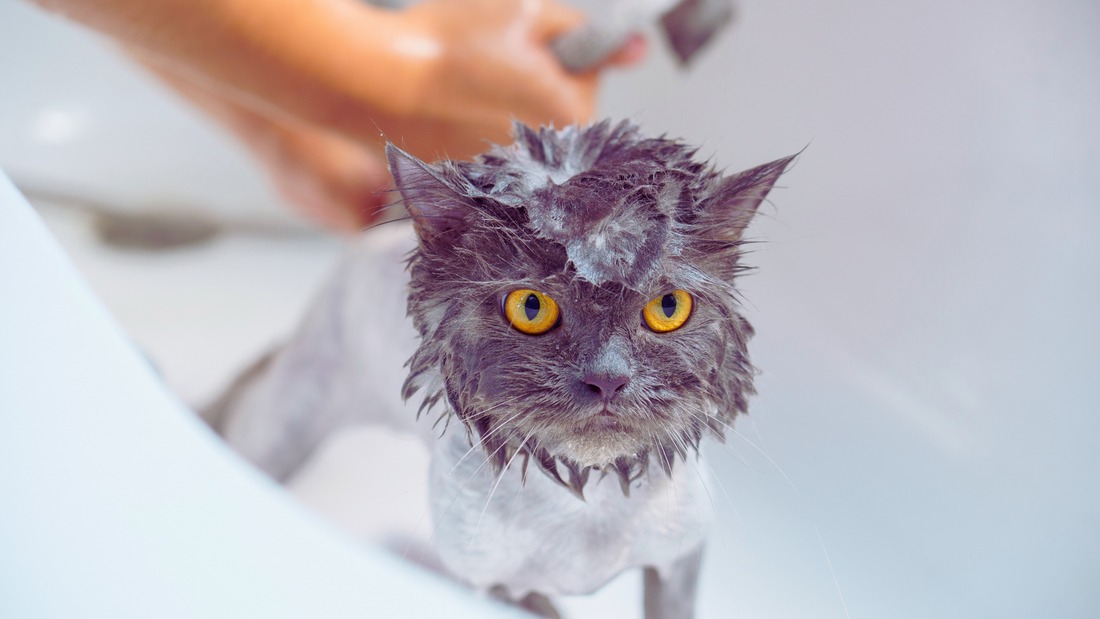
Sometimes What Shampoo Should I Use On My Cat? is really, can I avoid a bath? Often, yes.
Helpful options:
- Cat-safe grooming wipes for paws and fur
- Waterless foam shampoo for quick touch-ups
- Spot cleaning with a damp microfiber cloth
- Regular brushing to remove loose hair and dander
- Diet and humidity tweaks to reduce dandruff
For fleas, ask your vet for topical or oral preventives. Flea shampoos alone will not solve an infestation in most homes.
Real-World Examples And Mistakes To Avoid
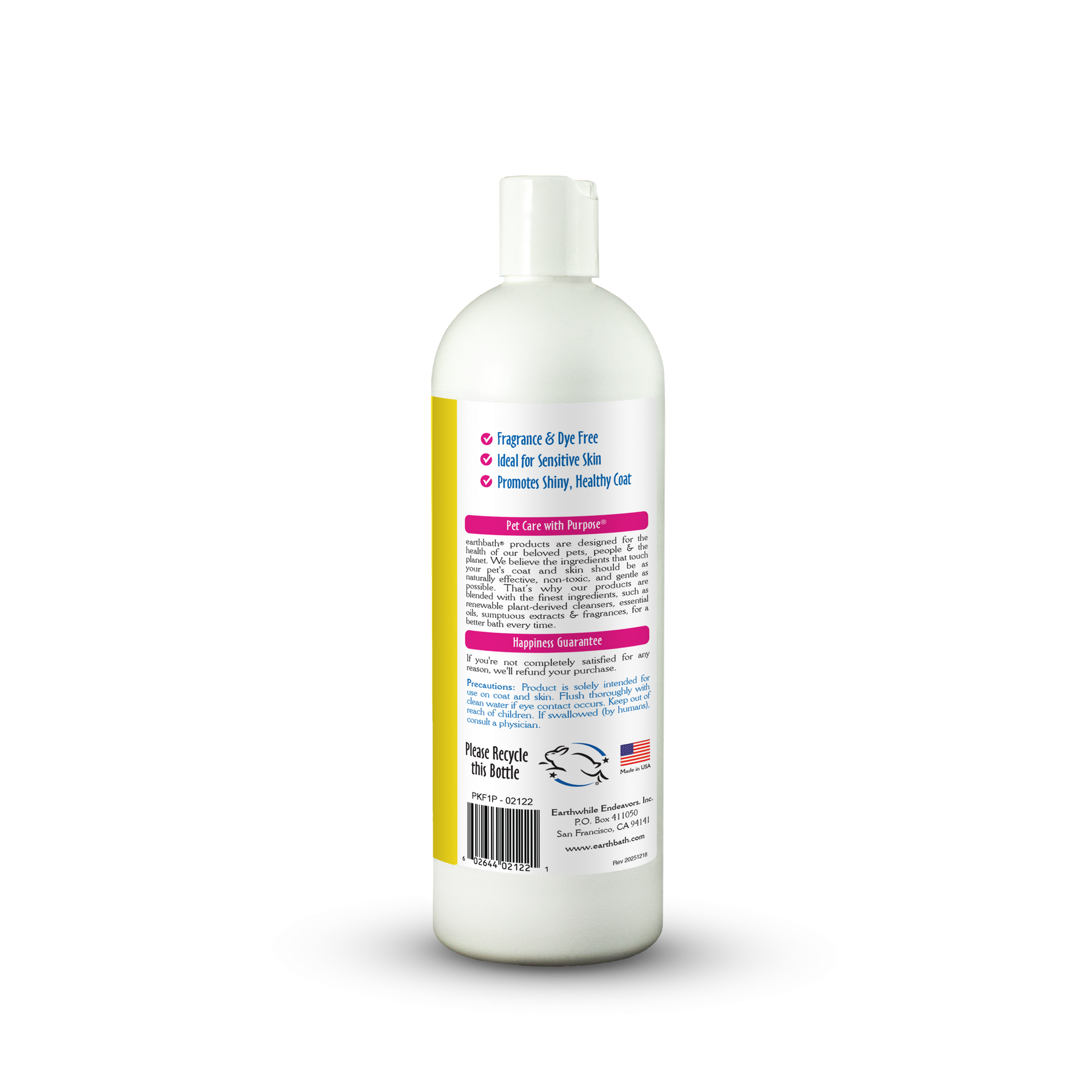
My most common call starts with, What Shampoo Should I Use On My Cat? The next line is often a problem I see again and again.
Lessons learned:
- Do not use dog flea shampoo on cats. I have seen permethrin toxicity. Cats can drool, twitch, or worse. Seek emergency care if this happens.
- Skip human baby shampoo. It seems gentle, but it can dry feline skin. I have seen dandruff and itching within days.
- Respect contact time for medicated shampoos. A cat with ringworm improved only after the owner timed the soak and rinsed well.
- Rinse more than you think you need. Leftover suds lead to licking and stomach upset.
- Keep baths short. Prepare everything first. Quick, calm sessions reduce stress for both of you.
These simple habits answer What Shampoo Should I Use On My Cat? in practice, not just on paper.
Product Selection Checklist
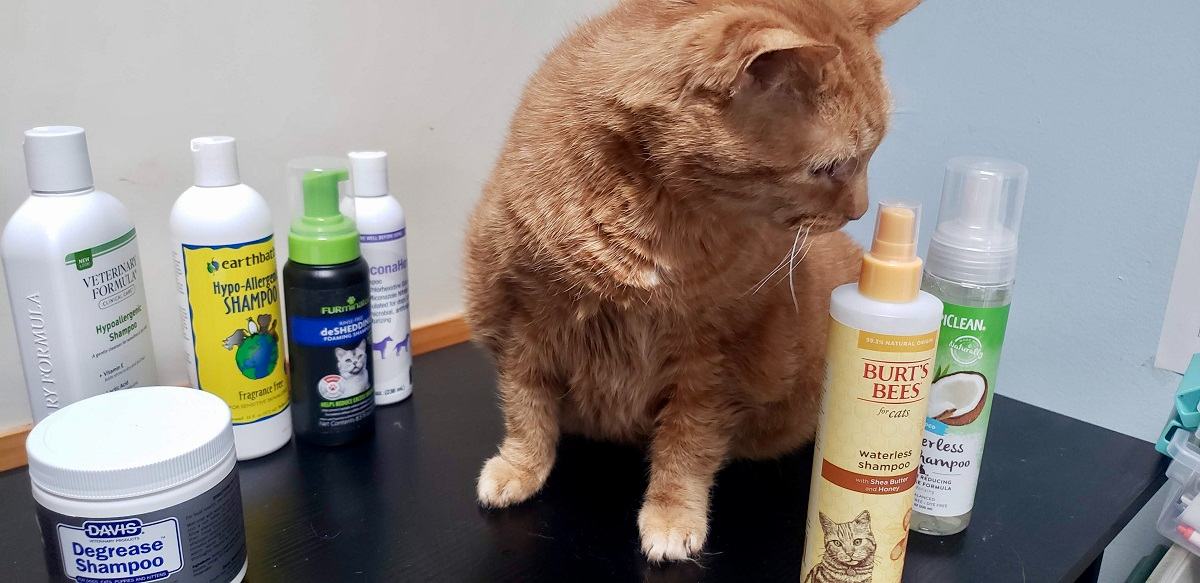
Use this list to pick with confidence when asking What Shampoo Should I Use On My Cat?
Look for:
- Label says for cats or for cats and kittens
- Clear, simple ingredient list with mild surfactants
- Fragrance free or very light scent
- pH-balanced for cats
- No essential oils, dyes, or harsh sulfates
- Batch number and a way to contact the maker
- Clear directions and safety notes
If your cat has medical issues, your vet’s choice beats any over-the-counter pick.

Frequently Asked Questions of What Shampoo Should I Use On My Cat?
Can I use human shampoo or baby shampoo on my cat?
No. Human shampoos have a different pH and can strip oils. They can cause dryness, itching, or irritation.
Is dish soap safe for emergency degreasing?
Use only in a true emergency and only once. It is very drying, so follow with a cat-safe routine and ask your vet.
How often should I bathe my cat?
Most healthy indoor cats do not need regular baths. Bathe as needed for dirt, grease, or a vet-advised skin plan.
What Shampoo Should I Use On My Cat? if my cat has fleas?
Use a cat-safe flea shampoo only for quick relief. For lasting control, your vet will suggest a topical or oral preventive and home treatment.
What Shampoo Should I Use On My Cat? for sensitive or itchy skin?
Choose a hypoallergenic, fragrance-free cat shampoo with soothing agents like oatmeal. If itching persists, see your vet.
Can I use conditioner on my cat?
Yes, if it is cat-safe and light. Avoid heavy scents and rinse well to reduce residue.
What Shampoo Should I Use On My Cat? for ringworm or skin infection?
Use a medicated cat shampoo only as prescribed. Follow contact time and rinse rules exactly.
Conclusion
Choosing the right wash is simple when you match needs to labels. Use a cat-specific, pH-balanced product, avoid risky ingredients, and follow calm, clear steps. When in doubt, ask your vet and keep your routine gentle.
Act now by checking your current products and setting up a stress-free bath plan. If this guide helped you answer What Shampoo Should I Use On My Cat?, share it with a fellow cat parent, subscribe for more care tips, or leave a question for me to cover next.
