
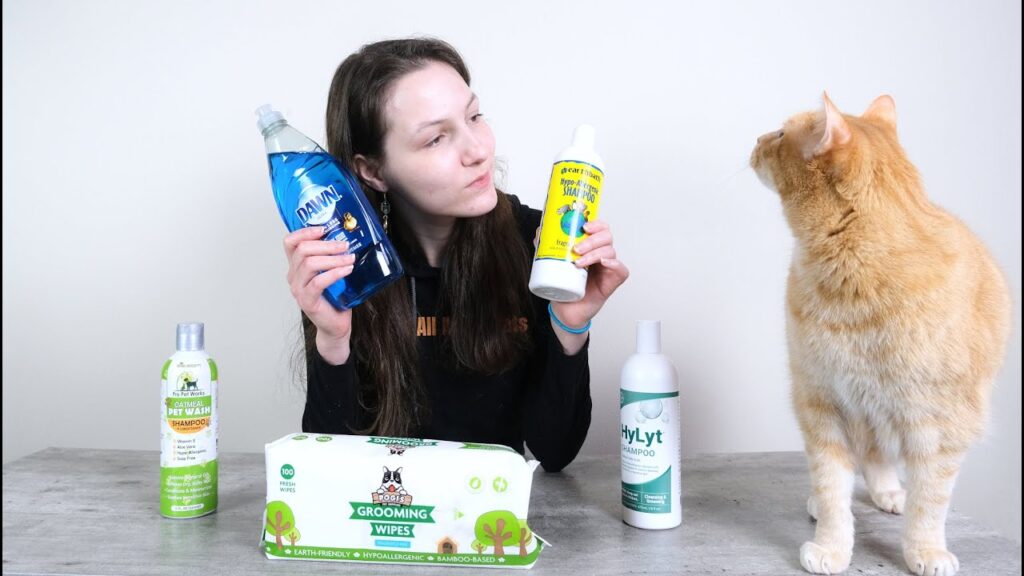
The best shampoo for cats is a mild, pH-balanced, fragrance-free feline formula.
If you have ever asked What Is The Best Shampoo For Cats?, you know the answer is not simple. Skin type, coat, age, and health all matter. In this guide, you will get trusted, vet-aligned advice with clear steps and real-world tips. Read on to learn how to pick, use, and get the most from the best cat shampoo for your pet.
:strip_icc()/Spruce-the-best-cat-shampoos-5248818-1293326dc5454420b91b5cf71e503568.jpg)
How to decide what is the best shampoo for cats
If you want a clear way to judge What Is The Best Shampoo For Cats?, start with skin safety. Cat skin is thinner than human skin. It needs a mild, soap-free formula with a feline pH.
Key factors to check on the label:
- pH balanced for cats Cat skin sits near neutral. Human shampoo is too harsh.
- Soap-free, sulfate-mild Use gentle surfactants like coco glucoside or sodium cocoyl isethionate.
- Fragrance-free or very light scent Strong perfume can stress cats and irritate skin.
- Dye-free and alcohol-free Extra color and drying alcohols add risk without benefit.
- Hypoallergenic base Short, simple ingredient lists lower the odds of a reaction.
- Vet guidance for medicated use Only use antifungal or antibacterial shampoos with a prescription.
- Safety for species Never use dog-only products. Some dog flea shampoos contain permethrin, which is toxic to cats.
If you follow these rules, you are close to what is the best shampoo for cats in daily life. This is the base that keeps skin calm, clean, and soft.

Types of cat shampoos and when to use each
There is no one bottle that fits all cats. What Is The Best Shampoo For Cats? shifts with coat type and skin needs. Choose the right class for the job.
- Everyday gentle shampoo Good for normal skin. Look for pH-balanced, soap-free, and fragrance-free.
- Hypoallergenic shampoo Best for sensitive or itchy cats. Few ingredients. No dyes or scents.
- Waterless shampoo foam or spray Good between full baths or for bath-averse cats. Wipe off dirt and dander. Pick feline-safe, low-residue options.
- Medicated shampoo For yeast, bacteria, mites, or heavy dandruff. Common actives include chlorhexidine or miconazole. Use only if your vet says so, and follow contact time.
- Kitten shampoo Very mild and tear-safe. Choose a formula made for kittens six weeks and up. Keep baths short and warm.
- Conditioner or detangler For long coats or mats. Use silicone-light or silicone-free to avoid buildup. Rinse well.
Match the type to the task. That is how you land on what is the best shampoo for cats in your home.

Best shampoo for cats by common scenarios
The right pick depends on the problem you want to fix. Use this quick map to guide your choice when asking What Is The Best Shampoo For Cats? for your case.
- Dull coat or light dirt Choose a mild, fragrance-free everyday shampoo.
- Itchy skin with no sores Use a hypoallergenic formula. Patch test on a small area first.
- Greasy coat or “stud tail” Pick a gentle degreasing, soap-free shampoo. Avoid harsh sulfates.
- Dandruff with mild flaking Try a moisturizing hypoallergenic shampoo. If flakes persist, ask your vet.
- Suspected yeast or bacterial hot spots See your vet for a medicated formula. Do not guess with actives.
- Fleas or ticks Use cat-safe products only. Avoid permethrin. Coordinate with a vet-prescribed topical flea control.
- Long-haired breeds Use a gentle shampoo plus a light conditioner. Rinse extra well to avoid residue.
- Seniors or health issues Prefer waterless or partial baths to reduce stress. Keep the room warm and quiet.
If a symptom is new, severe, or has odor, see a vet first. Then ask again, with guidance, What Is The Best Shampoo For Cats? for this diagnosis.
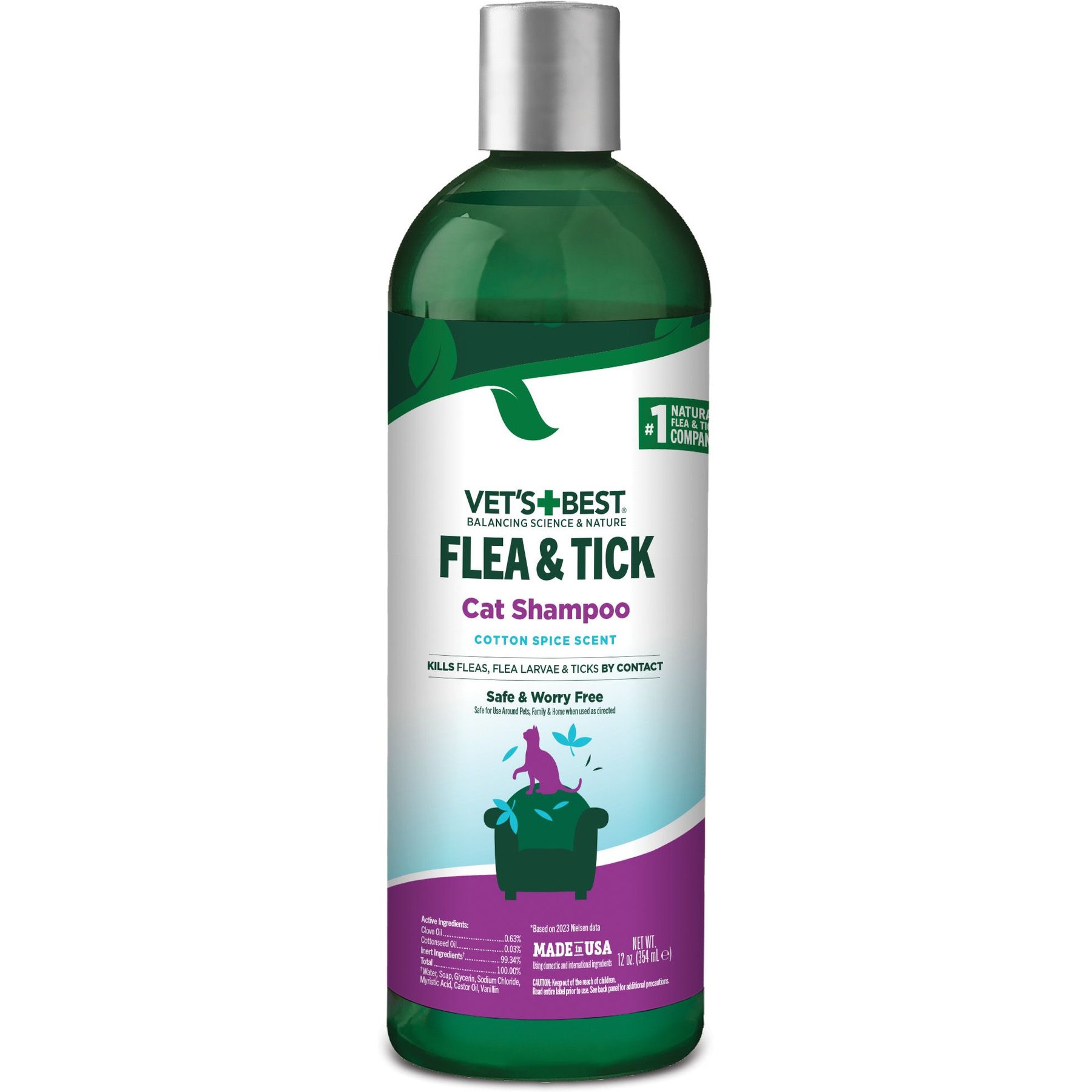
Ingredients to seek and avoid
Labels tell a story. When you scan one, you can spot what is the best shampoo for cats with a few simple rules.
Ingredients to seek:
- Mild cleansers Coco glucoside, decyl glucoside, sodium cocoyl isethionate.
- Humectants Glycerin, panthenol, aloe vera gel for moisture.
- Soothers Colloidal oatmeal can help dry skin. If yeast is suspected, ask your vet first.
- Fatty acids Safflower, sunflower, or coconut-derived emollients support the skin barrier.
Ingredients to avoid:
- Essential oils Strong oils like tea tree, peppermint, clove, or citrus can be toxic or irritating.
- Phenols and coal tar Too harsh for most cats.
- Strong sulfates Sodium lauryl sulfate can strip natural oils.
- Heavy perfumes and dyes These raise the risk of flare-ups and stress.
- Permethrin or dog-only pesticides Never safe for cats.
When in doubt, choose simple formulas. Simple often wins the race for what is the best shampoo for cats with sensitive skin.
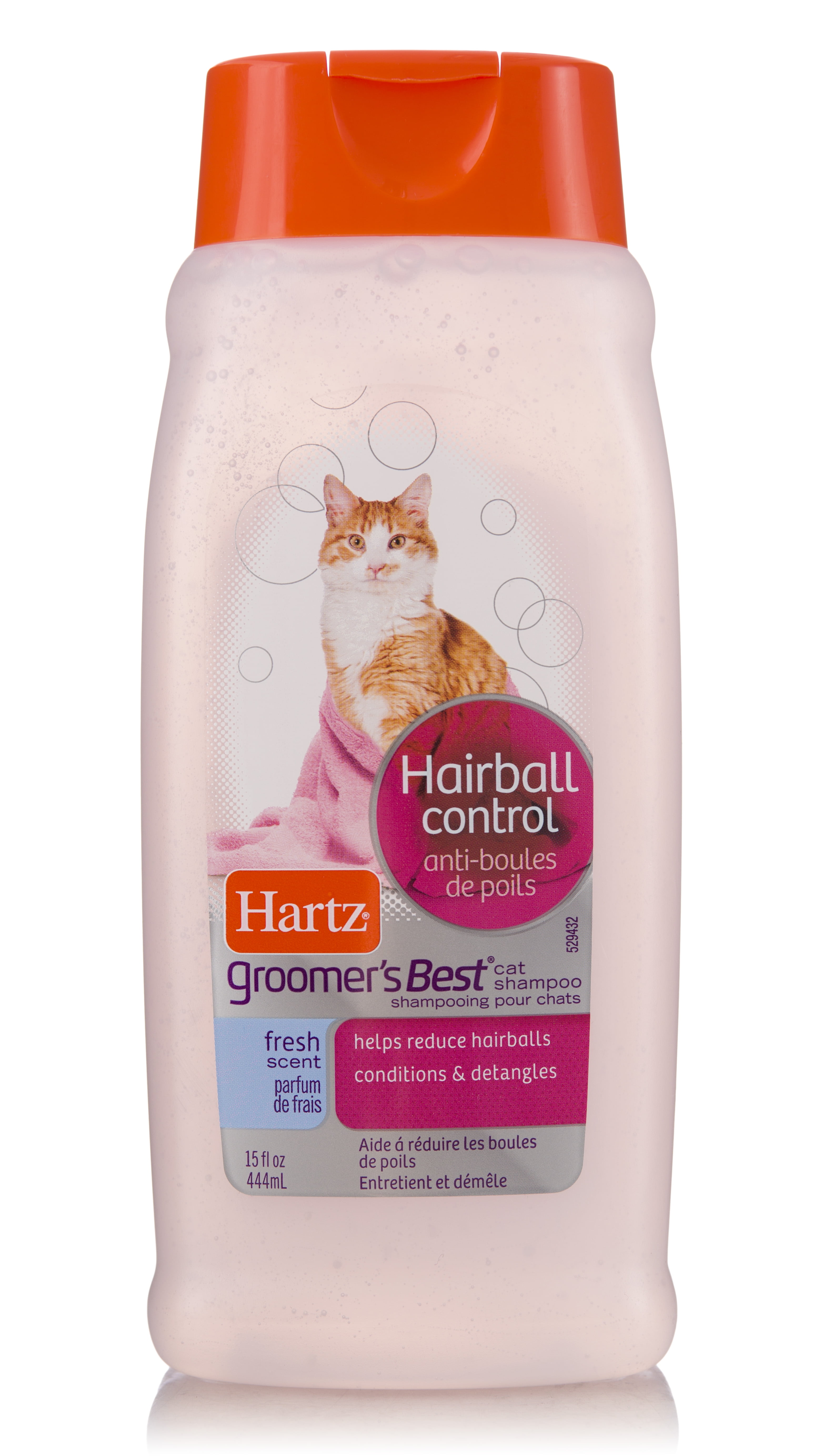
How to bathe a cat safely and stress-free
A good product can still fail if the bath is rough. Technique matters as much as the bottle when you choose What Is The Best Shampoo For Cats?
- Prep the room Warm, quiet space. Close doors. Lay two towels. Place a non-slip mat in the sink or tub.
- Brush first Remove loose hair and small mats. This makes washing faster and easier.
- Use lukewarm water Test with your wrist. Cats feel heat faster than we do.
- Dilute the shampoo Mix in warm water as directed. It spreads better and rinses faster.
- Wash from neck to tail Keep the head dry. Massage gently. Follow the label’s contact time if medicated.
- Rinse, rinse, rinse Residue is a top cause of itch after a bath. Rinse until water runs clear.
- Dry with towels Pat, do not rub hard. Use a low, cool blow-dryer only if your cat is calm.
- Reward after Feed a favorite treat. End on a positive note.
This calm routine helps any product do its best. It also supports your goal of what is the best shampoo for cats in practice, not just on paper.

Grooming between baths: low-stress options
Many cats do not need full baths often. Between-bath care keeps skin happy and reduces stress while you decide What Is The Best Shampoo For Cats? long term.
- Regular brushing Removes loose hair and spreads natural oils. Choose a soft slicker or grooming glove.
- Waterless foam or wipes For quick cleanups. Pick feline-safe, fragrance-free options.
- Spot cleaning Use a damp microfiber cloth for paws, rear, or food stains.
- Humidify dry rooms Dry air can cause flakes. A humidifier can help in winter.
- Nutrition and hydration A balanced diet and steady water intake support skin from within.
Small daily habits beat big, rare grooming marathons. They keep coat health on track.
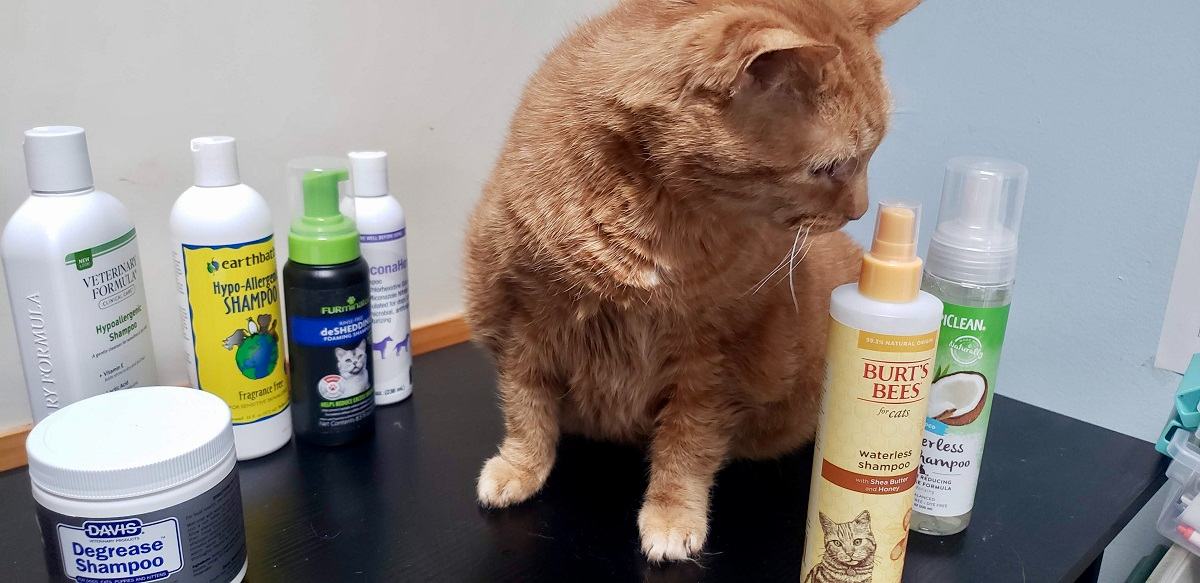
Common mistakes to avoid
Even the best product can go wrong if used the wrong way. Avoid these pitfalls when you weigh What Is The Best Shampoo For Cats?
- Using human or dog shampoo pH and ingredients are not safe for cats.
- Choosing strong scents Cats have a powerful nose. Heavy perfume can stress them.
- Skipping the patch test Try a small area first, then wait 24 hours.
- Rushing the rinse Residue leads to itch and flakes.
- Over-bathing Most indoor cats need baths rarely. Too many baths dry the skin.
- DIY mixes with essential oils These can harm cats even in small doses.
Steer clear of these traps. Your cat will thank you with a calm coat and clear skin.
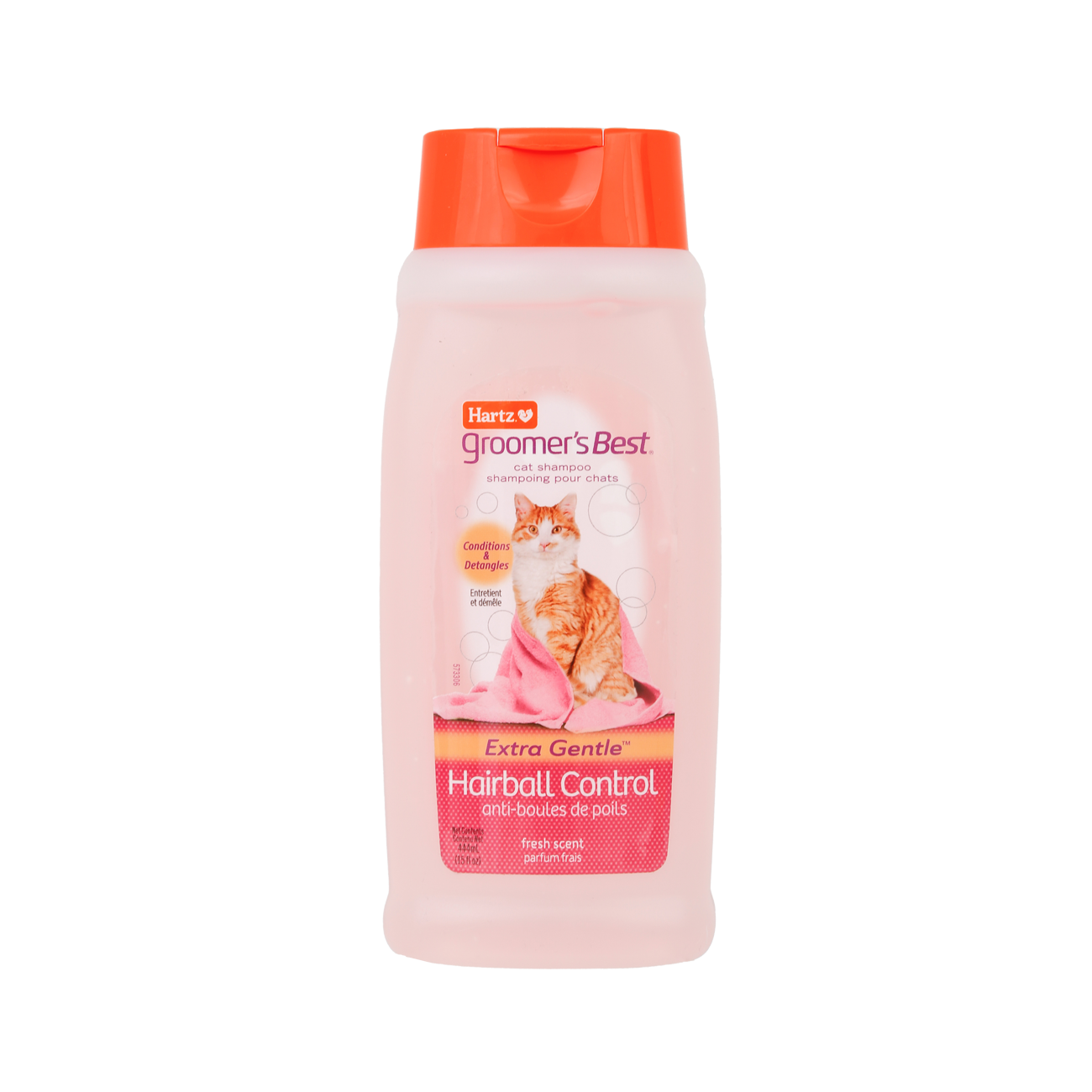
Buying checklist and label red flags
Here is a quick way to scan a shelf or an online page and spot what is the best shampoo for cats.
What to look for:
- Cat-specific label with pH balanced stated.
- Soap-free, sulfate-mild cleansers.
- Fragrance-free or very light fragrance.
- Short, clear ingredient list.
- Contact time and rinse instructions that are easy to follow.
- Vet-approved status for medicated products.
Red flags:
- Dog-only claims or permethrin listed.
- Bold perfumes, dyes, or “deodorizing power” hype.
- Vague ingredient terms with no full list.
- “All-natural essential oil blend” with no details.
Use this list each time you shop. It keeps your choice of What Is The Best Shampoo For Cats? simple and safe.

Practical tips that work in the real world
Good grooming is part science, part calm routine. These small steps help you get more from any choice you make about What Is The Best Shampoo For Cats?
- Trim nails the day before a bath. This reduces stress for you and your cat.
- Warm the shampoo bottle in a cup of warm water for one minute. Warm product spreads better.
- Use a squeeze bottle to dilute and apply. You get even coverage with less waste.
- Keep cotton balls for the ears. Place them gently to block splash, then remove at once after the bath.
- Log reactions. Note any redness or scratching after a new product. Share this with your vet if needed.
These steps support healthy skin and a smooth bath day. They also help you fine-tune what is the best shampoo for cats in your home.
Frequently Asked Questions of What Is The Best Shampoo For Cats?
Can I use human shampoo on my cat?
No. Human shampoo is not pH-balanced for cats and can strip skin oils. This may cause dryness, itch, or rashes.
How often should I bathe my indoor cat?
Most indoor cats need a bath only when dirty, sticky, or smelly. Many do fine with brushing and spot cleaning for months at a time.
Are scented shampoos bad for cats?
Strong scents can irritate skin and stress cats. Pick fragrance-free or very light, feline-safe options.
What should I do if my cat has fleas?
Ask your vet for a full flea plan. Use only cat-safe shampoos and avoid permethrin products made for dogs.
Is oatmeal shampoo safe for cats?
Yes, for many dry or itchy cats. If your cat has yeast issues, check with your vet before using oatmeal.
Do I need a conditioner for my long-haired cat?
A light, feline-safe conditioner can help with tangles and mats. Rinse very well to prevent buildup.
What if my cat hates baths?
Use waterless foam or wipes and brush more often. Keep bath time short and calm, and reward after.
Conclusion
The best shampoo for cats protects the skin barrier, cleans gently, and keeps stress low. Choose a feline pH-balanced, soap-free, fragrance-free formula. Match the type to your cat’s coat and any skin needs, and follow a calm, thorough rinse routine.
Use the checklists in this guide to make a smart choice today. If you still wonder What Is The Best Shampoo For Cats? for your unique case, ask your veterinarian for a tailored pick. Ready to help other cat parents? Share your experience, subscribe for more pet care guides, or leave a question below.
