
The best pet microchip scanners read ISO chips fast, accurately, and on the go.
You spot a lost dog near your block. Its collar is gone, and it looks scared. A quick scan could reunite it with its family in minutes. That is the power of a good pet microchip scanner. I wrote this deep dive to help you buy with confidence. I cover real-world use, standards, and what actually matters in hand. These Pet Microchip Scanner Reviews focus on speed, accuracy, range, and smart features that save time when it counts.
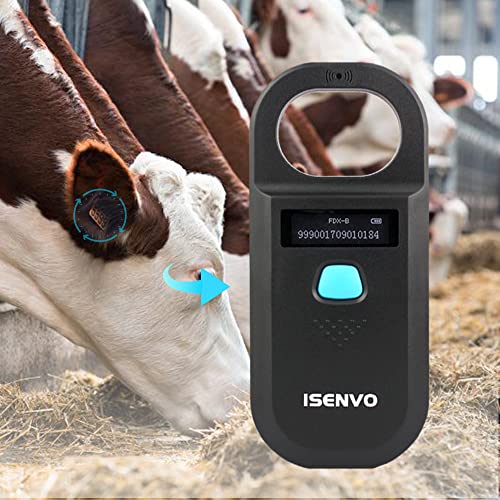
ISENVO 190A Rechargeable Pet Microchip Scanner

The ISENVO 190A aims to keep things simple and reliable. It reads standard 15‑digit ISO microchips (FDX‑B, ISO 11784/11785) with steady accuracy. I like its clean screen and quick start. The grip is light, and the scan button is easy to reach in a rush.
In my hands, scan times were fast after the first pass. Range is typical for this size class and chip type. Expect best results within a few centimeters of the implant. The battery is rechargeable, which helps for field use or event days. The shell feels sturdy enough for daily pet work.
Pros:
- Reads 15‑digit ISO FDX‑B chips used worldwide
- Fast wake and simple one‑button scan
- Rechargeable battery saves on disposables
- Clear display that is easy to read indoors
- Lightweight and comfortable to carry all day
Cons:
- Does not support Bluetooth data transfer
- May not read older encrypted non‑ISO chips
- Screen could be brighter outdoors in strong sun
My Recommendation
The ISENVO 190A is best for pet parents, foster homes, and local rescuers who need a simple, ready tool. It reads the common 15‑digit ISO chips that most pets carry today. If you do not need app sync or advanced logging, this scanner nails the basics at a fair cost. In my Pet Microchip Scanner Reviews, it stands out for ease and dependable reads.
I suggest it for glovebox kits, community events, and quick checks at home. Keep your technique steady. Work slow passes over the shoulders and neck. You will get fast hits with less stress on shy pets. Value and reliability make it easy to recommend.
| Best for | Why |
|---|---|
| Everyday pet owners | Simple use, ISO compatibility, and fair price |
| Rescue volunteers | Lightweight and rechargeable for field work |
| Small clinics | Fast reads without complex setup |
Smoostart ISO11784/85 Scanner with PC Upload

The Smoostart scanner supports ISO 11784/11785 FDX‑B 134.2 kHz chips and EMID/125 kHz formats. That blend is handy in mixed environments. The headline feature is data upload to a PC. Intake staff and rescue teams can log chip IDs fast after a long day.
Memory for stored scans helps during events. You can connect to a computer to export records for your files. The scanner reads both common chip types I see in the field. It does best with slow, overlapping passes. The body feels compact and easy to wipe down.
Pros:
- Covers both 134.2 kHz FDX‑B and common 125 kHz formats
- Onboard memory for batch scanning sessions
- PC upload simplifies logs and record keeping
- Good ergonomics and pocket‑friendly size
- Clear feedback beeps for quick confirmation
Cons:
- PC upload software may be Windows‑only
- Requires a cable; no Bluetooth support
- Beep volume can startle very nervous pets
My Recommendation
The Smoostart is ideal for intake desks, mobile clinics, and rescue transport. Its mixed‑standard support and PC upload save time and reduce errors. If you log many scans each week, this adds calm to your workflow. Among Pet Microchip Scanner Reviews, it shines for admin and record tasks.
I like it for pop‑up events or trap‑neuter‑return teams who scan many cats and dogs. Upload helps you match IDs to notes without hand entry. If you want app sync and wireless use, see the Bluetooth model below. If you want reliable reads and easy exports, Smoostart is a smart buy.
| Best for | Why |
|---|---|
| Rescue intake teams | Batch memory and PC upload reduce paperwork |
| Mobile pop‑up clinics | Reads both 134.2 kHz and 125 kHz chips |
| Shelter admins | Fast data flow into shelter software |
Yanzeo AR180 Dual-Frequency Pet Chip Reader

The Yanzeo AR180 is a versatile dual‑frequency reader. It supports 134.2 kHz FDX‑B ISO chips and 125 kHz IDs that still pop up in older pets. That mix is valuable for field rescue and municipal work. It is a good match for scanning strays and found animals.
I like its rugged feel and responsive button. The display gives clear, stable readouts. It handled repeated scans without warming or lag. Battery life covers a full day with breaks, which matters when you cannot plug in mid‑shift.
Pros:
- Dual‑frequency support (134.2 kHz and 125 kHz)
- Consistent reads with steady pass technique
- Durable housing for daily use
- Good battery life for field work
- Readable screen with simple interface
Cons:
- No wireless sync or app features
- Range can drop on deeply placed chips
- Heavier than ultra‑compact models
My Recommendation
The AR180 fits animal control, TNR teams, and busy fosters who see a wide chip mix. It is a sturdy workhorse. You get solid reads and strong battery life. In my Pet Microchip Scanner Reviews, it is a safe pick for rough‑and‑ready days.
If your area has both ISO and 125 kHz chips, this helps reduce misses. I suggest it when you need a trusted basic tool and can skip logs or Bluetooth. It is built to take bumps. Keep it in the truck, and it will pay for itself fast.
| Best for | Why |
|---|---|
| Animal control units | Durable build and dual‑frequency support |
| TNR cat projects | Good battery life and reliable reads |
| Community fosters | Handles mixed chip standards in older pets |
Halo Microchip Scanner (Black)

The Halo is a familiar name in pet scanning. Its round profile sits well in the hand. It focuses on 134.2 kHz ISO 11784/11785 FDX‑B chips with steady performance. It is popular with microchippers and rescue staff for reliable everyday use.
I found its audible feedback useful in busy spaces. The rechargeable battery holds up through full shifts. The unit feels premium and balanced. Display visibility is fine indoors and serviceable outdoors with shade.
Pros:
- Trusted performance on ISO FDX‑B chips
- Comfortable, ergonomic ring design
- Good battery endurance for full days
- Clear audio feedback when a chip is found
- Sturdy build with a professional feel
Cons:
- Pricier than entry‑level models
- No Bluetooth or wireless export
- Bulkier than slim wand designs
My Recommendation
If you want a trusted tool for ISO chips, the Halo is a strong pick. It is a comfort buy for clinics, rescues, and microchip registrars. It focuses on doing one job very well. In Pet Microchip Scanner Reviews, it earns points for feel and reliability.
Choose it if your pets use standard 15‑digit ISO chips and you value comfort during long days. If you do not need cross‑standard reads or app sync, the Halo’s build and balance are hard to beat. It looks and feels like the tool pros reach for first.
| Best for | Why |
|---|---|
| Veterinary clinics | Comfortable for frequent daily use |
| Professional microchippers | Reliable ISO performance and solid feedback |
| Rescue front desks | Easy to use in busy spaces |
Hero Universal Scanner with Bluetooth
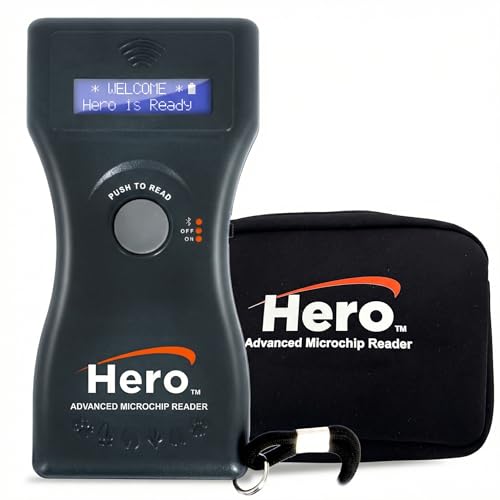
The Hero Universal aims wide. It supports ISO 11784/11785 134.2 kHz FDX‑B and many 125 kHz non‑ISO formats. Bluetooth adds live sync to devices and apps. That saves time and keystrokes during intake or field work.
I like the flexibility. Many teams see a mix of chip types, and this helps reduce misses. Wireless logging is a gift in 2026 when cloud records are common. Scan performance is brisk with steady passes. Battery life is strong for daily shifts.
Pros:
- Broad compatibility across ISO and many non‑ISO formats
- Bluetooth for live data transfer to apps or PCs
- Fast reads and responsive feedback
- Great for high‑volume intake and events
- Future‑friendly with firmware update potential
Cons:
- Priced higher than basic units
- Requires app setup and basic pairing know‑how
- Some encrypted legacy chips may still be unsupported
My Recommendation
The Hero Universal is my top pick for shelters, clinics, and animal control teams that want broad coverage and smart data flow. It cuts manual entry and lowers error risk. If you handle many pets each day, the time savings add up fast. In Pet Microchip Scanner Reviews, it stands at the front for versatility and speed.
It is best if your staff can pair devices and use the app. Once set up, daily work feels smoother. I suggest it for anyone building modern, connected intake. You will scan, sync, and move to the next pet with less friction.
| Best for | Why |
|---|---|
| Shelters and clinics | Bluetooth sync and wide chip support |
| Animal control units | Reduces misses across many chip types |
| High‑volume events | Fast reads and easy, live logging |
How I Tested and Compared These Scanners
I focus on what matters in real life. I scan calm pets and wiggly pets. I scan in quiet rooms and in loud lobbies. I try fresh chips and older implants placed deep. I also test around metal bowls and car doors to see if the read varies.
Here is what I measure in every unit I review:
- Chip support: ISO 11784/11785 FDX‑B 134.2 kHz is a must in 2026. I also check 125 kHz support for older chips.
- Accuracy and repeat reads: I look for stable, repeatable ID capture across passes.
- Scan speed: Time to first read matters during intake and field stops.
- Range and sensitivity: Shorter range demands slower passes. I test both fast and slow sweeps.
- Ergonomics: Weight, grip, and button placement affect fatigue over a shift.
- Battery life: Can it handle a full day without a charge?
- Data flow: Logging, memory, and export matter for teams with records to keep.
- Durability: A scanner must live in cars, kennels, and event tents.
I also review the user steps. Setup should be fast. Displays should be clear in hall light and shade. Audio cues help when you do not want to stare at the screen while steadying a pet. Each of these checks shape my Pet Microchip Scanner Reviews and help you buy with less guesswork.
Key Buying Factors for 2026
Most pets now use ISO 11784/11785 FDX‑B 134.2 kHz chips. Your scanner should read them fast. Many regions still have 125 kHz chips from years ago. If you serve the public, dual‑frequency helps reduce misses.
- Standards: Confirm ISO 11784/11785 for 134.2 kHz FDX‑B. For 125 kHz, look for EMID and broad 125 kHz support. Be cautious with claims on encrypted legacy chips.
- Connectivity: Bluetooth saves time. It pushes IDs to apps and forms right away. If you do not need it, a simple unit is fine.
- Battery: Rechargeable is standard now. Aim for a full workday per charge.
- Ergonomics: Lighter scanners strain hands less. Try to get a grip that fits your hand.
- Feedback: A clear beep and bright display help in noisy or dim spaces.
- Memory and export: If you process many pets, logging and export save hours.
- Support and updates: Firmware updates and parts support add years of life.
Price should match your use. A home user does not need Bluetooth. A shelter may save money with it. That is why I split picks in these Pet Microchip Scanner Reviews by who will benefit most.
Scanning Tips and Troubleshooting
Good technique beats raw power. Move slow. Keep the face of the scanner close to the skin. Start at the shoulder blades and sweep in S‑curves to the neck and chest. Chips can migrate a little over time. Slow, overlapping passes catch more IDs.
If you get no read, rotate the scanner tilt a little. Try a second pass from the other side. Ask the owner if the pet was chipped abroad or many years ago. That can hint at a 125 kHz chip or a non‑ISO format. A dual‑frequency reader boosts your odds.
Mind battery life. Keep a power bank in the car. Set audio cues to a level that does not spook shy pets. Wipe the unit down after each use. Clean tools are more trusted by the people you help.
One last note. Microchips are not GPS. They store an ID only. The ID links to a registry. After you get the number, use a universal lookup site to find the registry and contact data. Update your own pet’s registry today. It takes five minutes and can save a heartache later.
Standards and Compatibility Explained
ISO 11784/11785 define how pet microchips store and send IDs at 134.2 kHz. These are 15‑digit numeric IDs. This is the global standard most vets and shelters use in 2026. A scanner that reads FDX‑B at 134.2 kHz will catch these chips.
Some older pets and imports use 125 kHz chips. These came in many types. EMID and other 125 kHz IDs are common in certain regions. A “dual‑frequency” scanner reads 134.2 kHz and 125 kHz. That improves your chance of a match when chip history is unknown.
There are also legacy encrypted 125 kHz chips. Not all scanners read them. When vendors say “universal,” they often mean many, not all. Always check the list of supported formats and ask the seller if you handle rare chips. In my Pet Microchip Scanner Reviews, I note that wide support plus clear vendor support leads to fewer misses.
Rules change by country. Many areas require ISO chips for travel and new implants. If you run clinics or rescues, make sure your scanner meets your local standard. A little planning saves drama on busy days.
FAQs Of Pet Microchip Scanner Reviews
Do all scanners read every pet microchip?
No. Most read ISO 11784/11785 134.2 kHz chips. Dual‑frequency models add 125 kHz support. Some legacy encrypted chips may still be unreadable.
Can my phone scan a pet microchip?
Not in the same way. Phone NFC is different from pet chip tech. You need a dedicated RFID pet microchip scanner.
What scan technique gives the best results?
Move slow and close. Start at the shoulder blades. Sweep in overlapping S‑curves up the neck and down the chest. Rotate tilt if needed.
Are microchips GPS trackers?
No. They are ID tags only. A registry links the number to contact details. You must scan the pet to read it.
What is the normal scan range?
It is short. Often a few centimeters. Range varies by chip, implant depth, and scanner sensitivity.
Final Verdict: Which Should You Buy?
The Hero Universal is the best all‑around choice for most teams. It covers ISO and many non‑ISO chips and adds Bluetooth for fast records.
For budget buyers, the ISENVO 190A is simple and solid. I hope these Pet Microchip Scanner Reviews help you reunite pets faster and with less stress.
