
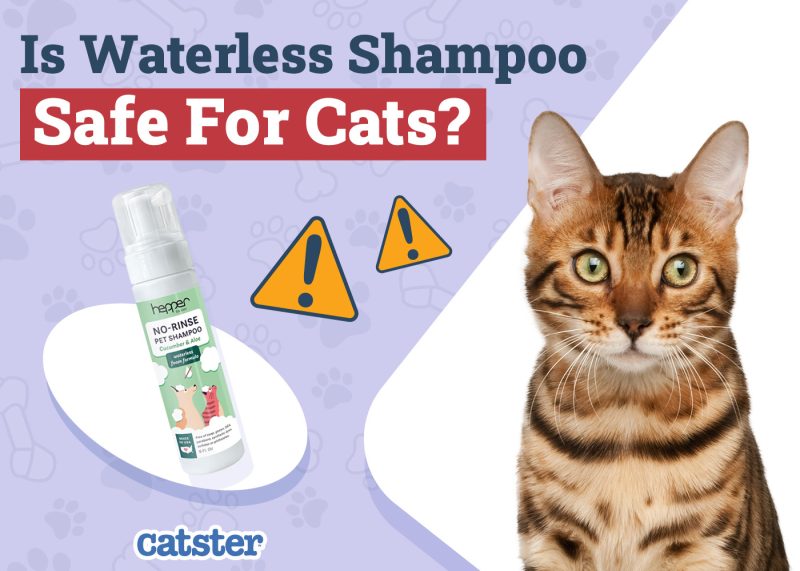
Generally no; cat waterless shampoos can irritate dogs and lack parasite protection.
If you’ve ever reached for the nearest bottle during a muddy moment, you’re not alone. Pet parents ask me all the time: Is Waterless Cat Shampoo Safe For Dogs? I’ve tested dozens of products, spoken with veterinary dermatology teams, and learned what works in real homes. This guide breaks down ingredients, risks, and smart alternatives so you can make a safe, informed choice for your dog—without guesswork.
What Is Waterless Cat Shampoo?
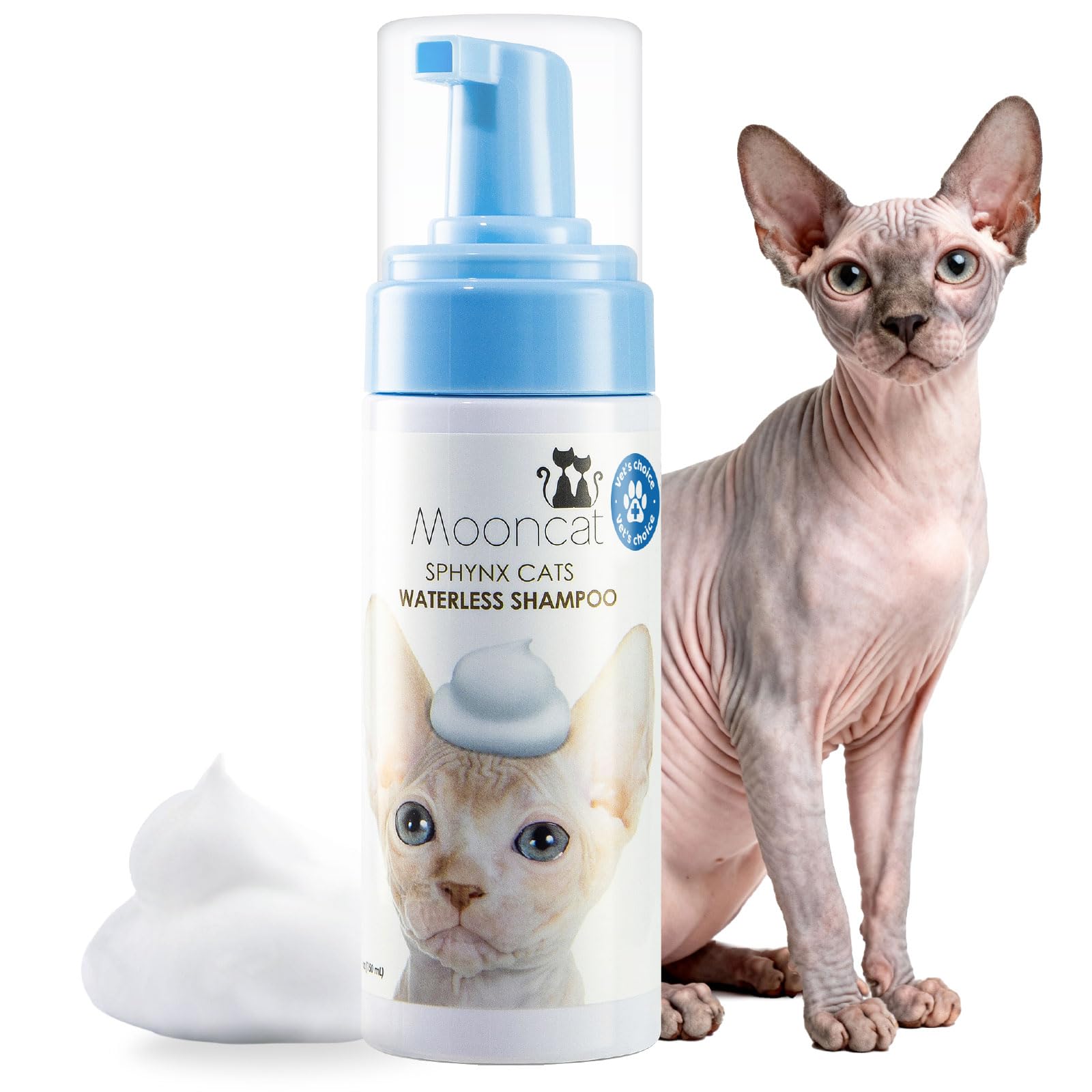
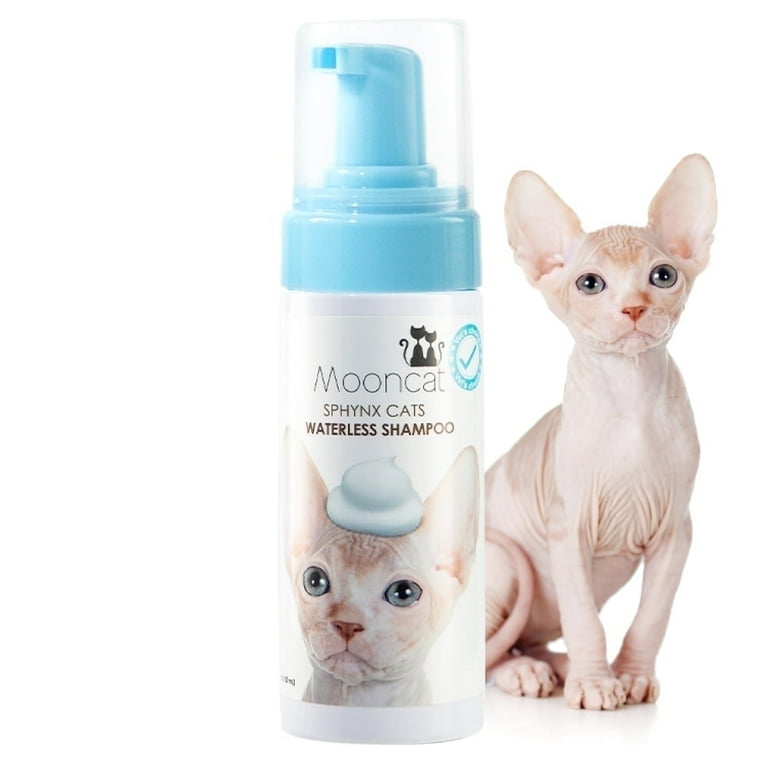
Waterless cat shampoo is a no-rinse cleanser made for feline skin and grooming habits. It comes as foam, spray, or wipes. It lifts dirt and oils with mild surfactants, alcohols, and conditioners, then air-dries while you brush or towel.
Many formulas use gentle cleansers, preservatives, and light scents. Cats groom by licking, so brands aim to reduce residues and harsh chemicals. Still, even “gentle” products can bother a dog’s skin or stomach if licked in larger amounts.

Is Waterless Cat Shampoo Safe For Dogs? Risks and Realities
The short answer to “Is Waterless Cat Shampoo Safe For Dogs?” is that it is usually not ideal and sometimes risky. Dogs have different grooming needs, thicker coats, and varied skin conditions. A product built for cats may not cleanse a dog well, may leave residue, or may irritate.
When I review labels, I look for three common trouble spots. First, fragrances and essential oils can trigger itch, redness, or sneezing. Second, certain preservatives, like benzalkonium chloride, may cause mouth irritation if a dog licks fresh residue. Third, quick-dry alcohols can strip oils and dry the skin. None of this proves all cat products are unsafe, but it does mean the fit is poor for many dogs.
pH and the skin barrier matter too. Dog skin is more neutral than human skin and relies on a thin barrier of lipids. Over-cleaning without rinsing can leave buildup or disrupt that barrier. That is why a dog-specific no-rinse product is safer and more effective.
Another gap is parasite control. Cat waterless shampoos do not replace dog flea and tick routines. If you were hoping for a two-in-one, you will not find it here. So, “Is Waterless Cat Shampoo Safe For Dogs?” depends on ingredients, your dog’s health, and how you use it—but default to dog-formulated options when you can.

When You Can Use a Waterless Cat Shampoo on a Dog
Emergencies happen. If you must choose between dirt and a limited spot clean, you can reduce risk with care. I still ask myself, “Is Waterless Cat Shampoo Safe For Dogs?” before I use it even once. If you proceed, do it like a pro:
- Scan the label. Avoid tea tree oil, clove, cinnamon, pennyroyal, citrus oils, heavy perfumes, and benzalkonium chloride.
- Patch test. Apply a pea-sized amount to a small spot. Wait 24 hours. Check for redness or itch.
- Use the least product possible. Focus on soiled areas only.
- Keep it away from eyes, mouth, and broken skin.
- Towel and brush well to lift residue. Reduce licking risk.
- Watch for signs of trouble. If your dog licks a lot, drools, scratches, or seems off, rinse with lukewarm water and call your vet.
I have used a fragrance-free cat foam on a recovering senior dog one time after a rainy walk. It did not cause irritation, but her skin felt dry the next day. That told me even short-term use has trade-offs.
Better Alternatives for Quick Dog Cleanups
If you are wondering, Is Waterless Cat Shampoo Safe For Dogs?, reach for these dog-safe choices first. They clean well and lower risk.
- Dog-formulated waterless shampoo. Look for fragrance-free or light-scent, alcohol-free, and vet-tested.
- Micellar dog cleansers. Mild, no-rinse, and great for paws and bellies.
- Plain water and a microfiber towel. Simple, safe, and surprisingly effective for fresh mud.
- Diluted dog shampoo for spot cleans. Mix a teaspoon in a cup of water. Apply, then wipe with a damp cloth.
- Veterinary grooming wipes made for dogs. Choose unscented, pH-balanced options.
I carry a small bottle of dog micellar foam in my car kit. It handles muddy paws fast and has never caused a flare-up on sensitive skin.
How to Read the Label Like a Pro
I keep coming back to the key question—Is Waterless Cat Shampoo Safe For Dogs?—and the label holds your best clues. Use this quick screen:
- Prefer simple formulas. Few ingredients, clear names, and no heavy perfumes.
- Safer cleansers. Look for nonionic surfactants and mild amphoteric surfactants. Avoid high solvent loads and strong degreasers.
- Avoid risky oils. Tea tree, clove, cinnamon, pennyroyal, and strong citrus can irritate. Many dogs tolerate tiny amounts, but why gamble?
- Watch preservatives. Benzalkonium chloride can sting mouths if licked. Choose formulas that use gentler systems.
- Check claims. “For cats only” is a red flag for dogs. Choose products labeled for dogs or both species with vet backing.
When in doubt, ask your vet or a board-certified dermatologist. A quick photo of the ingredient panel can save you and your dog a rough night.
Real-World Examples and Lessons Learned
I’ve tested many grooming routines on my two medium-coated dogs and with client pets. Here is what stands out when people ask, Is Waterless Cat Shampoo Safe For Dogs?
- Mild, dog-specific waterless foams outperform cat products. Coats feel cleaner, and there is less residue.
- Fragrance is the usual culprit. If your dog sneezes or rubs the carpet after grooming, switch to unscented.
- Less is more. One pump for paws beats four. Towel and brush to finish.
- Post-spot-on care matters. Avoid waterless shampoos for 24–48 hours around flea/tick treatments unless your vet okays it.
- Keep a rinse-first mindset. If you can rinse, rinse. Water and a towel solve most messes.
Mistakes to avoid: using a cat flea foam on a dog, layering perfumes to hide odor, and skipping the patch test. I’ve made two of those three. You only need to learn them once.
Frequently Asked Questions of Is Waterless Cat Shampoo Safe For Dogs?
Can I use waterless cat shampoo on my puppy?
Puppy skin is delicate, and puppies lick a lot. Use a puppy-formulated waterless cleanser or plain water and a towel instead.
What ingredients should I avoid if I only have a cat product?
Skip tea tree oil, clove, cinnamon, pennyroyal, strong citrus oils, and benzalkonium chloride. Heavy perfumes and high alcohol content can also irritate dogs.
Will a cat waterless shampoo remove dog odor?
It may mask light odors but can leave residue and perfume. A dog-formulated product or a quick rinse works better and is safer.
What if my dog licks the coat after I use a cat foam?
Wipe the area with a damp cloth to remove residue and offer fresh water. If you see drooling, vomiting, or mouth irritation, call your vet.
Does a waterless cat shampoo affect flea and tick treatments on dogs?
It can. Using cleansers too close to spot-on applications may reduce performance. Ask your vet for brand-specific timing.
Is Waterless Cat Shampoo Safe For Dogs if it is fragrance-free?
Fragrance-free lowers risk but does not guarantee safety. Check all ingredients and patch test first.
Conclusion
If you are still weighing it, ask yourself one more time: Is Waterless Cat Shampoo Safe For Dogs? It can be used in a pinch with care, but dog-formulated products clean better and reduce risk. Read labels, patch test, and keep grooming simple.
Choose a safer plan today. Stock a dog-safe, unscented waterless cleanser or micellar foam, plus a microfiber towel in your car or entryway. Want more practical pet care tips? Subscribe for new guides, or leave a question and I’ll help you find the best fit for your dog.
