
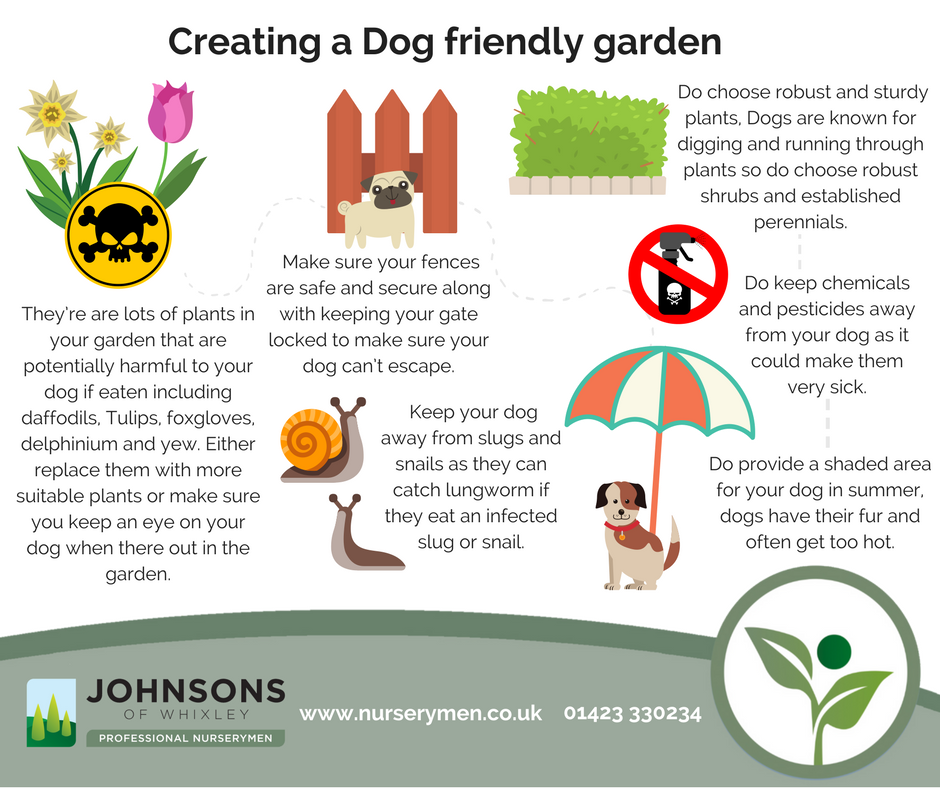
A dog-friendly garden needs secure fencing, safe plants, open space, shade, clean water, and a few smart safety changes.
Learning how to make your garden dog friendly is about more than letting your pet run outdoors. A good garden should feel like a safe, enriching extension of your home, with room to sniff, rest, play, and explore without hidden hazards. This guide shares practical steps, common mistakes, plant safety tips, and simple design ideas that work for puppies, adult dogs, and older pets.
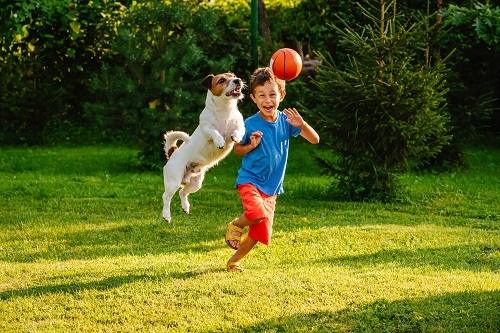
Start With a Safety Check
Before you buy plants or move garden furniture, walk through the space at your dog’s eye level. Look for sharp tools, loose wire, small gaps, toxic plants, standing water, and areas where your dog could escape.
Dogs explore with their noses and mouths. A harmless-looking object to you may become a choking risk or cause an upset stomach. Make your garden dog friendly by checking both large hazards and tiny details.
Use this quick inspection list:
• Check gates for loose hinges and gaps.
• Remove nails, broken pots, glass, and sharp stones.
• Lock away fertilizer, weed killer, slug bait, and pesticides.
• Store garden tools in a secure shed or box.
• Look for poisonous mushrooms after rain.
• Cover ponds, drains, and deep holes.
• Remove wires that could catch around paws or legs.
• Check fences for digging spots and damaged boards.
Slug and snail bait needs special care. Some products contain metaldehyde, which can cause serious poisoning in dogs. Even pet-safe products should be stored and used exactly as the label states.
If your dog eats a garden chemical, plant, or unknown object, contact your veterinarian or a pet poison service at once. Do not wait for symptoms to appear.
Install Secure, Dog-Safe Fencing
Strong fencing is one of the most important parts of learning how to make your garden dog friendly. Your fence should prevent escapes while also keeping unfamiliar animals out.
Choose fence height based on your dog’s size, strength, and jumping skill. A short fence may work for a calm small dog but fail for a tall or athletic breed. Some dogs climb chain-link fences, while others can jump surprisingly high.
Inspect the fence from both sides. A dog may squeeze through a gap that looks too small to you. Puppies can also grow quickly, so check the space every few weeks.
Useful fence improvements include:
• Add a secure latch that your dog cannot nudge open.
• Place mesh along the bottom to block small gaps.
• Bury wire mesh 12 to 18 inches below the soil if your dog digs.
• Use smooth materials with no sharp points.
• Add a second gate near the main entrance if your dog is an escape artist.
• Keep compost bins, logs, and benches away from the fence.
Do not rely on an invisible or electric fence as your only safety barrier. These systems may stop a dog from crossing a boundary, but they do not prevent other dogs, wildlife, or people from entering the garden.
Choose Dog-Safe Plants
Plant choice is central to how to make your garden dog friendly. Many popular garden plants can irritate the mouth or cause vomiting, diarrhea, weakness, or more serious illness if eaten.
Common plants that may harm dogs include:
• Azaleas and rhododendrons
• Sago palms
• Oleander
• Lily of the valley
• Foxglove
• Autumn crocus
• Daffodil bulbs
• Tulip bulbs
• Certain lilies and ornamental plants
Risk varies by plant, part of the plant, and amount eaten. Bulbs are often especially dangerous because dogs may dig them up and chew them. Even a plant labeled “non-toxic” can still cause stomach upset if your dog eats a large amount.
Before planting, check each species with a trusted veterinary poison database, local extension service, or veterinarian. Keep plant labels until you confirm that the plants are safe.
Safer options may include:
• Rosemary
• Basil
• Thyme
• Sunflowers
• Snapdragons
• Roses without accessible thorns
• Camellias
• Marigolds
• Certain ornamental grasses
Plant safety depends on the exact species and your dog’s behavior. Always verify the plant rather than relying on a general garden list.
A useful personal lesson from planning pet-safe outdoor spaces is to think about access, not just toxicity. A plant may be safe to touch but still have thorns, sharp leaves, or berries that cause stomach trouble. Place tempting plants behind a low barrier if your dog likes to chew.

Create a Comfortable Dog Zone
A dog-friendly yard needs more than open grass. Your pet should have a cool place to rest, especially during warm weather.
Set up a shaded dog zone with:
• A weatherproof bed or raised cot
• Fresh water in a heavy, tip-resistant bowl
• Natural shade from a tree or safe canopy
• A cool surface, such as stone or a cooling mat
• A clear view of the garden and family activity
Avoid placing a dog bed beside a compost pile, pesticide-treated area, or stagnant water. Shade changes during the day, so watch where sunlight falls in the morning and afternoon.
In hot weather, remember that grass can look comfortable while paving stones become dangerously hot. Place the back of your hand on a surface for several seconds. If it feels too hot for your hand, it is too hot for your dog’s paws.
Water also needs regular care. Wash the bowl each day and refill it with fresh water. Mosquitoes, algae, and bacteria can build up in neglected containers.
Use Dog-Friendly Garden Surfaces
The best garden surface depends on your dog’s age, breed, health, and habits. A young dog may enjoy grass, while an older dog with joint pain may need softer and more even ground.
Good choices may include:
• Untreated natural grass
• Pet-safe artificial turf with good drainage
• Smooth paving with shaded areas
• Flat flagstone paths
• Untreated wood chips made for pets
Avoid cocoa mulch. It may contain theobromine, the same compound that makes chocolate dangerous to dogs. Also avoid sharp gravel, treated wood, and mulch that contains large splinters.
Keep lawn treatments away from your dog until the product label says the area is safe. Some fertilizers can irritate paws or cause illness when licked. Watering the lawn after treatment may reduce surface residue, but follow the product instructions carefully.
If your dog licks its paws often after being outdoors, rinse them with clean water and speak with a veterinarian if the behavior continues. The irritation may come from grass, fertilizer, pollen, or another condition.
Plan Space for Exercise and Enrichment
A garden should give your dog safe ways to move and think. Exercise helps reduce boredom, but mental activity matters too. A dog that spends time sniffing often comes home calmer than a dog that only runs in circles.
Try adding:
• A clear path for walking and exploring
• A digging box filled with clean soil or sand
• Durable toys that are large enough to prevent swallowing
• A few safe scent trails
• Low platforms for confident dogs
• A shaded area for quiet time
Do not create an obstacle course without considering your dog’s joints. High jumps and tight turns can strain growing puppies, older dogs, and breeds prone to back or hip problems.
A digging box can protect flower beds, but teach your dog how to use it. Place a toy or treat in the box, praise calm digging, and gently redirect your dog from forbidden areas. Never punish digging after the event, because your dog may not understand what caused the correction.
Rotate outdoor toys every few days. This keeps the garden interesting without filling it with clutter.
Protect Your Vegetable Garden
Vegetable gardens can be safe for dogs when you manage access and choose plants carefully. Dogs may trample seedlings, dig up roots, or eat produce before it is ready.
Use raised beds, low fencing, or a gate to separate growing areas. Remove fallen fruit and vegetables each day, since rotting produce can attract insects and upset your dog’s stomach.
Never feed dogs:
• Onions, garlic, leeks, or chives
• Grapes or raisins
• Unripe tomatoes and tomato leaves
• Large amounts of raw potato
• Avocado pits and plant parts
• Moldy food or compost
A compost bin should have a firm lid and a stable base. Moldy compost can contain toxins that cause tremors, seizures, and other emergencies.
Wash garden produce before sharing small dog-safe portions. Plain carrots, cucumber, green beans, and some ripe fruits may be suitable treats, but ask your veterinarian about your dog’s diet and health needs.
Manage Water Features and Pools
Ponds, pools, and water barrels can create serious risks. Not every dog is a strong swimmer, and even strong swimmers may struggle to climb out of a pool.
Make water features safer by adding:
• A shallow entry point or pet ramp
• A visible exit ledge
• Secure covers for unused pools
• Barriers around deep ponds
• Clean, moving water instead of stagnant water
Never assume your dog can find the steps after falling into a pool. A ramp with a contrasting color is easier for a dog to see. Practice using it while your dog is calm.
Keep your dog away from blue-green algae. It can produce toxins that damage the liver or nervous system. Avoid water that looks like spilled paint, has a strong smell, or contains unusual surface scum.
Keep Chemicals and Garden Tools Secure
One of the simplest ways to make your garden dog friendly is to treat garden supplies like household medicine. Store every chemical in its original container, behind a locked door, and above your dog’s reach.
This includes:
• Fertilizers
• Herbicides
• Insecticides
• Slug and snail treatments
• Pool chemicals
• Antifreeze
• Paint and wood preservatives
• Fuel and oil
Clean tools after use and place them in a locked shed. Do not leave a spade, rake, or pruning tool on the lawn. Sharp edges can injure paws, and handles may tempt dogs to chew.
Choose nonchemical pest control where possible. Hand-picking pests, using barriers, and improving plant health can reduce the need for sprays. If you must use a product, keep your dog away for the full label period.
Prevent Digging, Chewing, and Escaping
Digging is normal dog behavior. Dogs may dig to cool down, bury items, follow smells, escape, or release stress. Punishing the behavior often fails because it does not address the reason.
To make your garden dog friendly, provide a legal place to dig. A sand box or digging bed can work well. Hide toys beneath the surface and reward your dog for using that area.
For dogs that dig under fences:
• Place buried mesh along the fence line.
• Add a narrow strip of paving beside the fence.
• Block access to tempting soil with sturdy edging.
• Increase walks, play, and scent games.
• Check for heat, fear, or separation stress.
Chewing may also signal boredom or anxiety. Provide safe chew items and supervise their use. Replace toys when they become cracked, torn, or small enough to swallow.
If your dog repeatedly escapes, destroys barriers, or injures its paws, ask a veterinarian or qualified behavior professional for help. These actions may point to fear or distress rather than simple disobedience.
Make the Garden Safe for Puppies and Older Dogs
Puppies need close supervision because they investigate almost everything. Keep them away from ponds, plants, compost, and loose stones until you know how they behave outdoors.
Use short garden sessions at first. Reward calm sniffing, coming when called, and leaving plants alone. This builds good habits before your puppy becomes stronger and more independent.
Older dogs may need a different garden design. Uneven paths, slippery paving, and steep steps can cause falls or pain.
Helpful changes include:
• Add nonslip paths.
• Keep water bowls close to resting areas.
• Remove clutter from walking routes.
• Provide low, easy-to-reach beds.
• Use gentle ramps instead of steps where possible.
• Keep grass short and free from hidden holes.
Dogs with arthritis, heart disease, or breathing problems may tire quickly in warm weather. Ask your veterinarian about safe exercise limits and signs of overheating.
Build a Simple Garden Routine
A safe garden stays safe through regular checks. Set aside a few minutes each week to inspect fences, gates, plants, toys, water bowls, and ground surfaces.
A simple routine may look like this:
Walk the fence line and test every gate.
Remove fallen fruit, mushrooms, and damaged plants.
Refill and clean water bowls.
Check toys for cracks or loose pieces.
Look for holes, sharp objects, and exposed roots.
Check the weather before outdoor play.
Wipe or rinse your dog’s paws after chemical use or muddy walks.
Seasonal checks matter too. Spring brings bulbs, young plants, and lawn treatments. Summer raises the risk of heatstroke. Fall brings mushrooms, fallen fruit, and acorns. Winter may bring de-icing products and cold surfaces.
Keeping a written list of plants and garden products can help your veterinarian identify a problem quickly during an emergency.
Common Mistakes to Avoid
Even careful owners can overlook small risks. The most common mistake is assuming that a garden is safe because it looks tidy.
Watch out for these errors:
• Planting toxic bulbs where dogs can dig.
• Leaving water standing for long periods.
• Using cocoa mulch.
• Storing fertilizer beside the back door.
• Choosing a fence based only on dog height.
• Letting dogs roam after lawn treatment.
• Leaving pruning tools in flower beds.
• Using a pool without a dog exit.
• Offering compost scraps as treats.
• Relying on exercise alone to prevent boredom.
Another common mistake is changing the entire yard at once. Your dog may become confused by new surfaces, barriers, or rules. Introduce changes one at a time and reward relaxed behavior.
The goal is not to create a perfect show garden. The goal is to create a practical space where your dog can be safe and your plants can survive.

Frequently Asked Questions
What is the first step in making a garden dog friendly?
Start with a full safety inspection. Check the fence, gate, plants, chemicals, tools, water features, and ground for hazards before allowing your dog to explore freely.
Which garden plants are poisonous to dogs?
Azaleas, sago palms, oleander, foxglove, lily of the valley, and some bulbs can be dangerous. Plant safety depends on the species and the part eaten, so verify every plant with a veterinarian or trusted pet poison resource.
Is mulch safe for dogs?
Some mulch is suitable, but cocoa mulch can be dangerous because it may contain theobromine. Avoid sharp, treated, or splintered materials, and choose a product labeled for safe outdoor use around pets.
How can I stop my dog from digging in flower beds?
Give your dog a designated digging area, such as a sand box, and reward its use. You can also block flower beds with low fencing while adding more walks, play, and scent games.
How do I keep my dog cool in the garden?
Provide shade, fresh water, and a cool resting surface. Avoid intense play during the hottest part of the day, and move your dog indoors if it shows heavy panting, weakness, confusion, or trouble walking.
Can dogs run on newly treated grass?
Only allow your dog onto treated grass when the product label says it is safe. Follow all instructions, keep chemicals stored securely, and contact a veterinarian if your dog licks or eats treated material.
Conclusion
Knowing how to make your garden dog friendly starts with secure fencing, safe plants, clean water, shade, suitable surfaces, and regular checks. Add enrichment through sniffing, gentle play, and a supervised digging area, while keeping chemicals, tools, compost, and unsafe plants out of reach.
Design the garden around your dog’s age, size, health, and habits. Make one improvement today, such as securing the gate or creating a shaded rest area, then build from there. For more practical pet safety ideas, explore trusted veterinary resources and share your best dog-friendly garden tips in the comments.
