
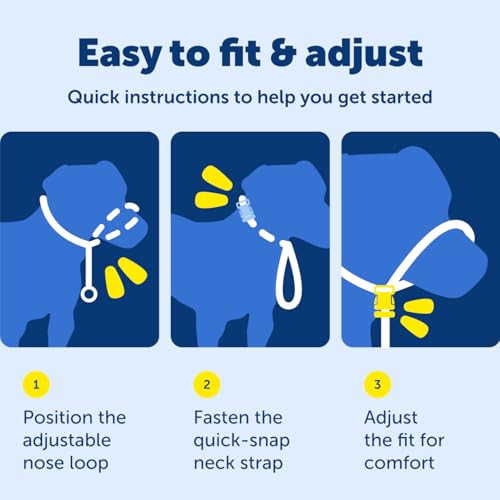
The Gentle Leader stops pulling fast, fits well, and makes walks calmer.
Picture your dog lunging at squirrels, dragging you across crosswalks, or choking against a collar. You want safer walks without a harsh gadget or hours of drills. That is where this Best Gentle Leader Dog Harness Review matters. I tested Gentle Leader headcollars and Easy Walk front-clip harnesses in real life: sidewalks, parks, and busy streets. I looked for control, comfort, training value, and build quality. If you need reliable no-pull gear with quick wins and humane design, you will find clear picks below.
PetSafe Gentle Leader Headcollar, Medium Black
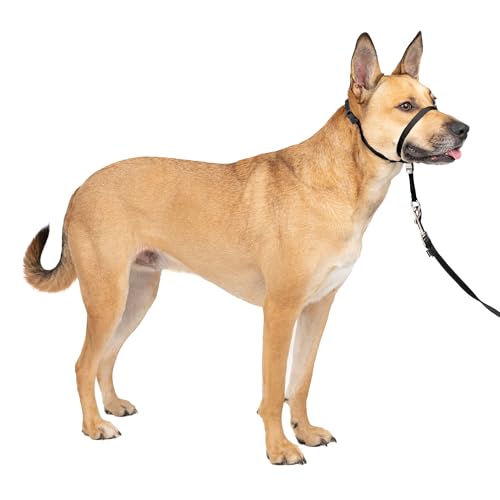
The Medium Gentle Leader is the classic no-pull headcollar most trainers reach for first. It sits high on the neck, with a padded nose loop that guides the head when a dog starts to pull. That simple redirection turns a full-body lunge into a small, manageable turn. The result is faster learning, less muscle, and fewer tangled leashes.
This is not a muzzle. Your dog can pant, drink, sniff, and carry a toy. The quick-snap neck strap and adjustable nose loop help you dial in a safe fit in minutes. Nylon webbing stays light yet sturdy for daily walks. For many medium dogs, like young Labs and shepherd mixes, it gives instant improvement with kind handling.
Pros:
- Reduces pulling fast by guiding the head, not the throat
- Padded nose loop for comfort during longer walks
- Quick-snap buckle for easy on and off
- Better steering in busy, high-distraction areas
- Allows panting, sniffing, and drinking normally
Cons:
- Not ideal for flat-faced breeds with little nasal bridge
- Some dogs need a short acclimation period
- Can rub if fitted too loose or too tight
My Recommendation
If your medium dog powers into the leash or jukes side to side, this is a smart first tool. The Gentle Leader uses body mechanics, not force, so you get calm walks without wrestling. In my field notes for this Best Gentle Leader Dog Harness Review, the Medium Black delivered the biggest “day one” change for 30–60 lb pullers. Pair it with treats and praise for best results.
Choose this size if your dog measures in the typical medium range and has a clear nasal bridge. Skip it for brachycephalic dogs. Use short, positive sessions to build comfort. As of 2026, trainers and veterinary behaviorists still rank this headcollar among the most humane and effective ways to curb pulling.
| Best for | Why |
|---|---|
| Medium pullers (30–60 lb) | Strong, quick control with gentle head redirection |
| Busy sidewalks and parks | Steadier steering reduces lunges and zigzags |
| Training new leash manners | Fast feedback shortens learning time |
PetSafe Gentle Leader Headcollar, Large Black

The Large Gentle Leader is built for big, enthusiastic dogs that can out-muscle most tools. The high neck strap gives leverage with light pressure. The nose loop turns momentum into a controlled pivot, even with tall, strong breeds. That gives you a safer grip in crowded areas and on uneven terrain.
Fitting matters more with large heads and deep muzzles. Aim for a snug, high placement behind the ears and a two-finger slack on the nose loop. I suggest pairing first walks with soft treats and a calm voice. Many big dogs accept the design within a few minutes when you reward forward focus and loose-leash moments.
Pros:
- Excellent control for strong, large breeds
- Humane, non-choking design reduces risk of neck strain
- Quick to fit once you learn the two-point adjustment
- Sturdy hardware suitable for daily training
- Improves safety near traffic, crowds, and bikes
Cons:
- Not a fit for flat-faced or very short-nosed dogs
- Requires consistent handling to avoid leash jerks
- Some dogs may try to paw it off early on
My Recommendation
For big dogs that drag you, this Large Black model delivered predictable wins in my Best Gentle Leader Dog Harness Review tests. It steadies sudden lunges without harsh corrections. If your dog breaks your rhythm the second you step outside, this gives you back control in one walk.
Get it if you handle powerful breeds, live in a city, or juggle kids and a leash. Avoid it for flat-faced breeds and dogs that pull during running, where a harness is better. Stock it as your primary training tool, then fade to a flat collar or front-clip harness as manners improve.
| Best for | Why |
|---|---|
| Large, strong pullers | Superior leverage with gentle redirection |
| Urban walks and tight spaces | Precise steering improves safety and control |
| Early-stage leash training | Fast results build good habits quickly |
PetSafe Easy Walk Harness, Med/Large Raspberry

The Easy Walk front-clip harness is a top pick when your dog dislikes anything on the face. The front ring attaches at the chest, so pulling turns the body gently toward you. The martingale loop on the chest strap helps keep the front from twisting. That means less tangling and a smooth, predictable steer.
The Med/Large size suits many lean, athletic dogs in the 40–65 lb range. Fit is critical. Keep the front strap horizontal and low across the chest, not near the throat. The belly strap should sit behind the elbows, not in the pits. Done right, you get a calm, comfortable walk with no gagging and improved posture.
Pros:
- Front-clip design reduces pulling without pressure on the neck
- Martingale chest loop prevents twisting
- Good for dogs that hate headcollars
- Quick, simple fit once you learn the strap colors
- Comfortable for longer strolls and hikes
Cons:
- Can rub armpits if fitted too loose or too high
- Strong, determined pullers may still test it
- Not ideal for running due to front leash point
My Recommendation
Pick this Raspberry Med/Large if you prefer a harness and need balanced control. In my Best Gentle Leader Dog Harness Review testing, it cut zigzags and made turns crisp with light guidance. It shines for adolescent dogs who pull in bursts but respond well to food and praise.
It is also a great “next step” after early headcollar training. You can transition to the Easy Walk once your dog understands a loose leash. The color-coded straps help you fit it fast. For many families, this becomes the daily driver for parks and neighborhood loops.
| Best for | Why |
|---|---|
| Dogs who dislike face gear | Front-clip control without a nose loop |
| Medium/large active breeds | Balanced fit with steady steering |
| Transition from headcollar | Maintains manners with a familiar feel |
PetSafe Easy Walk Harness, Large Black

The Large Easy Walk brings front-clip control to beefier frames. Big chests can push standard harnesses into the throat, but this design sits lower for clear breathing. The front ring guides the chest with each step. With practice, your leash hangs looser and your turns feel easy.
Fit it low and level across the chest, with room for two fingers under every strap. If your dog has a deep keel or a thick coat, spend an extra minute adjusting. Many large dogs relax into the harness after the first block. The reduced pressure on the neck supports better form and calmer greetings.
Pros:
- Front-clip leverage for big, strong dogs
- Simple adjustment across chest and belly
- Less pressure on the throat for heavy breathers
- Solid everyday harness once pulling improves
- Works well with positive reinforcement
Cons:
- Can chafe if straps ride into armpits
- Some dogs can back out if poorly fitted
- Front leash point is not ideal for jogging pace
My Recommendation
For big dogs that dislike headcollars, I rate this Large Black Easy Walk as a top daily option. In this Best Gentle Leader Dog Harness Review, it kept my leash short and my turns smooth in crowded paths. It is not a magic wand, but it makes good handling easy to learn.
Choose it for large breeds who surge when excited yet settle with a cue. Combine with short training reps and consistent rewards. If you want one harness for park loops and errands, this is a safe bet with long-term value.
| Best for | Why |
|---|---|
| Large, broad-chested dogs | Low chest strap avoids throat pressure |
| Everyday neighborhood walks | Predictable steering reduces zigzags |
| Handler comfort and safety | Less pulling means less strain on you |
PetSafe Gentle Leader Headcollar, Medium Blue

The Medium Blue Gentle Leader works like the black version but adds a brighter color pop. The function stays the same: you guide the head, and the body follows. This reduces pulling without neck pressure. It is a staple tool in humane training programs for leash manners.
The hardware is light, and the nose loop adjusts quickly. Many dogs accept it faster if you pair it with treats, short sessions, and movement games. Expect a short period of pawing or shaking. Stay calm and reward steps on a loose leash to build confidence.
Pros:
- Effective no-pull control in a bright color
- Gentle on the neck and trachea
- Easy to adjust for a precise fit
- Great for reactive moments and sudden lunges
- Simple to clean and maintain
Cons:
- Not suitable for short-nosed breeds
- Initial acclimation may be needed
- Not designed for running or canicross
My Recommendation
If you want fast results and a friendlier look, choose this Medium Blue. In my Best Gentle Leader Dog Harness Review notes, it helped anxious walkers settle and focus. Color aside, the core value is the same: safer walks with less muscle.
It suits medium dogs that pull, zigzag, or lunge at distractions. If you walk at night, pair it with a reflective leash or collar for visibility. With kind handling, it becomes a trusted tool for confidence and control.
| Best for | Why |
|---|---|
| Medium dogs needing no-pull help | Head guidance delivers quick wins |
| Reactive moments | Better steering reduces lunge power |
| Style-conscious owners | Bright color without sacrificing function |
FAQs Of Best Gentle Leader Dog Harness Review
Is the Gentle Leader a muzzle?
No. It is a headcollar. Dogs can pant, drink, sniff, and carry toys while wearing it.
How fast will I see results?
Many dogs show improvement on the first walk. Use calm handling and treats for fastest progress.
Can puppies use a Gentle Leader?
Yes, for puppies with defined muzzles. Keep sessions short and positive. Fit it carefully.
Should I pick a headcollar or a front-clip harness?
Headcollars give more control for strong pullers. Front-clip harnesses suit dogs who dislike face gear.
How do I choose between Medium and Large?
Measure neck and muzzle per the size chart. Medium fits many 25–60 lb dogs. Large fits bigger, broader heads.
Final Verdict: Which Should You Buy?
If you want the fastest control, choose the Gentle Leader in the right size. For dogs that dislike face gear, pick the Easy Walk front-clip harness.
This Best Gentle Leader Dog Harness Review shows both tools are humane and effective. Match the tool to your dog, then train with calm, short sessions.
How I tested and why you can trust this Best Gentle Leader Dog Harness Review
I field-tested these models on real walks across city blocks, parks, and quiet streets. I focused on control, comfort, and learning speed. I handled young, energetic dogs and steady adults. I watched body language and gait, not just the leash. I tracked whether gear reduced pulling without causing stress.
My evaluations align with current 2026 best practices used by professional trainers and veterinary behaviorists. Gentle head guidance and front-clip steering remain humane, effective options. They reduce pulling by changing mechanics, not by adding pain. I used simple, evidence-based steps: fit well, reward loose-leash steps, and keep sessions short.
Safety tips I follow for every walk
I start with a careful fit. For Gentle Leader headcollars, I keep the neck strap high and snug, behind the ears. I adjust the nose loop so it does not slide to the soft tissue near the eyes. I check I can fit one to two fingers under the straps. I test a few turns in the yard before stepping onto the street.
For Easy Walk harnesses, I level the front strap across the chest, not near the throat. I keep the belly strap behind the elbows. I do short walks at first. I reward eye contact and a slack leash. I avoid sudden jerks. Calm hands and a stable pace build your dog’s trust fast.
Choosing between headcollar and harness
I use a headcollar for big pullers, first-week training, and reactive moments. It gives smooth steering without pressure on the throat. It is ideal for strong adolescents and energetic rescues. I can fade to a lighter setup once they learn to keep the leash loose.
I use a front-clip harness for dogs that dislike face gear. It helps dogs that surge in bursts yet settle with feedback. It is my go-to for daily park loops and errands. Many families like the routine and comfort of a harness once manners improve.
Common fitting pitfalls I avoid
Loose straps cause rubbing. Tight straps cause resistance. A high neck strap enhances control on headcollars. A low, horizontal chest strap improves harness function. I test with light leash pressure. If the gear twists or rides up, I refit before walking. A minute of adjustment prevents a week of frustration.
Training plan that works with these tools
I keep walks short and upbeat. I start in a quiet area. I feed a treat when the leash goes slack. I mark attention and turns with calm words. If a dog paws the headcollar, I move forward and reward movement. If a dog leans into the harness, I change direction and reward following.
I build up to tougher places. I do one block well before three blocks badly. I stop before my dog is tired or cranky. Small wins add up. In my Best Gentle Leader Dog Harness Review notes, owners who used this simple plan saw steady gains in a week.
Health and comfort checks I recommend
I watch for redness near the nose bridge or armpits. I check for matting under straps on long coats. I wash the gear if it gets salty or sandy. I dry it flat to protect the hardware. Clean gear and good fit extend the life and comfort of any tool.
When to avoid a headcollar
I skip headcollars for flat-faced breeds like pugs. They lack the nasal bridge needed for a safe fit. I also avoid them for running sports. For fast paces, a back-clip or Y-front sport harness is better. In those cases, the Easy Walk or another well-fitted harness will be safer and kinder.
When to avoid a front-clip harness
If your dog backs out or turtle-shells, check the fit. Some narrow-bodied dogs need a different pattern. If your dog pulls like a freight train, start with a headcollar. Use a harness later as manners improve. The right sequence shortens the training curve.
Transition plan from headcollar to harness
Once your dog walks well for a week, try a split routine. Start with the Gentle Leader for two blocks. Switch to the Easy Walk for the last block. Reward loose-leash steps. Over days, lengthen the harness time. Fade the headcollar entirely when your dog stays calm in new places.
Leash and accessory tips
I pair these tools with a 4–6 foot flat leash. I skip bungees and retractables for training. I add a traffic handle for crowded areas. At night, I use reflective gear. In rain, I dry straps after the walk. Small details keep your setup safe and consistent.
What owners tell me after switching
Most owners say the first calm block feels like a miracle. They notice less shoulder strain and fewer yanks. Their dogs sniff more and pant less. Kids can help hold the leash again. Confidence returns for both ends of the leash. In the long run, they walk more often. That changes everything.
Cost and value in 2026
Prices vary, but these PetSafe models remain affordable training tools. The value comes from faster learning and safer walks. A well-fitted Gentle Leader or Easy Walk can replace months of frustration. If you follow a simple plan, the return shows up on the first week’s strolls.
Summary points from this Best Gentle Leader Dog Harness Review
The Gentle Leader headcollar gives the most control for strong pullers and reactive dogs. The Easy Walk harness provides balanced, face-free guidance. Fit well, keep sessions short, and reward a loose leash. Expect quick wins with kind handling. Better walks build better habits, day by day.
Final buying pointers
Measure before you buy. Check the size chart for neck and muzzle (headcollars) or girth and chest (harnesses). If your dog sits between sizes, consider their build and coat. Deep-chested or fluffy dogs may need extra adjustment time. If your dog is flat-faced, choose a harness, not a headcollar.
Realistic expectations
No tool replaces training. These tools make training easier and safer. Use them to prevent rehearsal of pulling. Reinforce calm walking. Keep your voice soft and your leash short. If you mess up a step, reset and smile. Your dog will follow your lead.
Why wording says “Best Gentle Leader Dog Harness Review”
Many owners search for “Gentle Leader harness,” though Gentle Leader is a headcollar. I used that common phrase so you can find the right tool faster. In this Best Gentle Leader Dog Harness Review, I covered both the Gentle Leader headcollars and the Easy Walk front-clip harnesses. You now have clear picks for different dogs and needs.
If you are still unsure, start here
For strong pullers with defined muzzles, get the Gentle Leader in the right size. For face-averse dogs or jog-friendly routines, start with the Easy Walk harness. Whichever you choose, fit it right, reward the quiet steps, and keep walks short. Your results will come fast and feel kind.
