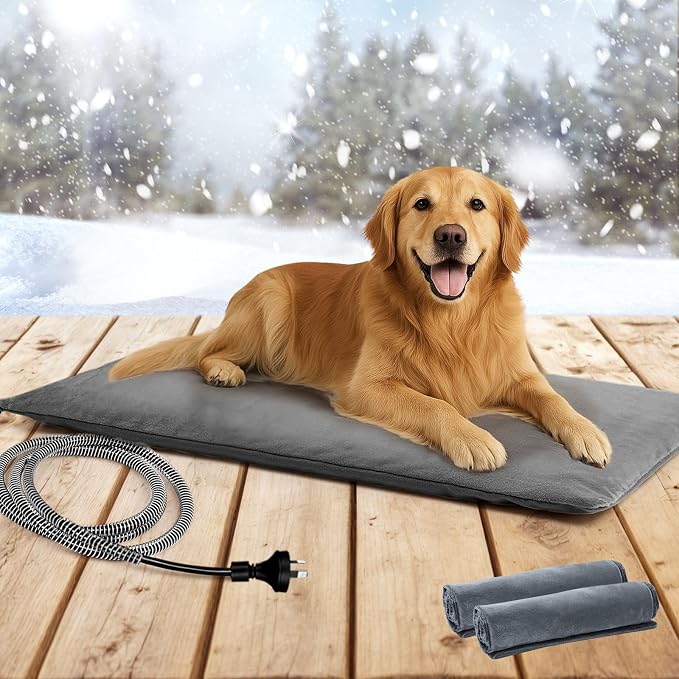
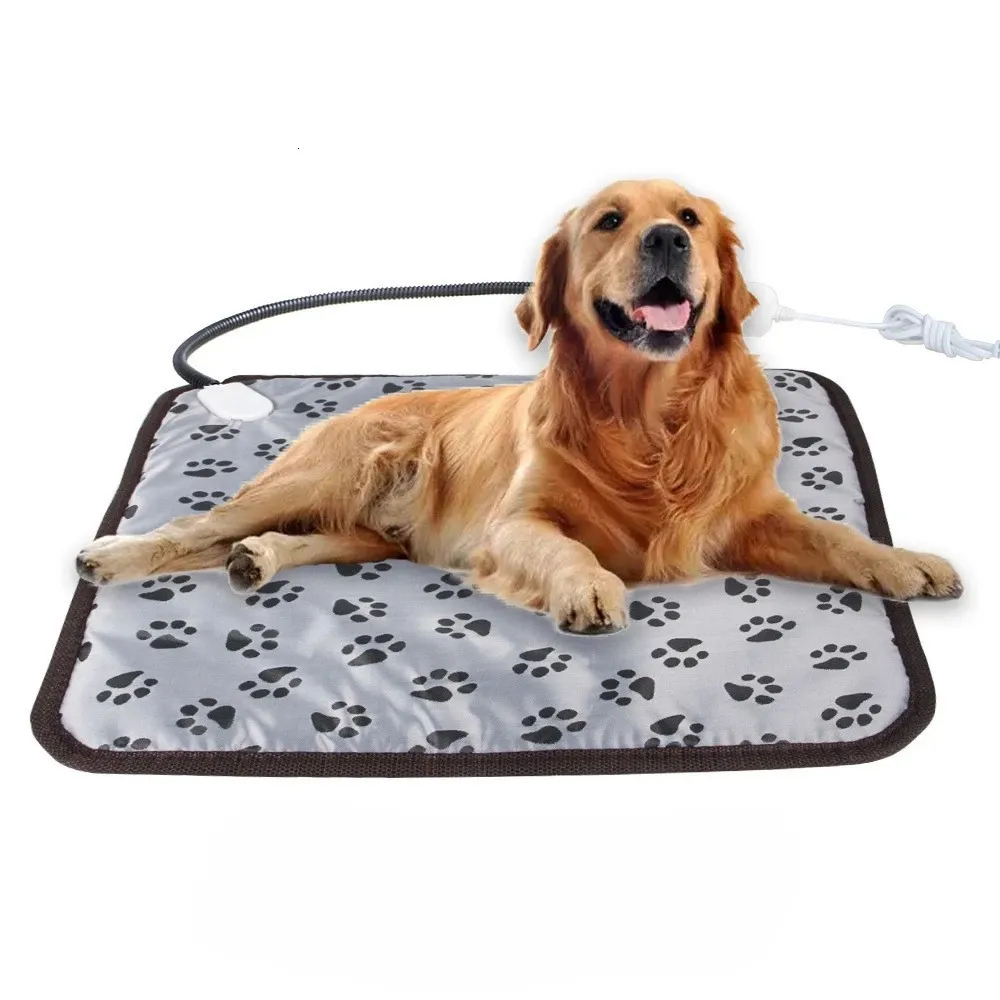
Heated blankets are not always safe for dogs. Human electric blankets can cause burns, overheating, electrical injuries, and fires. A purpose-made pet heating product may be suitable under the right conditions, but supervision and proper use are essential.
During cold winters in the United States, many dog owners use blankets, warm beds, and indoor heating to keep their pets comfortable. Homes in northern states, including Minnesota, Michigan, and New York, can become especially cold during winter. Small dogs, short-haired breeds, senior dogs, and pets with limited mobility may need extra warmth when temperatures drop.
However, an electric blanket made for people is not automatically suitable for a dog. Dogs have different body temperatures, sleeping habits, and ways of responding to heat. A dog may also chew an electrical cord, remain asleep on a hot surface, or become trapped under a blanket. These risks make the type of heating device and the dog’s ability to move away from heat important safety factors.
The American Kennel Club advises owners to choose heating products made for pets rather than sharing human electric blankets. Veterinary guidance also warns that heating pads can cause burns, particularly in older, sick, or sleeping animals. The safest approach is to use ordinary warm bedding first and consider controlled pet-specific heating only when there is a clear need.
Source: littledogtips.com
Why Can Heated Blankets Be Dangerous For Dogs?
Heated blankets can be dangerous because they produce continuous warmth through electrical heating elements. A dog may stay on the same warm spot for hours, especially during deep sleep. This can expose one area of skin to heat for too long and lead to thermal injury.
A human blanket may also have settings, heating patterns, and safety controls designed around adult human use. These features do not necessarily account for a dog’s smaller body, coat, sleeping position, or chewing behavior. A low setting does not guarantee that a blanket is safe for every animal.
The risk is not limited to burns. Damaged wires, exposed connectors, and chewing can create electrical hazards. A blanket that is folded, covered against its instructions, or used with damaged wiring may also create a fire risk.
Source: i0.wp.com
Thermal burns
Long contact with a warm surface can damage the skin. Burns may be difficult to spot under thick fur.
Overheating
A dog may struggle to move away from heat if it is asleep, weak, trapped, or unable to change position.
Electrical injury
Chewing a live cord or damaged connector can cause electric shock, mouth injuries, and other serious harm.
Fire hazards
Frayed wires, damaged controls, folded heating elements, and improper use can create overheating and fire risks.
Can A Heated Blanket Burn A Dog?
Yes. A heated blanket can burn a dog if the surface becomes too hot or remains in contact with the same area of skin for too long. The risk can increase when a dog sleeps deeply or has reduced sensitivity. Fur may also hide early changes in the skin.
Veterinary emergency guidance identifies heating pads as a possible source of thermal burns in small animals. A burn does not always appear as an obvious wound at first. Redness, pain, changes in fur, and damaged skin may develop after exposure.
Possible warning signs
Look for redness, tenderness, unusual licking, hair loss, blisters, swelling, or darkened skin.
What to do
Switch off and remove the heat source. Contact a veterinarian promptly if you suspect a burn. Do not apply ice, butter, oils, or human burn creams unless a veterinarian instructs you.
Can Dogs Overheat Under Heated Blankets?
Yes. A dog can become too warm when a heated blanket traps body heat and continues producing additional heat. Thick-coated breeds may need less external warmth than short-haired dogs. A dog that cannot uncover itself or move to a cooler area has a higher risk.
Restlessness, excessive panting, drooling, unusual weakness, and vomiting can indicate heat stress. Severe overheating can become an emergency. Turn off the heating device, move the dog to a cooler place, and seek urgent veterinary advice if these signs occur.
Do not trap heat
Never wrap a dog tightly in an operating electric blanket or cover the animal with layers that prevent it from moving freely.
Allow an exit
A dog must always be able to leave the heated area and rest somewhere cooler.
Are Human Electric Blankets Safe For Dogs?
Human electric blankets are generally not a good choice for dogs. The American Kennel Club advises owners not to share ordinary human electric blankets or heating pads with pets. Products made for people may not account for the needs and behavior of animals.
Dogs often curl up, stretch out, dig into bedding, and chew objects around their sleeping area. These actions can bend heating wires, damage fabric, or expose electrical parts. Some dogs also sleep so deeply that they may not move away from a hot surface quickly.
A blanket that works safely for a person is not automatically safe for a pet. Even if the temperature control appears simple, it may not provide the safeguards needed for an animal that spends many hours resting on it.
Source: helios-i.mashable.com
Different heat requirements
A person’s comfort setting may produce more heat than a particular dog needs.
Different behavior
Dogs may scratch, dig, chew, or lie on the same area for long periods.
Limited protection
A human blanket may not have pet-specific cord protection or controls suited to animal use.
What If My Dog Already Sleeps On A Human Heated Blanket?
Stop using the human electric blanket as your dog’s regular sleeping surface. Replace it with dry bedding or a non-electric self-warming bed. If your dog needs extra warmth because of age, illness, or joint problems, ask your veterinarian about a suitable option.
Check the dog for signs of skin irritation, unusual licking, pain, or overheating. If the blanket has a damaged cord, unusual odor, scorch marks, or exposed wires, unplug it and stop using it. Do not attempt a home repair on a damaged heating element.
Make the change gradually
Place familiar, dry bedding in the same sleeping area so your dog can settle into a safer routine.
Are Heated Blankets Made For Dogs Safer?
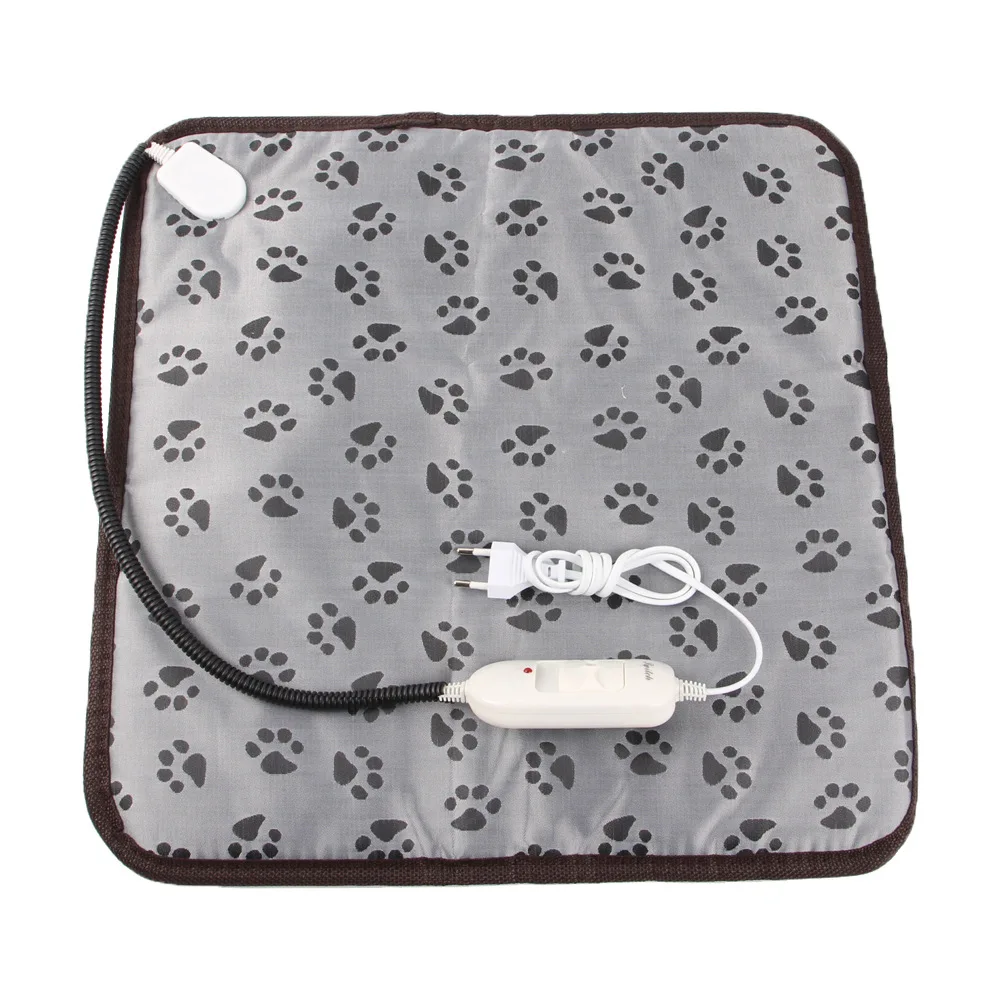
A heated bed or warming pad designed specifically for pets may be a more suitable option than a human electric blanket. However, pet-specific does not mean risk-free. The product must be suitable for the dog’s size, behavior, health, and sleeping environment.
The American Kennel Club recommends looking for features such as temperature regulation, automatic shutoff, and chew-resistant cords. These features can reduce certain risks, but they cannot remove every possible hazard. Follow the exact product instructions rather than assuming all pet heating products work in the same way.
Some pet beds use thermostatic controls to regulate their surface temperature. Others have fixed heat settings or timers. Before use, confirm whether the product is intended for indoor use, whether it can be covered, and whether the manufacturer allows continuous operation.
Source: m.media-amazon.com
Temperature control
Look for a documented temperature regulation system intended for animal use.
Automatic shutoff
A timer or automatic shutoff can limit how long the heating element remains active.
Protected electrical cord
A chew-resistant cord and secure connection can help reduce access to electrical parts.
Clear instructions
The manufacturer should explain setup, cleaning, placement, supervision, and restrictions.
Suitable size
The bed should allow the dog to lie comfortably and move away from the warm section.
What Features Should A Safe Heated Dog Bed Have?
Choose a product with a clear safety design and instructions. A low-voltage system alone is not proof that a product cannot cause burns or electrical injury. Look at the complete design, including the heating element, thermostat, cord, connector, cover, and power supply.
Check whether the bed has been designed for pets rather than simply marketed for them. Read the manufacturer’s stated operating limits and inspect the product before every use. Do not use a product with unclear instructions or an electrical supply that does not match your household.
A regulated heat source
The product should explain how it controls heat and what temperature range it is designed to maintain.
A removable washable cover
A washable cover can make cleaning easier, provided the heating unit is removed or protected exactly as instructed.
Recognized safety information
Check for relevant electrical safety certification and verify any certification claim independently.
Can A Heated Dog Bed Stay On All Night?
Do not assume that every heated dog bed is designed for overnight use. Some products have timers, while others may be designed for longer operation under specific conditions. Only follow overnight-use instructions when the manufacturer clearly permits it.
For a dog that is elderly, weak, unable to change position, or likely to chew the cord, consult a veterinarian before using powered heat. A regular insulated bed may be a better choice.
Check the operating instructions
Confirm whether continuous use is permitted and whether supervision is required.
Keep the sleeping area open
Do not place the bed in a confined space where the dog cannot move away from heat.
Which Dogs Face The Greatest Risk From Heated Blankets?
Dogs that cannot sense heat or move away from it are at greater risk of injury. Age, illness, mobility, body size, coat type, and behavior all affect how a dog responds to a warm sleeping surface.
A healthy adult dog that can move freely may respond differently from a senior dog with arthritis. However, the ability to move does not make an electric blanket automatically safe. Even an active dog can chew a cord or remain in contact with a hot surface for too long.
Source: cdn.bmstores.co.uk
Senior dogs
Older dogs may have reduced mobility or slower responses, making it harder to move away from heat.
Puppies
Young dogs may chew cords, struggle to regulate their comfort, or become trapped in unsuitable bedding.
Dogs with arthritis
Joint pain can make changing sleeping positions difficult. A warm, supportive bed may help comfort, but powered heat needs veterinary guidance.
Sick or recovering dogs
Illness, sedation, weakness, or reduced sensation can affect a dog’s ability to respond to heat.
Small and short-haired breeds
Some small or short-haired dogs may feel cold more easily, but their need for warmth does not justify using an unsafe heat source.
Dogs that chew
A dog that bites or tears bedding should not have access to an exposed electrical cord.
Are Heated Blankets Safe For Senior Dogs?
Senior dogs need extra care because age-related problems can reduce movement and sensitivity. A dog with arthritis may remain in one position for a long time because changing positions is painful. This can increase the chance of prolonged heat exposure.
A supportive orthopedic bed with a warm, breathable blanket is a reasonable starting point. If your senior dog seems to need additional heat, discuss the safest method with a veterinarian. The advice should account for mobility, skin health, circulation, and any existing medical condition.
Avoid direct electrical heat
Do not place an ordinary electric blanket directly under a senior dog.
Check the skin
Look for redness, irritation, hair loss, or areas that seem painful during normal grooming.
Are Heated Blankets Safe For Puppies?
Puppies should not be left alone with a human electric blanket. Young dogs may chew, scratch, or pull at the fabric and cord. Very young puppies also have different temperature needs from adult dogs, so their sleeping area should be managed according to veterinary advice.
Use suitable bedding and maintain a comfortable room temperature. If a young puppy cannot stay warm, appears weak, or stops feeding normally, contact a veterinarian rather than trying to solve the problem with an electric blanket.
Keep cords out of reach
Do not allow a puppy to play near a powered heating device.
Use suitable bedding
Choose dry, washable bedding that does not trap the puppy or restrict movement.
Safer Alternatives To Electric Blankets For Dogs
Non-electric warming methods are usually the best place to start when a dog needs extra comfort. They provide insulation without a powered heating element beneath the animal. The right option depends on the dog’s coat, age, health, and sleeping habits.
A warm bed does not need to feel hot to help a dog stay comfortable. Dry insulation, a draft-free room, and suitable bedding can reduce heat loss. These simple changes are often enough for a healthy dog in a comfortable indoor home.
Source: m.media-amazon.com
Self-warming dog beds
These beds use insulating materials or reflective layers to help retain the dog’s own body heat without electricity.
Ordinary fleece blankets
A dry, breathable blanket can provide warmth without electrical cords or heating elements.
Orthopedic dog beds
Supportive foam can make resting more comfortable for dogs with joint stiffness or age-related mobility problems.
Dog sweaters and coats
A suitable garment can help some short-haired or cold-sensitive dogs stay warm, provided it fits well and does not restrict movement.
A warmer sleeping location
Move the bed away from cold floors, open doors, and drafts. Keep the area dry and comfortable.
How Do Self-Warming Dog Blankets Work?
Self-warming blankets do not use electricity. They rely on insulating fabrics or reflective materials to reduce the loss of heat from a dog’s body. The dog supplies the warmth, while the blanket helps retain it.
These products are useful for dogs that need a little extra warmth but do not need active heating. They also avoid the electrical risks linked to cords and powered heating elements. However, they still need regular inspection and cleaning.
No power supply
There is no electrical cord or heating element to chew or damage.
Easy placement
A self-warming layer can usually be placed on a suitable dog bed or resting area.
Regular inspection
Replace damaged fabric or loose filling that a dog could swallow.
Can A Regular Blanket Keep A Dog Warm Enough?
Yes. A normal blanket may provide enough warmth for many indoor dogs. The main benefit comes from insulation, which helps reduce heat loss rather than adding continuous external heat.
Choose a blanket that is breathable, dry, and large enough for the dog to lie on comfortably. Avoid heavy or loose bedding if the dog tends to burrow, chew, or become tangled. Check for holes and loose threads during routine cleaning.
Keep it dry
Damp bedding can make a dog colder and should be replaced promptly.
Choose a suitable weight
Avoid heavy layers that make it difficult for the dog to move or uncover itself.
How To Keep Your Dog Warm Safely During Winter
A safe winter routine starts with controlling the environment rather than adding intense heat. In colder parts of the United States, indoor temperatures can vary between rooms, especially near exterior doors, garages, and poorly insulated floors. Place your dog’s bed in a dry area away from drafts.
Check your dog after walks in cold or wet weather. Dry the coat and paws before allowing the dog to rest. A wet coat can increase heat loss, while cold floors may make a resting area less comfortable.
Dogs differ in their cold tolerance. A thick-coated northern breed may be comfortable in conditions that are unpleasant for a small, short-haired dog. Watch the individual animal rather than relying only on the outdoor temperature.
Source: img4.dhresource.com
Provide a dry sleeping area
Wash and dry bedding regularly. Replace wet blankets after rain, snow, or bath time.
Reduce drafts
Keep beds away from open doors, windows, and cold air vents.
Use suitable clothing
Consider a properly fitted coat for cold-sensitive dogs during outdoor walks.
Maintain normal activity
Use appropriate indoor play and exercise to help your dog stay active during cold weather.
Monitor behavior
Watch for persistent shivering, unusual tiredness, weakness, or reluctance to move.
How Can You Tell If Your Dog Is Too Cold?
Shivering is one possible sign that a dog is cold, but it is not the only one. A cold dog may curl up tightly, seek warm places, lift its paws, move slowly, or try to avoid going outside. These signs should be considered alongside the weather, the dog’s health, and its usual behavior.
Severe cold exposure can lead to hypothermia. Veterinary Partner explains that a body temperature below 98 degrees Fahrenheit in dogs and cats indicates hypothermia and requires urgent veterinary attention. Do not try to manage suspected hypothermia with an electric blanket.
Early signs
Shivering, curling up, seeking warmth, and reduced willingness to stay outdoors.
Serious signs
Marked weakness, lethargy, poor coordination, pale or blue gums, or difficulty using the limbs.
Immediate action
Move the dog to a warm indoor space, use dry blankets, and seek urgent veterinary care if severe signs are present.
What Should You Do If Your Dog Is Cold And Shivering?
Move your dog indoors and remove wet clothing or bedding. Wrap the animal in dry, comfortably warm blankets and allow its body temperature to rise gradually. Avoid direct contact with very hot objects or surfaces.
Contact a veterinarian if the shivering continues, the dog appears weak, or other unusual signs develop. Cold exposure can sometimes occur alongside an illness or another medical problem. A heating blanket is not a substitute for diagnosis or treatment.
Warm gradually
Use a warm room and dry blankets instead of intense direct heat.
Avoid burns
Do not put the dog directly on a heating pad or use an extremely hot water bottle.
Get medical help
Seek veterinary care for persistent shivering, weakness, unusual behavior, or suspected hypothermia.
How To Use A Pet Heating Product With Less Risk
If a veterinarian agrees that a pet-specific heated bed is suitable, follow a careful setup and monitoring routine. Read the full instructions before connecting the device. Do not assume that a product can be used under every type of bedding or inside every crate.
Inspect the heating surface, cord, plug, and controller before each use. Place the bed on a stable, dry surface and keep the electrical parts away from water. Make sure the dog can leave the warm area without help.
The U.S. Consumer Product Safety Commission warns that damaged electric blankets can create fire hazards. Its household safety guidance also warns against covering operating electric blankets or folding them during use because trapped heat can cause overheating. These warnings concern electric blankets generally and should not be treated as permission to use a human blanket for a dog.
Source: m.media-amazon.com
Read the product instructions
Check permitted bedding layers, cleaning rules, operating time, and whether supervision is required.
Inspect electrical parts
Look for frayed cords, exposed wires, damaged plugs, unusual smells, and signs of overheating.
Keep cords protected
Position the cord where the dog cannot chew, pull, or become tangled in it.
Provide a cooler resting spot
Allow the dog to move away from the heated surface at all times.
Switch off when not needed
Follow the manufacturer’s shutdown instructions and disconnect the device when required.
What Should You Check Before Switching On A Heated Dog Bed?
A quick inspection can help identify visible problems before they become more serious. Look closely at the cord, connector, outer fabric, controller, and heating surface. Do not use a bed that has been chewed, punctured, soaked, or altered.
Check the dog’s behavior during initial use. If the dog keeps moving away, pants, seems restless, or shows signs of discomfort, switch the device off. A dog should never be forced to use a heated bed.
Check the power supply
Make sure the voltage and electrical connection match the manufacturer’s requirements.
Check the surface
Look for damaged fabric, exposed heating parts, unusual hot spots, or other visible defects.
Check the dog
Confirm that the dog can stand, turn around, and leave the bed without difficulty.
When Should You Stop Using A Heated Blanket?
Stop using the device immediately if it produces an unusual smell, makes unexpected sounds, develops scorch marks, becomes damaged, or causes the dog to show signs of pain or overheating. Unplug it safely if there is no immediate danger in doing so.
Never continue using a product because it still appears to work after damage. A heating element can have an internal fault that is not visible from the outside. Replace defective equipment rather than attempting an improvised repair.
Visible damage
Frayed fabric, exposed wires, broken connectors, and damaged controls are reasons to stop use.
Unusual heat
Unexpected hot spots, melting, smoke, or burning odors require immediate action.
Changes in the dog
Pain, excessive panting, restlessness, redness, or unusual licking may indicate a problem.
Common Mistakes Dog Owners Should Avoid
Many heating-related injuries happen because owners assume that a comfortable temperature for a person must also be suitable for a dog. Another common mistake is leaving a dog alone with a powered heat source because the device has a low setting. Neither assumption provides a reliable safety guarantee.
A dog needs room to move, access to cooler bedding, and protection from electrical parts. Safe use also depends on the condition of the device and the manufacturer’s instructions. Avoid shortcuts that change how the heating system is designed to work.
Source: m.media-amazon.com
Using a human blanket as pet bedding
Human electric blankets are not designed around all the needs and behaviors of dogs.
Leaving a dog unattended
A dog may overheat, become tangled, or damage a cord without anyone noticing.
Folding a powered blanket
Folding can damage internal wires and create concentrated heat. Follow the product’s operating instructions.
Covering the heating element incorrectly
Extra layers may trap heat or interfere with temperature control. Use only approved covers.
Ignoring chewing behavior
A dog that chews bedding or cables should not have access to a powered heating device.
Using damaged equipment
A worn cord, exposed wire, or scorched fabric can create serious electrical and fire hazards.
Is It Safe To Put A Heated Blanket Inside A Dog Crate?
Do not put an ordinary human electric blanket inside a dog crate. A confined dog may have limited space to move away from heat, and the crate may also restrict access to a cooler resting area.
Only consider a pet-specific heating product if its manufacturer explicitly permits crate use. Follow the required setup instructions and ensure the dog can move away from the heated section. For dogs that chew or become distressed in crates, non-electric bedding is generally a more suitable option.
Check crate compatibility
The heating product must be specifically approved for the intended crate setup.
Keep the dog mobile
The dog must have enough room to change position and avoid the warm section.
When Should You Ask A Veterinarian About Extra Warmth?
Ask a veterinarian before using powered heat if your dog has arthritis, diabetes, reduced sensation, poor mobility, a skin condition, or a serious illness. These problems may change how the dog senses heat or responds to prolonged contact. A veterinarian can help decide whether extra warmth is appropriate and which method is safest.
A dog that suddenly seems cold may also have an underlying medical problem. Weakness, unusual tiredness, poor appetite, pale gums, or difficulty walking should not be dismissed as ordinary winter discomfort. Medical assessment is especially important when cold signs continue after the dog has been moved indoors.
Veterinary Partner’s guidance on hypothermia recommends moving a cold animal into a warm environment, using warm blankets, and seeking veterinary attention. It specifically warns against excessive surface heat and direct contact with a heating pad.
Source: i5.walmartimages.com
Persistent shivering
Arrange veterinary advice if your dog continues to shiver after being moved to a warm, dry place.
Reduced movement
A dog that cannot easily stand, turn, or change sleeping positions may need a different warming plan.
Possible burns
Seek veterinary care for suspected thermal injury, even when the affected skin is partly hidden by fur.
Possible hypothermia
Weakness, poor coordination, unusual drowsiness, or pale or blue gums require urgent attention.
Can Heated Blankets Help Dogs With Arthritis?
Gentle warmth may make a resting area more comfortable for some dogs with joint stiffness. However, a heated blanket is not a treatment for arthritis and cannot replace veterinary care, pain management, or an appropriate exercise plan.
An orthopedic bed and a comfortable room may provide support without the risks of an electric heating element. If additional heat is being considered, ask the veterinarian to assess the dog’s ability to move away from the warm surface and its skin sensitivity.
Prioritize support
Choose a bed that supports the dog’s body and makes standing up easier.
Avoid uncontrolled heat
Do not apply a human electric blanket directly to painful joints.
Frequently Asked Questions
Q
Can I Leave My Dog Alone With A Heated Blanket?
It is not advisable to leave a dog alone with a human electric blanket. A dog may overheat, chew the cord, become tangled, or remain on a hot surface for too long. Even pet-specific heating products should only be used according to their instructions and supervision requirements.
Q
Are Heated Blankets Safe For Dogs At Night?
A human heated blanket is not a recommended overnight sleeping surface for a dog. A pet-specific heated bed may permit longer use if the manufacturer explicitly allows it, but the dog must be able to move away from the warm area. Ordinary blankets and self-warming bedding are safer starting points.
Q
Can A Dog Sleep On A Heating Pad?
A dog should not sleep directly on an ordinary human heating pad. Prolonged contact can cause burns, especially in sleeping, elderly, sick, or less mobile animals. Veterinary guidance recommends caution with heating pads and warns against direct contact with their hot surfaces.
Q
Are Self-Warming Blankets Better Than Electric Blankets?
Self-warming blankets are generally a safer first choice because they do not need electricity or heating wires. They retain some of the dog’s own body heat rather than producing continuous external heat. However, they still need to be kept clean, dry, and free from holes or loose material.
Q
What Is The Safest Way To Keep A Dog Warm In Winter?
Provide a dry bed, a comfortable room, and a breathable blanket. Keep the sleeping area away from drafts and cold floors. A properly fitted dog coat may help during outdoor walks. If your dog remains cold or shows signs of illness, contact a veterinarian instead of relying on an electric blanket.
Q
Can Heated Blankets Cause Electric Shocks In Dogs?
Yes. A dog that chews a powered cord or damaged electrical connection may receive an electric shock. Keep cords inaccessible, stop using damaged products, and seek urgent veterinary care if an electrical injury is suspected.
✦ Wrapping Up
Conclusion
Heated blankets are not automatically safe for dogs. Human electric blankets can expose pets to burns, overheating, electric shocks, and fire hazards. Dogs with limited movement, reduced sensation, or chewing habits may face greater risks.
For most household dogs, a dry ordinary blanket, a self-warming bed, and a comfortable indoor sleeping area are sensible ways to provide extra warmth. If powered heating is necessary, choose a product specifically designed for pets and follow its instructions. Ask a veterinarian first when your dog is elderly, sick, weak, or unable to move away from the heat.
Keeping a dog warm should never mean exposing it to uncontrolled heat. A comfortable sleeping space, regular checks, and attention to changes in behavior can help protect your pet during cold weather.
💡 Key Takeaway
Choose non-electric bedding first. Avoid human electric blankets, inspect all pet heating products, keep cords out of reach, and consult your veterinarian before using powered heat for a dog with health or mobility problems.