Cherry pit heating pads are not automatically safe for pets. They can cause burns if they are too hot, and loose or damaged cherry pits may create choking, digestive, or poisoning risks if chewed or swallowed. Veterinary approval and close supervision are essential.
During cold weather across the United States, many pet owners look for natural ways to keep dogs and cats warm. Homes in northern states, including Minnesota, Michigan, and New York, can become especially cold during winter. A cherry pit heating pad may seem like a simple option because it holds warmth without an electric cord.
However, a natural filling does not make a warming product harmless. Cherry pit pads are usually filled with cleaned and dried cherry stones. They are heated in a microwave and then used to provide gentle warmth. Although this design avoids some risks linked to electric heating pads, it still creates heat that can damage sensitive skin.
There is another concern. Cherry pits contain compounds that can release cyanide when the hard seed is broken and chewed. The risk from a damaged heating pad is different from the risk of simply touching an intact pad, but pet owners should understand both. A curious dog or cat may chew the fabric and reach the filling.
The safest approach is to avoid giving a pet direct access to a heated cherry pit pad. If a veterinarian approves its use for a specific purpose, follow the product instructions, control the temperature, and supervise the animal. For routine warmth, a comfortable bed and dry blankets are usually better choices.
Source: i.etsystatic.com
What Are Cherry Pit Heating Pads?
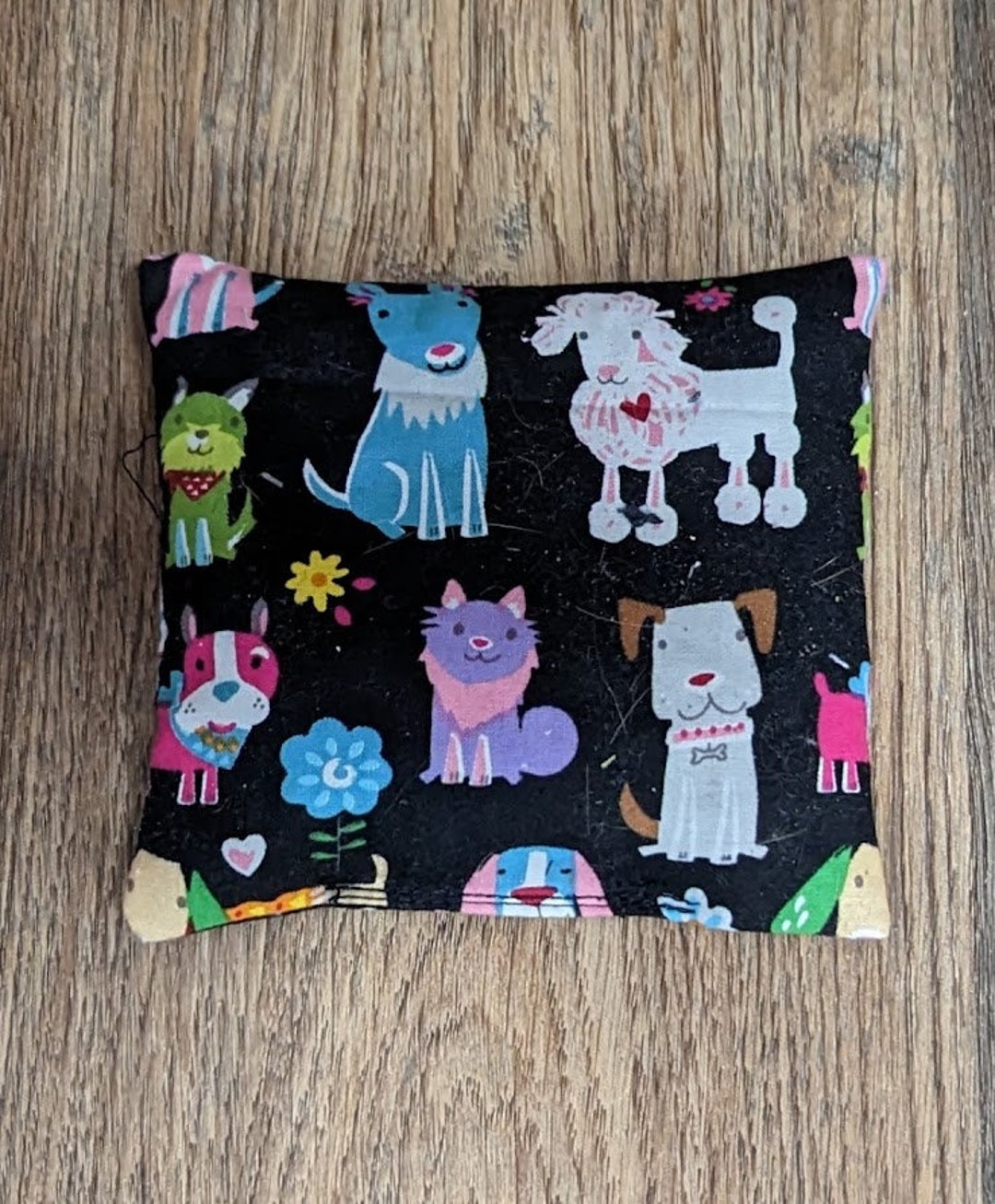
Cherry pit heating pads are reusable heat packs filled with cleaned and dried cherry stones. Some are made as flat cushions, while others have long shapes that fit around the neck, back, or shoulders. The fabric holds the pits inside and helps spread warmth across the surface.
Unlike electric heating pads, these products do not need a power cord during use. Most are designed to be warmed in a microwave according to the manufacturer’s instructions. After heating, the stored warmth slowly moves from the pits through the fabric.
The product is often sold for human comfort, muscle relaxation, and temporary warmth. A product designed for people is not automatically suitable for animals. Dogs and cats have different body sizes, sleeping habits, chewing behavior, and heat tolerance.
Source: nagihandesigns.com
Natural filling
The filling consists of cherry stones rather than an electrical heating element or liquid gel.
Stored heat
The pits absorb heat during warming and release it over time as the pad cools.
Reusable design
Many pads can be reheated, provided they remain dry, intact, and suitable for repeated heating under their product instructions.
How Do Cherry Pit Heating Pads Work?
Cherry pits absorb and store thermal energy when heated. Once the pad is removed from the microwave, that energy gradually moves toward the cooler surrounding air or nearby surfaces. This creates a period of gentle warmth.
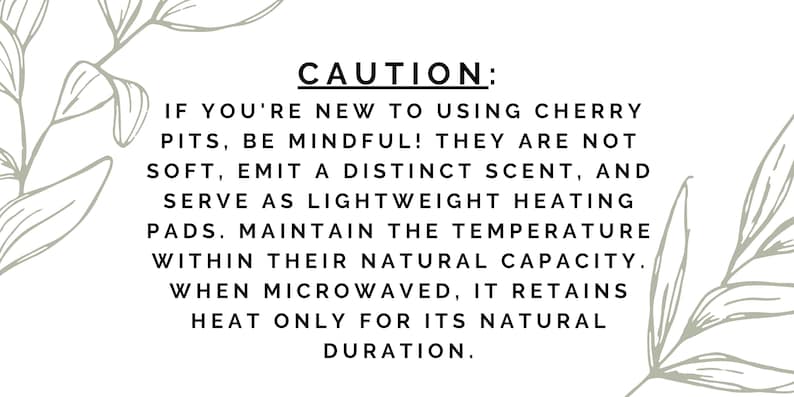
The amount of heat depends on several factors, including microwave power, heating time, pad size, filling condition, and room temperature. A larger pad may retain warmth longer than a small one, but size alone does not establish a safe temperature for an animal.
Some manufacturers provide specific heating instructions for each pad size. Those instructions apply to the named product and should not be copied to another brand or model.
Are Cherry Pit Heating Pads Safe For Pets?
Cherry pit heating pads are not a risk-free choice for pets. They may provide warmth when handled correctly, but there is not enough veterinary evidence to establish that ordinary human cherry pit pads are safe for direct use on dogs and cats.
The main concern is thermal injury. A pad that feels pleasantly warm to an adult may be too hot for an animal’s skin, especially when the animal lies against it for a long time. Fur does not guarantee protection from heat injuries.
A second concern is access to the filling. Pets may scratch, bite, or tear the fabric. If the pits escape, a curious animal may swallow them. Broken cherry pits also raise a separate poisoning concern.
The Veterinary Information Network’s guidance on hypothermia warns against placing pets directly on heating pads. It recommends avoiding excessive surface heat and using layers of towels when a heating pad is needed. Veterinary guidance from VCA also warns that heating pads can burn sleeping animals, particularly older, arthritic, or sick pets.
Therefore, the most cautious choice is to use a normal pet bed and blankets for daily warmth. Do not use a cherry pit pad as a substitute for veterinary treatment or as an unattended heating source.
Source: i.etsystatic.com
Burn risk
A hot surface can injure skin during prolonged contact, even when the heat does not initially seem extreme.
Chewing risk
A damaged cover can release small, hard cherry pits that pets may chew or swallow.
Uneven heat
Microwave heating can create warmer areas within a pad, making its surface temperature less predictable.
Limited safety evidence
A human-use product label does not establish that a product is safe for direct animal contact.
Are Cherry Pit Heating Pads Safer Than Electric Heating Pads?
Cherry pit pads avoid the electrical cord and powered heating element found in electric pads. This can reduce the risk of electrical injury from a pet chewing a live cord. However, it does not make a cherry pit pad completely safe.
Both types can cause thermal burns. Cherry pit pads can also overheat during microwave use or retain more heat than expected. Electric pads have additional risks involving damaged wires, faulty controls, and prolonged heating.
A purpose-made pet warming pad with suitable temperature controls may be more appropriate when a veterinarian recommends active warming. Even then, it should be used according to its instructions and the animal’s medical needs.
Main Risks Of Cherry Pit Heating Pads For Dogs And Cats
The risks depend on the pad’s condition, temperature, and how the animal interacts with it. Understanding these hazards helps owners decide whether the product should be kept away from their pets.
Source: i.etsystatic.com
1. Skin burns
A heated pad can cause redness, pain, and deeper tissue damage. The risk increases when a pet cannot move away from the heat or remains in contact with one area for too long.
2. Cherry pit poisoning
Cherry pits contain cyanogenic compounds. When a pit is broken or crushed, it can release cyanide. Chewing the filling is therefore a serious concern.
3. Choking and digestive blockage
Small pits can become a choking hazard. If swallowed, they may also cause digestive irritation or a foreign-body obstruction, depending on their size and number.
4. Fabric damage
Repeated use, scratching, washing, or chewing may weaken the seams. A small tear can allow the filling to escape.
5. Overheating and fire
Excessive microwave heating can scorch the fabric and filling. Some microwave manufacturers specifically warn against heating cherry pit cushions because they can ignite under certain conditions.
Can Cherry Pits Cause Cyanide Poisoning In Pets?
Yes, broken cherry pits can release cyanide. Pet Poison Helpline explains that cherry plants contain cyanogenic glycosides and that the pits are a major concern when chewed and crushed.
This does not mean that simply touching a sealed cherry pit heating pad causes cyanide poisoning. The concern is exposure to the actual filling, especially when a pet tears open the cover and chews the stones.
Pet Poison Helpline also explains that swallowing an intact whole cherry pit is not generally expected to cause cyanide poisoning. However, a whole pit can still create a foreign-body concern, depending on the pet’s size and the number swallowed.
If your dog or cat chews open a cherry pit pad, contact a veterinarian promptly. Do not wait for symptoms before seeking advice. If the animal has difficulty breathing, collapses, or shows severe weakness, seek emergency veterinary care.
Possible poisoning signs
Difficulty breathing, dilated pupils, unusual gum color, weakness, and collapse can occur in serious cyanide exposure.
Possible blockage signs
Vomiting, abdominal discomfort, reduced appetite, and difficulty passing stool may suggest a digestive problem.
Can A Cherry Pit Heating Pad Burn A Pet?
Yes. A cherry pit pad can cause a burn if it is too hot or stays against the same area of skin for too long. This can happen even if the pad does not feel extremely hot when a person first touches it.
Pets cannot always communicate discomfort clearly. A sleeping animal may remain in contact with a warm surface longer than is safe. Fur can also hide early skin changes, so owners may not notice an injury immediately.
The 2026 RECOVER first-aid guidelines for dogs and cats identify heating devices as a possible source of thermal injury. They also explain that prolonged contact with a less intensely hot surface can cause burns that are harder to recognize.
Which Pets Should Avoid Cherry Pit Heating Pads?
Some animals face a greater risk of heat injury than healthy adult pets. Their ability to sense heat, change position, or move away from a warm surface may be reduced.
For these animals, a cherry pit heating pad should not be used directly against the body without a veterinarian’s specific recommendation. In many cases, a warm sleeping area is a safer solution.
Senior dogs and cats
Older pets may have reduced mobility and may sleep more deeply. They may not move away quickly when a surface becomes uncomfortable.
Pets with arthritis
Joint pain can make it difficult to change sleeping positions. A pet may remain in contact with a hot area for too long.
Pets with diabetes or nerve problems
Some medical conditions can affect sensation. Reduced ability to feel heat may make burns harder to prevent.
Very young animals
Puppies and kittens may have limited ability to regulate body temperature and may not respond well to excessive heat.
Sick or recovering pets
Animals with illness, injuries, or recent surgery may need a controlled warming plan from a veterinarian.
Pets that chew objects
Dogs and cats that bite bedding or soft toys may quickly damage the pad and expose the filling.
Are Cherry Pit Heating Pads Safe For Senior Pets?
Senior pets need extra care because age can affect movement, sleep patterns, and the ability to respond to discomfort. A dog with stiff joints may struggle to move away from a heated surface. An older cat may also remain in one sleeping position for an extended period.
A padded orthopedic bed, warm blankets, and a draft-free room are usually better options for everyday comfort. If an older pet seems unusually cold, weak, or reluctant to move, arrange a veterinary examination instead of relying on a heating pad.
Are Cherry Pit Heating Pads Safe For Puppies And Kittens?
Puppies and kittens need careful temperature management, particularly during their early weeks of life. They may not be able to move away from an unsuitable heat source as effectively as a healthy adult animal.
A veterinarian should guide any active warming plan for a very young animal. Do not place a hot cherry pit pad inside a nesting box or crate where the animal cannot move away from it.
How To Reduce Risks If A Veterinarian Approves A Cherry Pit Pad
If a veterinarian specifically approves a cherry pit pad for a particular pet, careful handling is essential. Approval for one animal or medical situation does not mean the product is suitable for every pet.
The safest approach is to use the pad as an indirect warming aid rather than allowing the animal to lie directly on it. A veterinarian may recommend warming a bed before use and then removing the pad. Follow the veterinary instructions rather than assuming a general heating time is suitable.
Source: petnobs.com
Inspect the fabric
Check the seams, cover, and filling area before every use. Do not use a pad with loose threads, holes, damaged stitching, or leaking pits.
Follow the exact product instructions
Use only the heating method and time approved for that particular model. Never assume all cherry pit pads need the same microwave setting.
Check the temperature
Allow the pad to settle after heating and check for unusually hot areas. A hand test alone cannot establish a medically safe temperature for every animal.
Use an appropriate barrier
If a veterinarian permits indirect use, follow their instructions about a protective layer. Do not assume a thin cloth makes an overheated pad safe.
Keep the pet supervised
Stay nearby and watch for restlessness, attempts to move away, panting, or signs of discomfort.
Remove the pad after warming
If the veterinary plan is to prewarm bedding, remove the pad before the pet settles down.
Safe Microwave Handling
Microwave safety matters because cherry pit pads contain dry organic material. Excessive heat can scorch the filling, damage the fabric, or create a fire hazard.
A manufacturer’s instructions may provide a heating time based on a specific microwave wattage and pad size. For example, one manufacturer publishes different maximum heating times for its small, medium, and large pads. Those figures should not be treated as universal instructions.
Some microwave manuals warn against heating cherry pit cushions altogether. If your appliance manual prohibits heating such products, do not use that microwave for this purpose. A product manufacturer’s instructions do not override the appliance manufacturer’s safety warnings.
Never guess the heating time
Different microwave power levels and pad designs can produce different results.
Do not heat a damaged pad
A torn or leaking pad should be replaced rather than reheated.
Keep the pad dry
Follow the product’s moisture instructions. Some manufacturers warn against heating damp or frozen pads.
Watch for unusual smells or smoke
Stop using the product if it smells burnt, smokes, scorches, or shows signs of damage.
Signs That A Pet Is Too Hot
A pet may show discomfort before a visible burn develops. Watch its behavior instead of relying only on the pad’s surface temperature.
Remove the heat source if the animal repeatedly moves away, pants, becomes restless, or seems uncomfortable. Do not force a pet to remain on a warm surface.
Repeated position changes
The pet keeps moving to cooler parts of the bed or away from the pad.
Excessive panting
The animal pants more than expected while resting in a warm indoor area.
Skin discomfort
The pet reacts when a particular body area is touched or begins licking the same area repeatedly.
Unusual behavior
The pet appears restless, weak, unusually quiet, or reluctant to lie down.
Safer Alternatives To Cherry Pit Heating Pads For Pets
A warm sleeping area is often enough to keep a healthy indoor dog or cat comfortable during cold weather. You do not need a heated product for every pet, and many animals prefer a soft, dry bed in a quiet part of the home.
If your pet needs extra warmth, choose an option that suits its age, health, behavior, and ability to move away. Ask a veterinarian before using an active heating device for an animal with a medical condition.
1. Soft pet blankets
A clean fleece or cotton blanket can help retain body warmth without creating a hot surface. Choose a fabric that your pet does not chew or swallow.
2. Orthopedic pet beds
A supportive bed can help senior dogs and pets with joint discomfort. Choose a size that allows the animal to stretch and change position.
3. Self-warming pet beds
Some self-warming beds use reflective materials to help retain body heat without electricity. Inspect the seams and fabric, especially if your pet likes to chew bedding.
4. Draft-free sleeping areas
Move the bed away from cold windows, exterior doors, and direct drafts. A stable room temperature can make a major difference.
5. Veterinarian-approved pet heating pads
When active warming is medically necessary, use a product made for pets and follow the veterinarian’s instructions and the manufacturer’s safety guidance.
Are Self-Warming Pet Beds Better Than Cherry Pit Pads?
A self-warming pet bed may be a better everyday choice because it does not need to be heated in a microwave. Many designs use a reflective inner layer to help retain some of the animal’s body heat.
This removes the need to handle a freshly heated pad and reduces the risk of microwave overheating. However, self-warming beds are not automatically risk-free. A pet that chews fabric may still swallow loose material, and damaged products should be replaced.
For most healthy pets, a comfortable self-warming bed or ordinary blanket is a more practical first choice than a cherry pit heating pad.
When Does A Pet Need Veterinary Warming Support?
A pet that feels cold may be dealing with more than a chilly room. Hypothermia can occur because of cold exposure, but it can also be linked to serious medical problems such as shock, infection, or organ disease.
Veterinary Partner’s hypothermia guidance explains that a low body temperature in dogs and cats requires prompt medical attention. A cold, weak, or unresponsive animal should not be treated at home with a hot cherry pit pad.
Move the pet to a warm environment, wrap it in dry blankets, and contact a veterinarian. Avoid direct intense heat while arranging care.
What To Do If Your Pet Chews Or Swallows A Cherry Pit Pad
If your pet damages a cherry pit pad, remove the product immediately and prevent further access to the filling. Do not assume that a small amount of missing material is harmless.
The correct response depends on whether the animal swallowed intact pits, chewed or crushed them, or simply tore the fabric. A veterinarian or animal poison specialist can assess the risk based on the pet’s size, the number of pits, and the symptoms.
Step 1: Remove the remaining pad
Take the damaged pad away and collect any loose pits that are within reach.
Step 2: Check what is missing
Look for broken fabric, scattered filling, and signs that the animal has swallowed any material. Do not delay veterinary contact while trying to count every pit.
Step 3: Contact a veterinarian
Explain what happened, when it occurred, and whether the pits appear crushed or intact. Share the product details if available.
Step 4: Watch for symptoms
Look for vomiting, breathing problems, weakness, abdominal discomfort, unusual gum color, or collapse.
Step 5: Follow professional instructions
Do not induce vomiting or give home remedies unless a veterinary professional specifically instructs you to do so.
What If Your Pet Has A Heating Pad Burn?
Remove the heat source immediately. If you suspect a thermal burn, cool the affected area with cool running water or a clean cool-water compress while arranging veterinary care. Do not use ice or apply butter, oil, or household creams.
Burns can look mild at first and become more serious later. Fur may hide redness or tissue damage. The 2026 RECOVER veterinary first-aid guidelines identify the need to recognize thermal injuries from heating devices and other hot surfaces.
Seek veterinary attention promptly, particularly if the skin is blistered, discolored, painful, swollen, or damaged. Do not remove burned hair or skin yourself.
Urgent warning signs
Blisters, severe pain, blackened skin, open wounds, weakness, or signs of shock require urgent veterinary care.
Avoid home treatments
Do not apply ice, butter, toothpaste, or unapproved ointments to a suspected burn.
Cherry Pit Heating Pads Vs Other Pet Warming Options
Different warming products have different benefits and risks. The best option depends on whether your goal is ordinary comfort or medically supervised warming.
The following comparison focuses on common household options rather than claiming that one product is universally safe for every dog or cat.
Cherry pit heating pad
Stores warmth without an electrical cord, but may overheat, cause burns, or expose pets to cherry pits if the cover breaks.
Electric pet heating pad
Can provide controlled warmth when designed for animals, but requires careful use and protection from damaged cords and excessive heat.
Self-warming bed
Uses body heat rather than an active heating element. It is useful for everyday comfort but offers limited warming compared with an active heat source.
Ordinary pet blanket
Provides a simple layer of insulation without requiring electricity or microwave heating.
Warm water bottle
May provide warmth when properly covered and used under veterinary direction, but leaks and excessive heat can cause injury.
Which Warming Option Should You Choose?
For a healthy adult dog or cat that simply feels cold, begin with a dry blanket, comfortable bed, and warm indoor space. These options are easy to manage and do not create a heated surface.
For a senior animal or a pet with a medical condition, discuss suitable warming products with a veterinarian. A product that works for a healthy adult cat may not be appropriate for a weak kitten or a dog with reduced skin sensation.
If your pet has signs of hypothermia, do not rely on a home warming product. Seek veterinary care because the underlying cause may require treatment.
Frequently Asked Questions
Q
Can I Put A Cherry Pit Heating Pad In My Dog’s Bed?
It is best not to leave a heated cherry pit pad inside your dog’s bed. Your dog may chew the cover, lie against an overly hot area, or remain in contact with the pad for too long. If a veterinarian approves indirect warming, follow the specific instructions and consider using the pad to prewarm the bedding before removing it.
Q
Can Cats Sleep On Cherry Pit Heating Pads?
Cats should not be left to sleep directly on a heated cherry pit pad without specific veterinary guidance. A sleeping cat may not respond quickly to excessive heat, and a damaged cover may expose the filling. A comfortable self-warming bed or soft blanket is usually a safer everyday choice.
Q
Are Dried Cherry Pits Toxic To Dogs?
Dried cherry pits should not be treated as harmless. Cherry pits contain compounds that can release cyanide when the hard seed is broken and chewed. Intact pits are not generally expected to cause cyanide poisoning if swallowed, according to Pet Poison Helpline, but they can still cause choking or digestive blockage. Contact a veterinarian if your dog chews or swallows the filling.
Q
Can I Leave A Cherry Pit Heating Pad On Overnight?
No. Leaving a heated cherry pit pad with a pet overnight is not a safe general practice. The animal may remain in contact with a hot area, damage the cover, or swallow the filling. Overnight warmth is better provided by dry bedding, blankets, and a comfortable indoor temperature.
Q
Do Cherry Pit Heating Pads Stay Warm For A Long Time?
The heat-retention time depends on pad size, filling, fabric, heating conditions, and room temperature. Some manufacturers report that their products retain useful warmth for around 20 to 30 minutes, but this is product-specific and should not be assumed for every pad. Longer heat retention does not mean the pad is safe for prolonged pet contact.
Q
Are Cherry Pit Heating Pads Better Than Rice Heating Pads For Pets?
Neither filling has been established as universally safer for pets. Both products can overheat during microwave use, cause burns, and become a problem if the animal tears the cover and swallows the filling. The product’s design, condition, heating instructions, and the pet’s behavior matter more than choosing one natural filling over another.
Q
What Is The Safest Way To Keep My Pet Warm During Winter?
Provide a dry, comfortable bed away from drafts, along with a clean blanket that your pet does not chew. A self-warming bed may also help retain body heat. If your pet seems unusually cold, weak, or inactive, contact a veterinarian instead of trying to solve the problem with a heating pad.
✦ Wrapping Up
Conclusion
Cherry pit heating pads may seem like a natural and convenient way to provide warmth, but they are not automatically safe for dogs and cats. Their main risks include skin burns, uneven heating, fabric damage, and exposure to cherry pits if a pet chews the cover.
The cyanide concern deserves attention, but it needs the right context. Simply touching an intact, sealed pad is not the same as chewing and crushing cherry pits. Nevertheless, a damaged pad can expose an animal to both poisoning and digestive hazards.
For everyday warmth, a comfortable bed, soft blankets, and a draft-free room are usually better options. If a pet needs active warming because of illness, age, injury, or cold exposure, ask a veterinarian to recommend an appropriate method.
A warm pet should also be a safe pet. Avoid direct, prolonged, or unattended heat exposure, and never use a damaged cherry pit pad around an animal.
💡 Key Takeaway
Keep cherry pit heating pads out of your pet’s reach. Choose dry bedding and blankets for everyday warmth, and consult your veterinarian before using any active heating product. If your pet chews or swallows cherry pits or develops signs of a burn, seek veterinary advice promptly.