
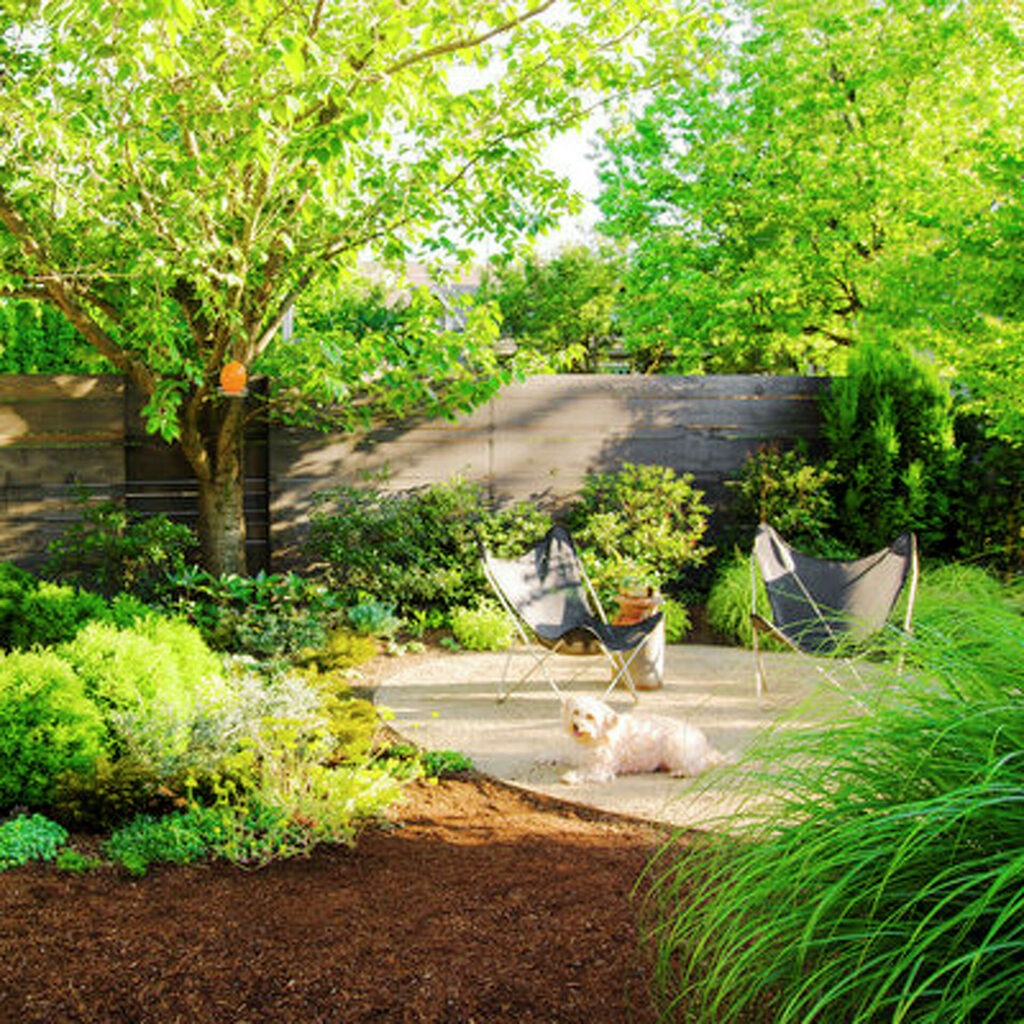
Design your space, choose safe plants, add shade and water, and train.
If you’ve wondered How To Create A Pet Friendly Garden that feels calm, safe, and beautiful, you’re in the right place. I’ve built and coached many pet owners through this process, and I’ll show you how to blend design, behavior, and safety. You’ll learn what to plant, what to avoid, and how to shape your yard so your pets thrive without wrecking your beds. Let’s build a garden that loves your pets back.
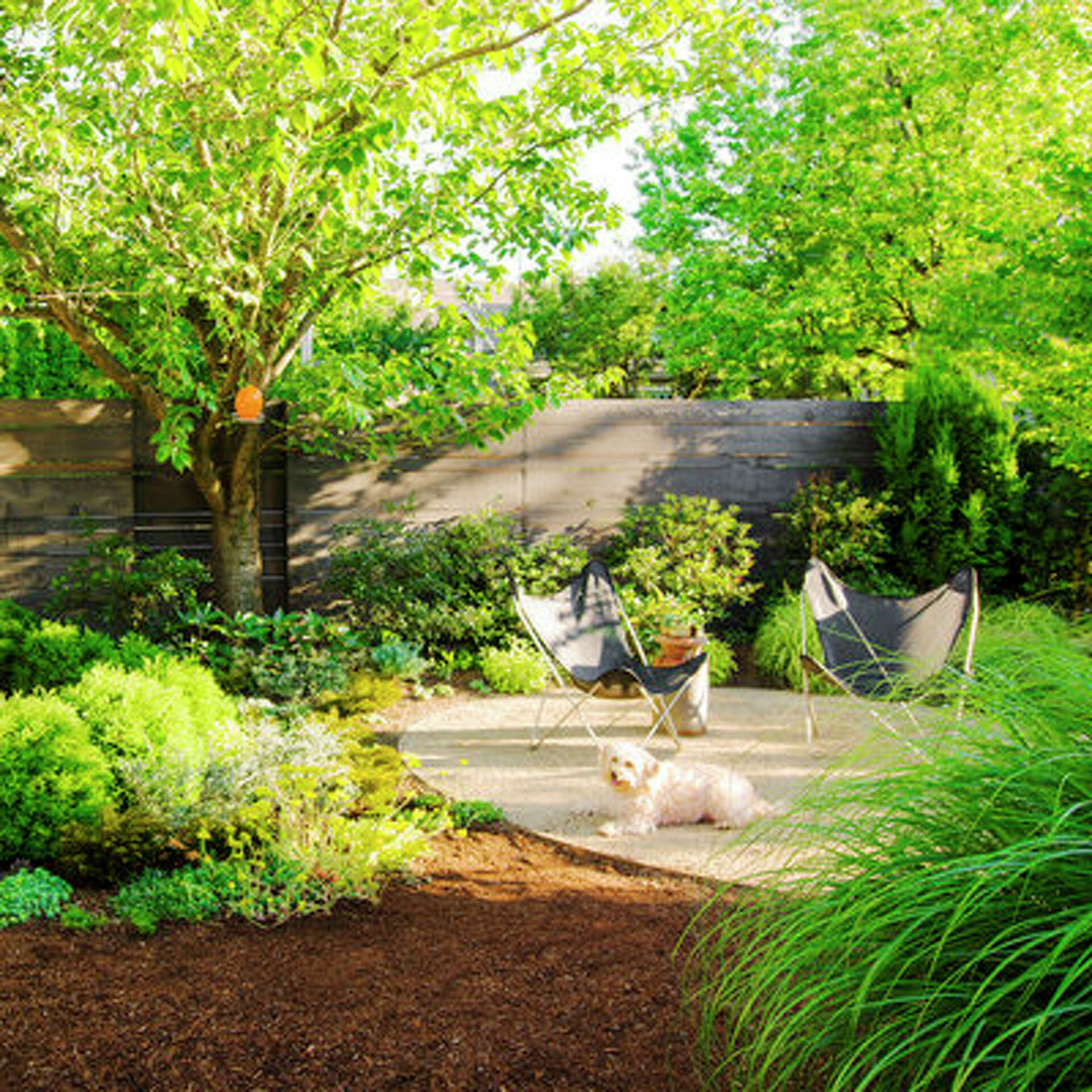
Why a Pet-Safe Garden Matters
A pet-safe garden protects curious noses and fast paws. It lowers vet risks, reduces stress, and keeps your landscape intact. When you design with your pet in mind, your yard becomes a daily wellness tool.
Most issues come from toxic plants, harsh chemicals, flimsy fences, and heat. You can avoid them with simple choices that still look great.
If you search for How To Create A Pet Friendly Garden, you want more than a list. You want a plan you can use today. This guide gives you clear steps, checklists, and small wins you can stack into a safe, joyful space.
Quick PAA-style answers
- What is the first step? Map how your pet uses the yard, then zone it.
- Can a stylish yard be pet-safe? Yes. Choose hardy, non-toxic plants and smart borders.
- Do I need to give up flowers? No. Pick safe blooms and protect beds with edging.

Step-by-Step: How To Create A Pet Friendly Garden
Start with behavior, then layer design.
- Watch your pet. Note running lines, digging spots, sunbathing zones, and bathroom habits.
- Create zones. Play, potty, paths, rest, and no-go areas.
- Choose non-toxic plants. Avoid known toxic species to dogs and cats.
- Add safe surfaces. Use hardy turf, clover, mulch, and pea gravel for high-traffic spots.
- Build clear edges. Low fences or dense hedges guide paws away from beds.
- Provide shade and water. Cool spots prevent heat stress.
- Train and reward. Teach paths and potty rules with treats and praise.
When you learn How To Create A Pet Friendly Garden, this flow saves money and time. You fix causes, not just symptoms.
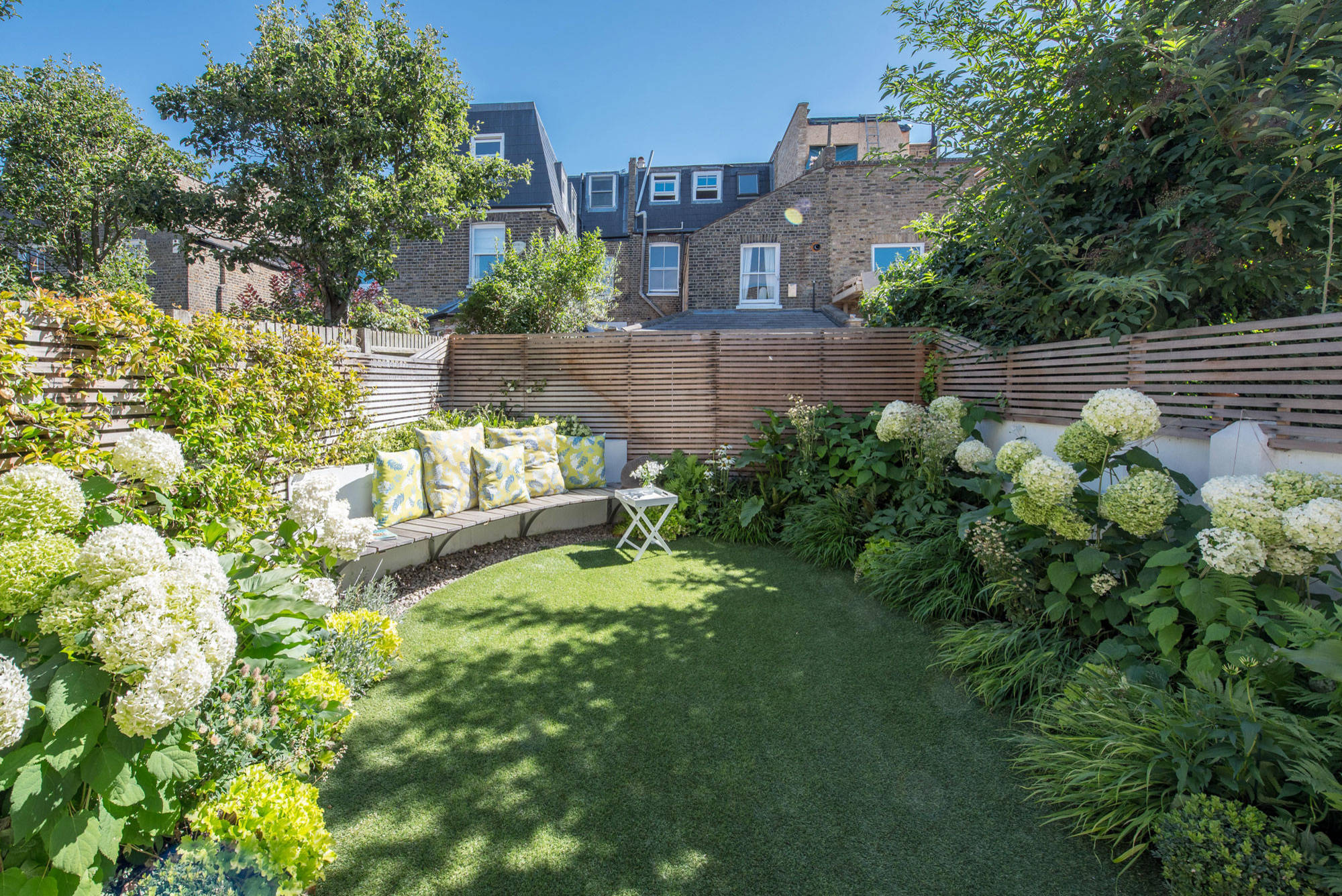
Plan Your Space Around Your Pet
Your dog or cat will shape the garden more than any plant tag.
- For dogs that sprint. Add curved paths of mulch or gravel to handle zoomies.
- For diggers. Create a dig box with sand or soft soil. Bury toys to invite use.
- For scent-driven pups. Plant low, safe herbs and set a sniff lane along the fence.
- For cats. Offer cat grass and a lookout perch. Use dense groundcovers to deter scratching.
- For small pets. Block gaps, avoid thorns, and keep water shallow.
- For seniors. Smooth paths, gentle slopes, and raised beds reduce strain.
How To Create A Pet Friendly Garden starts with empathy. Design for what your pet loves to do, not just what you wish they did.

Choose Non-Toxic Plants and Safe Mulch
Many garden favorites can harm pets. Always check a pet-toxicity list before planting.
Safe, hardy picks
- Catmint, rosemary, thyme, basil
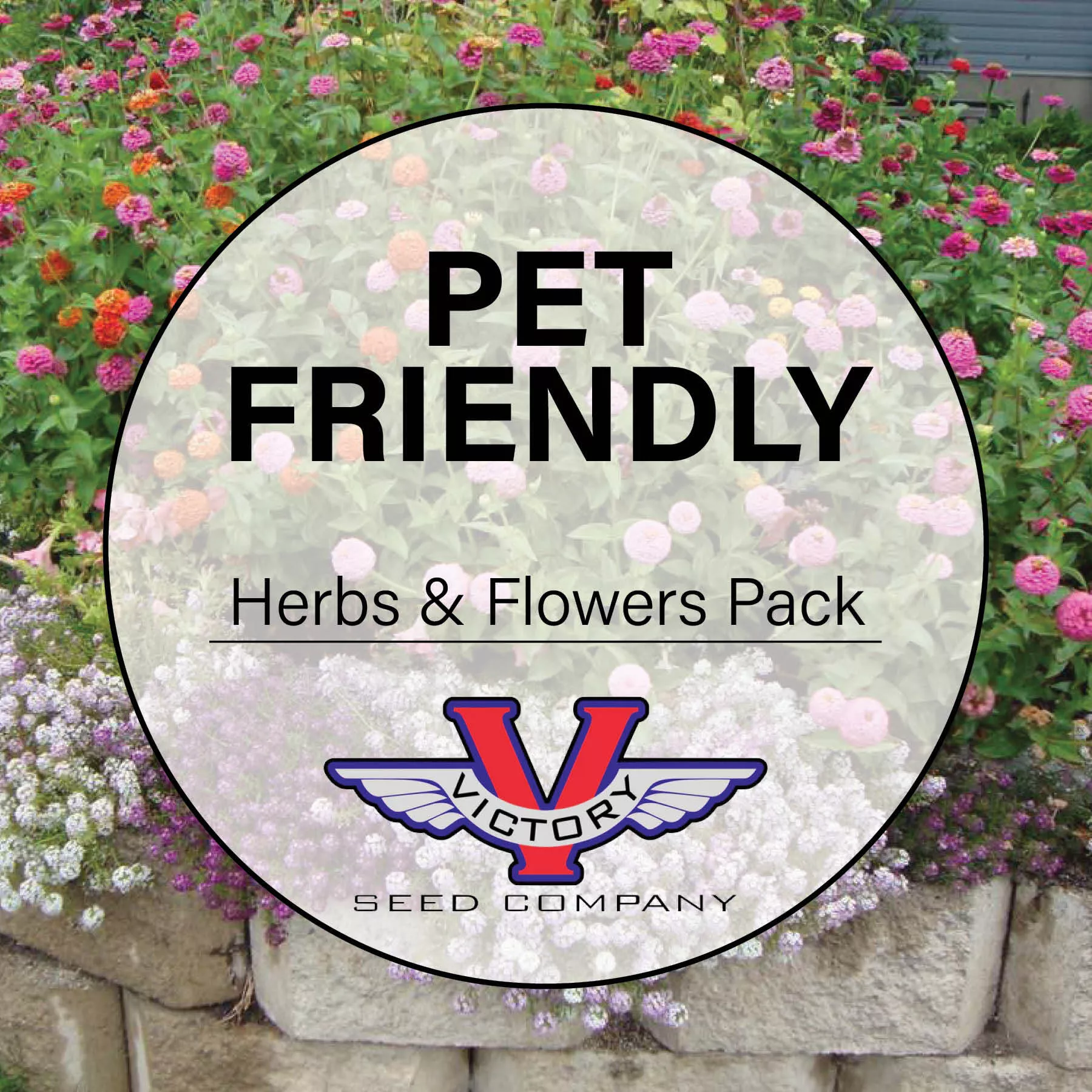
- Sunflowers, marigolds, snapdragons, zinnias
- Camellia, bamboo (clumping), bottlebrush
- Blue fescue, carex, mondo grass
- Hens and chicks, echeveria, Aeonium (avoid sharp agaves for dogs)
Plants to avoid
- Lily of the valley, true lilies (cats), azalea, oleander
- Sago palm, foxglove, castor bean, yew
- Autumn crocus, daffodil bulbs, philodendron, pothos
- Grapes and raisins from vines
Mulch tips
- Use shredded leaves, untreated wood chips, or pea gravel.
- Skip cocoa mulch. It smells nice but can be toxic if eaten.
- Avoid sharp gravel near play zones. Keep surfaces paw-friendly.
If you ask How To Create A Pet Friendly Garden with color, choose safe blooms and layer textures. You will get beauty without risk.
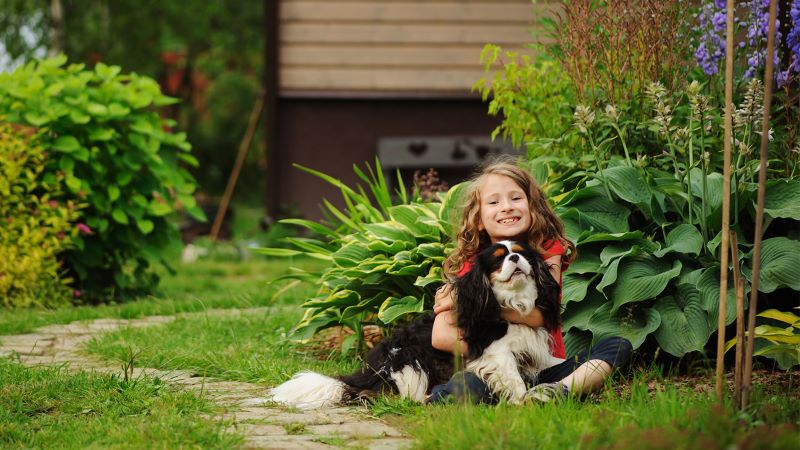
Fences, Gates, and Safe Borders
Good borders prevent escapes and protect beds.
- Fences. For most dogs, 4–6 feet works. Add dig guards along the base.
- Gates. Use self-closing, self-latching hardware. Add a double-gate if escapes are common.
- Balcony or deck. Use mesh or panels to close gaps. Avoid climbable rails.
- Bed edges. Low picket, woven willow, or dense shrubs steer paws away.
- Avoid razor edging. Choose rounded steel, rubber, or pavers instead.
Learning How To Create A Pet Friendly Garden often means learning good boundaries. They keep pets safe and beds happy.

Soil, Lawn, and Groundcovers for Paws
Aim for soft, tough, and easy to clean.
- Lawns. Use a hardy mix. Tall fescue with rye works well. Water spots where urine lands to dilute salts.
- Clover or microclover. Stays green, fixes nitrogen, and resists dog wear.
- Groundcovers. Creeping thyme, chamomile, and blue star creeper handle light steps.
- Potty area. Set a pea gravel corner or mulch zone. Train your dog to use it.
- Paths. Decomposed granite with a stabilizer, wood chips, or rubber pavers are gentle on joints.
When people search How To Create A Pet Friendly Garden, they often want fewer yellow spots. Clover and rinse routines are your friends.
Water, Shade, and Cooling Features
Heat is a hidden hazard. Build cool zones and safe sips.
- Shade. Plant small trees, add shade sails, or set a covered bench.
- Water. Keep a fresh bowl in shade. If you have a pond, add a shallow shelf and a ramp.
- Cooling. Use a splash mat or a small dog pool. Empty and clean often to prevent algae and bugs.
A core rule of How To Create A Pet Friendly Garden is to design for summer first. If it is safe in July, it is safe all year.

Pet-Safe Pest, Weed, and Fertilizer Practices
Use integrated pest management and go low-tox by default.
- Pests. Hand-pick, blast with water, or use traps. Choose soap or oil sprays and keep pets away until dry.
- Slugs and snails. Use beer traps, copper tape, or iron phosphate baits. Avoid metaldehyde baits.
- Weeds. Mulch thickly, pull early, solarize soil. Vinegar burns leaves but can harm paws and soil life, so use care.
- Fertilizers. Pick slow-release organic options and water them in. Keep pets off until the soil is dry.
Veterinary and extension guidance aligns on this: prevention beats poison. If you wonder How To Create A Pet Friendly Garden without chemicals, start with mulch, diversity, and good soil.

Enrichment, Training, and Garden Etiquette
Happy pets are less destructive. Build habits and fun.
- Dig box. Mark a corner with logs. Reward digging there, not in beds.
- Scent trail. Drag a treat bag along a set path. Hide a chew at the end.
- Cat comforts. Offer cat grass, a scratching log, and tall, safe plants to brush.
- Training. Teach leave it, path, and spot. Use short, daily reps and high-value treats.
- Toys and rotation. Keep a few toys outdoors and swap them weekly.
When people ask How To Create A Pet Friendly Garden that stays neat, I point to training. Design plus habit beats damage every time.
Seasonal Care and Emergency Prep
Seasons change risk levels. Adjust fast.
- Spring. New mulch and mushrooms pop up. Do a quick yard scan each morning.
- Summer. Add shade, set water in two spots, and skip walkies at peak heat.
- Fall. Acorns and compost piles lure pets. Fence your compost and rake often.
- Winter. Avoid antifreeze, ice melts with salt, and sharp frozen grasses. Use pet-safe deicers.
Keep a pet-safe plant list on your phone and your vet’s number on the fridge. If you are serious about How To Create A Pet Friendly Garden, plan for the “what if.”
Simple Maintenance Checklist
Weekly
- Walk your fence line and fix gaps.
- Refresh water, rinse bowls, and skim ponds.
- Spot-pull weeds and remove fallen berries or mushrooms.
Monthly
- Top up mulch in high-traffic spots.
- Check gate latches and path edges.
- Review potty zones and rinse or rake as needed.
Seasonally
- Prune thorny branches at pet height.
- Overseed lawn or clover in worn lanes.
- Audit chemicals in the shed and store them high.
This routine locks in How To Create A Pet Friendly Garden results with little effort.
Budget and Small-Space Tips
Even tiny yards or balconies can shine.
- Containers. Grow safe herbs and flowers in pots with stable bases.
- Portable shade. Clip-on sails or umbrellas move with the sun.
- Renter-friendly borders. Use low fencing panels you can pack later.
- Thrifty mulch. Use shredded leaves or grass clippings from untreated lawns.
If you type How To Create A Pet Friendly Garden for small spaces, think vertical. Shelves, trellises, and rails lift color away from paws.
Real-Life Example: My Two-Dog Backyard
When I set up my own yard for two high-energy dogs, I started with paths. I laid a three-foot mulch lane where they liked to run. I added a pea gravel potty spot behind a shrub and trained a “go spot” cue. I swapped cocoa mulch for shredded cedar-free chips and planted catmint, thyme, and zinnias for safe color. The result: fewer torn beds, cooler naps under a shade sail, and zero emergency vet visits. That is the heart of How To Create A Pet Friendly Garden: small, smart choices that add up.
Frequently Asked Questions of How To Create A Pet Friendly Garden?
What are the most common toxic plants for pets?
Lily of the valley, sago palm, oleander, azalea, and foxglove are high risk. True lilies are very dangerous for cats.
Is artificial turf safe for dogs?
Quality turf is safe but can get very hot and trap odors. Use shade, rinse often, and choose infill without silica dust or crumb rubber.
How do I stop my dog from digging up plants?
Give a dig box and reward using it. Use low borders and dense groundcovers to block bed edges.
Are coffee grounds safe as fertilizer around pets?
No. Coffee grounds contain caffeine and other compounds that can harm pets if eaten. Compost fully or avoid them.
How soon after fertilizing can pets go on the lawn?
Wait until the product is watered in and the grass is dry. Many labels suggest 24–48 hours; follow the package.
What mulch is best for dogs?
Shredded leaves, untreated wood chips, or pea gravel are good. Skip cocoa mulch and sharp stones.
How can I make a balcony pet-friendly?
Add secure mesh, stable planters, shade, and a small potty tray. Avoid climbable railings and toxic plants.
Conclusion
A safe, joyful yard starts with your pet’s needs. Map their habits, pick non-toxic plants, add shade and water, and guide movement with smart borders and training. These simple shifts protect health, save money, and make your space feel calm.
Take one step today: set up a potty zone or swap a risky plant. Then come back for the next step until your plan is complete. If this guide on How To Create A Pet Friendly Garden helped, share it with a friend, subscribe for more pet-safe tips, or drop your questions in the comments.
