Pet cooling blankets help animals feel cooler by moving heat away from their bodies, using moisture evaporation, or absorbing heat through special cooling materials. Their results depend on the fabric, room temperature, airflow, and the pet’s contact with the blanket.
During hot weather in the United States, dogs and cats may seek cool floors, shaded areas, and other places where they can rest without building up too much body heat. This can be a concern in homes across states such as Texas, Florida, Arizona, and California, where summer temperatures can rise sharply. A pet cooling blanket can provide a cooler resting surface, but it is important to understand what the product actually does.
Pet cooling blankets do not all work in the same way. Some use special fibers that transfer heat away from an animal’s body. Others rely on water evaporation or cooling gel materials that absorb heat when a pet lies on them. Unlike an electric cooling device, many of these products work without a power cord, although their cooling effect may weaken as the material warms up.
The key is to match the blanket’s cooling method to the pet and the home. A breathable fabric may be useful for everyday rest, while a gel-based surface may provide a more noticeable cool sensation through direct contact. Neither type replaces shade, fresh drinking water, air conditioning when needed, or veterinary care for a pet showing signs of heat illness.
Source: sugarthegoldenretriever.com
What Is a Pet Cooling Blanket?
A pet cooling blanket is a resting surface designed to help a dog or cat lose some body heat while lying down. It may look like an ordinary blanket, a padded mat, or a soft cooling pad. However, its fabric or inner layer is made to manage heat differently from standard bedding.
Regular blankets are often designed to trap warm air near the body. This is useful in cold weather, but it may make an animal feel warmer during summer. A cooling blanket aims to reduce that warm, trapped feeling or draw heat away from the areas touching its surface.
The term cooling blanket covers several product designs. Some contain no liquid or gel at all. Others use a special inner layer, moisture-based technology, or materials that feel cool when touched. Reading the product label is therefore more useful than judging a blanket by its name or appearance.
Source: ubuy.co.nl
Cooling fabric
A fabric designed to feel cool or move heat away from the body through contact and heat transfer.
Gel cooling blanket
A product with a cooling gel layer that absorbs some heat from the animal lying on it.
Evaporative cooling blanket
A product that uses water evaporation to remove heat from a damp surface.
Cooling mat
A broader term for a cooling resting surface. Some mats use the same technology as cooling blankets but have a firmer or thicker construction.
How Is a Cooling Blanket Different From a Regular Blanket?
A regular blanket usually holds a layer of warm air between its fibers. A cooling blanket is designed to avoid excessive heat retention or transfer heat away from the body. Its surface may also be smoother, thinner, or more breathable than ordinary bedding.
The difference does not mean every cooling blanket stays cold all day. Most passive products depend on the surrounding conditions and the heat they absorb. Once the surface becomes warm, its cooling effect may become weaker until it can release heat or return to its normal operating condition.
Regular blanket
Usually provides insulation and helps retain body warmth.
Cooling blanket
Designed to reduce heat buildup or help move heat away from the body.
How Do Pet Cooling Blankets Work?
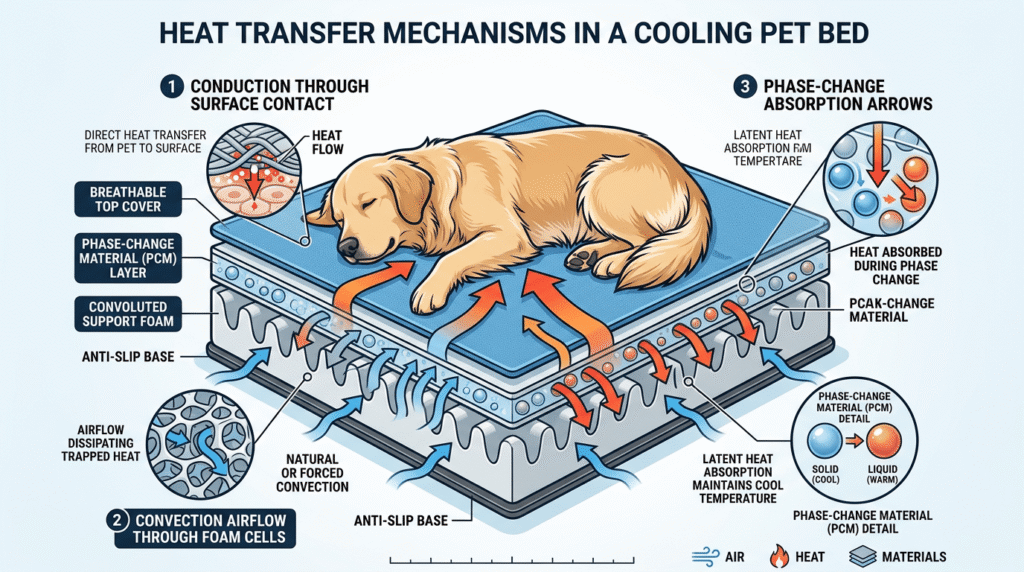
Pet cooling blankets work by changing how heat moves between an animal and the surface beneath it. A dog’s or cat’s body produces heat as part of normal metabolism. When the animal lies on a cooler surface, heat can move from its warmer body into that surface.
This process is known as heat transfer. Heat naturally moves from a warmer area toward a cooler area when the two areas are in contact. A cooling blanket takes advantage of this basic physical process, although the amount of heat transferred depends on the material and the temperature difference.
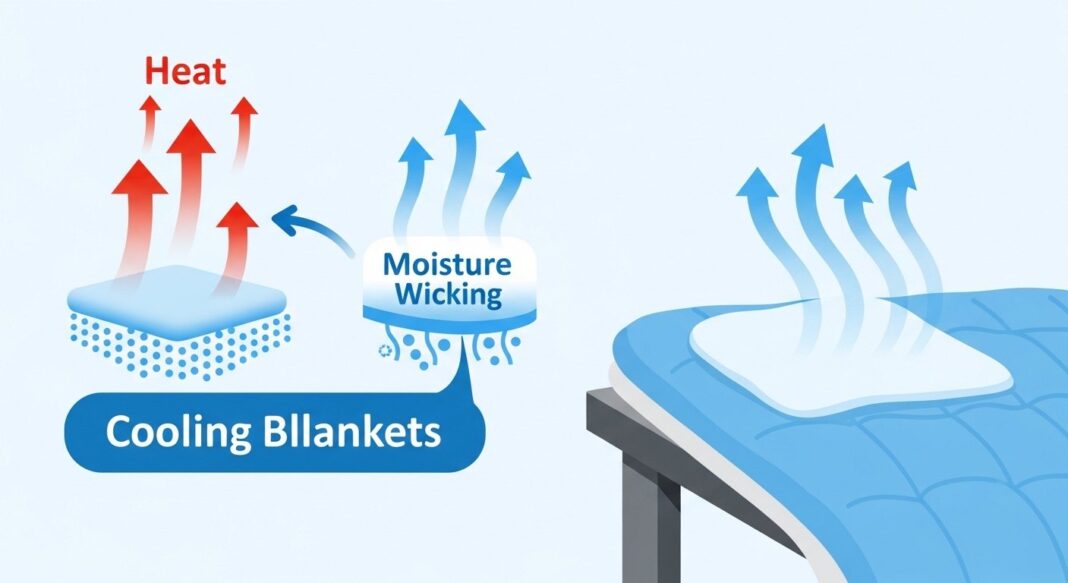
Different blankets use different methods to manage the heat they receive. Some move heat through their fibers, some use water evaporation, and others absorb heat into a gel or other internal material. These methods can create a cooler resting experience without requiring a fan or electrical connection.
Source: keeponhome.com
Step 1: The pet makes contact
When a dog or cat lies on the blanket, its warmer body touches the cooler surface.
Step 2: Heat moves away
Heat transfers from the body into the material through direct contact, evaporation, or another cooling process.
Step 3: The material manages the heat
The blanket spreads, stores, or releases the heat depending on its design.
Step 4: The cooling effect changes
As the material warms or loses moisture, its ability to provide additional cooling may decrease.
1. Heat Transfer Through Direct Contact
Direct-contact cooling is one of the main reasons a cooling blanket can feel cooler than ordinary bedding. When a warm animal lies on a cooler surface, some body heat moves into the material. The process continues while a useful temperature difference remains.
Certain fabrics are designed to conduct heat more readily than common insulating fabrics. They may also spread heat across a larger surface area. This can help the material feel less warm at the point where the animal touches it.
The effect is not the same as refrigeration. A fabric cannot keep absorbing heat forever without releasing it to the surrounding environment. If the blanket becomes warm, the temperature difference becomes smaller and heat transfer may slow down.
What it does well
Provides a cooler-feeling contact surface without requiring water or electricity.
What limits it
The surface may warm up during extended contact, especially in a hot room with limited airflow.
2. Cooling Through Water Evaporation
Evaporative cooling works when water changes from a liquid into vapor. This change requires energy, and some of that energy comes from heat in the damp material and its surroundings. As the water evaporates, the surface can become cooler.
Some pet cooling blankets or pads use absorbent layers that hold water. A user may need to soak the product, remove extra water, and allow it to provide cooling as moisture evaporates. Air movement can help the process, while high humidity can slow it down.
This method is different from a dry cooling fabric. An evaporative blanket needs the right amount of moisture to work as intended. If it becomes too dry, the cooling effect may fade. If it is too wet, it may leave the pet’s coat or resting area damp.
Best conditions
A suitable level of airflow and enough moisture for gradual evaporation.
Main limitation
High humidity can reduce evaporation, while poor care can allow a damp product to develop an unpleasant smell.
3. Heat Absorption Through Cooling Gel
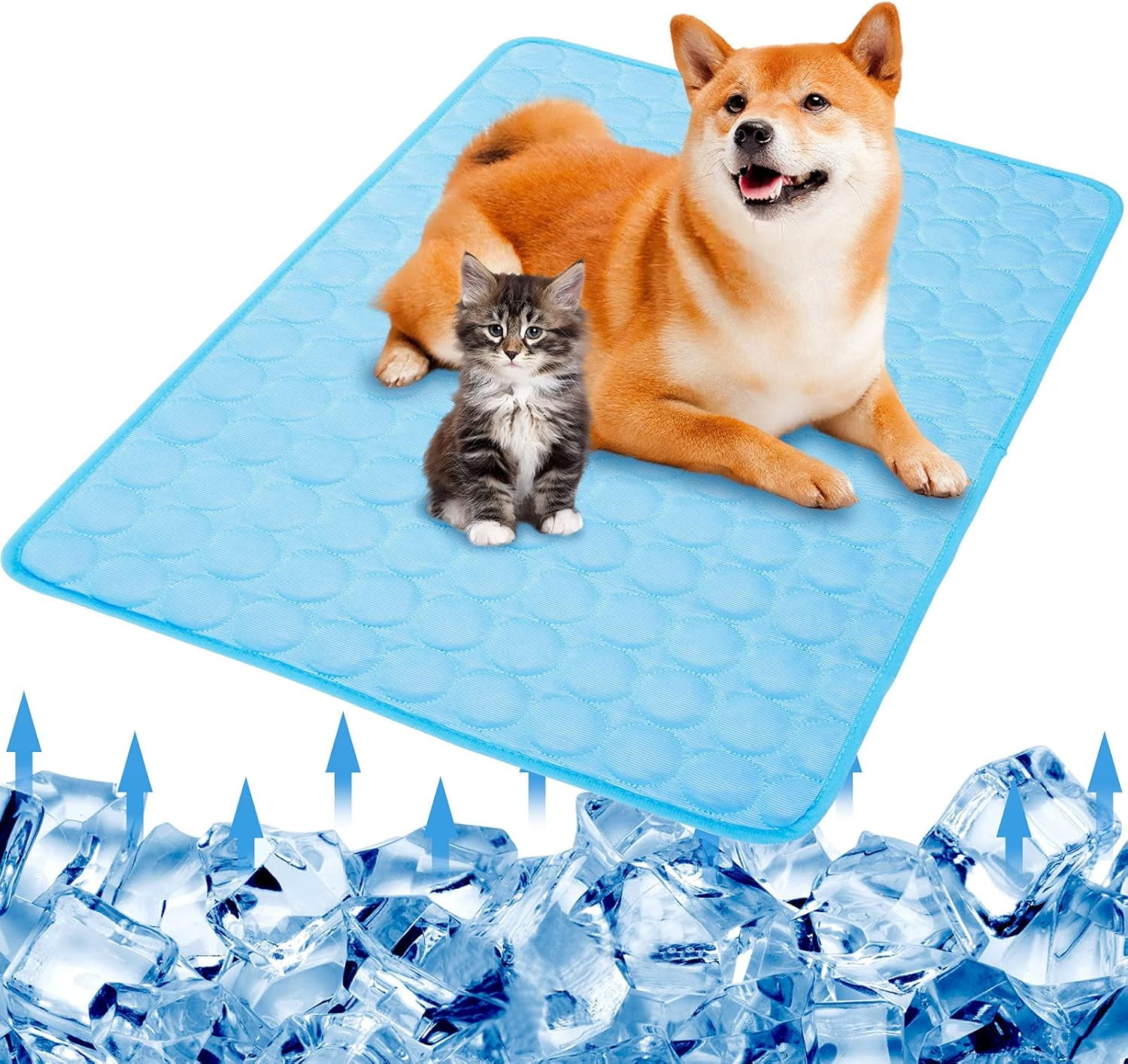
Gel-based cooling products contain an inner material that absorbs heat when a pet lies on the surface. The gel may feel cool at first because it is below the animal’s body temperature. Heat then moves from the pet into the gel through the outer cover.
Some products use pressure-activated or self-cooling gel systems. These designs may absorb heat during use without being plugged into an outlet. However, the exact mechanism depends on the product. Not every gel blanket uses the same formula or has the same recovery requirements.
As the gel absorbs heat, it gradually becomes warmer. Many products need a period without pressure or contact to release stored heat into the surrounding air. A product that feels cool at the start may therefore provide less cooling after a long period of continuous use.
Main benefit
Can provide a noticeable cool sensation through direct contact.
Main limitation
Cooling may decrease as the gel warms, and damaged covers can expose the inner material.
What Materials Are Used in Pet Cooling Blankets?
The materials used in a pet cooling blanket determine how it feels, how it manages heat, and how much care it needs. A blanket may contain one cooling material or combine several layers. The outer cover, inner filling, stitching, and backing all affect the final result.
A product’s material description should explain what creates the cooling effect. Terms such as cooling fabric, breathable mesh, gel technology, and moisture-activated material describe different features. They should not be treated as proof that a blanket will maintain a particular temperature in every home.
Pet owners should also check durability. Dogs may scratch or chew bedding, while cats may knead it with their claws. A cooling product with a thin outer cover may not be suitable for an animal that regularly damages its bedding.
Source: walmart.com
Polyester
Often used in cooling blanket covers because it can be lightweight, durable, and easy to clean. Its cooling performance depends on its construction and any added treatment.
Nylon
May be used in smooth, lightweight cooling surfaces. Its feel and heat-transfer properties vary with the weave and finish.
Cotton
Can absorb moisture and feel comfortable against the coat, but ordinary cotton is not automatically a cooling material.
Cooling gel
Can absorb heat through contact. The product’s cover and sealed construction are important for preventing access to the filling.
Absorbent materials
Hold water for evaporative cooling. They need suitable drying and cleaning to remain in good condition.
Does a Higher Q-Max Value Mean Better Cooling?
Some cooling textiles use a Q-max value to describe the maximum heat flow from a warm surface into a fabric during a brief contact test. A higher value can indicate a stronger initial cool-touch sensation under the test conditions.
However, Q-max does not tell a pet owner how long a blanket will remain cool, how much heat it can absorb, or how well it will perform in a humid room. It is a material measurement, not a complete measure of real-world pet cooling performance.
If a manufacturer lists a Q-max value, check whether it also explains the test method and conditions. Avoid comparing numbers from different test methods as if they were directly equivalent.
Useful information
A documented test method and comparable measurements can help explain the fabric’s initial cool-touch behavior.
Missing information
A Q-max number alone does not establish the blanket’s long-term cooling capacity or safety for a particular pet.
Types of Pet Cooling Blankets and How They Compare
Pet cooling blankets are available in several designs, and each design suits different conditions. The right choice depends on whether the pet needs a lightweight resting layer, a moisture-based cooling surface, or a padded product that absorbs heat through contact.
There is no single cooling design that works best for every dog or cat. A product that suits a short-haired indoor dog may not suit a long-haired cat that dislikes damp surfaces. A pet’s behavior and willingness to use the blanket matter as much as the cooling technology.
Source: sweetpet.en.made-in-china.com
Fabric cooling blankets
Use their surface and fiber construction to create a cooler feel. They are often lightweight and easy to place on a bed or sofa.
Gel cooling blankets and mats
Use a heat-absorbing inner layer. They can feel cool through direct contact but may warm during long sessions.
Evaporative cooling blankets
Use water evaporation. They require moisture and suitable airflow, and they may be less effective in humid conditions.
Raised or ventilated cooling beds
Allow air to move beneath the pet. They are not blankets, but they can provide an alternative resting surface.
Which Cooling Design Should You Choose?
For a pet that dislikes damp bedding, a dry fabric or gel design may be easier to introduce. For a pet that enjoys water and tolerates a slightly damp surface, an evaporative product may be worth considering if the room has enough airflow.
For animals that chew, scratch, or dig at bedding, prioritize a durable cover and avoid products with accessible gel or filling. If a pet repeatedly damages a cooling product, stop using it rather than relying on a damaged cover to contain its contents.
For everyday indoor rest
Consider a washable, breathable fabric surface that fits the pet’s normal sleeping area.
For direct-contact cooling
Consider a well-sealed gel product with clear cleaning and recovery instructions.
For dry, breezy spaces
An evaporative product may work when its instructions and the local humidity conditions are suitable.
Do Pet Cooling Blankets Really Work?
Pet cooling blankets can work as intended when their cooling mechanism matches the environment and the animal uses the surface correctly. They can make a resting area feel cooler, reduce the warmth that builds up beneath a pet, or absorb some heat through direct contact.
Their performance is not unlimited. A passive blanket does not have a compressor or active refrigeration system. Its cooling ability depends on heat transfer, moisture evaporation, or the capacity of its inner material to absorb and release heat.
This means a cooling blanket may feel useful in a comfortable room but provide limited relief in a very hot space. It should not be used as the only way to protect an animal during a heat wave or a period of extreme indoor temperatures.
Source: amazon.com
Signs the blanket may be helping
The pet chooses to rest on it, appears comfortable, and can move away freely when it wants to.
Signs the product may not suit the pet
The animal avoids the surface, repeatedly scratches it, becomes unsettled, or damages its cover.
Signs the environment needs attention
The room remains hot, the pet is panting heavily, or the animal shows signs of heat stress despite access to the blanket.
Factors That Affect Cooling Performance
Room temperature is one of the biggest factors. If the room and blanket are both warm, there may be little temperature difference to support heat transfer. Air movement can help some materials release heat and can support evaporation, depending on the design.
Humidity matters most for evaporative products. Moist air slows the movement of water vapor away from a wet surface. This can reduce the cooling effect even when the blanket has been prepared correctly.
The pet’s size, coat, posture, and contact area also matter. A large dog may cover a bigger part of a small mat, while a thick coat can reduce direct contact between the skin and the cooling surface. These factors can change the experience without proving that the product is defective.
Room conditions
Hot, still air can make it harder for passive materials to release stored heat.
Humidity
High humidity can slow water evaporation and reduce evaporative cooling.
Surface contact
A blanket must have enough contact with the animal to transfer heat through its surface.
Product condition
Dirt, damage, poor drying, or a worn cover can affect comfort, hygiene, and performance.
How to Use a Pet Cooling Blanket Correctly
Correct use helps a pet get the intended comfort from a cooling blanket while reducing avoidable risks. Start by reading the manufacturer’s instructions because gel, fabric, and evaporative products may need different preparation and care.
Choose a flat, stable area away from direct sunlight and heat sources. The blanket should not block an exit, trap the pet in a confined space, or force the animal to remain on the cooling surface. Give the pet a separate place to rest.
Introduce the blanket gradually. Place it in a familiar area and allow the animal to investigate it. Do not force a dog or cat to lie down on a surface it dislikes.
Source: storage.googleapis.com
1. Check the product
Read the care label, cooling instructions, weight guidance, and warnings. Inspect seams, covers, and inner layers for damage.
2. Prepare it as directed
Keep a dry fabric or gel product dry unless the instructions say otherwise. Soak an evaporative product only as directed, and remove excess water if required.
3. Choose a suitable location
Place the blanket in a shaded, ventilated area on a surface that will not slide or bunch up.
4. Let the pet choose
Allow the animal to use the blanket voluntarily and provide another comfortable resting spot nearby.
5. Check it during use
Look for leaks, unusual smells, excessive dampness, torn fabric, or signs that the pet is uncomfortable.
6. Clean and store it
Follow the manufacturer’s washing and drying instructions. Store the product only when it is clean and fully dry if its design requires dry storage.
How Can You Tell Whether the Blanket Is Working?
A simple first check is to compare the blanket’s surface with the surrounding resting area. If the surface feels cooler at the start and the pet voluntarily uses it, the product may be providing the intended comfort. This is a practical observation, not a controlled test of body temperature.
Do not judge success by expecting the animal to stop panting completely. Dogs pant for several reasons, and a cooling blanket is not designed to stop normal panting. Watch the pet’s overall behavior and the temperature of the room instead.
If the blanket becomes warm, follow the product instructions for recovery. A gel surface may need time without pressure, while an evaporative product may need more water. Do not use a freezer, heater, or chemical treatment unless the manufacturer specifically permits it.
Good signs
The pet rests comfortably, chooses the surface, and can leave it whenever it wants.
Warning signs
The pet seems distressed, the blanket leaks, or the surface becomes damaged or excessively wet.
Pet Cooling Blanket Safety: What Owners Should Know
A pet cooling blanket should be treated as a comfort aid, not as a medical device or a guaranteed way to prevent heat illness. Dogs and cats can develop dangerous heat-related conditions even when they have access to a cool mat. The surrounding temperature, activity level, hydration, and individual health all matter.
Never force an animal to remain on a cooling blanket. Some pets dislike the texture or temperature, and others may chew or scratch the surface. If the product has a gel filling, a damaged cover may expose material that should not be swallowed or touched.
Heatstroke is an emergency. Warning signs can include heavy or excessive panting, drooling, weakness, vomiting, diarrhea, confusion, poor coordination, collapse, or seizures. A pet showing these signs needs prompt veterinary attention. Do not wait to see whether a cooling blanket helps.
Source: sugarthegoldenretriever.com
Prevent chewing
Do not leave a pet unsupervised with a cooling product if it tends to chew or tear bedding.
Check for leaks
Stop using a gel product if its outer layer is punctured, leaking, or coming apart.
Avoid extreme temperatures
Do not freeze a blanket or apply ice directly to an animal unless a veterinarian gives specific instructions.
Keep water available
Provide fresh drinking water and access to a cool indoor area throughout hot weather.
Allow movement
Make sure the pet can leave the blanket and move to another resting place without difficulty.
Can a Cooling Blanket Prevent Heatstroke?
No. A cooling blanket may make a resting surface more comfortable, but it cannot guarantee protection against heatstroke. It does not control the temperature of the whole room, replace drinking water, or reliably remove enough body heat to treat an overheated animal.
The American Veterinary Medical Association advises pet owners to take heat precautions, including limiting exposure to high temperatures, providing water and shade, and recognizing heat-related illness. A cooling blanket can be one small part of a broader comfort plan, but it should never replace these steps.
If heatstroke is suspected, move the animal away from the heat and contact a veterinarian or emergency veterinary clinic immediately. Follow professional advice about safe cooling during transport. Do not delay treatment while preparing a cooling product.
For prevention
Use shade, suitable indoor temperatures, fresh water, and sensible limits on exercise during hot weather.
For suspected heatstroke
Seek emergency veterinary care immediately rather than relying on a blanket or mat.
Which Pets Need Extra Care in Hot Weather?
Some animals have a higher risk of heat-related illness. Flat-faced dogs, such as Bulldogs and Pugs, may have difficulty cooling themselves through normal breathing. Very young pets, older animals, overweight pets, and animals with certain health conditions may also need closer attention.
A thick coat does not automatically mean a pet should be shaved. Some coats help protect the skin and support normal temperature control. Ask a veterinarian or qualified groomer before making major changes to a dog’s coat for summer.
Flat-faced breeds
Monitor breathing and heat tolerance carefully, and avoid strenuous activity in hot conditions.
Older or very young pets
Provide a comfortable indoor environment and watch for changes in behavior.
Pets with medical conditions
Ask a veterinarian whether extra heat precautions are needed.
How to Clean and Maintain a Pet Cooling Blanket
Cleaning needs depend on the blanket’s construction. A removable fabric cover may be machine washable, while a gel-filled product may require gentle surface cleaning. An evaporative blanket may need thorough rinsing and complete drying between uses.
Never assume that a cooling blanket can go into a washing machine or dryer. Heat, strong detergents, rough washing, and sharp objects may damage special layers or seals. The care label is the safest guide.
Regular inspection is also important. Look for loose stitching, punctures, cracks, leaks, trapped dirt, and unusual odors. Replace a product that cannot be cleaned properly or no longer holds its contents securely.
Source: amazon.com
Read the care label
Confirm whether the product is machine washable, hand washable, or suitable only for spot cleaning.
Use suitable cleaning products
Choose cleaning agents permitted by the manufacturer and rinse away any residue that could irritate the pet.
Dry it properly
Allow washable or moisture-based materials to dry as directed before storage.
Inspect the inner layer
Check gel products for leaks and fabric products for damaged seams or exposed filling.
What Should You Do If a Cooling Blanket Stops Feeling Cool?
First, identify the cooling method. A gel product may need a rest period, an evaporative product may need moisture, and a fabric product may simply be affected by a warm room. The correct recovery method depends on the design.
Next, check the surface for dirt, residue, or damage. Clean it only according to the label. If the product remains warm or does not perform as described after the recommended recovery period, contact the manufacturer or stop using it.
Do not try to improve performance with an unapproved chemical spray, freezer treatment, or heating method. These changes may damage the material or create a risk for the animal.
Gel blanket
Allow it to recover according to the stated rest period and conditions.
Evaporative blanket
Check whether it needs to be rewetted and whether the room has enough airflow.
Cooling fabric
Check for dirt, product damage, and excessive room heat.
Pet Cooling Blanket vs. Cooling Mat vs. Raised Bed
A cooling blanket, cooling mat, and raised bed all provide different types of resting support. The best option depends on the animal’s habits, the available space, and the conditions in which the product will be used.
A blanket is usually flexible and easy to place over existing bedding. A cooling mat often has a more structured surface and may contain a gel layer. A raised bed allows air to circulate underneath the animal, which can be useful when the floor or bedding holds heat.
These products are not interchangeable in every situation. A dog that likes soft bedding may prefer a blanket, while a dog that gets warm on a thick cushion may benefit from a more open resting surface.
Source: shopabetteryou.com
Cooling blanket
Flexible and portable. Useful for covering part of an existing bed, sofa, or travel resting area.
Cooling mat
Often thicker and more structured. May provide direct-contact cooling through a gel or other inner layer.
Raised bed
Provides space for airflow beneath the pet. It may be useful outdoors in a shaded, safe location.
Ordinary breathable bedding
Can provide a comfortable alternative when a pet dislikes cooling materials or does not need a special cooling surface.
Which Option Is Better for Indoor and Outdoor Use?
For indoor use, a cooling blanket or mat can be placed in a shaded room with good ventilation. The surface should remain stable and should not cover a heating vent or block access to water. A cool indoor floor may also be a useful alternative if the animal prefers it.
For outdoor use, a raised bed may allow better airflow than a blanket placed directly on hot ground. However, no cooling product should be left in direct sunlight if its materials can become hot. Outdoor pets also need reliable shade, water, and access to a cooler environment.
Indoor resting
Choose a surface that fits the pet’s usual sleeping space and is easy to inspect and clean.
Outdoor resting
Prioritize shade, ventilation, safe ground temperature, and access to fresh water.
Frequently Asked Questions
Q
Do Pet Cooling Blankets Need Electricity?
Most passive pet cooling blankets do not need electricity. Fabric-based, gel-based, and evaporative designs can work without a power connection. However, some electronic cooling beds or powered pet cooling systems use electricity, so check the product specifications before buying.
Q
How Long Do Pet Cooling Blankets Stay Cool?
There is no fixed cooling time for every product. A gel blanket may gradually warm as it absorbs heat, while an evaporative blanket may lose cooling power as its moisture evaporates. Room temperature, airflow, humidity, contact area, and product construction all affect how long the surface feels cool.
Q
Can Cats Use Dog Cooling Blankets?
Many cooling blankets are suitable for both dogs and cats if their size, surface, and materials are appropriate. Check the product label and make sure the cover is durable enough for the cat’s claws. Introduce the blanket gradually and allow the cat to leave it whenever it wants.
Q
Can I Put a Pet Cooling Blanket in the Freezer?
Do not put a cooling blanket in the freezer unless its manufacturer specifically permits it. Freezing can damage some materials, change the behavior of a gel layer, or make the surface uncomfortably cold. Follow the stated preparation and recovery instructions instead.
Q
Are Pet Cooling Blankets Safe for Puppies and Kittens?
They may be suitable when the product is designed for the animal’s size and age, but extra care is needed. Young pets may chew or scratch bedding, and a damaged product can expose its filling. Supervise early use, choose a suitable surface, and ask a veterinarian if the animal has health or temperature-control concerns.
Q
Do Cooling Blankets Work in Humid Weather?
Their performance depends on the cooling method. Evaporative blankets may work less effectively when humidity is high because moisture evaporates more slowly. Direct-contact fabric and gel products do not rely on evaporation in the same way, although high room temperatures can still reduce their cooling effect.
Q
Can a Cooling Blanket Make a Dog Too Cold?
A passive cooling blanket is not usually designed to produce extreme cold, but an animal may still dislike its surface or feel uncomfortable. Allow the dog to move away freely and stop using the product if it shows distress. Do not force contact or combine cooling products with unapproved ice or freezer treatments.
✦ Wrapping Up
Conclusion
Pet cooling blankets work by helping heat move away from an animal through direct contact, water evaporation, or heat absorption by special materials. The exact process depends on the product’s construction. Some designs use breathable fabrics, while others contain gel or moisture-holding layers.
Their main benefit is a more comfortable resting surface during warm weather. However, they have limits. Passive cooling materials can warm up, evaporative products depend on suitable conditions, and no blanket can replace a cool environment, fresh water, shade, or veterinary treatment when a pet becomes overheated.
Before choosing one, check its cooling method, size, materials, cleaning instructions, and damage risks. Introduce it gradually and let your pet decide whether to use it. The most useful cooling blanket is one that suits the animal and works as part of a wider summer safety plan.
💡 Key Takeaway
Check the cooling method and care instructions before buying a pet cooling blanket. Place it in a shaded, ventilated area, inspect it regularly, provide fresh water, and seek urgent veterinary care if your pet shows signs of heatstroke.