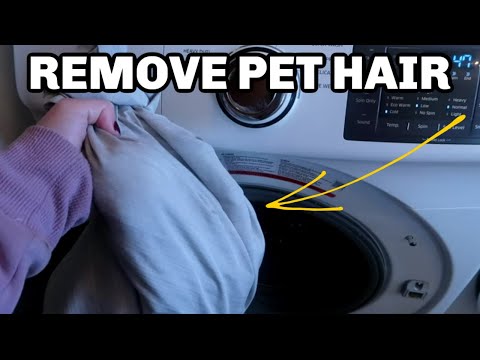
To get pet hair off blankets in a washing machine, remove loose fur with a lint roller or vacuum first. If the care label allows tumble drying, run a short no-heat air-fluff cycle to loosen more hair. Shake the blanket outside, wash it alone with the correct amount of detergent, and use an extra rinse if needed. Finally, clean the washer drum and the dryer lint screen.
Across American homes, dogs and cats often share sofas, beds, and cozy blankets with their families. This creates a common laundry problem: pet hair gets deep into blanket fibers and stays there even after a full wash cycle. Long-haired cats, shedding dogs, and double-coated breeds can make this problem harder to manage.
A washing machine can clean a pet blanket, but it is not always the best first step for removing loose fur. Water can make some hairs cling to fabric, while a large blanket can trap hair in its folds. A better approach is to remove as much loose fur as possible before washing, then use the right cycle and clean the machine afterward.
This guide explains how to get pet hair off blankets in a washing machine without damaging the fabric or putting unnecessary strain on your appliance. You will learn how to prepare a blanket, choose a suitable wash cycle, deal with stubborn fur, and prevent hair from spreading to your next laundry load.
Source: animalia-life.club
Why Does Pet Hair Stick To Blankets After Washing?
Pet hair can remain on a blanket after washing because water and normal washing action do not always remove hair trapped between fabric fibers. Some fabrics also attract loose fur through static electricity. This is especially common with synthetic materials and soft, brushed fabrics.
The shape and size of a blanket also affect cleaning results. A large blanket can fold over itself inside the washer, trapping hair in the center. If the machine is overloaded, water may not move freely through the fabric, and the detergent may not reach every part of the load.
Another problem is washing a very hairy blanket without removing loose fur first. A large amount of hair can move around the drum and collect on other surfaces. Some washing machines have filters or pump systems that can become clogged when too much loose debris enters them.
Source: storables.com
Static Electricity
Synthetic fibers can hold an electrical charge that attracts pet hair. This makes fine fur difficult to remove with water alone.
Deep Fabric Fibers
Fleece, plush, sherpa, and other soft materials can hold hair between their fibers. A normal wash may not release every strand.
Overloading
A packed washer leaves less room for blankets to move. This can reduce cleaning performance and allow hair to remain trapped.
Too Much Loose Fur
Washing a blanket covered in thick layers of hair sends more fur into the machine than a normal cycle may handle.
Which Blanket Fabrics Hold The Most Pet Hair?
Fleece, microfiber, velvet, sherpa, and plush blankets often hold pet hair because their soft surfaces give loose strands many places to catch. A blanket with a rough or textured surface may also trap fur in its weave. The amount of hair that sticks depends on the fabric, the type of pet hair, and the blanket’s condition.
Smooth, tightly woven fabrics may be easier to clean because loose hair has fewer places to become trapped. However, no fabric is completely free from pet hair. Regular shaking and surface cleaning can make washing easier, even when the blanket has a fabric that attracts fur.
Fleece
Its soft surface can hold fine dog and cat hair, so brushing or vacuuming before washing is useful.
Sherpa
The deep, fluffy texture can trap hair between its fibers. Use a gentle brush that will not pull or damage the material.
Cotton
Many cotton blankets are easier to wash, but woven textures and seams can still collect loose fur.
Microfiber
Fine synthetic fibers can attract hair through static. A suitable pre-wash treatment can improve the result.
How To Get Pet Hair Off Blankets Before Putting Them In The Washing Machine
The best way to remove pet hair from a blanket is to collect as much loose fur as possible before adding water. This reduces the amount of hair that enters the washing machine and makes the main wash more effective. You do not need expensive equipment for this step.
Start by taking the blanket outside or to an easy-to-clean area. Shake it firmly to release loose hair, then use a suitable cleaning tool to collect fur that remains attached. Pay special attention to corners, seams, folds, and areas where your pet sleeps most often.
Do not scrape delicate fabric with a hard brush or use excessive force. Some blankets can stretch, pill, or lose their soft surface when handled roughly. Always test an unfamiliar cleaning tool on a small, hidden area first.
Source: dog-tales.blog
Step 1: Shake The Blanket Outside
Hold the blanket by its corners and shake it several times. This helps release loose hair before it spreads around your laundry room. Avoid shaking it near open windows or areas where people are sitting.
Step 2: Use A Vacuum Cleaner
Use a suitable upholstery attachment to collect hair from the blanket. Move slowly over the surface and use low suction on delicate materials.
Step 3: Roll A Lint Roller Over The Fabric
A lint roller can pick up fine fur that remains after shaking. Replace the adhesive sheet when it becomes covered with hair so it can continue collecting loose strands.
Step 4: Use A Damp Rubber Glove
Put on a clean rubber glove and lightly dampen its surface. Move your hand over the blanket in one direction. Hair often gathers into small clumps that you can pick up and discard.
Step 5: Brush Stubborn Hair Carefully
Use a soft fabric brush when fur remains attached to the blanket. Follow the direction of the fabric and avoid sharp tools that may pull threads or damage the surface.
Can A Rubber Glove Remove Dog And Cat Hair From Blankets?
Yes. A slightly damp rubber glove can help collect pet hair from many blanket surfaces. The rubber creates friction as you move your hand across the fabric, causing loose strands to gather into visible clumps.
This method is useful when you do not have a lint roller or a pet hair removal brush. It is also helpful for cleaning blanket edges and corners. However, it may not remove deeply embedded fur from thick fleece or sherpa material.
Use light pressure and avoid soaking the blanket. Once the hair forms small clumps, lift them away by hand and dispose of them in the trash.
Best For
Small areas, loose fur, and blankets with a surface that allows hair to gather easily.
Avoid
Rough rubbing on delicate fabrics, loose threads, and materials that may become damaged by friction.
Should You Vacuum A Pet Blanket Before Washing?
Vacuuming is a useful way to remove large amounts of loose pet hair before washing. A vacuum with an upholstery attachment can reach areas that are difficult to clean with a lint roller, especially on large dog blankets.
Use an attachment designed for fabric and adjust the suction if possible. Avoid aggressive rotating brush heads on delicate blankets because they can pull fibers or damage seams. Check the care label before using any cleaning method that could affect the fabric.
Use Gentle Suction
Start with a low or moderate setting to avoid stretching the blanket or pulling loose fibers.
Clean Both Sides
Turn the blanket over and vacuum the reverse side when it also carries pet hair.
How To Get Pet Hair Off Blankets In Washing Machine: Step-By-Step Method
After removing loose fur, you can wash the blanket in a suitable washing machine. The goal is to give the fabric enough room to move while using a cycle that matches its care instructions. A correct wash setting can help remove remaining hair, dirt, and everyday odors.
Before starting, check the blanket’s care label and your washer’s owner manual. These instructions matter because some blankets cannot tolerate high temperatures, strong agitation, or tumble drying. A blanket with special filling or a waterproof layer may also need a different cleaning method.
Source: tipsbulletin.com
Step 1: Check The Care Label
Confirm that the blanket is machine washable. Check the recommended water temperature, cycle, detergent instructions, and drying method.
Step 2: Load One Blanket At A Time
Wash one large blanket alone when possible. Do not pack the drum tightly. The blanket should have enough space to move during the wash.
Step 3: Add The Correct Amount Of Detergent
Use a laundry detergent suitable for the fabric and load size. Follow the detergent label rather than adding extra soap to deal with pet hair.
Step 4: Select The Suitable Wash Cycle
Choose a Bedding, Bulky, or suitable gentle cycle according to the blanket label and washer manual. Use the recommended water temperature.
Step 5: Add An Extra Rinse If Needed
An extra rinse can help remove remaining loose hair and detergent residue. Use this option if your washer offers it and the fabric allows it.
Step 6: Remove The Blanket Promptly
Take the blanket out when the cycle ends. Shake it gently and inspect the surface, corners, and folds for remaining fur.
Which Washing Machine Cycle Is Best For Pet Hair On Blankets?
The best wash cycle depends on the blanket material and your washing machine. A Bulky or Bedding cycle can be useful for larger blankets because it is designed to handle bigger items. A gentle cycle may be more suitable for delicate fleece or other fabrics that can become damaged by strong agitation.
Do not assume that a longer or stronger cycle will always remove more pet hair. A blanket that cannot move freely may still hold fur, even during a heavy wash. Follow the appliance manual and choose a setting that allows the blanket to be cleaned without overloading the drum.
Bedding Or Bulky Cycle
Consider this setting for machine-washable large blankets when the care label permits it.
Gentle Cycle
Use it for delicate fabrics that may stretch, pill, or lose their shape during stronger washing.
Extra Rinse
Choose this option when loose fur or detergent residue remains after the main wash.
What Water Temperature Should You Use?
Use the water temperature stated on the blanket’s care label. Warm water may be suitable for some durable cotton blankets, while cold water is often a better choice for fabrics that can shrink, fade, or become damaged by heat.
Hot water is not a guaranteed solution for pet hair. It does not replace pre-wash hair removal, and it may harm certain materials. If you are unsure about the fabric, use the safest temperature permitted by the care label rather than choosing heat without checking.
Cold Water
A suitable option for many delicate or heat-sensitive fabrics when the care label allows machine washing.
Warm Water
Can be used for suitable durable fabrics when the manufacturer’s washing instructions permit it.
Hot Water
Use only when the blanket label allows it and there is a clear cleaning need. Do not assume every pet blanket can tolerate high heat.
Should You Wash Pet Blankets Separately?
Yes, washing heavily hairy pet blankets separately is usually a practical choice. It prevents loose fur from spreading to shirts, towels, and other household laundry. It also makes it easier to inspect and clean the washer after the load.
Keep the load small enough for proper movement. If you have several small pet blankets, you may be able to wash them together when the washer has enough capacity. Avoid combining bulky items that fill the drum.
Separate Heavy Shedders
Wash blankets covered in thick layers of dog or cat hair separately from regular clothes.
Avoid Overloading
Leave enough space for the blanket to move and become fully wet during the wash.
Use A Dryer Before Washing To Remove More Pet Hair
A dryer can help remove loose pet hair before a blanket enters the washing machine. If the blanket’s care label permits tumble drying, a short no-heat Air Fluff cycle can loosen fur and allow the dryer’s lint screen to collect some of it.
This method is useful because it removes part of the loose hair without relying on water or detergent. General Electric recommends a 10-minute no-heat Air Fluff cycle as one approach for pet-hair-covered laundry. Maytag also recommends using a no-heat tumble cycle before washing standard laundry.
The method is not suitable for every blanket. Some materials, fillings, waterproof layers, and delicate fabrics should not be placed in a dryer. Always check the care label before using this step.
Source: www.pinterest.com
Step 1: Check Dryer Instructions
Make sure the blanket can safely go in the dryer. If the label prohibits tumble drying, skip this method.
Step 2: Clean The Lint Screen
Remove old lint and hair from the dryer screen before starting. This helps maintain proper airflow.
Step 3: Select Air Fluff
Choose a short no-heat cycle, such as 10 minutes, when the blanket’s care instructions permit it.
Step 4: Shake The Blanket
Remove the blanket and shake it outside to release loosened hair. Collect visible clumps before taking it to the washer.
Step 5: Clean The Lint Screen Again
Remove the collected hair before using the dryer again. Check the screen after each load.
Can You Use A Dryer Sheet To Remove Pet Hair?
A dryer sheet may help reduce static and loosen some pet hair during a suitable dryer cycle. However, its usefulness depends on the fabric, the product, and the drying instructions. It should not be treated as a replacement for shaking, vacuuming, or using a lint roller.
Some dryer sheets leave a soft coating or fragrance on fabric. This may not be ideal for pet blankets, especially when an animal has sensitive skin. Consider skipping scented products and follow the care instructions for both the blanket and dryer.
Check Fabric Compatibility
Use dryer sheets only when the blanket and dryer instructions permit them.
Consider Fragrance Sensitivity
Avoid strongly scented laundry products when they may bother your pet or household members.
Clean The Lint Screen
Always remove collected hair and lint after the dryer cycle.
What If You Do Not Have A Dryer?
You can still remove pet hair without a dryer. Shake the blanket outside, vacuum both sides, and use a lint roller or damp rubber glove to collect the remaining fur. This preparation can remove a large amount of loose hair before the wash.
After washing, air-dry the blanket in a well-ventilated area if the care label allows it. Spread it out so air can reach both sides. Turn it over when needed and make sure it dries fully before storing or giving it back to your pet.
Use A Fabric Brush
A soft brush can help lift hair from suitable fabrics without the need for a dryer.
Air-Dry Carefully
Use a clean drying rack or suitable outdoor space and protect the blanket from dirt and moisture.
How To Clean Your Washing Machine After Washing Pet Blankets
Cleaning the washing machine after a heavily hairy load helps prevent loose fur from transferring to the next batch of laundry. Hair can remain around the drum, door seal, detergent drawer, or accessible filter area. A quick inspection after each heavy pet laundry load is a useful habit.
Do not assume that all pet hair will disappear through the drain. Hair can collect with other debris, especially if the drainage system already has a buildup. Removing visible hair by hand or with a suitable vacuum attachment is safer than trying to flush a large amount of fur through the machine.
Follow the washer manufacturer’s cleaning instructions. Different models use different filter designs and maintenance steps, so avoid removing parts or opening panels unless the owner manual explains how to do so safely.
Source: davesmithappliance.com
Step 1: Remove Visible Hair
After the cycle ends, inspect the drum and remove visible fur with a soft, damp cloth.
Step 2: Clean The Door Seal
For a front-load washer, check the rubber door gasket and folds for trapped hair. Wipe accessible areas carefully.
Step 3: Check The Filter
If your model has a user-accessible drain or pump filter, inspect and clean it according to the owner manual.
Step 4: Clean The Detergent Drawer
Remove visible residue and hair from the accessible drawer and its housing as directed by the manufacturer.
Step 5: Run A Cleaning Cycle
Use the washer’s Tub Clean or Self-Clean cycle when recommended. Follow the instructions for the correct cleaning product and cycle.
How To Remove Pet Hair From A Front-Load Washing Machine
Front-load washers have a rubber door seal that can collect pet hair and lint. After washing a hairy blanket, inspect the folds around the gasket and wipe away visible fur with a clean, damp cloth.
Check the drum and the door glass as well. If your washer has an accessible drain pump filter, clean it according to the manual. Some models require specific steps to release trapped water, so do not open the filter without following the correct procedure.
Inspect The Rubber Gasket
Look for fur in the folds and remove it with a soft cloth.
Keep The Door Area Clean
Wipe the door glass and accessible surfaces after a particularly hairy load.
Allow The Interior To Dry
Follow the manufacturer’s guidance for leaving the door open or allowing the drum to dry between loads.
How To Remove Pet Hair From A Top-Load Washing Machine
A top-load washer may collect hair around the drum, agitator, or accessible dispenser areas. Once the load is finished, inspect the tub and remove visible hair with a soft cloth.
If your machine has a Tub Clean setting, use it according to the owner’s instructions. Avoid pouring cleaning chemicals into the washer without checking which products are approved for your model.
Wipe The Drum
Remove visible hair from the accessible interior surfaces.
Inspect The Agitator Area
Check around the agitator or wash plate where fur may collect.
Use The Correct Cleaning Cycle
Run the recommended maintenance cycle when needed rather than using an unsuitable wash program.
Common Mistakes To Avoid When Washing Blankets With Pet Hair
Small laundry mistakes can make pet hair harder to remove and may affect the life of your blanket or washing machine. The most common problem is treating the washer as the only tool needed to remove fur. Good results usually begin with proper preparation.
Avoid adding large amounts of detergent, fabric softener, or cleaning additives in an attempt to force hair off the fabric. Extra products do not guarantee better cleaning and can leave residue. Choose the correct amount and follow your appliance and fabric instructions.
Source: mooreapplianceservice.com
Washing A Blanket Covered In Thick Fur
Too much loose hair can collect in the machine. Remove as much visible fur as possible before starting the wash.
Overloading The Washer
A tightly packed blanket cannot move freely. Reduce the load size when the fabric fills most of the drum.
Using Excess Detergent
Too much detergent can leave residue that looks like lint. Follow the recommended dose for your load.
Choosing The Wrong Water Temperature
High heat can damage or shrink some materials. Check the care label before selecting a temperature.
Using Vinegar Without Checking The Manual
Although vinegar is sometimes suggested as a laundry aid, it is not a universal pet-hair remover. Some appliance manufacturers warn against its repeated use because it may damage machine components.
Ignoring The Dryer Lint Screen
Pet hair and lint can block airflow when they build up. Clean the screen after every dryer load and follow the appliance maintenance instructions.
Using A Hard Brush On Delicate Fabric
Aggressive brushing can pull threads, create pills, or damage soft fibers. Use a gentle tool that suits the blanket.
Should You Add Fabric Softener To Remove Pet Hair?
Fabric softener may help reduce static cling on some fabrics, which can make loose hair easier to remove. General Electric mentions fabric softener as one possible way to reduce pet hair remaining in the washer. However, this does not mean every blanket needs it.
Check the care label and washer manual before adding fabric softener. Some fabrics and waterproof materials should not be treated with it. It may also leave a coating that affects absorbency or fabric performance.
Use only the amount recommended by the product instructions when it is suitable for the blanket. If you prefer to avoid added fragrance or residue, focus on pre-wash hair removal and a suitable rinse instead.
Use Only When Suitable
Check the fabric and appliance instructions before adding a softener.
Do Not Overuse It
Extra softener does not guarantee extra hair removal and may leave a coating on fabric.
Frequently Asked Questions
Q
Can You Put A Blanket Covered In Dog Hair Directly Into The Washing Machine?
You can wash a machine-safe dog blanket in a washing machine, but removing excess fur first is a better approach. Shake the blanket outside, vacuum it, or use a lint roller to collect loose hair. This reduces the amount of fur entering the washer and can help prevent buildup.
If the blanket has thick layers of hair, consider using a suitable no-heat dryer cycle before washing. Only do this when the care label allows tumble drying.
Q
Does Washing A Blanket In Cold Water Remove Pet Hair?
Cold water can clean a blanket when the fabric label permits it, but it does not guarantee that all pet hair will disappear. Loose fur can remain trapped in fabric fibers or stick through static electricity.
For better results, remove loose hair before washing, avoid overloading the machine, and use an extra rinse when needed. Choose the water temperature according to the blanket’s care instructions.
Q
Why Is My Blanket Still Covered In Cat Hair After Washing?
Cat hair may remain after washing because it is caught in the blanket’s fibers or folds. Synthetic fabrics and plush materials can also attract fine hair through static electricity. A packed washing machine can make the problem worse.
Remove the blanket, let it dry if necessary, and use a lint roller, vacuum, or suitable fabric brush. For a dryer-safe blanket, a short no-heat cycle before washing the next time may help loosen more fur.
Q
Does Vinegar Remove Pet Hair From Blankets?
White vinegar is sometimes recommended as a fabric-softening laundry aid, but it is not a proven universal solution for removing pet hair. It should not replace shaking, vacuuming, brushing, or using an appropriate wash cycle.
Some washing machine manufacturers caution against repeated vinegar use because of possible damage to machine parts. Check your appliance manual before adding vinegar. A suitable extra rinse and proper pre-wash preparation are safer starting points.
Q
Can Dryer Balls Help Remove Pet Hair From Blankets?
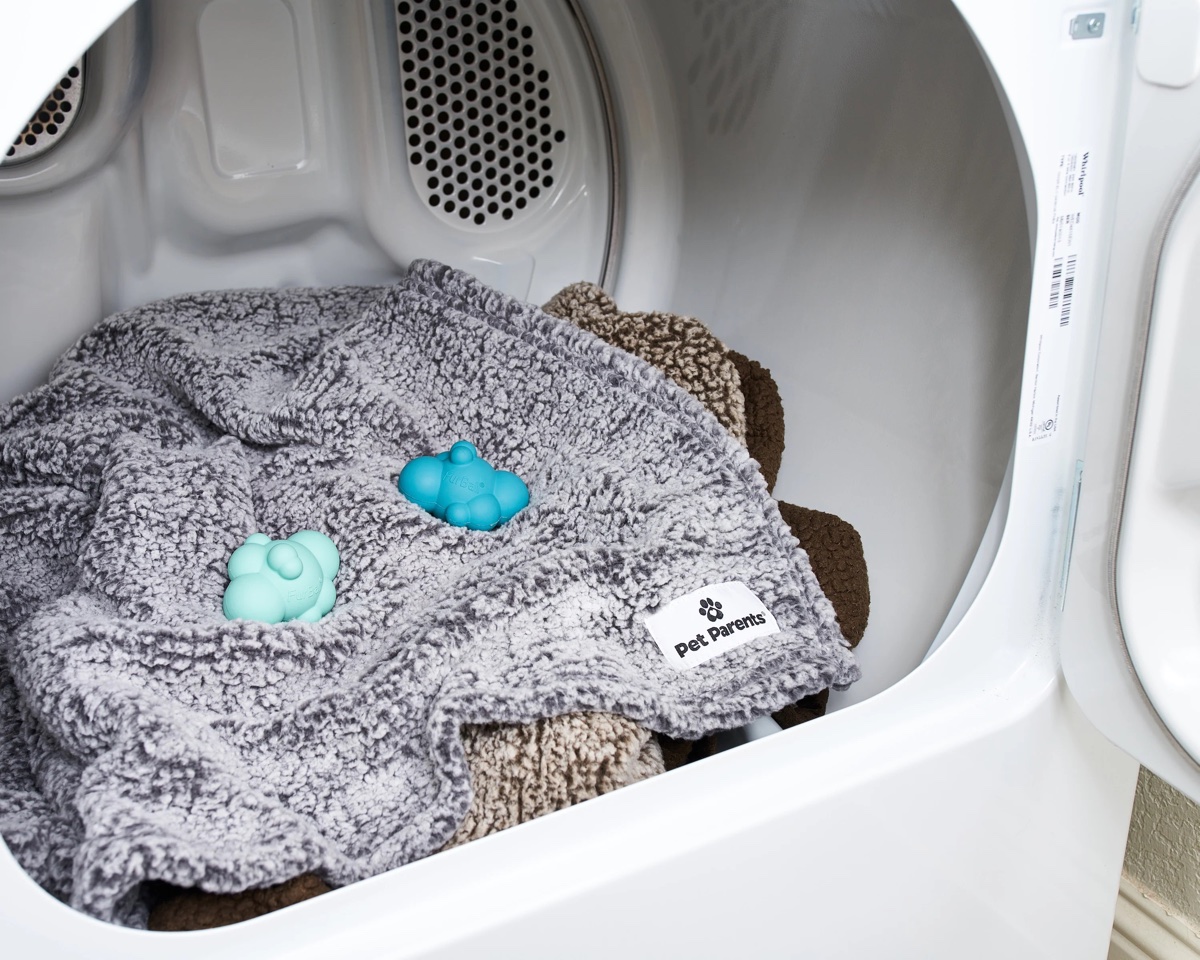
Reusable dryer balls can help separate laundry items and improve movement during a suitable drying cycle. However, they should not be considered a guaranteed pet-hair removal tool. Their results depend on the fabric, dryer, load size, and amount of loose fur.
Use dryer balls only when the blanket and dryer instructions allow them. Clean the lint screen after drying and remove visible hair before storing the blanket.
Q
How Often Should You Wash Pet Blankets?
The cleaning schedule depends on how often your pet uses the blanket and how dirty it becomes. The CDC recommends cleaning pet blankets and beds every week as part of routine pet-supply care.
You may need to wash a blanket sooner when it has visible dirt, heavy shedding, or an accident. Follow the fabric label and use a suitable cleaning method. Make sure the blanket dries completely before your pet uses it again.
Q
Can Pet Hair Clog A Washing Machine?
Yes. A large amount of loose pet hair can collect with other debris and contribute to blockages, especially when the drainage system already contains residue. Some washer models also have filters that require regular cleaning.
Reduce the risk by removing excess hair before washing and cleaning accessible filters according to the owner’s manual. If the washer drains slowly, makes unusual noises, or displays a drainage error, stop using it and follow the manufacturer’s troubleshooting instructions. Contact a qualified appliance technician if the problem continues.
Q
What Is The Fastest Way To Get Dog Hair Off A Fleece Blanket?
For a fleece blanket, begin by shaking it outside. Then use a lint roller or a suitable upholstery vacuum attachment to collect loose fur. A slightly damp rubber glove may also help gather hair into small clumps.
If the care label allows tumble drying, a short no-heat Air Fluff cycle can loosen additional hair before washing. Avoid rough brushes and high heat because they may damage fleece fibers.
✦ Wrapping Up
Conclusion
Getting pet hair off blankets in a washing machine is easier when you remove loose fur before starting the wash. Shake the blanket, vacuum the surface, or use a lint roller to collect as much hair as possible. For dryer-safe materials, a short no-heat cycle can help loosen additional fur before washing.
Use the correct detergent amount, select a cycle that matches the fabric, and avoid packing the washer too tightly. An extra rinse may help when hair or detergent remains on the blanket. Once the load is finished, inspect the blanket and clean the washer drum, door seal, and accessible filters.
Remember that no single laundry trick works for every fabric or type of pet hair. A combination of careful preparation, suitable washing, and regular machine maintenance is the most practical way to keep blankets cleaner and reduce fur buildup in your laundry equipment.
💡 Key Takeaway
Before your next wash, shake the blanket outside, remove loose fur with a vacuum or lint roller, and check its care label. Wash it with enough room to move, use an extra rinse if needed, and clean your washer and dryer lint screen afterward.