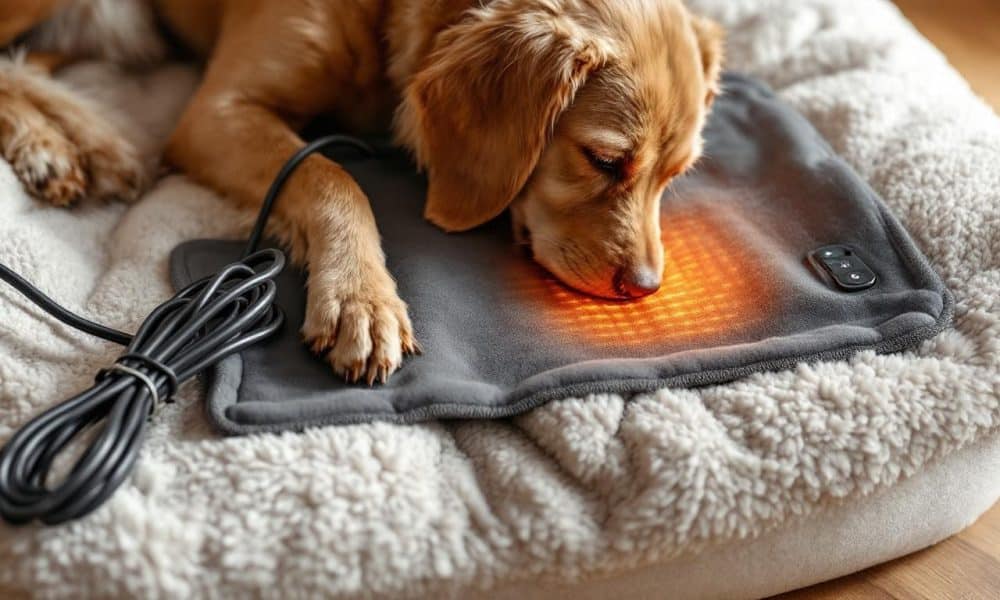
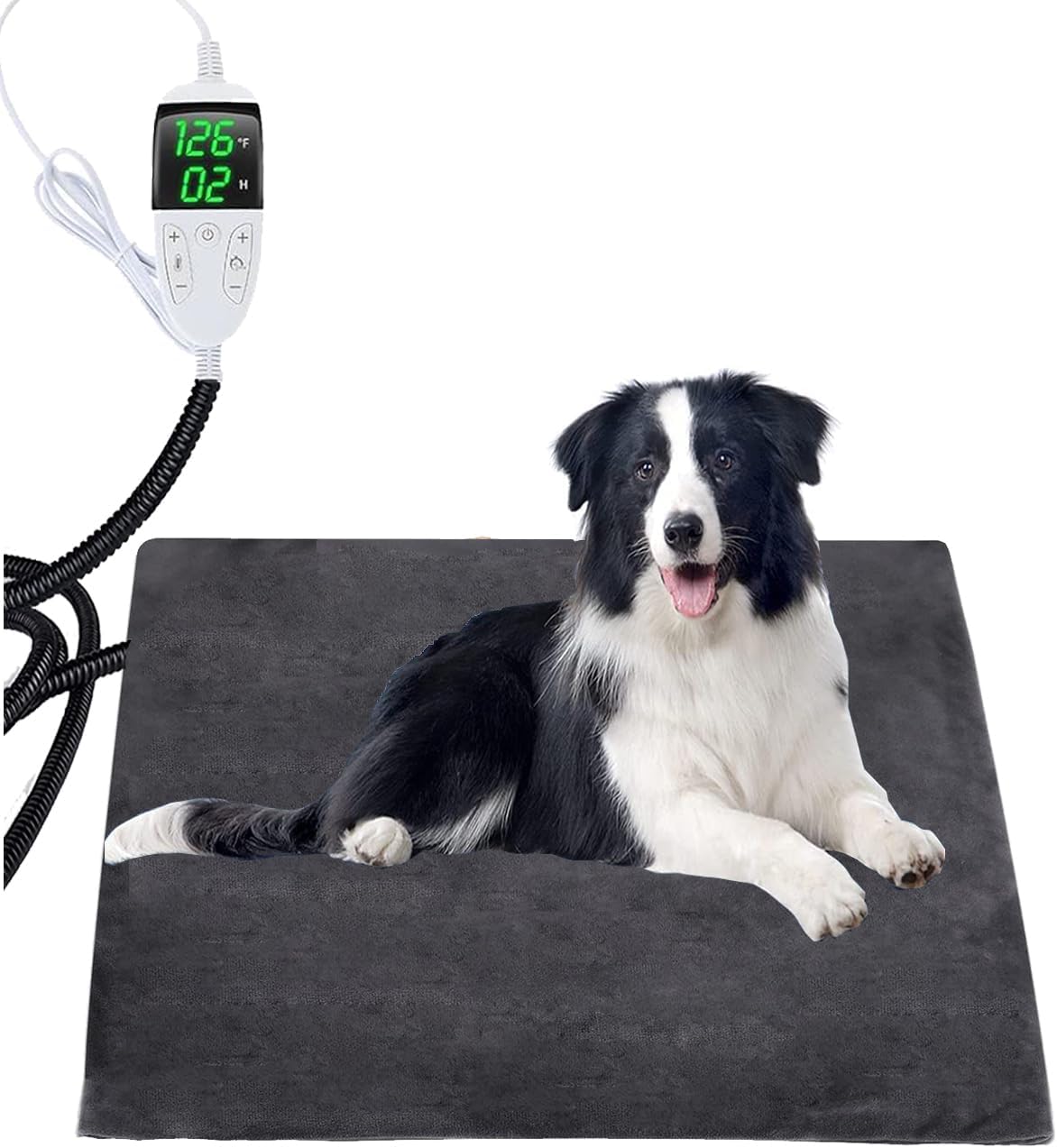
No, electric pet heating pads should not be left running unattended for long periods, overnight, or while you are away unless the exact product is specifically designed for that use and its manufacturer confirms the safety conditions. Even pet-specific heating pads can cause burns, overheating, or electrical injuries. Supervision and proper product use are essential.
During cold winters across the United States, many pet owners use heated beds and electric warming pads to keep their dogs and cats comfortable. These products can provide extra warmth for short-haired pets, senior animals, small breeds, and pets that feel cold easily. However, keeping a pet warm should never come at the cost of its safety. A heating pad that feels comfortable at first can become dangerous when an animal remains in contact with it for too long.
Veterinary guidance highlights several risks associated with direct heating devices. The American Animal Hospital Association discusses the risk of thermal burns and electrical injuries from electric heating pads, while VCA Animal Hospitals warns that sleeping, elderly, arthritic, and sick pets may not move away from excessive heat quickly enough. These risks make unattended use a concern, even when a product is marketed specifically for pets.
The safest approach is to use a suitable pet heating pad according to its instructions, provide a comfortable unheated area, protect the power cord, and monitor your animal during use. Automatic shutoff and temperature controls can add protection, but they do not make every product suitable for continuous or unattended operation. Your pet’s age, health, mobility, and ability to move away from heat also matter.
Source: cdnimg.co
Can You Leave a Pet Heating Pad On All Day?
Leaving a pet heating pad on all day is generally not recommended without supervision. Continuous operation increases the time your pet may be exposed to heat, electrical problems, and possible equipment failure. The risk becomes greater when an animal sleeps on the same spot for several hours.
Some pet heating pads are designed for extended operation. However, that does not mean every model can safely remain on all day. A product’s operating instructions, temperature regulation, construction, and intended use determine how it should be used.
The distinction between a product being designed for long operating periods and being safe to leave unattended is important. A heating pad may have a thermostat that controls its surface temperature, but the thermostat cannot prevent every problem caused by damaged wiring, blocked ventilation, chewing, or incorrect placement.
For most household situations, use the heating pad only as directed while checking your pet regularly. Turn it off when you cannot monitor your animal unless the manufacturer explicitly permits the intended unattended use and all required safety conditions are met.
Source: images-na.ssl-images-amazon.com
Short supervised use
This is generally the more cautious approach. Check your pet’s comfort, the pad’s surface, and the condition of the power cord during use.
All-day operation
This depends on the exact product and its documented operating limits. Do not assume a low setting makes continuous use safe.
Unattended operation
Avoid leaving an ordinary electric heating pad running when nobody can respond to overheating, damage, or a pet becoming trapped.
Overnight operation
Do not assume that a pet-specific label or automatic temperature control makes overnight use safe. Check the manufacturer’s instructions and discuss extended use with your veterinarian when necessary.
Why Does Continuous Heating Increase Risk?
A heating pad transfers heat to your pet through direct contact. When an animal stays in one position for a long time, the same area of skin may receive heat repeatedly. This can increase the risk of thermal injury, especially when the pet is sleeping or cannot move normally.
A second concern is equipment failure. A damaged cord, faulty temperature control, or worn heating element may create a hazard that an owner cannot notice immediately when nobody is present.
Prolonged contact
Long exposure can damage skin and underlying tissue.
Electrical problems
Damaged insulation, chewing, and faulty connections can increase the risk of shock or fire.
Limited response
A sleeping or weak pet may not recognize excessive heat or move away quickly.
What Are the Main Risks of Leaving Pet Heating Pads On?
The main risks include thermal burns, overheating, electrical shock, damaged wiring, and fire hazards. Not every heating pad will develop these problems, but each risk deserves attention before you leave a warming device running.
The danger is not limited to high-temperature settings. A relatively warm surface can still injure an animal when contact lasts too long. The pet’s health, skin condition, coat, mobility, and ability to change positions all affect the outcome.
The 2026 RECOVER First Aid Guidelines for dogs and cats identify heating pads among the everyday sources that can cause thermal injuries. The guidelines explain that prolonged exposure to less intense heat can also produce injuries that may be difficult to see beneath normal-looking fur.
Source: m.media-amazon.com
Thermal burns
Repeated or prolonged contact with a heated surface can damage the skin and deeper tissue. Some injuries may not be obvious beneath the coat.
Overheating
A pet may become too warm, especially in an enclosed sleeping area or when other blankets trap additional heat.
Electrical shock
Chewing or damaging the power cord can expose electrical components and create a serious hazard.
Fire risk
Faulty wiring, damaged heating elements, or improper electrical connections can create fire hazards.
Trapped heat
Thick bedding, unsuitable covers, or enclosed spaces may prevent heat from escaping as intended.
How Can a Pet Get Burned by a Low-Temperature Heating Pad?
A low-temperature heating pad is not automatically harmless. Thermal injury depends on both temperature and exposure time. A surface that seems comfortable during a brief touch may still cause damage when an animal remains on it for a prolonged period.
This is one reason sleeping pets deserve extra attention. They may not notice gradual discomfort or change positions often enough to protect their skin. Cats and dogs with reduced sensation may face an even greater risk.
Repeated exposure
The same area of skin may receive heat for several hours.
Reduced sensitivity
Some medical conditions can affect an animal’s ability to sense heat.
Hidden injuries
Thick fur can make early skin changes harder to notice.
Can a Pet Heating Pad Start a Fire?
Yes, an electric pet heating pad can contribute to a fire if its wiring, plug, heating element, or electrical connection fails. The risk may increase when a cord is damaged, the pad is folded against its instructions, or the device is used with an unsuitable power source.
Keep the pad away from water, damaged outlets, and objects that may trap excessive heat. Never continue using a product that smells like burning plastic, produces unusual noises, or shows signs of melting or electrical damage.
Inspect the cord
Look for exposed wires, cracks, bite marks, and loose connections.
Check the outlet
Use an appropriate outlet and follow the electrical requirements in the product manual.
Stop at the first warning sign
Disconnect the device safely if it shows unusual heat, smoke, sparks, or a burning smell.
Which Pets Are Most at Risk From Unattended Heating Pads?
Pets that cannot move away from a heating source quickly are at greater risk. Age, illness, reduced mobility, and poor temperature awareness can make an otherwise useful warming device unsafe.
VCA Animal Hospitals specifically warns about sleeping, elderly, arthritic, and sick pets. These animals may not wake up quickly enough or may struggle to change position when a surface becomes uncomfortable.
A healthy adult dog or cat may be better able to move away from unwanted heat. However, that ability should never be treated as a guarantee of safety. Any pet can experience an injury if the device is too hot, damaged, or used incorrectly.
Source: m.media-amazon.com
Senior dogs and cats
Older animals may have joint pain, reduced mobility, or other age-related changes that make it harder to move away from heat.
Puppies and kittens
Young animals may chew cords, have difficulty regulating body temperature, or lack the strength and awareness needed to respond to excessive heat.
Pets with arthritis
Joint discomfort can make changing positions difficult. Even a small movement may be painful.
Sick or recovering animals
Illness, weakness, medication, and reduced activity may affect how an animal responds to heat.
Pets with reduced sensation
Neurological conditions and some other medical problems can reduce awareness of excessive heat.
Sleeping or sedated pets
An animal that is deeply asleep, sedated, or unconscious may not react normally to discomfort.
Are Heating Pads Safe for Senior Pets?
Senior pets may benefit from extra warmth, particularly when joint stiffness or cold weather affects their comfort. However, they also need more careful protection because age-related mobility problems may prevent them from leaving a heated surface.
Ask your veterinarian whether a heating pad is suitable for your older pet. A supportive orthopedic bed, warm blankets, and a comfortable room may offer a safer way to provide warmth without direct electrical heat.
Check mobility
Make sure your pet can stand, turn, and move away without assistance.
Watch skin condition
Check for redness, unusual licking, tenderness, or changes in the coat.
Discuss medical needs
Ask a veterinarian about safer warming methods if your pet has arthritis, diabetes, nerve problems, or another chronic condition.
Can Puppies and Kittens Use Electric Heating Pads?
Young puppies and kittens need carefully controlled warmth, particularly during their early weeks. However, ordinary household heating pads are not automatically suitable for them.
Very young animals may be unable to move away from excessive heat or regulate their body temperature properly. Nursing mothers, litter size, health, and the environment also affect their warming needs.
Use a warming system recommended by a veterinarian or an experienced neonatal animal-care professional. The setup should include a cooler area and a reliable way to monitor the animals.
Avoid direct uncontrolled heat
Never place a young animal directly on a hot electric surface.
Provide a temperature gradient
The enclosure should allow the animals to move toward a cooler area when appropriate.
Monitor frequently
Check the animals and the warming equipment regularly.
Are Pet Heating Pads With Automatic Shutoff Safer?
Pet heating pads with automatic shutoff can offer an additional layer of protection. These products turn off after a preset operating period or when a built-in safety system detects a specific condition.
However, automatic shutoff does not make a heating pad completely safe. The feature only addresses the risks it was designed to control. It cannot guarantee protection from every electrical fault, damaged cord, incorrect placement, or prolonged contact with a warm surface.
A timer is different from a thermostat. A timer switches the product off after a set period, while a thermostat regulates temperature according to its design and settings. Some products include both features, but owners should check the exact specifications rather than assuming they are included.
The American Animal Hospital Association emphasizes that even warming equipment considered safer in veterinary settings requires monitoring. Its 2025 guidance discusses controlled warming methods and the need for staff to monitor patients while warming devices are in use.
Source: m.media-amazon.com
Automatic shutoff
Limits operation after a preset period, depending on the model.
Thermostat
Helps regulate temperature within the product’s intended operating range.
Temperature adjustment
Allows the user to select among available heating levels.
Overheat protection
May interrupt operation when the product detects an abnormal temperature or another specified condition.
Chew-resistant cord
Adds protection against some forms of cord damage but does not make the cable impossible to chew through.
What Should You Check Before Buying a Pet Heating Pad?
Choose a product specifically designed for the animal and environment in which you plan to use it. Read the manual before buying, especially if you want to use the device for extended periods.
Look for clear information about temperature control, automatic shutoff, electrical requirements, cleaning, replacement parts, and approved covers. A manufacturer should explain whether continuous operation is allowed and whether the product can be used while the owner is away.
Also check whether the product has been evaluated by a recognized testing organization for applicable electrical safety standards. A marketing claim such as safe, smart, or automatic is not a substitute for documented safety information.
Documented operating instructions
The manufacturer should clearly explain the intended use and operating limits.
Temperature regulation
Look for clearly documented temperature controls and safety features.
Reliable construction
Inspect the pad, seams, cable, plug, and controller for durable construction.
Cleaning instructions
Check whether the cover or pad can be washed and how electrical components must be protected.
Warranty and support
Choose a manufacturer that provides clear product support and warranty information.
Does a Pressure-Activated Heating Pad Need to Be Turned Off?
A pressure-activated pet heating pad responds to the presence or weight of an animal, depending on the product’s design. Some models are intended to produce warmth only when a pet rests on the surface.
This design may reduce unnecessary operation, but it does not eliminate burn or electrical risks. Check the product manual to understand how the activation system works, what happens when the pet leaves, and whether the manufacturer permits unattended operation.
Check activation behavior
Confirm whether the pad switches on automatically and how it responds when the pet moves.
Check temperature limits
Do not assume pressure activation also provides reliable temperature regulation.
Inspect the electrical system
Look for damage and follow all cord-protection instructions.
How to Use a Pet Heating Pad More Safely
The safest way to use a pet heating pad is to follow its manual, monitor your animal, and prevent direct exposure to excessive heat. A good setup gives your pet warmth without removing its ability to move away.
Before switching on the pad, inspect the electrical components and check that the product is suitable for your pet’s size and condition. Place it on a stable, dry surface and use only the covers or bedding approved by the manufacturer.
Never fold, crush, or place heavy objects on an electric heating pad unless its instructions specifically allow that arrangement. These actions can interfere with heat distribution or damage the internal heating components.
A pet should always have access to a separate, unheated resting area. This gives the animal a choice and reduces the chance of being exposed to unwanted heat.
Source: m.media-amazon.com
Read the manual
Confirm the approved operating time, temperature settings, placement, cover requirements, and cleaning instructions.
Inspect before use
Check the pad, plug, cable, controller, and outer cover for damage.
Choose the correct setting
Start with the lowest appropriate setting permitted by the manufacturer.
Use an approved cover
Follow the manufacturer’s instructions about blankets, fabric layers, and direct contact.
Protect the cord
Keep the cable away from chewing, scratching, moisture, and areas where it can become trapped.
Provide an escape area
Allow your pet to leave the heated surface and rest somewhere cooler.
Supervise your pet
Watch for signs of discomfort and check the equipment during use.
Switch off when appropriate
Turn off and unplug the device when the session ends or when the manual requires it.
Should You Put a Blanket Over a Pet Heating Pad?
A blanket can help protect your pet from direct contact with a heated surface, but only when the manufacturer permits it. Some products require a specific cover, while others are designed to operate without additional bedding.
Adding too many fabric layers may change how heat moves through the pad. It can also trap heat or interfere with a temperature sensor. Never assume that extra insulation automatically makes a heating pad safer.
Use only the cover and bedding arrangement described in the product instructions. If the manual does not explain whether a blanket is permitted, contact the manufacturer before using one.
Use approved fabric
Choose the supplied cover or another material specifically permitted by the manufacturer.
Avoid excessive layers
Do not pile blankets on top of the pad or cover its controller.
Check the surface
Stop using the pad if it develops unusual hot spots or other signs of malfunction.
Can You Leave a Pet Heating Pad Inside a Crate?
Using an electric heating pad inside a crate requires particular care. A confined pet may have limited room to move away from the heat, and bedding or crate walls may interfere with the device’s intended operation.
VCA Animal Hospitals specifically advises against locking a pet in a carrier or crate with a heating pad where it cannot escape if the surface becomes too hot.
Unless the product is specifically approved for the enclosure and the setup follows its instructions, do not place an ordinary electric heating pad inside a closed crate. A warm blanket or suitable insulated bed may be a better option.
Keep an escape route
Never create a setup in which the animal must remain on the heated surface.
Check ventilation
Do not block airflow or cover the device in a way that changes its intended operation.
Follow enclosure instructions
Use only warming products approved for the specific crate or enclosure.
What Are Safer Alternatives to Electric Pet Heating Pads?
If you cannot supervise your pet, non-electric warming options are often a more practical choice. They provide insulation or retain warmth without requiring an energized heating element to remain in contact with your animal.
These alternatives are not completely risk-free. Any warming material can become unsuitable if it is damaged, too hot, or used with an animal that cannot move away. The goal is to provide comfortable warmth without creating a prolonged source of uncontrolled heat.
For most healthy household pets, a warm sleeping area, insulated bed, and comfortable indoor temperature may be enough. Pets with special medical needs should receive a warming plan from a veterinarian.
Source: m.media-amazon.com
Self-warming pet beds
These beds use reflective or insulating materials to help retain some of the animal’s own body heat. They do not need an electrical power supply.
Thermal blankets
A suitable blanket can provide insulation and allow an animal to adjust its position.
Orthopedic pet beds
Supportive foam beds can improve comfort for older pets and animals with joint discomfort without requiring active heating.
Warm indoor sleeping areas
A draft-free location away from cold floors can provide useful warmth.
Veterinarian-approved warming systems
Pets with serious medical needs may require controlled warming equipment and professional monitoring.
Are Self-Warming Pet Beds Safer Than Electric Heating Pads?
Self-warming beds generally reduce electrical risks because they do not require a power cord, plug, or electric heating element. They use insulating and reflective materials to help retain body heat.
However, self-warming does not mean the bed produces unlimited heat or can solve every cold-weather problem. Its performance depends on the materials, design, room temperature, and the pet’s ability to generate body heat.
For a healthy pet that simply prefers a warmer sleeping surface, a self-warming bed can be a sensible alternative. A sick or very young animal may still need veterinary guidance.
No electrical cord
Removes the risks associated with chewing or damaging a powered heating cable.
Passive warmth
Retains some body heat without requiring continuous electrical power.
Simple maintenance
Many designs have removable covers, although cleaning instructions vary by model.
Are Heated Pet Beds Different From Heating Pads?
The terms heated pet bed and pet heating pad are sometimes used for similar products, but their designs can differ. A heated bed may include a built-in heating element surrounded by cushioning, while a heating pad may provide a flatter heated surface.
Neither product name proves that an item is safe for continuous unattended use. The actual construction, electrical controls, operating instructions, and intended animal determine how it should be used.
Heated pet bed
Often combines a resting surface with a built-in heating system.
Electric heating pad
Usually provides a separate heated surface that may be placed within an approved pet bed.
Self-warming bed
Uses passive insulation rather than an electric heating element.
How to Recognize Heating Pad Burns in Dogs and Cats
Recognizing a possible heating pad burn early can help prevent a minor injury from becoming more serious. Look for changes in the skin, fur, behavior, and the way your pet reacts when you approach or touch an affected area.
Thermal injuries are not always easy to see. Fur can cover redness and other changes, while injuries caused by prolonged exposure to moderate heat may appear less dramatic than burns caused by direct contact with a very hot surface.
The 2026 RECOVER First Aid Guidelines explain that thermal burns can result from heating pads and other everyday heat sources. They recommend awareness of both visible tissue changes and behavioral signs of pain.
Source: dogingtonpost.com
Red or irritated skin
The affected area may look red, inflamed, or unusually sensitive.
Blisters or damaged skin
More serious burns may produce blisters, peeling, or visible tissue damage.
Unusual licking
A pet may repeatedly lick or chew one area because it feels painful or irritated.
Hair changes
Fur may look singed, shortened, or different from the surrounding coat.
Pain or discomfort
Your pet may withdraw, guard an area, avoid being touched, or behave differently.
Behavioral changes
Restlessness, unusual hiding, reduced activity, or reluctance to lie down may indicate discomfort.
What Should You Do If Your Pet Gets Burned?
Immediately stop the heat exposure and move your pet away from the heating pad. If an electrical fault is suspected, disconnect the power safely before touching the equipment or animal near the damaged electrical source.
For a suspected thermal burn, use cool running water or a clean cool-water compress to cool the affected area. Do not use ice or iced water, and do not apply butter, oils, or household creams.
Contact a veterinarian promptly, even if the burn appears small. The 2026 RECOVER guidance and veterinary first-aid recommendations emphasize that thermal injuries can be more serious than they first appear.
Do not remove damaged skin or fur yourself. Keep your pet calm and arrange veterinary care. A veterinarian can assess the depth of the injury and recommend appropriate treatment.
Stop the exposure
Turn off the heating pad and move your pet away from it.
Cool the affected area
Use cool water or a clean cool compress. Avoid ice and excessive cooling.
Avoid home remedies
Do not apply butter, oils, toothpaste, or unapproved ointments.
Contact a veterinarian
Seek professional advice promptly, regardless of the apparent size of the burn.
Watch for electrical injury
If your pet has chewed a live cord or received an electrical shock, seek emergency veterinary assessment.
When Is a Heating Pad Injury an Emergency?
Seek emergency veterinary care if your pet has extensive burns, severe pain, breathing difficulty, weakness, collapse, or signs of electrical injury. Electrical shock can cause internal complications that may not be immediately visible.
Do not wait for visible skin damage if your pet has chewed a powered cord. Electrical injuries can affect more than the mouth and may cause serious complications.
Breathing difficulty
Any unusual or difficult breathing after electrical exposure needs immediate veterinary attention.
Collapse or severe weakness
These signs require emergency assessment.
Extensive burns
Large, blistered, or deeply damaged areas need prompt professional care.
Electrical shock
Treat suspected electrical injury as an emergency, even if the pet initially seems normal.
Common Mistakes Pet Owners Should Avoid
Many heating pad accidents happen because owners assume that products made for pets are automatically safe in every situation. A pet-specific design can reduce certain risks, but correct use remains essential.
Small details such as the location of the cord, the number of blankets, and the size of the heated area can affect how safely a product operates. Avoid the following mistakes when setting up a warming area.
Source: cdnimg.co
Using a human heating pad
Human heating pads may have different temperature settings, controls, and operating instructions. Do not substitute one for a pet-specific product without veterinary approval.
Assuming low heat is always safe
Prolonged exposure to a relatively warm surface can still cause tissue damage.
Leaving a pet trapped on the pad
A pet must be able to move away from a heated surface.
Ignoring the product manual
Operating times, approved covers, and placement rules vary between products.
Covering the controller
Fabric and bedding should not block controls, ventilation, or sensors.
Using a damaged product
Cracked covers, exposed wires, and unusual heating patterns are reasons to stop using the device.
Assuming automatic shutoff prevents every accident
Timers and thermostats are useful features, not guarantees against burns, electrical faults, or overheating.
Is It Safe to Use a Pet Heating Pad on a Wet Bed?
No electric heating pad should be used in a wet or damp setup unless the exact manufacturer instructions explicitly allow that use. Moisture can create electrical hazards and may damage components that are not designed to operate in wet conditions.
If your pet has an accident, remove the animal, switch off the product, and follow the cleaning and drying instructions. Do not reconnect the pad until it is completely dry and the manufacturer permits its use.
Check the cover
Confirm whether it is waterproof or merely water-resistant. These terms do not mean the same thing.
Keep electrical connections dry
Protect the plug, controller, and cable from urine, water, and cleaning products.
Replace damaged components
Do not continue using a product with moisture damage or electrical faults.
Can You Use an Extension Cord With a Pet Heating Pad?
Use an extension cord only if the product manufacturer explicitly permits it and provides suitable electrical requirements. An unsuitable cord or overloaded connection can create additional electrical risks.
Whenever possible, use the recommended power connection and keep cables away from pets, water, and areas where they can become trapped. Never connect a damaged cord or loose plug.
Check electrical ratings
The cord must meet the manufacturer’s specified requirements.
Avoid overloaded outlets
Do not connect multiple high-power devices to an unsuitable electrical circuit.
Protect the cable
Keep the cord away from chewing, scratching, and moisture.
Pet Heating Pad Safety Checklist Before Leaving Home
Before leaving your home, check whether the heating pad is still operating and whether the product manual permits unattended use. If the manufacturer does not clearly authorize the intended operation, switch it off and unplug it before leaving.
A quick inspection can help identify problems before they become serious. However, a checklist does not replace supervision or make an unsuitable product safe.
Source: m.media-amazon.com
Read the instructions
Confirm whether unattended operation is specifically allowed.
Inspect the equipment
Look for damage, unusual heat, loose connections, and exposed wiring.
Check your pet
Make sure your pet can walk away and has no signs of discomfort.
Keep the area dry
Remove water bowls, wet bedding, and other moisture sources from the electrical setup as directed by the manufacturer.
Protect the cable
Make sure your pet cannot reach or chew the cord.
Provide another resting spot
Ensure that your pet has a comfortable unheated area.
Use the approved timer
Set the shutoff function according to the manufacturer’s instructions.
Unplug when uncertain
If you cannot confirm that unattended use is permitted, switch off and disconnect the pad.
A Simple Decision Guide for Pet Owners
The following table can help you decide whether a heating pad should remain in use. It is a practical safety guide, not a replacement for the product manual or veterinary advice.
You are home and can supervise
Use the product according to its instructions, monitor your pet, and provide an unheated resting area.
You are going to sleep
Do not leave the device running unless its manufacturer explicitly permits the intended overnight use and your pet’s health and setup make that use appropriate.
You are leaving for work
Switch it off unless the manufacturer specifically approves unattended operation under your exact setup and all safety requirements are met.
Your pet cannot move independently
Avoid unsupervised direct heating and ask your veterinarian about controlled warming options.
The pad or cord is damaged
Stop using it immediately and replace or professionally service the product as directed.
You are unsure about the operating instructions
Contact the manufacturer before leaving the device running.
Frequently Asked Questions
Q
Can I Leave My Pet Heating Pad On Overnight?
It is generally safer not to leave an electric pet heating pad running overnight without supervision. Prolonged heat exposure can cause burns, particularly in sleeping, elderly, sick, or less mobile animals. Only consider extended operation when the manufacturer explicitly permits it and all safety requirements are met. Provide an unheated resting area and ask your veterinarian if your pet has medical or mobility problems.
Q
Can I Leave a Pet Heating Pad On While I Am at Work?
Do not assume that a pet heating pad is safe to leave running while you are at work. Check the manufacturer’s instructions for explicit permission for unattended operation. If the manual does not clearly allow it, switch off and unplug the device before leaving. A self-warming bed or insulated sleeping area may be a safer alternative.
Q
Can a Pet Heating Pad Burn My Dog or Cat?
Yes. Prolonged contact with a heated surface can cause thermal burns in both dogs and cats. The risk may be higher for animals that sleep deeply, have reduced sensation, or cannot move away easily. Watch for redness, unusual licking, tenderness, blisters, and changes in behavior. Contact a veterinarian if you suspect a burn.
Q
Are Pet Heating Pads With Timers Safe?
Timers can reduce the length of operation by switching a heating pad off after a preset period. However, a timer does not guarantee protection against burns, electrical damage, or other hazards. Check the product’s temperature controls, operating instructions, and intended use. Continue monitoring your pet whenever the device is being used.
Q
Is a Self-Warming Pet Bed Better Than an Electric Heating Pad?
A self-warming pet bed can be a safer everyday option for many healthy dogs and cats because it does not require electricity or a power cord. It uses insulating materials to help retain body heat. However, it may not provide enough warmth for a very young, sick, or medically vulnerable animal. Ask a veterinarian about additional warming needs.
Q
Can I Leave a Cat Heating Pad On All Day?
Leaving a cat heating pad on all day is not automatically safe. Cats may sleep for long periods, and some older or ill cats may not move away from excessive heat quickly enough. Follow the manufacturer’s operating limits, monitor your cat, and provide an unheated area. Switch the pad off when unattended use is not explicitly permitted.
Q
Are Human Heating Pads Safe for Dogs and Cats?
Human heating pads should not be used as a routine substitute for pet-specific warming products. Their temperature controls, surface design, and operating instructions may not suit animals. They can also create burn and electrical risks. Ask your veterinarian before considering any human heating device for your pet.
Q
What Temperature Should a Pet Heating Pad Be?
There is no single temperature that is safe for every pet and every heating pad. The appropriate operating range depends on the product’s design, intended use, contact conditions, and the animal’s health. Follow the manufacturer’s stated temperature limits rather than choosing a setting based on human comfort. Ask your veterinarian for guidance if your pet has a medical condition.
Q
Can Dogs and Cats Sleep on Self-Warming Beds All Night?
Many healthy pets can use a suitable self-warming bed overnight because it retains body heat without an electrical heating element. Choose a bed that fits your animal, remains dry, and allows comfortable movement. Check the materials and condition regularly, especially if your pet chews or scratches bedding.
Q
Should I Turn Off a Pet Heating Pad When My Pet Leaves It?
If the product does not have an automatic activation or shutoff system, turn it off when it is no longer needed and follow the manufacturer’s instructions. Some pressure-activated models operate only when an animal is on the pad, but their exact behavior varies. Check the manual rather than assuming the device switches itself off.
✦ Wrapping Up
Conclusion
Pet heating pads can help dogs and cats stay comfortable during cold weather, but leaving them running unattended introduces risks that owners should not ignore. Thermal burns, overheating, electrical shock, damaged cords, and fire hazards are all reasons to use these devices carefully.
The safest approach is to choose a properly designed pet heating pad, follow the manufacturer’s instructions, monitor your animal, and provide an unheated place to rest. Automatic shutoff and temperature controls can add protection, but neither feature guarantees that a product is safe in every situation.
Pay particular attention to senior pets, puppies, kittens, animals with arthritis, and pets with medical conditions that affect mobility or sensation. These animals may need additional warmth but can also be more vulnerable to heat-related injuries. Consult a veterinarian before using an electric warming device for a medically vulnerable pet.
If your main goal is to keep your pet warm while you are away, consider a self-warming bed, insulated bedding, and a comfortable indoor sleeping area. These options avoid many of the electrical risks associated with powered heating pads and can provide a practical source of everyday warmth.
💡 Key Takeaway
Before leaving home, switch off and unplug your pet heating pad unless the manufacturer explicitly approves unattended operation under your exact conditions. Check the cord, provide an unheated resting area, and choose a self-warming bed when you need a lower-maintenance alternative.