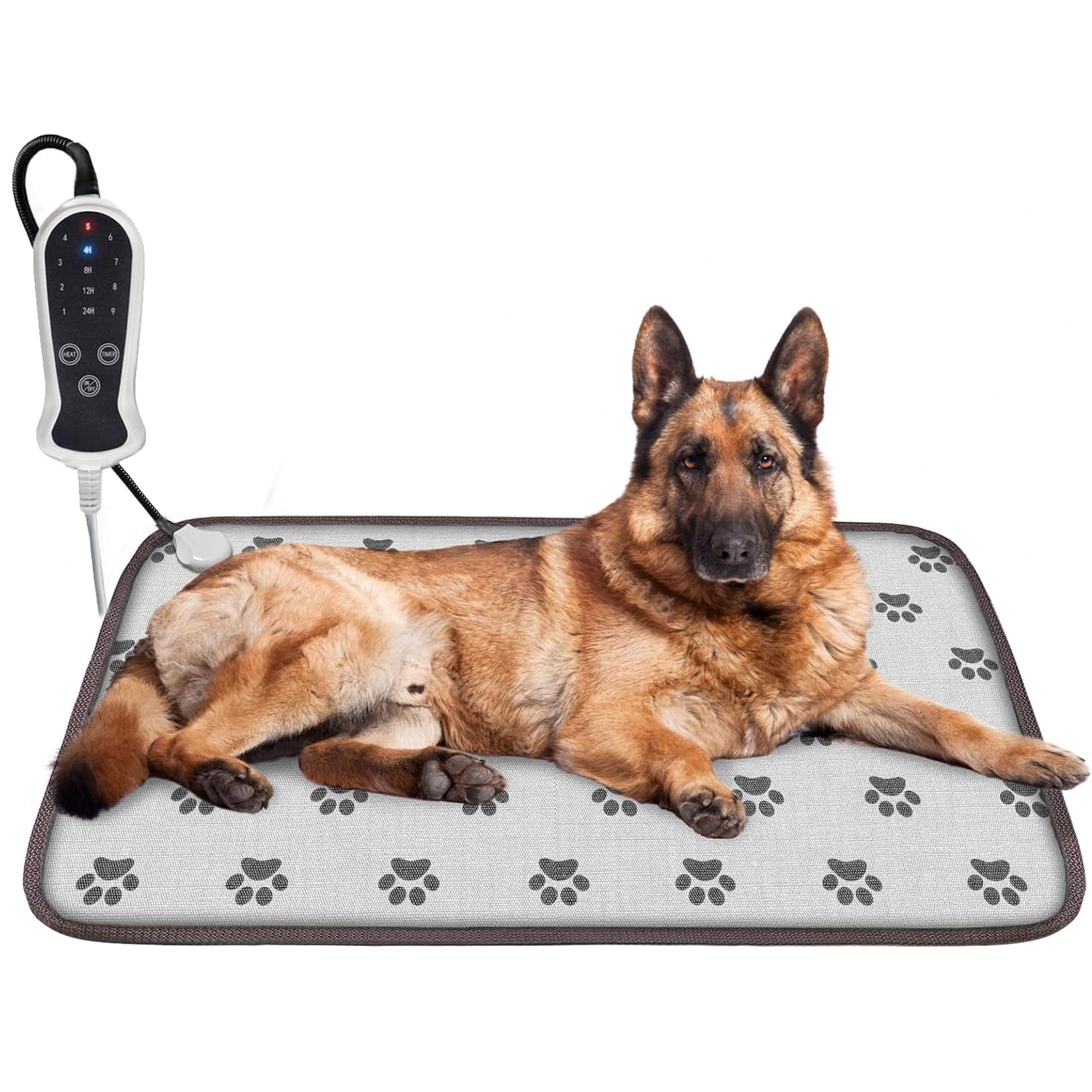
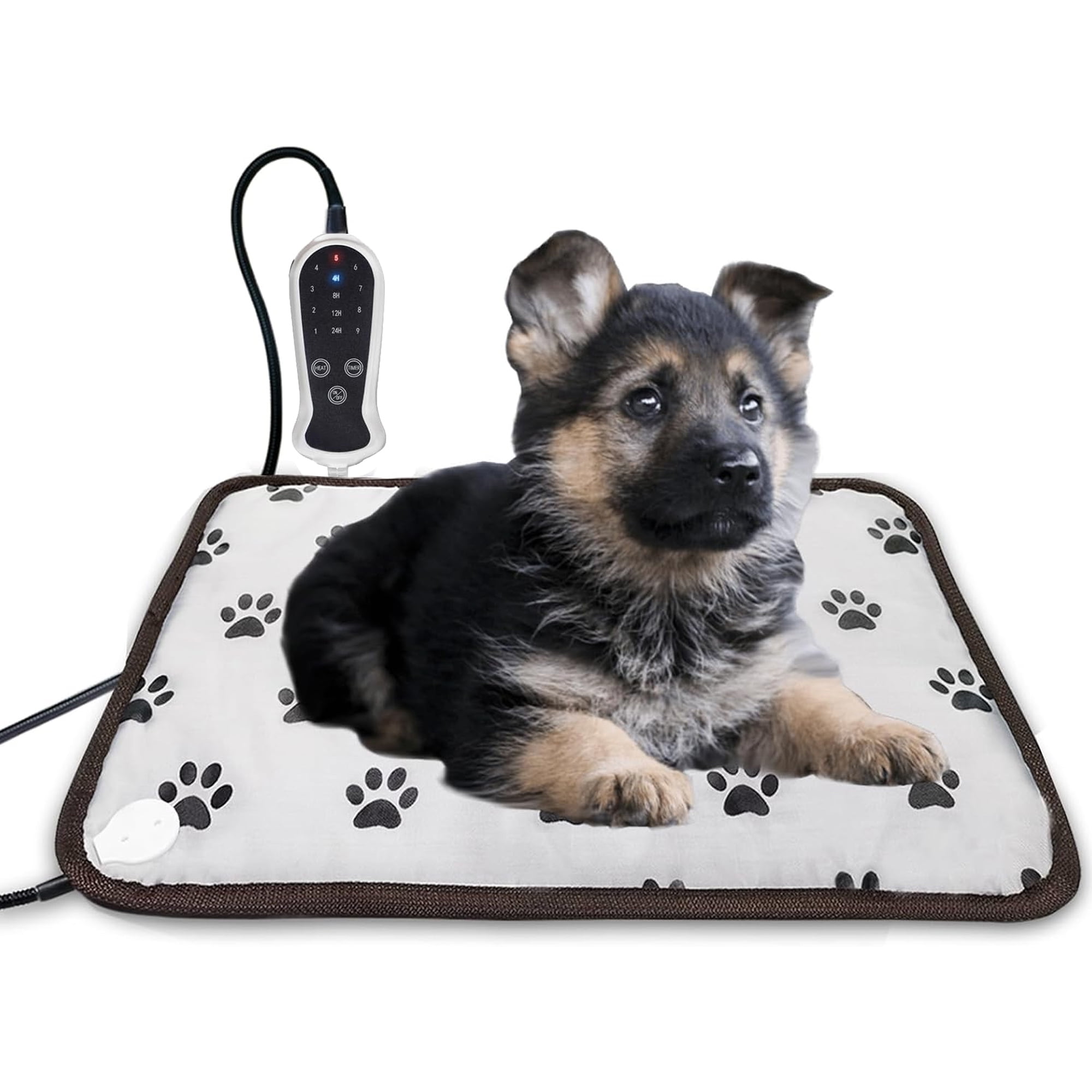
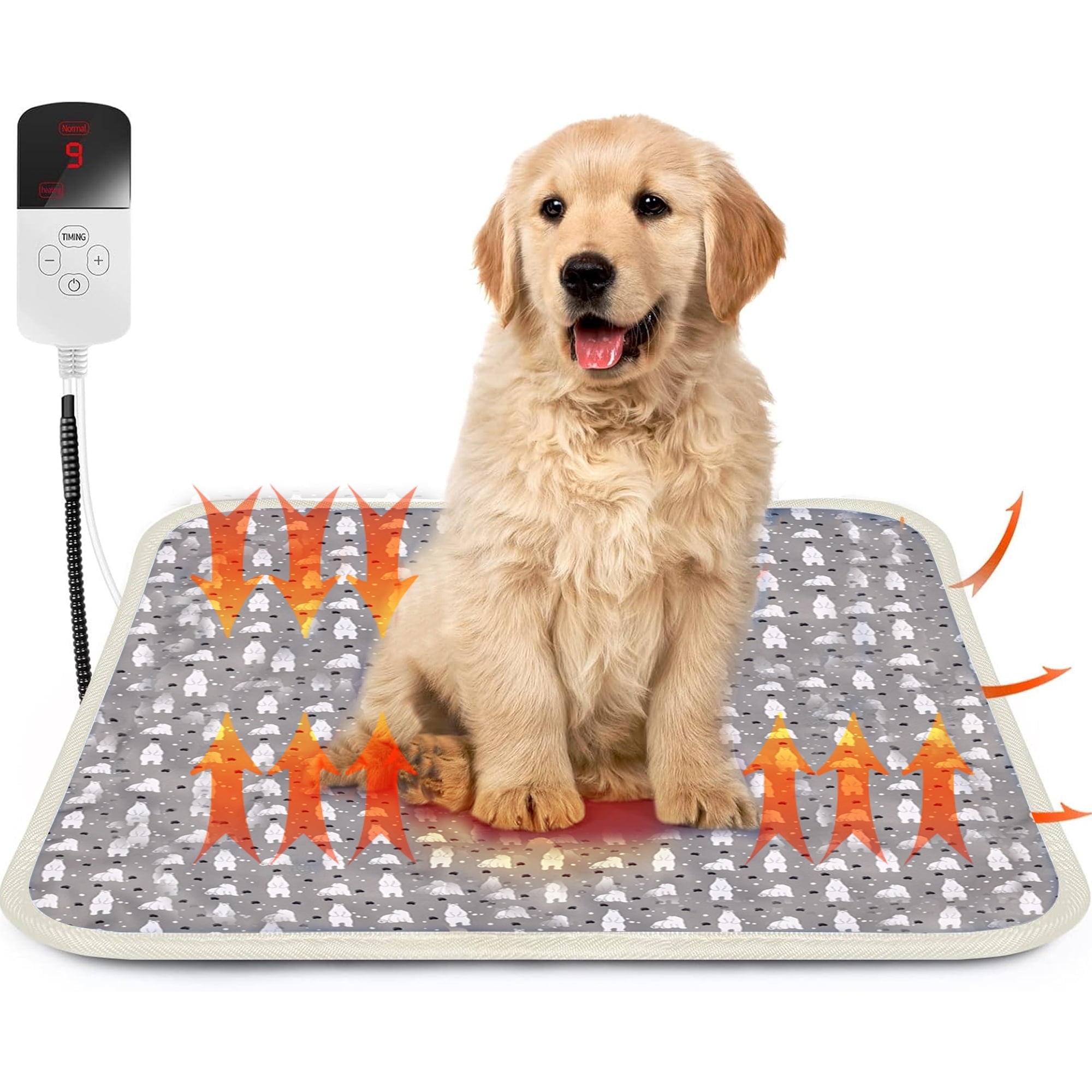
Yes, a heating pad can help some dogs stay comfortable, but it must be designed for pets and used with careful supervision. The wrong heating pad or excessive heat can cause burns, overheating, and electrical injuries.
During the cold months across the United States, many dog owners look for ways to keep their pets warm indoors. Homes in states such as Minnesota, Wisconsin, Michigan, and New York can become especially cold during winter. Older dogs, small breeds, and dogs with short coats may need extra warmth when temperatures drop.
A dog heating pad can provide gentle warmth and may help some pets with stiff joints or sore muscles. However, using an ordinary human heating pad is not a safe choice. Dogs may not notice excessive heat quickly, especially when they are sleeping or have trouble changing positions.
Veterinary guidance also makes a clear distinction between everyday comfort and medical warming. A heated pet bed may help a healthy dog that gets cold, but a dog with suspected hypothermia, an injury, or a medical condition needs veterinary advice. The safest approach is to choose the right warming method for your dog’s age, health, and ability to move away from heat.
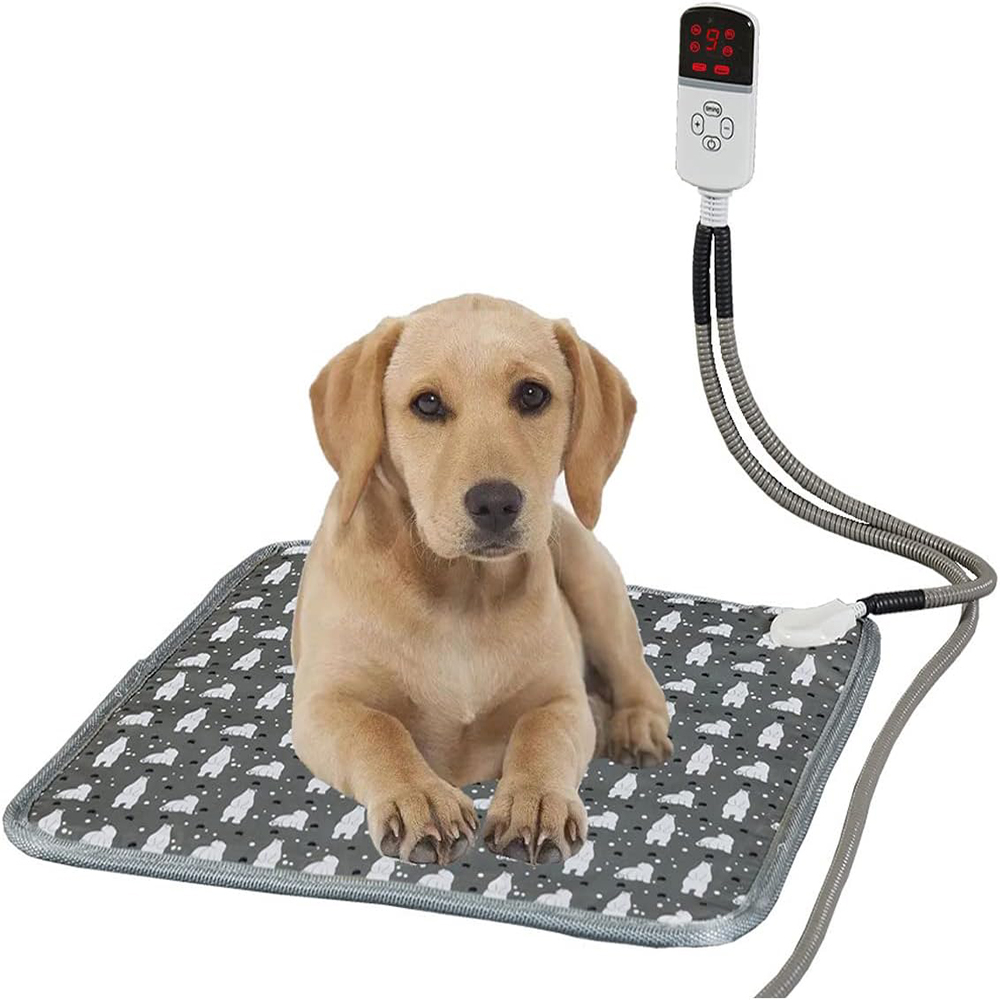
Source: walmart.com
Is a Heating Pad Good for Dogs?
A heating pad can be helpful for some dogs, but it is not necessary or suitable for every pet. Its main purpose is to provide gentle external warmth. This can make a resting area more comfortable for a dog that gets cold easily.
Senior dogs, small breeds, and dogs with thin coats may benefit most from extra warmth. Some older dogs also have joint stiffness or arthritis that makes cold weather less comfortable. A warm resting place may help them relax, although it does not cure arthritis or repair damaged joints.
The type of heating product matters. A pet-specific heated bed with suitable temperature controls is different from a standard electric pad made for people. Even a product designed for pets needs careful use because prolonged heat exposure can injure the skin.
The American Kennel Club advises owners to consider their dog’s health and mobility before using a heated bed. It also recommends supervision and enough space for the dog to move away from the heat. These conditions matter more than simply choosing a product with a high temperature setting.
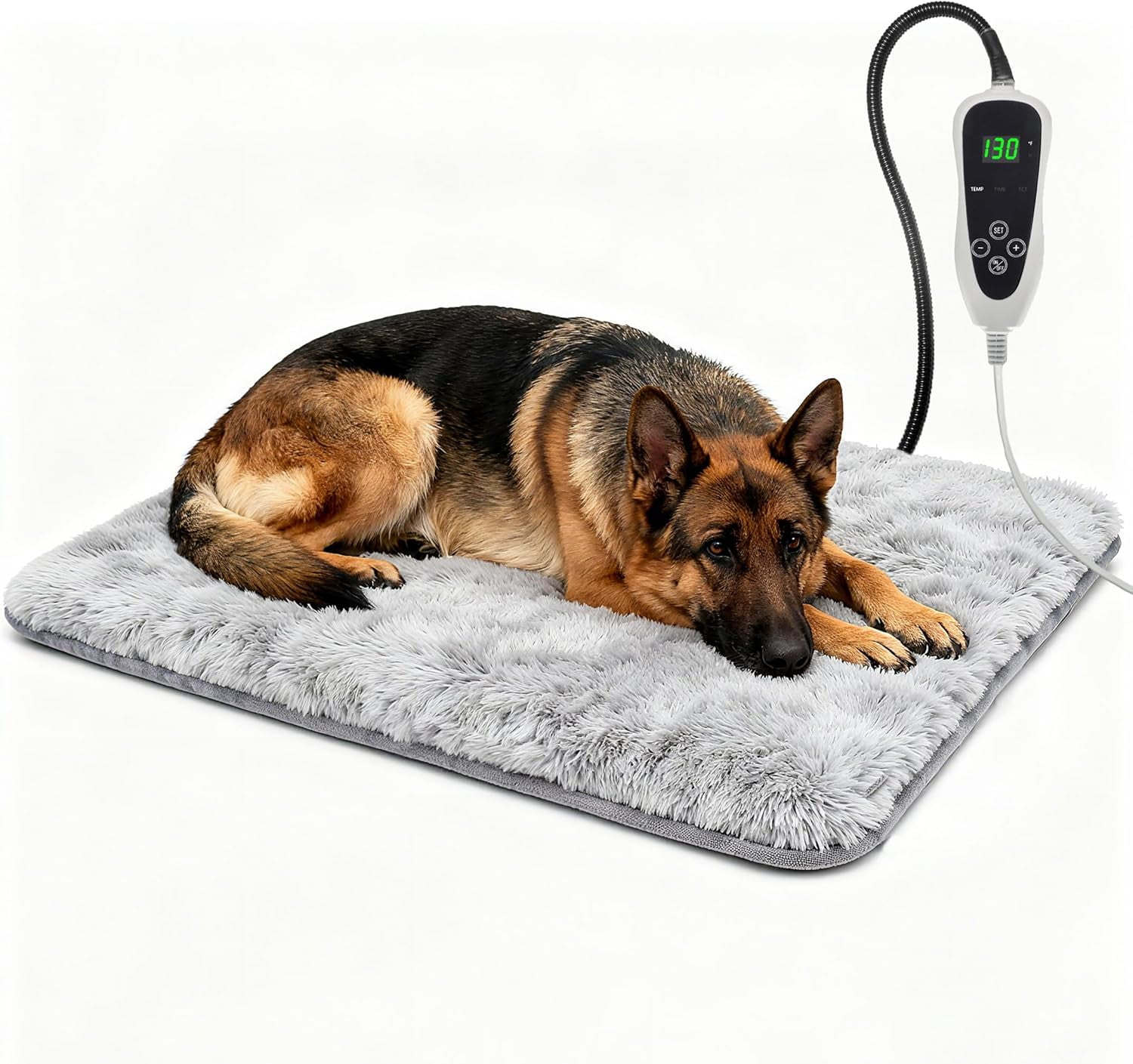
Source: amazon.ca
Potential benefit
Gentle warmth may make a cold dog’s resting area more comfortable.
Joint comfort
Some dogs with stiff joints may enjoy a warm resting surface, but heat should not replace veterinary arthritis care.
Main concern
Excessive or prolonged heat can cause burns and overheating, particularly in dogs that cannot move easily.
Best approach
Use a suitable pet-specific product only when appropriate, and ask a veterinarian about individual health risks.
How Does a Heating Pad Help a Dog?
A heating pad transfers warmth to the surface of a dog’s body. Gentle warmth can increase blood flow in the warmed area and help relax tight muscles. This may make resting more comfortable for some dogs.
However, comfort does not always mean medical improvement. A warm bed may help a dog settle down, but it cannot treat the underlying cause of pain, weakness, or stiffness. A dog that struggles to walk should receive a veterinary examination rather than relying on heat.
Which Dogs May Benefit From a Heating Pad?
Some dogs need more help staying warm than others. Their age, body size, coat type, health, and daily activity can affect how well they handle cold conditions.
A pet-specific heated bed may be worth discussing with a veterinarian if your dog regularly seeks warm places or seems uncomfortable on cold floors. The goal should be to improve comfort without making the dog depend on an unsafe heat source.
Not every dog that feels cold needs an electric pad. A warm room, dry bedding, and a suitable blanket may provide enough comfort for many pets.
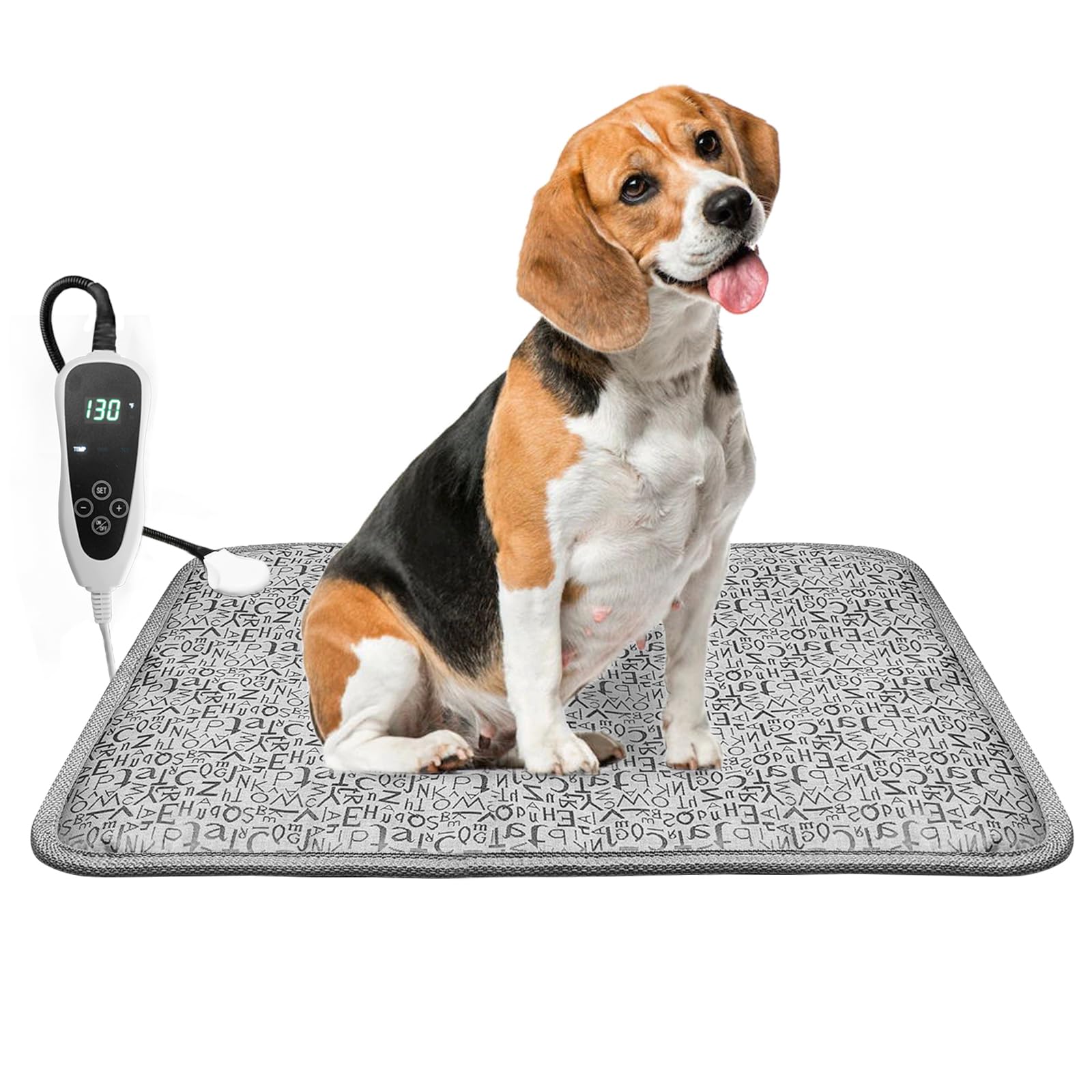
Source: iheartdogs.com
Senior dogs
Older dogs may have less muscle mass, joint stiffness, or difficulty maintaining a comfortable resting temperature. They may appreciate a warm sleeping area, but mobility problems increase the risk of burns.
Small dog breeds
Chihuahuas, Yorkshire Terriers, Toy Poodles, and similar small breeds may lose body heat more quickly because of their size.
Short-haired dogs
Greyhounds, Boxers, and Doberman Pinschers have less coat insulation than many thick-coated breeds.
Hairless dogs
Dogs with little or no body hair may need extra indoor warmth, especially when resting in a cool room.
Dogs recovering from certain conditions
Some dogs may need extra comfort during recovery, but the veterinarian should decide whether supplemental heat is suitable for the specific injury or procedure.
Are Heating Pads Good for Senior Dogs?
A heated pet bed may help a healthy senior dog feel more comfortable during cold weather. Older dogs with arthritis may enjoy gentle warmth while resting, especially if they have a soft, supportive bed.
However, senior dogs are also more likely to have reduced mobility or changes in sensation. A dog that cannot move away from a warm surface may develop a burn without showing an early warning response.
Choose a comfortable bed that does not require climbing or jumping. If your senior dog has trouble standing, ask your veterinarian before introducing an electric warming product.
Are Heating Pads Good for Puppies?
Young puppies have developing temperature regulation and may need a warm environment. However, their small bodies can be vulnerable to excessive heat, and very young puppies may not be able to move away from a dangerous surface.
Do not place an ordinary electric heating pad in a puppy’s sleeping area. Ask a veterinarian about suitable temperature support, particularly for newborn puppies or puppies that are weak, ill, or separated from their mother.
Benefits of Using a Heating Pad for Dogs
When the product and the dog are both suitable, gentle warmth can improve resting comfort. The main benefits relate to warmth and relaxation rather than curing a medical condition.
Dogs that dislike cold floors may prefer a warm sleeping surface. A comfortable resting area can also encourage an older dog to settle down instead of repeatedly moving around to find a warmer spot.
The benefits are not guaranteed. Some dogs prefer cool bedding, while others may become uncomfortable when their resting area gets too warm. Always let your dog choose whether to use the heated area.
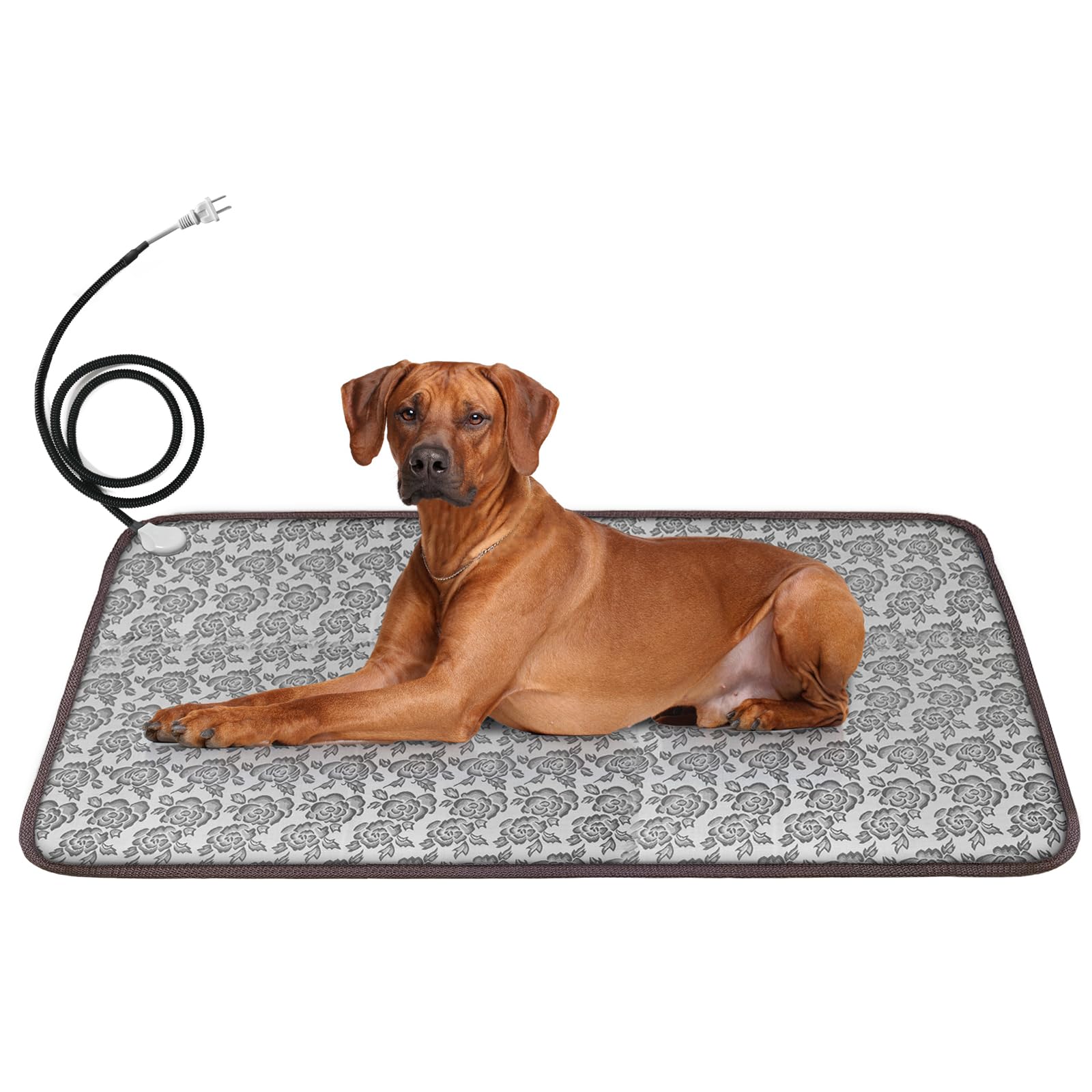
Source: dogingtonpost.com
Better resting comfort
A gently warmed sleeping area may help dogs that feel cold indoors.
Muscle relaxation
Controlled warmth may help relax tight muscles when heat therapy is appropriate for the dog’s condition.
Possible joint comfort
Some dogs with chronic stiffness may find a warm resting place soothing, although it is not a replacement for prescribed arthritis treatment.
Support for cold-sensitive breeds
Small and short-coated dogs may appreciate additional warmth during colder months.
A more comfortable sleeping area
A suitable heated bed can provide a warm alternative to cold tile, concrete, or other hard surfaces.
Can a Heating Pad Help Dogs With Arthritis?
Gentle heat may help some dogs with chronic joint stiffness by relaxing nearby muscles and increasing local blood flow. This can make a resting area feel more comfortable, particularly during cold weather.
However, arthritis is a medical condition that needs proper management. Your veterinarian may recommend weight control, suitable exercise, pain medication, rehabilitation, or other treatments based on your dog’s needs.
Do not place a heating pad directly over a painful joint without veterinary guidance. Heat may be unsuitable when a joint is swollen, newly injured, or actively inflamed.
Risks of Using a Heating Pad for Dogs
The biggest problem with heating pads is that they can continue transferring heat even when a dog becomes uncomfortable. A person can often recognize excessive warmth and move away. A sleeping, weak, or older dog may not respond quickly enough.
Veterinary guidance highlights the risk of thermal burns from direct heating devices. The American Animal Hospital Association’s October 2025 discussion of veterinary warming methods also warns about burns and electrical injuries from electric heating pads.
These risks make supervision essential. A product marketed for pets is not automatically harmless, and a low setting does not guarantee that prolonged contact is safe.
Source: snapklik.com
Skin burns
Long contact with a warm surface can damage skin. Burns may develop even when the heat does not seem extreme.
Overheating
A dog may become too warm if the heating area covers most of its resting space or the room is already hot.
Electrical injury
Chewing an exposed power cord can cause electric shock, mouth injuries, and serious internal complications.
Limited movement
Dogs with arthritis, weakness, paralysis, or other mobility problems may be unable to move away from the heat.
Fire and equipment damage
Damaged cords, poor electrical connections, and products used against manufacturer instructions can create household hazards.
How Can You Tell If a Heating Pad Has Burned Your Dog?
A burn may be difficult to see because fur can hide early skin changes. Watch for unusual licking, sudden discomfort, sensitivity when touched, or a dog repeatedly avoiding one part of its body.
Other warning signs include redness, swelling, blisters, damaged skin, or areas that appear unusually dark. A dog may also become restless or react when you touch the affected area.
Stop using the heating device immediately if you suspect a burn. Do not apply butter, human creams, or home remedies. Contact a veterinarian promptly because some burns are deeper than they first appear.
Sudden licking
Repeated licking of one area may indicate irritation or pain.
Skin changes
Redness, swelling, blisters, or damaged tissue need veterinary attention.
Behavior changes
Whining, restlessness, hiding, or reacting to touch may indicate discomfort.
Why Are Sleeping Dogs at Greater Risk?
A sleeping dog may not notice that a surface is becoming too warm. Deep sleep, old age, illness, or reduced sensation can make it harder to respond to excessive heat.
This is one reason a heated bed should not become an unattended overnight heat source. A normal, comfortable bed is generally a better choice for unsupervised sleep.
How to Use a Heating Pad Safely for Dogs
If your veterinarian agrees that a heated pet bed is suitable, set it up so your dog can use it voluntarily and move away whenever needed. The product instructions should guide placement, electrical use, cleaning, and temperature settings.
Never assume that a heating pad is safe simply because it has an adjustable thermostat. Temperature controls can fail, and the dog’s comfort can change with room temperature, health, and activity.
The following precautions are useful for reducing everyday risks. They do not make an unsuitable heating pad safe for a dog that cannot move away or feel excessive heat.
Source: nellisauction.com
Choose a pet-specific product
Select a heated dog bed or warming pad designed for animal use. Avoid using an ordinary human heating pad as a permanent sleeping surface.
Check the product instructions
Confirm its intended location, operating conditions, cleaning rules, and approved bedding arrangement.
Protect your dog from direct contact
Follow the manufacturer’s instructions about covers and protective layers. Do not assume that adding blankets makes an unsuitable device safe.
Keep the dog away from electrical cords
Route cords out of reach and stop using the product if its cable, plug, or surface becomes damaged.
Provide an unheated resting area
Your dog should have enough room to leave the warmed surface and rest somewhere cooler.
Supervise every use
Watch your dog’s behavior and check for signs of excessive warmth or discomfort.
Stop if your dog avoids the pad
Moving away, panting, restlessness, or repeated position changes may mean the dog does not want additional heat.
A Practical Safety Checklist
Before switching on a heated pet bed, inspect the entire surface and cord. Make sure the device is dry, intact, and positioned according to its instructions.
Introduce the bed while your dog is awake. Allow the dog to approach or leave freely, and observe its behavior throughout use. Do not force a reluctant dog to lie on a heated surface.
If the dog has a chronic condition or cannot move easily, do not begin use without veterinary approval. A different bedding option may be safer.
Before use
Inspect the product, confirm its suitability, and remove damaged equipment.
During use
Watch your dog and make sure an unheated resting area remains available.
After use
Switch off and unplug the device when required by its instructions, then check the bedding for damage or moisture.
Can Dogs Sleep on a Heating Pad Overnight?
Leaving an electric heating pad on overnight is not a good general practice. A dog may remain in one position for hours, and owners may not notice early signs of excessive heat.
The American Kennel Club recommends supervised use of heated dog beds and identifies regular dog beds as the preferred option for overnight sleeping. Follow this safer approach unless your veterinarian provides a specific care plan.
How to Choose a Safe Heating Pad for Your Dog
Choosing a suitable heated pet bed requires more than comparing size and price. The dog’s health, behavior, mobility, and sleeping habits should guide the decision.
Look for a product designed specifically for pets, with clear instructions and appropriate safety features. Avoid products that make vague claims about preventing all burns or guaranteeing complete safety.
A well-designed product should also fit the dog’s resting area without covering every available space. Your pet needs room to move and choose a cooler spot.
Source: walmart.com
Pet-specific design
Choose a product intended for dogs rather than a general-purpose human heating pad.
Temperature regulation
Look for clear temperature controls or a thermostat designed for the product’s intended use.
Automatic shutoff
A documented shutoff feature may reduce some risks, although it does not replace supervision.
Protected power cord
A chew-resistant cord and safe cable placement can reduce the chance of electrical injury.
Suitable size
The pad should fit the resting area while leaving enough unheated space for your dog.
Easy maintenance
Clear cleaning instructions and a suitable removable cover can make routine care easier.
Are Waterproof Dog Heating Pads Better?
A waterproof surface may help protect the internal heating components from small spills or accidents, depending on the product’s design. It can also make routine cleaning easier.
However, waterproof does not mean chew-proof, burn-proof, or suitable for outdoor exposure. Check the exact manufacturer’s instructions and never assume that a product is safe in wet conditions unless its documentation clearly confirms this.
Should You Buy a Heated Bed or a Heating Pad?
A heated dog bed may be easier to set up because the warming element and resting surface are designed to work together. A separate heating pad requires closer attention to placement and compatibility with the bedding.
For many homes, a self-warming bed or ordinary orthopedic dog bed is a simpler option. If your dog needs electrical warming, discuss the most suitable design with your veterinarian.
Safe Alternatives to Heating Pads for Dogs
A heating pad is not the only way to keep a dog comfortable. In fact, non-electric options may be a better choice for pets that chew cords, sleep deeply, or have difficulty changing positions.
Start with the simplest option. A dry, supportive bed in a warm room may provide enough insulation for many dogs. You can then consider other options based on your pet’s needs.
The best alternative is one that keeps your dog comfortable without creating a new safety problem.
Source: walmart.com
Self-warming dog beds
These beds use insulating and reflective materials to help retain some of the dog’s own body heat. They do not need electricity or power cords.
Soft fleece blankets
A clean, dry blanket can add warmth and can be removed easily if your dog becomes too warm.
Orthopedic dog beds
Supportive foam beds can provide cushioning for older dogs and pets with joint discomfort without adding an electrical heat source.
Warm indoor spaces
Move your dog’s bed away from cold drafts, exterior doors, and uninsulated floors.
Suitable dog clothing
A properly fitted dog sweater may help some short-haired dogs stay warm, especially when resting in a cool room.
How Do Self-Warming Dog Beds Work?
A self-warming dog bed does not produce heat through electricity. Instead, its materials help retain and reflect some of the warmth generated by the dog’s body.
This makes it a useful option for dogs that need mild extra warmth but should not be exposed to an electrical heating element. It also avoids the risks associated with chewing power cords.
Self-warming beds still need regular cleaning and inspection. Choose a size that allows your dog to stretch out and move freely.
Are Blankets Better Than Heating Pads?
For many healthy adult dogs, a normal blanket is a safer and simpler way to add warmth. It does not have an electrical heating element and can be removed whenever your dog wants a cooler sleeping area.
However, blankets should be dry, clean, and free from loose threads that a dog may chew or swallow. Avoid covering a dog so tightly that it cannot move freely.
When Should You Avoid Using a Heating Pad?
Some situations make heating pads unsuitable, even when the dog appears cold or uncomfortable. Direct heat can worsen certain injuries and create serious problems for pets that cannot regulate their temperature or move away.
Do not use a heating pad as an emergency treatment for a dog with suspected hypothermia. Veterinary Partner’s hypothermia guidance advises against direct contact with a heating pad and stresses the need for urgent veterinary care.
The American Animal Hospital Association also describes the risks of direct electric heating devices in veterinary patients. Professional warming methods require suitable equipment and monitoring, not an ordinary household pad.
Source: walmart.com
Suspected hypothermia
A dangerously low body temperature requires urgent veterinary assessment and controlled warming.
Fresh injuries
Heat may increase swelling or discomfort in some acute injuries. Ask your veterinarian which form of treatment is suitable.
Open wounds or burns
Do not apply heat to damaged skin unless a veterinarian specifically directs you to do so.
Poor mobility
A dog that cannot move away from a warm surface may be unable to protect itself from prolonged heat exposure.
Reduced sensation
Dogs with nerve problems or reduced skin sensation may not recognize excessive heat quickly.
Existing overheating
A dog that is panting heavily or showing signs of heat stress should not be placed on a heating pad.
Can a Heating Pad Treat Hypothermia in Dogs?
No. A household heating pad should not be used to treat suspected hypothermia. A dog with a dangerously low body temperature needs immediate veterinary attention because the condition can affect the heart, circulation, and other organs.
Move the dog to a warm indoor location and use dry blankets to help prevent further heat loss while arranging veterinary care. Do not apply excessive direct heat or attempt rapid warming at home.
Veterinary Partner identifies a rectal temperature below 98 degrees Fahrenheit as hypothermia in dogs and cats. A temperature reading below this level is an urgent warning, not a reason to experiment with a home heating device.
What If Your Dog Cannot Move Away From the Heating Pad?
Do not leave the dog on an electric heating pad without direct supervision. A dog with paralysis, severe arthritis, weakness, or another mobility problem may remain on the same spot for too long.
Choose supportive, non-electric bedding unless a veterinarian recommends a monitored warming method. The dog’s ability to move freely is one of the most important factors in deciding whether supplemental heat is appropriate.
Signs Your Dog Is Too Hot
A dog that becomes uncomfortable on a heated bed may move away, change positions, or start panting. These signs should not be ignored, even if the heating pad is set to a low temperature.
More serious overheating can cause excessive panting, drooling, weakness, vomiting, and changes in gum color. Heatstroke is a veterinary emergency and requires immediate care.
Switch off the heat source and move your dog to a comfortable, cooler area if it appears too warm. If the dog has severe symptoms, contact an emergency veterinarian rather than waiting for the signs to disappear.
Source: amazon.ca
Excessive panting
Panting that continues at rest may indicate excessive heat or another medical problem.
Restlessness
Repeatedly changing positions or leaving the bed may show that your dog is uncomfortable.
Heavy drooling
Unusual drooling can occur with heat stress and should be taken seriously.
These are serious warning signs that need emergency veterinary care.
What Should You Do If Your Dog Becomes Overheated?
Turn off and remove the heating source. Move your dog to a cooler, well-ventilated area and contact a veterinarian if the dog shows more than mild discomfort.
If heatstroke is suspected, seek emergency veterinary care immediately. Follow professional instructions for cooling during transport, and do not delay treatment while trying several home remedies.
Never use a heating pad to manage a dog that has an elevated body temperature or signs of heat stress.
Frequently Asked Questions
Q
Can I Use a Human Heating Pad for My Dog?
Using a human heating pad as your dog’s regular sleeping surface is not recommended. These products may become too hot for prolonged animal contact and may not have the safety features needed for pets. A pet-specific heated bed is a more suitable option when supplemental warmth is appropriate, but it still requires supervision and veterinary advice when health concerns exist.
Q
How Long Can a Dog Stay on a Heating Pad?
There is no single safe duration for every dog and every heating product. The dog’s age, health, mobility, skin sensation, and the manufacturer’s instructions all matter. Never leave a dog unattended on an electric heating pad or assume that a short period is safe for a dog with reduced sensation or mobility.
Q
Are Heating Pads Good for Dogs With Arthritis?
Gentle warmth may help some dogs with chronic joint stiffness feel more comfortable. However, a heating pad does not cure arthritis or replace prescribed treatment. Ask your veterinarian whether heat is suitable, especially if the joint is swollen, newly injured, or painful.
Q
Can a Dog Get Burned by a Low-Temperature Heating Pad?
Yes. Prolonged contact with a warm surface can still damage a dog’s skin. The risk is higher in sleeping dogs, senior pets, and animals that cannot move away easily. Check the product regularly, supervise use, and stop immediately if your dog shows signs of discomfort.
Q
Are Self-Warming Beds Safer Than Electric Heating Pads?
Self-warming beds avoid electrical cords and powered heating elements. They help retain some of the dog’s natural body warmth, which makes them a useful option for many cold-sensitive pets. They still need regular cleaning and should not replace veterinary treatment when a dog is ill or unusually cold.
Q
Should I Leave a Heating Pad on for My Dog at Night?
It is better not to leave an electric heating pad running for an unattended dog overnight. Dogs may sleep for long periods without changing position, increasing the risk of excessive heat exposure. Use a regular dog bed or suitable blanket for overnight comfort unless your veterinarian has provided a specific supervised warming plan.
Q
Can a Heating Pad Help a Dog With a Cold?
A heating pad does not treat the cause of a cold, respiratory infection, or other illness. A comfortable room and dry bedding may help your dog rest, but coughing, nasal discharge, weakness, fever, or breathing problems need veterinary assessment. Do not use direct heat to treat an unexplained change in body temperature.
✦ Wrapping Up
Conclusion
A heating pad can be good for some dogs when the goal is to provide extra comfort during cold weather. Senior dogs, small breeds, and short-haired pets may appreciate a warm resting area. Some dogs with chronic joint stiffness may also find gentle warmth soothing when their veterinarian approves it.
However, the benefits do not remove the risks. Burns, overheating, electrical injuries, and limited mobility can make heated surfaces dangerous. Human heating pads should not be used as regular dog beds, and electric heating products should never be left unattended with a pet.
For many dogs, a self-warming bed, soft blanket, or supportive orthopedic bed is a simpler and safer choice. If your dog is unusually cold, weak, injured, or unable to move normally, seek veterinary advice instead of relying on a heating pad.
💡 Key Takeaway
Before buying or using a heating pad, ask your veterinarian whether your dog needs supplemental heat. Choose a pet-specific product, follow its instructions, supervise every use, and always provide an unheated place where your dog can rest. If you suspect hypothermia or a burn, seek veterinary care promptly.