
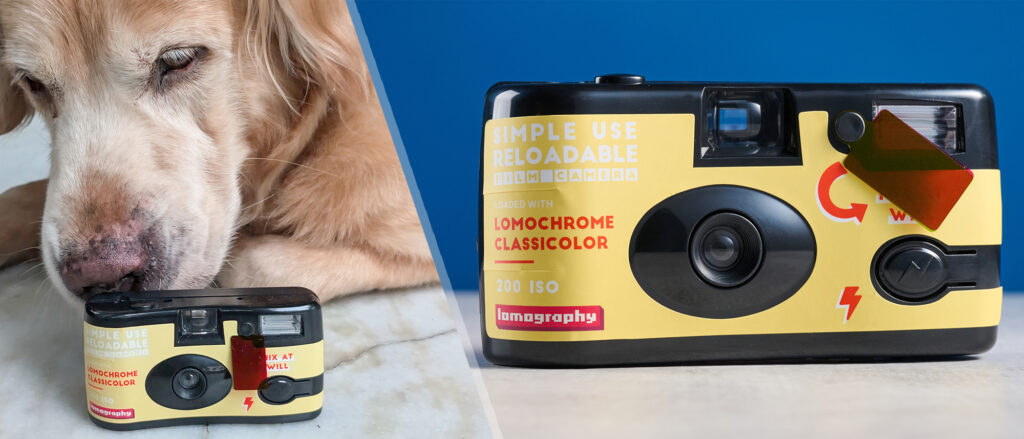
Yes, you can put a small, lightweight camera on your dog with the right safe harness.
If you have ever wondered, “Is there a camera I can put on my dog?” the answer is yes, but the best choice depends on your dog’s size, activity, comfort, and safety needs. This guide explains dog cameras, action cameras, camera collars, setup tips, common mistakes, privacy concerns, and safer alternatives so you can choose with confidence.
Is There a Camera I Can Put on My Dog?
Yes, several types of cameras can attach to a dog. The most common option is a small action camera mounted to a specially designed dog harness. Some companies also sell camera collars, chest mounts, and pet tracking devices with cameras.
The right camera should be:
• Lightweight enough for your dog to carry comfortably
• Secure enough to stay attached during movement
• Free from sharp edges or loose straps
• Weather resistant if your dog spends time outdoors
• Easy to remove in an emergency
When people ask, “Is there a camera I can put on my dog?” they often mean one of two things. They may want to see the world from their dog’s view, or they may want to watch their dog while away from home. These needs call for different products.
A wearable action camera records your dog’s activities. A home pet camera lets you watch your dog remotely. A GPS tracker may show your dog’s location, but it usually does not record video. Knowing this difference can prevent an expensive and disappointing purchase.
Types of Dog Cameras
There is no single best camera for every dog. Each type has a different purpose, design, and level of comfort.
Wearable action cameras
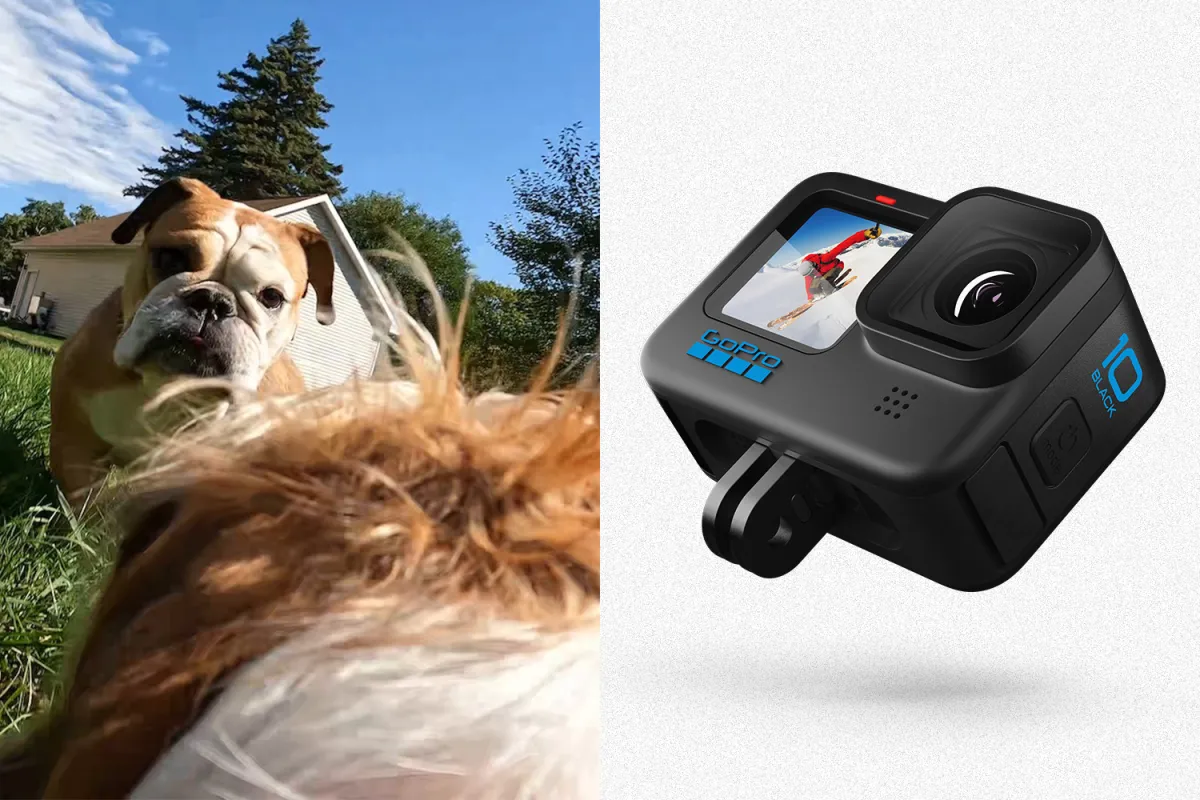
A small action camera can attach to a dog harness or vest. These cameras often record wide-angle video and may include image stabilization, waterproof protection, and mobile app support.
They are a good choice for:
• Hiking and camping
• Beach walks
• Training sessions
• Adventure videos
• Short outdoor recordings
A camera such as a compact action camera may produce better video than a camera made only for pets. However, it can be heavier, more costly, and less comfortable for a small dog.
Camera collars
A camera collar has a tiny camera built into the collar or attached to it. These models are usually light and simple. They may work well for calm dogs during short periods.
Camera collars can have drawbacks. A collar-mounted camera may swing as your dog walks. It may also place extra weight around the neck. For this reason, a chest harness is often safer than a neck collar, especially for small dogs, flat-faced breeds, puppies, and dogs with breathing problems.
Dog harness cameras
A harness camera mount holds the device across the dog’s chest or back. This spreads the weight over the body instead of placing it on the neck.
A well-fitted harness is often the safest answer to the question, “Is there a camera I can put on my dog?” Look for a mount made for dogs, not a loose strap designed for human use. The camera should sit firmly without pressing into the spine, shoulders, or throat.
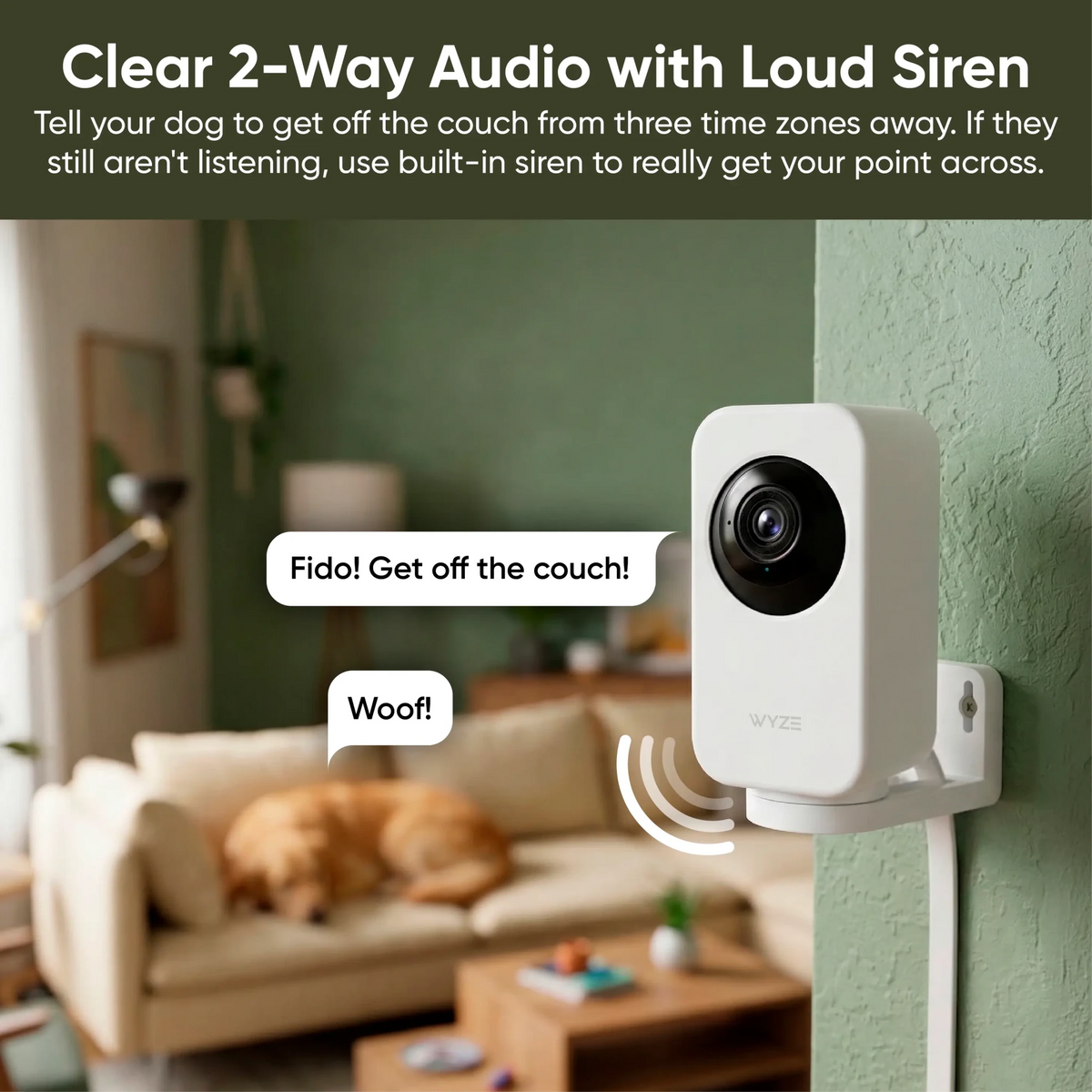
Pet cameras for the home
A home pet camera does not go on your dog. It stays in a room and connects to your phone through Wi-Fi. Many models offer:
• Two-way audio
• Treat dispensing
• Motion alerts
• Night vision
• Bark detection
• Remote video access
Choose this type if you want to check on your dog while at work. It is usually safer and more useful for separation anxiety, daily monitoring, and home security than a wearable camera.
How to Choose a Camera for Your Dog
When deciding, “Is there a camera I can put on my dog?” start with your dog, not the camera. A product that works for a large Labrador may be too heavy or awkward for a Chihuahua.
Consider your dog’s weight and body shape
A camera should be a small part of your dog’s total harness weight. There is no universal weight rule that fits every dog, but lighter is almost always better.
Small dogs may need an ultra-light camera or a home pet camera instead. Large, healthy dogs may tolerate a compact action camera during a walk, but they still need time to adjust.
Check the mounting system
The camera mount should not move from side to side. A loose mount can create shaky video and may irritate your dog’s skin.
Look for:
• A secure clip or screw mount
• Rounded edges
• Strong but soft straps
• Adjustable chest and belly straps
• A backup tether for outdoor use
Never rely on tape, a loose zip tie, or a homemade mount near your dog’s neck.
Think about battery life
Most small wearable cameras record for a limited time. High video resolution, image stabilization, Wi-Fi, and cold weather can reduce battery life.
For a short walk, a basic battery may be enough. For a long hike, carry a spare battery or power bank. Do not attach a hot power bank directly to your dog’s body. It can add weight and may become warm.
Decide how much video quality you need
A high-resolution camera creates sharper footage but also uses more storage and battery power. For casual clips, standard high-definition video is often enough.
A wide-angle lens can show more of the trail, but it may make objects look farther away. Test the camera at home before your first major trip.
Check weather protection
If your dog swims, runs through mud, or walks in rain, select a water-resistant or waterproof model. Remember that a waterproof camera does not always mean the harness or mount is waterproof.
Dry every part after use. Remove sand, dirt, and salt from the mount. Small particles can weaken clips and cause the camera to fall.
How to Put a Camera on Your Dog Safely
A camera should never limit your dog’s movement, breathing, hearing, or ability to rest. Introduce it slowly, just as you would introduce a new harness.
Let your dog sniff the camera while it is turned off.
Reward calm behavior with praise or a small treat.
Place the empty harness on your dog for a few minutes.
Walk around the house and watch for rubbing or stress.
Attach the camera after your dog accepts the harness.
Start with a short session of five to ten minutes.
Check your dog’s skin and body language after removing it.
Watch for signs of discomfort. These may include freezing, scratching, biting the harness, shaking, hiding, unusual panting, lowered ears, or repeated attempts to remove the device.
If your dog seems upset, take the camera off. A video is not worth forcing your dog into fear or discomfort. Dogs do not understand the purpose of a camera, so patience matters.
Never leave a wearable camera on your dog without supervision. The device could catch on a fence, tree branch, crate, or piece of furniture. A camera harness should be treated like outdoor equipment, not like a permanent accessory.
Benefits of Using a Camera on Your Dog
A wearable camera can create more than fun videos. It may also help you understand how your dog experiences the world.
See your dog’s point of view
A dog camera can show details that people often miss. You may see how your dog approaches other animals, reacts to sounds, or explores a new trail.
This can make walks more meaningful. It may also help you notice patterns in your dog’s behavior.
Record memorable adventures
Dogs move through life with great energy. A camera can capture beach runs, forest walks, training games, and family trips from a unique angle.
The best clips are often short. A few clear moments can tell a better story than hours of shaky footage.
Support behavior training
Video can help you review body language. For example, you might notice that your dog becomes tense before barking or turns away before meeting another dog.
A qualified veterinary behaviorist or professional trainer can sometimes use video to better understand a concern. A camera does not replace an expert assessment, but it can provide useful context.
Monitor outdoor habits
If your dog spends time in a fenced yard, a camera may show where they dig, which sounds startle them, or how they interact with outdoor spaces.
Do not use a wearable camera as a substitute for supervision. It records events, but it cannot stop an escape, injury, or conflict.

Limitations and Risks of Dog Cameras
The question “Is there a camera I can put on my dog?” should always include a second question: “Should I put one on my dog?”
Wearable cameras have limits. Video may be shaky because dogs move quickly and turn their heads often. The camera may point at the ground, sky, or another dog’s face. Battery life can also end before the most interesting moment.
There are physical risks as well. A loose mount can fall off. A strap can rub the skin. A heavy camera can change your dog’s gait or make the harness uncomfortable.
Some dogs may guard the camera, chew the mount, or become anxious when the device is attached. Puppies may outgrow the harness quickly. Dogs with neck, spine, joint, or breathing concerns need extra care.
Avoid attaching cameras to:
• Choke chains
• Prong collars
• Loose collars
• Leashes
• Crates
• Muzzles
• Areas near the eyes or mouth
A camera should never block your dog’s vision or interfere with identification tags. If your dog wears a harness for walking, confirm that the camera mount does not affect leash control.
Wearable Camera Versus Home Pet Camera
The best answer to “Is there a camera I can put on my dog?” depends on what you want to learn.
Choose a wearable camera if you want to:
• Record hikes and walks
• See your dog’s viewpoint
• Capture outdoor adventures
• Review training sessions
• Film short, active moments
Choose a home pet camera if you want to:
• Check on your dog while away
• Watch for separation stress
• Speak to your dog remotely
• Receive motion or sound alerts
• Monitor food, water, or rest areas
A home camera is usually the better tool for separation anxiety. It can show whether your dog paces, whines, sleeps, or settles after you leave. If you see severe distress, speak with your veterinarian. A camera can reveal a problem, but it cannot treat anxiety.

Privacy and Legal Considerations
A dog camera can record more than your pet. It may capture neighbors, visitors, private conversations, or other people in public places.
Use reasonable care when recording. Avoid pointing a home camera toward a neighbor’s private area. Ask permission before recording people during group walks or training sessions. Laws about audio recording vary by state, and recording a private conversation without consent may create legal problems.
For home Wi-Fi cameras, use a strong password and enable two-factor authentication when available. Update the camera’s firmware and review which people can access the video.
Cloud storage may also involve recurring fees and data sharing terms. Read the privacy policy before uploading personal videos. A local storage option may provide more control, though it can require manual file management.

Common Mistakes to Avoid
Many problems happen because owners focus on video quality and forget comfort.
Avoid these mistakes:
• Using a camera that is too heavy
• Attaching a mount to a collar without checking pressure
• Leaving the camera on during unsupervised play
• Skipping the adjustment period
• Ignoring rubbing or red skin
• Trusting a weak clip on an outdoor adventure
• Assuming waterproof means indestructible
• Recording for too long in hot weather
• Letting the camera replace proper supervision
• Forgetting to test the view before leaving home
One practical lesson is simple: test everything indoors first. Walk your dog through a room, watch the camera angle, check the straps, and look for signs of stress. A five-minute test can prevent a lost camera or an uncomfortable dog.
A Simple Setup Checklist
Before using a camera on your dog, review this checklist:
• Select a compact camera
• Use a dog-safe harness mount
• Charge the battery fully
• Secure the camera with a backup tether
• Check that straps do not rub
• Test the camera angle
• Confirm that your dog can walk, sit, lie down, and shake freely
• Start with a short session
• Watch your dog at all times
• Inspect the harness after each use
For outdoor adventures, bring your dog’s identification tag, water, leash, waste bags, and a basic first-aid kit. A camera is only one small part of responsible pet care.
Frequently Asked Questions About Is There A Camera I Can Put On My Dog?
Can I put a GoPro or action camera on my dog?
Yes, you can attach a compact action camera to a dog harness made for camera mounts. Choose the lightest suitable setup, secure it well, and supervise your dog because action cameras may be heavy for small breeds.
Is a camera collar safe for dogs?
A camera collar may be safe for some calm dogs when it is light and properly fitted. A harness is often a better choice because it places less pressure on the neck and reduces the risk of choking or irritation.
Can I use a dog camera to track my dog if it runs away?
A camera alone will not reliably track a lost dog. For location tracking, use a GPS pet tracker with cellular service, and make sure your dog has a registered microchip and current identification tags.
How long can my dog wear a camera?
Keep the first session short, often five to ten minutes, and increase time only if your dog stays relaxed. Remove the camera during unsupervised activity, sleep, crate time, rough play, and situations where it could snag.
What is the best camera for a small dog?
The best camera for a small dog is a very light model attached to a comfortable harness. If even a compact camera affects movement or causes stress, use a home pet camera instead.
Can a dog camera help with separation anxiety?
A home pet camera can help you observe separation-related behavior when you are away. It cannot cure anxiety, so contact a veterinarian or qualified behavior professional if your dog shows panic, destructive behavior, or self-injury.
Conclusion
Yes, there is a camera you can put on your dog, and a small action camera on a secure harness is usually the most practical option. The camera must be light, stable, comfortable, and used only with supervision.
If your goal is to watch your dog at home, choose a remote pet camera instead. If your goal is outdoor video, introduce a wearable camera slowly and stop using it if your dog shows stress or discomfort. Compare camera weight, harness fit, battery life, weather protection, privacy features, and safety before buying.
Start with a short indoor test, keep your dog’s comfort first, and explore trusted pet care resources before your next adventure.
