
The best pet meds for cats without prescription target fleas, allergies, and immunity.
You know that heart-sinking moment when your cat starts sneezing or scratching at 2 a.m., and the vet is closed? Or when you spot that telltale flea dirt on the bedding? That is where the Best Pet Meds For Cats Without Prescription can save the day. These non-Rx essentials help with common issues like itchy skin, mild sniffles, and parasites. They bridge the gap between vet visits and daily care, so your cat stays comfy and you stay calm.
Cat Immune Support Lysine & Colostrum (30 Days)

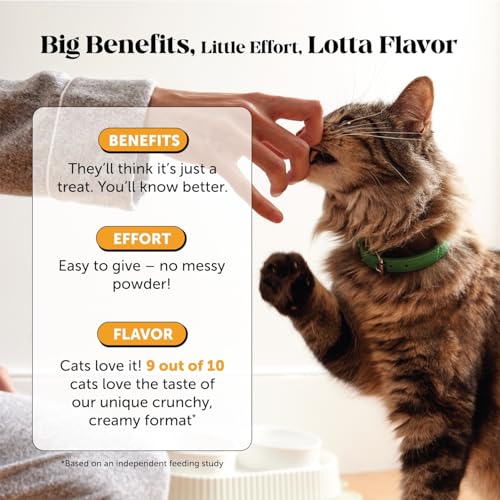
This immune support formula blends L‑lysine, colostrum, quercetin, and omega‑3. It aims to soothe runny noses, sneezing, and itchy skin in cats. The chicken flavor helps picky eaters accept the daily dose. The 30‑day supply fits well into a month‑by‑month wellness plan.
I like that it targets several triggers at once. Colostrum supports gut and immune balance, while quercetin helps calm histamine response. Omega‑3 can aid skin health and coat shine. Note: evidence for L‑lysine in feline herpes is mixed, so results can vary.
Pros:
- Multi‑ingredient blend for broader support
- Chicken flavor that most cats accept
- Focus on skin, sinuses, and general immunity
- Easy daily routine with a clear 30‑day supply
- Helpful during seasonal allergy spikes
Cons:
- L‑lysine benefits for herpes‑related sneezing are debated
- Not a treatment for infections needing prescription care
- Some cats may dislike the flavor or texture
My Recommendation
This is a good pick for cats with mild seasonal sniffles or itchy skin. It suits pet parents who want a gentle, daily booster without a vet visit. As one of the Best Pet Meds For Cats Without Prescription, it can round out a basic wellness kit. Use it when stress or weather swings tend to flare symptoms.
| Best for | Why |
|---|---|
| Seasonal sensitivities | Quercetin and omega‑3 help calm itch and irritation |
| Daily immune support | Colostrum supports gut‑immune balance |
| Food‑motivated cats | Chicken flavor improves compliance |
YummyMeds Beef Flavor Drops (1 oz)

YummyMeds turns bitter liquid meds and supplements into a beef‑flavored treat. It is vet‑approved for masking taste in cats, dogs, and birds. A few drops can make a world of difference for compliance. This small bottle goes a long way for small cat doses.
I like it as a helper, not a medicine. It works with the Best Pet Meds For Cats Without Prescription to reduce fussing and mess. You can mix it with OTC drops or prescribed liquids. That means less stress for you and your cat.
Pros:
- Masks bitter tastes to improve compliance
- Vet‑approved flavoring approach
- Works across species and products
- Easy to measure and add per dose
- Great for shy or anxious cats
Cons:
- Not a medication; only a flavoring aid
- Some cats may not like beef flavor
- Can add calories if used in larger amounts
My Recommendation
Choose YummyMeds if your cat spits out liquid meds or saliva foams. It is best for guardians who struggle with dosing battles. Pair it with the Best Pet Meds For Cats Without Prescription to boost success on day one. It can turn a daily “nope” into an easy “okay.”
| Best for | Why |
|---|---|
| Finicky cats | Beef flavor masks bitter liquid tastes |
| Stress‑free dosing | Fewer struggles and wasted doses |
| Use with OTC or Rx liquids | Compatible with common pet meds and supplements |
Natural Immune Support Drops for Cats (2 oz)
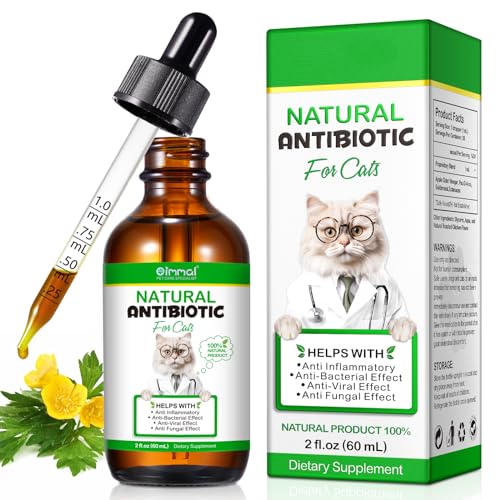
This liquid is marketed as a “natural antibiotic” alternative, but it is not a true antibiotic. It is a supplement designed to support general wellness and urinary comfort. The chicken flavor can help mask herbal notes. It suits cats that handle liquids better than chews.
I urge care with any product claiming to replace antibiotics. Bacterial infections need vet care and proper drugs. Use this as comfort support for mild, non‑urgent issues only. It can sit in your toolkit with Best Pet Meds For Cats Without Prescription, not replace professional help.
Pros:
- Liquid format for easy mixing with food
- Chicken flavor for picky cats
- General wellness support focus
- May pair with flavor drops for better compliance
- Useful when you need a gentle supplement
Cons:
- Not a substitute for real antibiotics
- Evidence for many herbals is limited
- Effects can vary by cat
My Recommendation
Get this if you want a gentle liquid to support normal wellness. It is best for calm maintenance, not treatment of infections. As one of the Best Pet Meds For Cats Without Prescription, it can fill small gaps while you watch symptoms. If signs worsen, see your vet fast.
| Best for | Why |
|---|---|
| General wellness support | Gentle, daily helper for routine comfort |
| Liquid dosing fans | Easier to mix with wet food or broth |
| Short‑term use | Supportive while monitoring mild signs |
PetArmor Plus Flea & Tick for Cats, 6 Doses
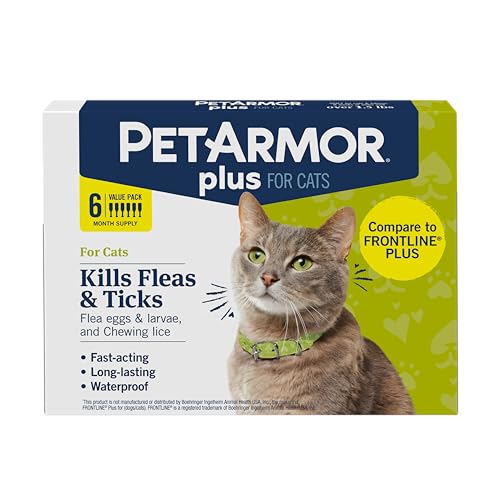
PetArmor Plus uses fipronil and S‑methoprene, a proven duo against fleas and ticks. It kills adult fleas and stops eggs and larvae from growing. The topical is waterproof after it dries. The 6‑pack gives you half a year of protection for cats over 1.5 lb.
Topical flea care is one of the Best Pet Meds For Cats Without Prescription you can buy. It prevents misery, skin trouble, and home infestations. Apply monthly, part the fur, and place on the skin. Follow label rules for age and weight for safety.
Pros:
- Broad coverage for adult fleas and life stages
- Tick control for outdoor and indoor cats
- Waterproof after drying
- 6‑month supply for set‑and‑forget routines
- Well‑known actives with years of use
Cons:
- Some local flea resistance can reduce impact
- Can leave a brief oily spot at application
- Not for kittens under weight/age limits
My Recommendation
Pick the 6‑pack if you want value and fewer repurchases. It fits homes in warm zones or long flea seasons. For many, it is the anchor of the Best Pet Meds For Cats Without Prescription list. Keep it on hand year‑round in mild climates.
| Best for | Why |
|---|---|
| Year‑round prevention | Six months of coverage in one box |
| Indoor‑outdoor cats | Tick and flea control in mixed settings |
| Busy owners | Monthly routine, less shopping |
PetArmor Plus Flea & Tick for Cats, 3 Doses

This is the same fipronil/S‑methoprene formula in a 3‑month pack. It is a smart starter for first‑time users or for a short season. The fluid is easy to apply between the shoulder blades. Once dry, it holds up to bathing and weather.
I reach for the 3‑pack when I test fit on a new cat. It gives a quarter‑year of protection without a big buy‑in. It sits high on my Best Pet Meds For Cats Without Prescription shortlist for spring and travel. Reassess at month two and restock if needed.
Pros:
- Trusted actives for fleas and ticks
- Three monthly doses to try and evaluate
- Waterproof after application dries
- Good for seasonal use or budget trial
- Clear label directions
Cons:
- Costs more per dose than a 6‑pack
- Potential for area‑specific resistance
- Not a fit for underweight/too‑young kittens
My Recommendation
Get the 3‑pack if you want to test response or cover short flea seasons. It is ideal for new rescues or cats that travel part‑time. As part of the Best Pet Meds For Cats Without Prescription, it gives you quick wins without over‑committing. You can always upgrade to a 6‑pack later.
| Best for | Why |
|---|---|
| Short flea seasons | Three months of coverage is often enough |
| First‑time users | Trial size without a large purchase |
| Multi‑cat homes | Buy per cat to dial in fit |
How I Pick the Best Pet Meds For Cats Without Prescription
I focus on safety, label clarity, and proof of benefit. I look for actives with long track records in cats. I prefer brands with batch testing and clear directions. I also review owner feedback on ease of use and side effects.
Palatability matters a lot. If your cat refuses the dose, the product fails. That is why I like flavor drops and tasty chews. I also check for age and weight limits to avoid harm.
For flea and tick, I look for adult kill and growth control. For immune support, I prefer blends that cover skin, gut, and seasonal triggers. For “natural” products, I avoid cure claims and stick to comfort support. I always suggest a vet visit if symptoms escalate.
Dosing Tips for Stress‑Free Success
Set a routine. Dose at the same time daily so your cat knows what to expect. Pair with a favorite treat or lick mat. Reward calm behavior before and after the dose.
For liquids, use a small syringe and go along the cheek, not straight in. Offer a water chaser or broth. Use flavor drops when taste is bitter. For topicals, apply on dry skin and keep cats apart until dry.
Note changes. Watch for skin redness, extra drool, or belly upset. These signs often pass but can flag a mismatch. If they persist, call your vet and switch plans.
Safety Checklist Before You Buy
Read the label top to bottom. Confirm species, age, and weight. Cats are not small dogs, and dog meds can harm cats. Never swap products across species.
Check for known health issues. If your cat has kidney or liver disease, talk to your vet first. Store products out of reach of pets and kids. Record lot numbers in case you need support.
Avoid stacking similar actives. Do not double up flea meds. If you add supplements, spread them out and watch for tummy changes. Keep your vet in the loop on anything new.
When to Use OTC vs. Call the Vet
Use the Best Pet Meds For Cats Without Prescription for mild, familiar issues. Think early flea sightings or seasonal itch. Use immune support during stress, like a move or new pet. These tools bridge gaps in daily care.
Call your vet for fever, heavy sneezing with yellow snot, eye ulcers, or trouble breathing. Seek help for blood in urine, pain while peeing, or no pee. See your vet fast for ticks attached near the eyes or mouth. Sudden behavior change is also a red flag.
OTC is for prevention and comfort. Prescription care treats disease. Both can live in the same cabinet with clear roles. Your cat wins when you use each at the right time.
Common Myths I See (And What Actually Helps)
Myth: “Natural antibiotics” cure infections. Fact: Real antibiotics need a prescription and a diagnosis. Supplements can support comfort only. They do not replace vet care.
Myth: Indoor cats do not need flea meds. Fact: Fleas hitchhike on shoes, clothes, and windowsills. A single bite can spark weeks of itch. Prevent before you see fleas.
Myth: L‑lysine cures herpes in cats. Fact: Data is mixed. Some cats seem calmer on it, others do not change. If flares are strong, ask your vet about full care plans.
Seasonal Strategy for 2026: Smart, Simple, Effective
Spring: Start or restart flea and tick prevention. Use a 3‑pack to cover peak months if winters are cold. Add immune support during pollen spikes.
Summer: Stay on monthly topicals. Bathe less often or time baths to avoid just‑applied spots. Watch hydration and shade in heat waves.
Fall: Keep protection going until first frost, or year‑round in warm regions. Use flavor drops to keep cats on any fall meds. Check bedding for flea dirt weekly.
Winter: In mild areas, keep prevention steady. Dry air can irritate sinuses, so immune support may help. Reassess your stock before holiday travel.
Storage and Shelf‑Life Tips
Store meds in a cool, dry place away from sun. Do not freeze liquids unless labels say so. Keep topicals upright in sealed packets. Mark open dates on bottles with a marker.
Check expiry before each use. Old flea meds can lose punch. If a product changes color or smell, discard it. Contact the brand if you have safety questions.
How to Build a Cat‑Care Cabinet
Start with monthly flea and tick prevention. Add a trusted immune support chew or liquid. Keep flavor drops for hard days. Stock a mild ear cleaner and nail clippers.
Have a soft cone or recovery collar on hand. Add pet wipes and a thermometer for quick checks. Keep your vet’s number on the cabinet door. Build slowly and review each season.
Real‑World Use: What I Notice Most
Cats crave routine, not drama. The Best Pet Meds For Cats Without Prescription work best when the plan is calm. I set reminders on my phone. I reward after each dose with chin rubs.
Most side effects are mild and brief. A small skin spot from a topical, or a mild soft stool from a new supplement. I log any change in a note app. Clear notes help my vet give better guidance.
Compliance is king. If taste stops your cat, fix taste first. Flavor drops or a new format can save the plan. Small wins stack up to a healthy, happy cat.
FAQs Of Best Pet Meds For Cats Without Prescription
Do I need flea meds if my cat stays indoors?
Yes. Fleas can hitchhike inside on shoes and screens. Prevention is easier and cheaper than cleanup. A monthly topical protects your cat and your home.
Can “natural antibiotic” drops replace a vet antibiotic?
No. True antibiotics need a diagnosis and prescription. Use natural drops for comfort only. Call your vet if signs worsen.
Is L‑lysine proven for feline herpes sneezing?
Evidence is mixed. Some cats seem to improve, others do not. If flares are frequent, ask your vet about a full care plan.
How do I make bitter liquid meds easier to give?
Use flavor drops, a cheek‑side syringe, and a treat chaser. Dose at the same time daily. Reward calm behavior right after.
Are OTC flea meds safe with other supplements?
Often yes, but read labels and avoid stacking similar actives. Space out new items. If unsure, ask your vet first.
Final Verdict: Which Should You Buy?
For most homes, PetArmor Plus Flea & Tick (6 Doses) delivers the best value and impact. It anchors prevention, which is the heart of Best Pet Meds For Cats Without Prescription.
Pair it with YummyMeds for easy dosing and an immune support chew if needed. That simple trio keeps your cat comfy and your routine stress‑free.
