
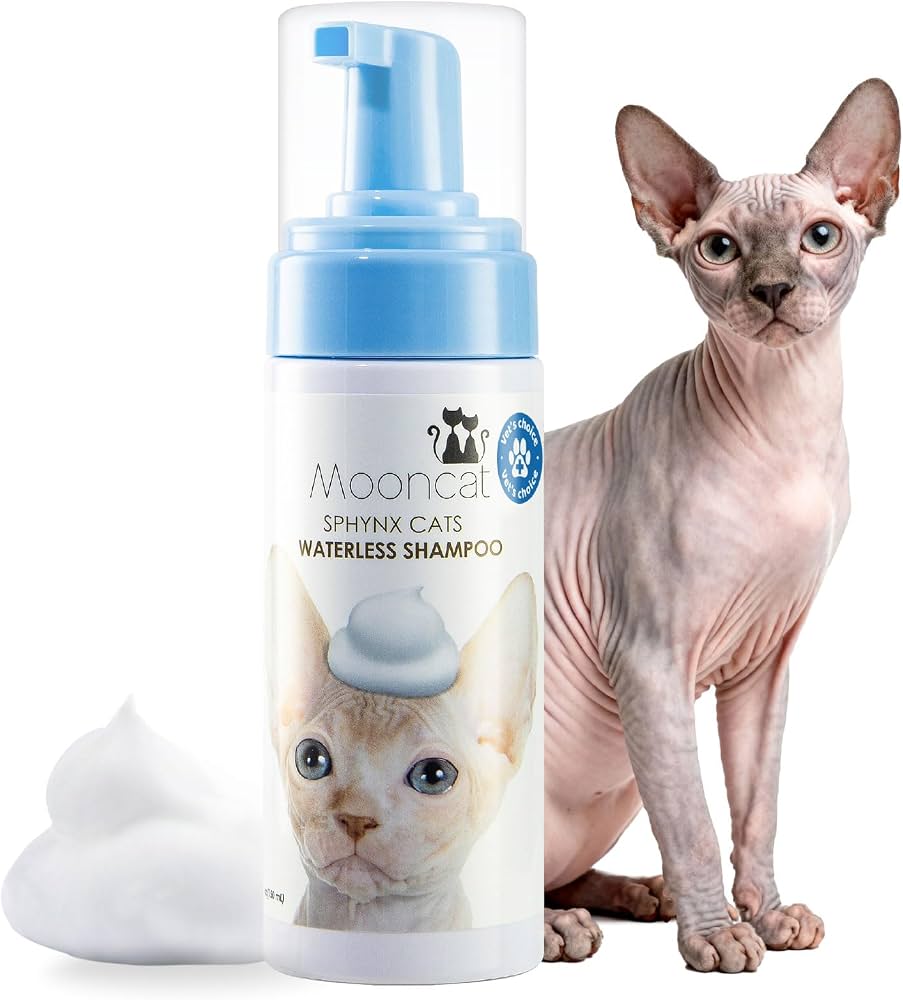
Usually safe when feline-formulated and used correctly, but risks exist for sensitive cats.
If you have ever wondered Are Waterless Shampoos Safe For Cats?, you are not alone. I have tested many brands while working with rescue cats and home pets. The truth sits between benefits and risks. Used right, they help. Used wrong, they can harm. This guide explains what matters, when to use them, and how to keep your cat safe.

What Is a Waterless Shampoo for Cats?
Waterless shampoos are rinse-free cleansers for quick cleanups. They come as foams, sprays, or wipes. They lift dirt and oils so you can wipe them away. No tub. No hose. Less stress for most cats.
These products use mild surfactants and conditioners. Some add aloe, panthenol, or oat to soothe skin. This is handy after a litter box mishap or a sticky spot on fur. Yet cats groom. They lick their coat. Any residue must be safe to ingest. That is why choice and method matter.
Are Waterless Shampoos Safe For Cats? A Balanced View
Are Waterless Shampoos Safe For Cats? Yes, when they are made for cats and used with care. Safety depends on the formula, your cat’s health, and your technique.
They are most helpful when:
- You need to spot clean small messes.
- Your cat hates baths or gets stressed.
- Your cat has mobility issues or is post-surgery and cannot be bathed.
They may not be ideal when:
- Your cat has open wounds, hot spots, or severe itch.
- There is heavy matting or a greasy coat that needs a real bath.
- Your cat has asthma or scent sensitivity. Aerosols and fragrances can trigger coughs.
From clinical reports, the biggest risks come from harsh solvents, strong fragrance, and essential oils. Cats have unique liver pathways. Some oils and phenols can be toxic. I have seen mild drooling and pawing at the mouth after a strong scented foam. The fix was quick rinsing and a switch to a truly cat-safe, fragrance-free brand.

Ingredient Checklist: What To Seek and What To Avoid
The label tells you a lot. Read it like a pro.
Safer to seek:
- Water as the first ingredient.
- Mild nonionic surfactants such as decyl glucoside or coco-glucoside.
- Humectants like glycerin for moisture balance.
- Soothing agents such as decolorized aloe vera, panthenol, or colloidal oatmeal.
- Preservatives with known safety at low levels, such as potassium sorbate or phenoxyethanol.
- Fragrance-free or very low scent, cat-specific formulas.
Risky or avoid:
- Tea tree oil (melaleuca), eucalyptus, citrus, clove, or wintergreen oils. Cats can get toxic effects even from small amounts.
- Phenol derivatives and benzalkonium chloride. These can irritate or harm if ingested.
- High alcohol content. This can dry skin and bother airways.
- Dyes and heavy perfumes. These trigger grooming and can cause tears or sneezes.
- Products made for dogs or humans only. The pH and actives may not suit cats.
Are Waterless Shampoos Safe For Cats? They are much safer when the ingredient list is short, gentle, and feline-formulated.
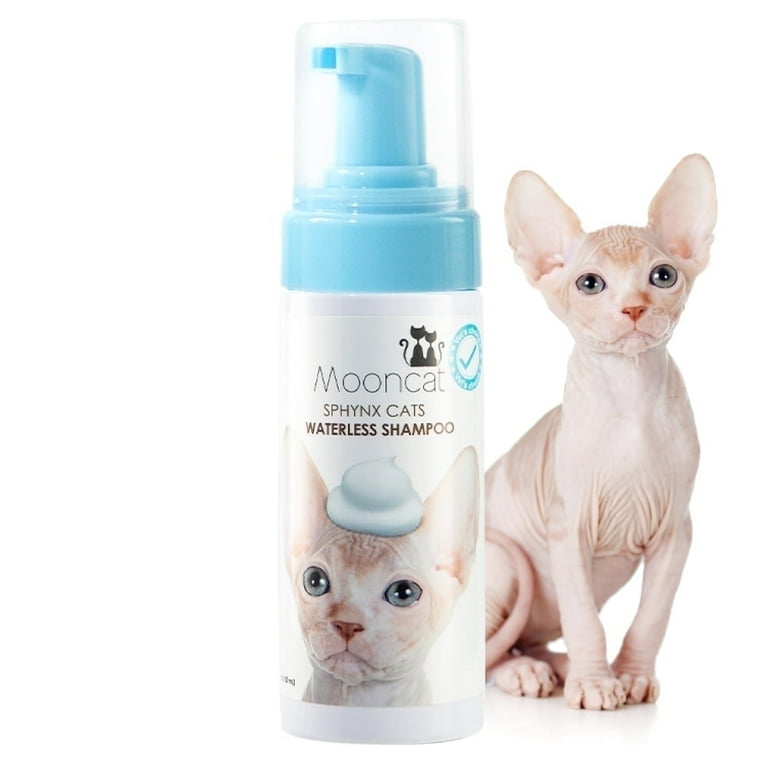
When To Use It And When To Skip It
Smart uses:
- Spot clean dirty paws, bum fluff, or food stains on the chest.
- Freshen the coat between full grooms.
- Help senior or overweight cats who cannot reach some areas.
- Quick cleanups during travel or vet visits.
Better to skip:
- If you see rash, crusts, or strong odor from infection. See a vet first.
- If there are fleas, ringworm, or mites. You need targeted treatment.
- If the coat is matted. Mats need detangling, not foam.
From my field notes: a shy tortie with arthritis could not self-groom well. A fragrance-free foam on a soft cloth, once a week, kept her clean and calm. But a longhair with dandruff and mats did better after a proper bath and comb-out by a groomer.
Are Waterless Shampoos Safe For Cats? Yes, for light jobs. Not as a cure-all.

How To Choose a Safe Product
Use this quick checklist before you buy:
- Confirm the label says for cats.
- Choose fragrance-free or very low scent.
- Avoid essential oils and strong solvents.
- Check for simple, clear ingredients you can read.
- Look for batch numbers and company contact info.
- Prefer brands with vet input or third-party testing.
- Patch test on a small area. Wait 24 hours for any reaction.
Are Waterless Shampoos Safe For Cats? Safer choices start at the shelf.

Step-By-Step: Safe Use On Your Cat
Follow this plan to lower risk and stress:
- Brush first to remove loose hair and dirt.
- Do a patch test on a small area. Wait a day if first use.
- Work in a well-ventilated room. Warm the product in your hands.
- Apply a small amount to a cloth, not straight onto the cat.
- Wipe with the grain of the fur. Avoid eyes, nose, mouth, and genitals.
- Use a second damp cloth to remove residue if needed.
- Dry with a towel. Brush again for a smooth finish.
- Reward with a favorite treat. Keep sessions short and calm.
Are Waterless Shampoos Safe For Cats? They are safer when you use less and wipe off well.

Possible Side Effects And What To Do
Watch for:
- Red skin, extra scratching, sneezing, or coughing.
- Drooling, pawing at the mouth, or vomiting after grooming.
- Lethargy or odd behavior.
What to do:
- Rinse the area with lukewarm water. Wipe well.
- Move to fresh air if there is a cough or scent issue.
- Call your vet if signs persist or if your cat ingested a risky oil.
- Save the product label. It helps your vet assess exposure.
Are Waterless Shampoos Safe For Cats? Most side effects are mild and pass fast when you act early.
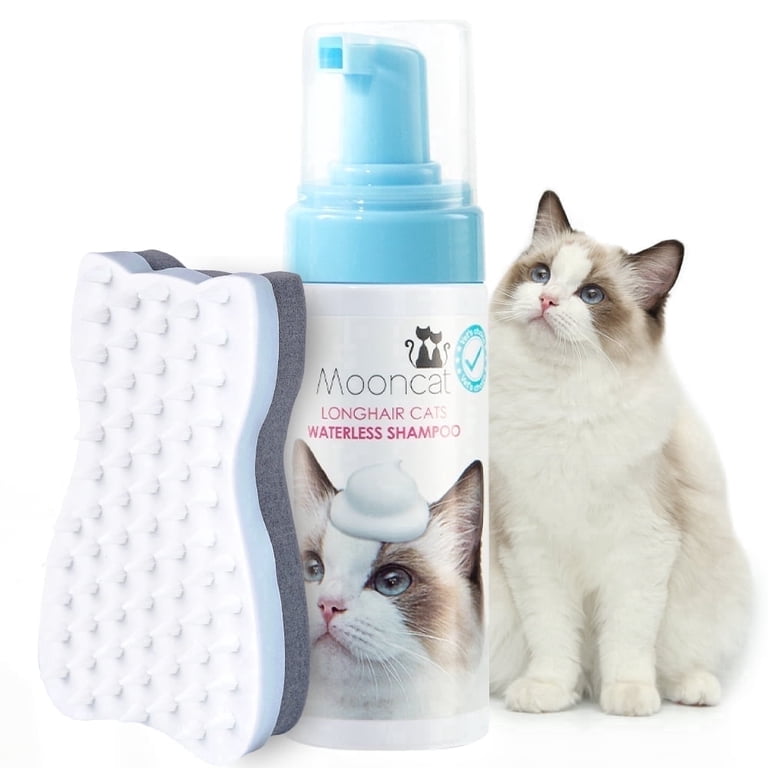
Gentle Alternatives To Waterless Shampoo
If you are unsure, try these simple options:
- Plain warm water on a soft microfiber cloth.
- Cat-safe grooming wipes with minimal ingredients.
- Regular brushing to cut dander and loose hair.
- Cornstarch-based cat grooming powder. Apply, then brush out.
- Diet and omega-3s for coat health, per your vet’s advice.
- Professional grooming for mats or heavy buildup.
Are Waterless Shampoos Safe For Cats? Yes, but you still have low-risk choices.

What The Evidence And Vets Say
Peer reports and case notes point to one theme. The formula makes or breaks safety. Tea tree oil toxicosis in cats is well documented. Respiratory irritation from heavy fragrance or aerosols is a known risk. On the other hand, mild, rinse-free cleansers are used in clinics for spot care with good results.
There are few large trials on pet waterless shampoos. So we rely on ingredient safety data, feline toxicology, and practical outcomes. Ask your vet if your cat has allergies, asthma, or skin disease. Are Waterless Shampoos Safe For Cats? With vet guidance and the right product, the risk stays low.
Frequently Asked Questions of Are Waterless Shampoos Safe For Cats?
Can I use a dog waterless shampoo on my cat?
No. Dog formulas can contain oils or insecticides that are unsafe for cats. Always use a feline-labeled product.
Are waterless shampoos safe for cats with allergies?
They can be, but choose fragrance-free, simple formulas. Patch test first and stop if you see any redness or itch.
How often can I use a cat waterless shampoo?
Use it as needed for spots, usually once a week or less. Overuse can dry the skin or leave residue.
What should I do if my cat licks the shampoo?
Most cat-safe products are low risk in small amounts. If you see drooling, vomiting, or tremors, call your vet.
Are waterless shampoos safe for kittens?
Use extra care with kittens. Choose very mild, kitten-safe formulas and use a tiny amount, or ask your vet first.
Do waterless shampoos help with fleas?
No. They are not a flea treatment. Use vet-recommended flea control and ask before mixing products.
Are waterless shampoos safe for cats with asthma?
Use fragrance-free, non-aerosol products and good ventilation. Stop at once if you see any coughing or wheezing.
Conclusion
Are Waterless Shampoos Safe For Cats? They are, when the product is feline-formulated, the ingredients are gentle, and your method is careful. Use them for small messes, not as a stand-in for vet care or full grooming when needed. Read labels, patch test, and keep sessions short and calm.
Make your next clean-up a low-stress win. Choose a safe formula today, try the wipe-and-brush method, and see how your cat responds. Want more guides like this? Subscribe for new tips, or leave a comment with your cat’s coat care questions.
