
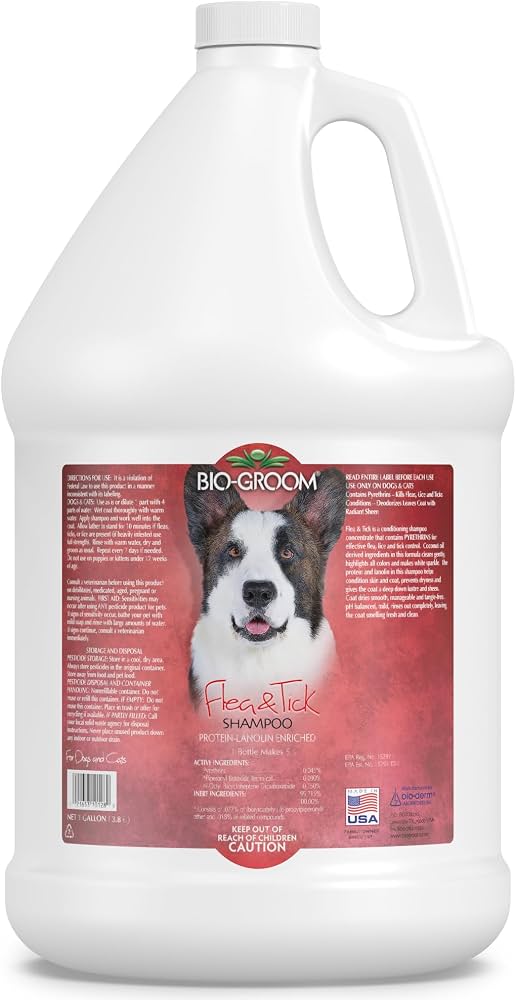
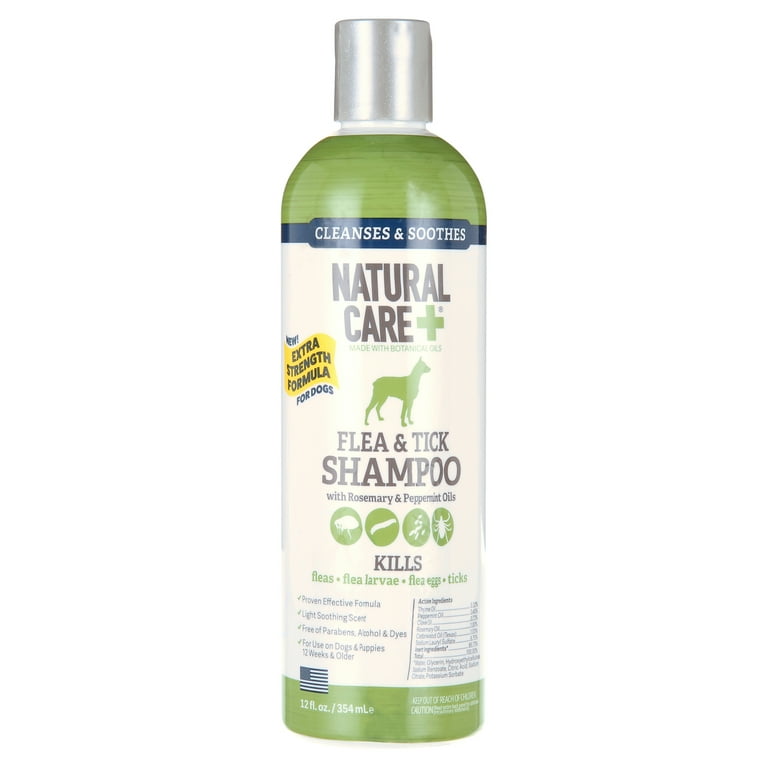
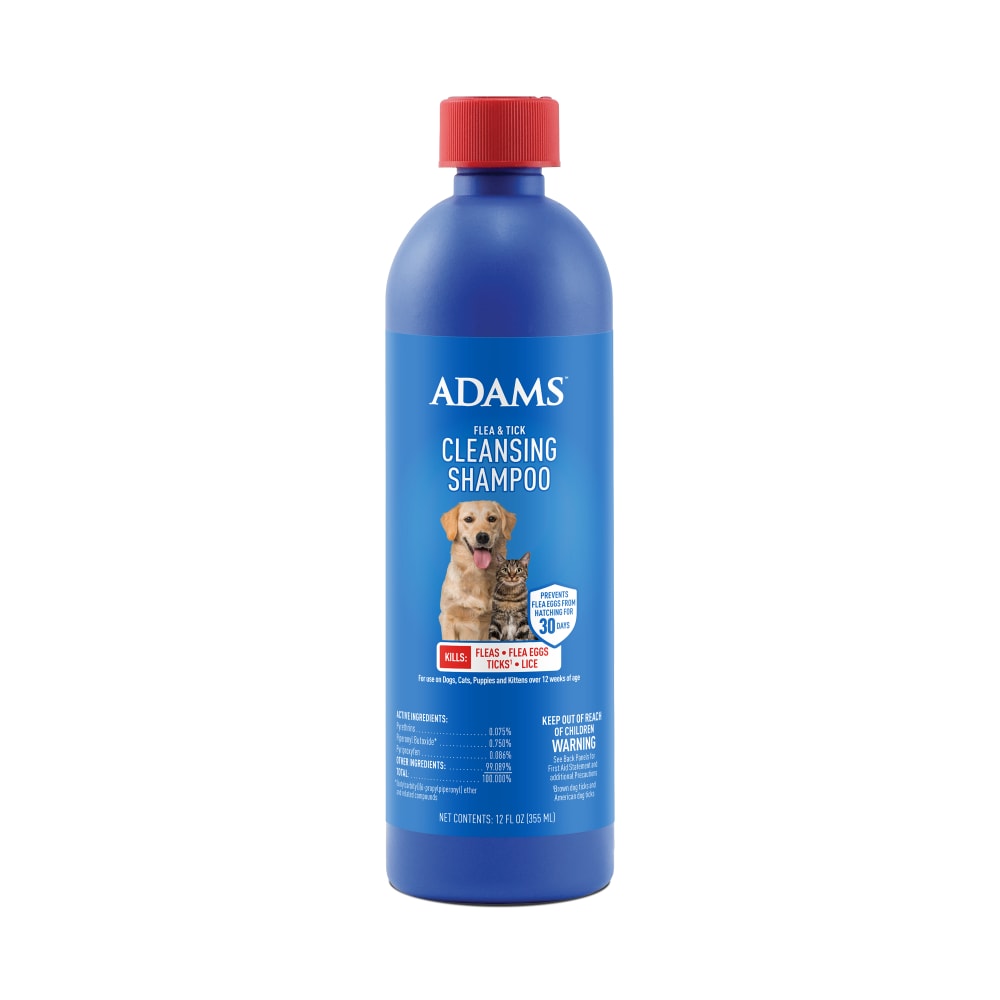
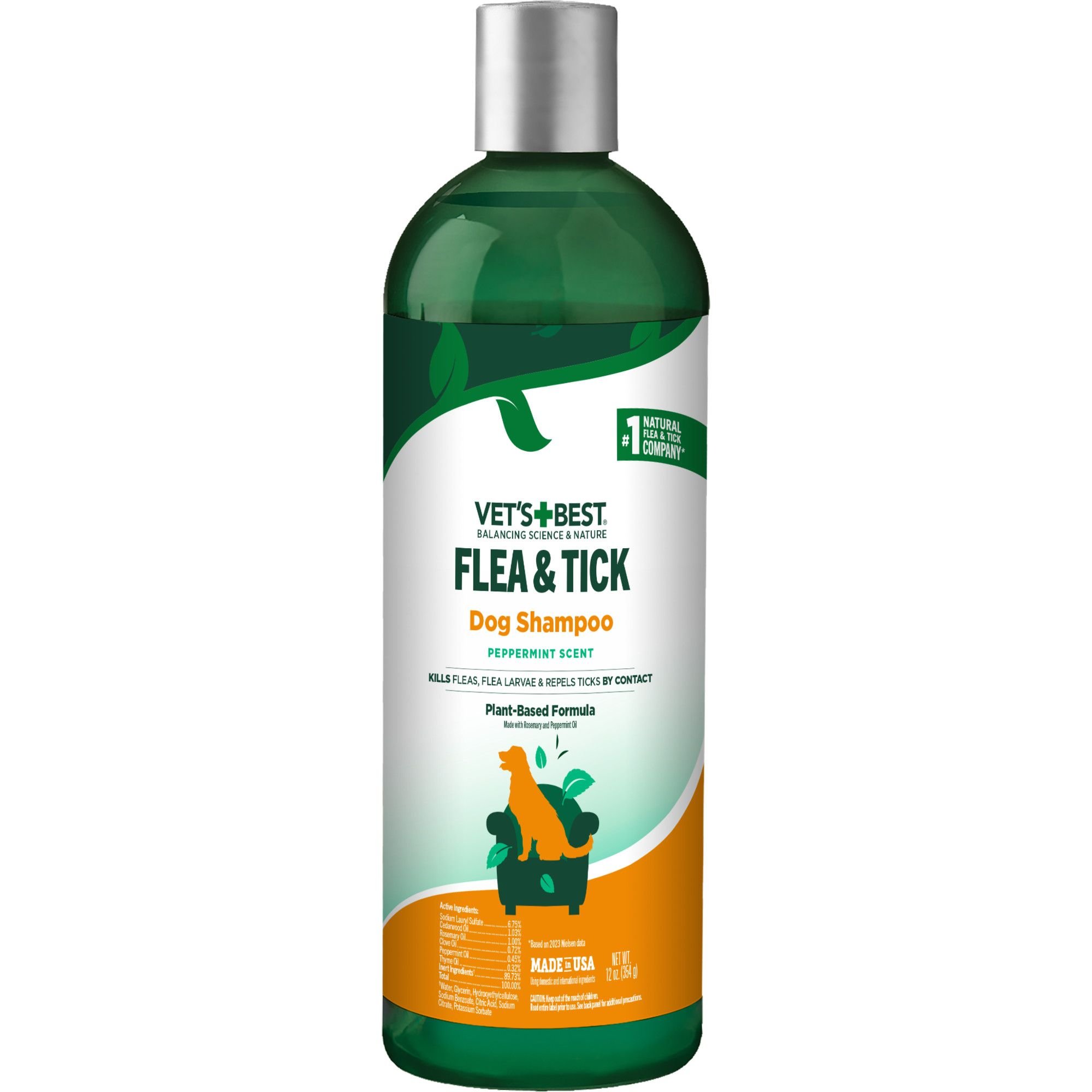
No. Many dog flea and tick shampoos can poison cats and cause seizures.
You love your cat and want fast relief from fleas. But Can You Use Flea And Tick Dog Shampoo On Cats? This guide explains the risks, the science, and safer options. I draw on years of hands-on pet care and vet-backed best practices. Read on for clear steps, real examples, and smart, safe choices for your cat.
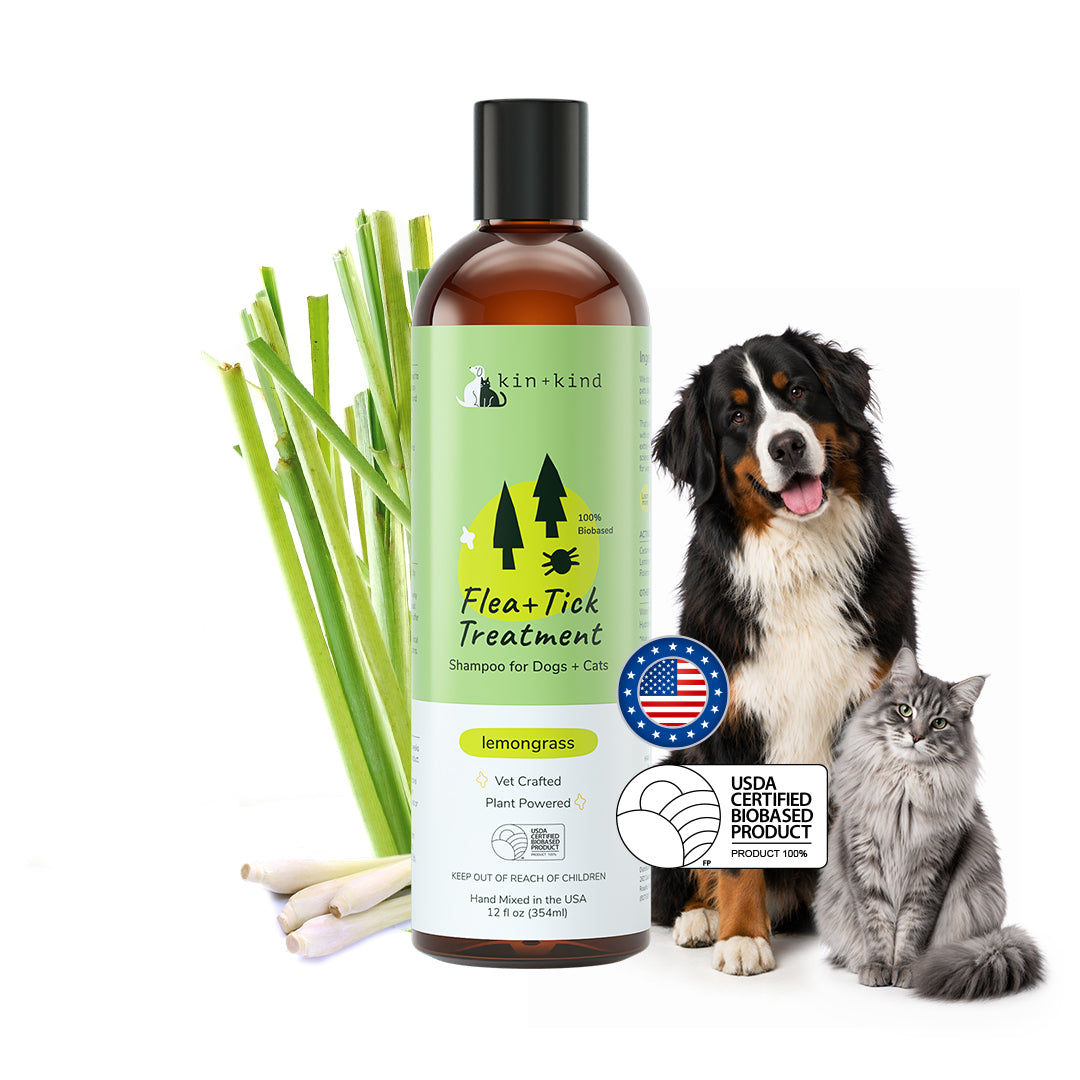
Why Dog Flea And Tick Shampoos Are Unsafe For Cats
Cats are not small dogs. Their bodies process chemicals in a very different way. Many dog shampoos use ingredients that a cat’s liver cannot clear well. Even a small dose can cause harm.
The main issue is a class of bug killers called pyrethroids. Dog products often use high levels of them. Cats lack key enzymes to break them down. This can lead to tremors, drooling, fever, or seizures.
In my work with shelter cats, I saw a young cat come in after a dog flea dip at home. She was shaking and hypersalivating. A bath with mild soap, warmth, and vet care saved her. But it was a close call.
So, Can You Use Flea And Tick Dog Shampoo On Cats? No. It is not worth the risk. Use cat-safe tools only.

Key Ingredients To Watch: What Makes Dog Formulas Different
Formulas for dogs and cats can look alike at first glance. The labels can feel dense too. Here is what matters most when you check a bottle.
Permethrin and other synthetic pyrethroids
Permethrin is the big red flag. It is common in dog products. It is dangerous for cats at doses dogs can handle. Signs of trouble include twitching, dilated pupils, unsteady walk, and seizures. Avoid any shampoo with permethrin or words that end with “-thrin” or “-ate” in the pyrethroid family.
Natural pyrethrins
Pyrethrins come from chrysanthemum flowers. They can still cause issues in cats, especially if the dose is high or combined with other boosters. Some cat shampoos use very low levels, but you must follow the label with care.
Piperonyl butoxide (PBO)
PBO boosts the strength of pyrethrins and pyrethroids. It can raise toxicity. If you see PBO with a pyrethroid, keep it away from cats.
Essential oils
“Natural” does not mean safe. Tea tree, pennyroyal, clove, and citrus oils can harm cats. Cats are sensitive to many oils and their fumes. Reactions range from drooling and vomiting to liver stress.
Insect growth regulators (IGRs)
IGRs like methoprene or pyriproxyfen stop eggs and larvae from maturing. These are often safer for cats when used in cat-labeled products. Still, use only products made for cats.
Red-flag label terms for cats:
- Permethrin
- Cypermethrin, deltamethrin, tetramethrin
- “For dogs only”
- Tea tree oil (melaleuca), pennyroyal, clove oil, limonene
If you wonder, Can You Use Flea And Tick Dog Shampoo On Cats? The answer stays the same: avoid cross-use.
What To Do If You Already Used Dog Shampoo On Your Cat
Stay calm and act fast. You can lower the risk with quick steps.
- Rinse now. Use lukewarm water and a mild dish soap. Lather well. Rinse for at least 10 minutes. Repeat once.
- Keep warm and dry. Wrap your cat in a towel. Avoid chilling.
- Watch for signs. Look for tremors, drooling, dilated pupils, vomiting, trouble walking, or seizures.
- Call your vet. If you see any signs, go at once. Bring the product label.
- Seek expert help. If after-hours, call a poison control line for pets for guidance.
Can You Use Flea And Tick Dog Shampoo On Cats? If you did by mistake, a fast bath and vet advice are key.

Safe Flea And Tick Control Options For Cats
Good news: there are many cat-safe ways to fight fleas. Your vet can guide you to the best match for your cat and home.
- Vet-approved preventives. Options include selamectin, selamectin/sarolaner, fluralaner, imidacloprid, and fipronil lines made for cats. They give steady control with less mess than shampoo.
- Cat-labeled shampoos. These remove live fleas but have short action. They do not protect for long. Use them as a quick reset with a long-term plan.
- Combs and cleaning. A flea comb, warm water dish, and daily vacuuming help a lot.
If you ask, Can You Use Flea And Tick Dog Shampoo On Cats? Skip it. Pick a product that says “for cats” on the box.
How To Choose A Cat-Safe Flea Shampoo And Use It Right
A smart choice starts at the label and ends with good technique.
Label checks that matter
- Confirm it says “for cats or kittens.”
- Read the active ingredients and their percentage.
- Avoid permethrin and strong essential oils.
- Check the minimum age and weight. Follow dose rules.
Smart use tips
- Patch test first. A tiny spot on the neck. Wait 24 hours if your cat has sensitive skin.
- Use measured amounts. Too much can stress skin and lungs.
- Rinse longer than you think. Soap left on skin can cause itch.
Common mistakes to avoid
- Mixing products on the same day.
- Using dog products “just this once.”
- Skipping home cleaning, which invites fleas right back.
Can You Use Flea And Tick Dog Shampoo On Cats? No. A cat-safe label is your green light.

Step-By-Step Flea Bath For Cats (Quick Guide)
- Prepare the room. Warm, quiet, draft-free. Lay towels. Trim claws if needed.
- Use a non-slip mat. Fill the tub with a few inches of warm water.
- Wet the coat. Keep water out of eyes, ears, and nose.
- Lather with cat-safe shampoo. Start at the neck, then body, legs, and tail.
- Wait 3–5 minutes, as the label directs. Keep your cat calm.
- Rinse very well. Fleas flee to the head; use a damp cloth there.
- Comb out with a flea comb. Drop fleas into soapy water.
- Dry with a towel. Keep your cat warm. Reward with treats.
Can You Use Flea And Tick Dog Shampoo On Cats? Not in this process. Stay with cat-only products.
Whole-Home Flea Strategy That Works
A bath alone will not end a flea cycle. Eggs and pupae hide in your home. A plan for 4–6 weeks works best.
- Vacuum daily for the first week. Focus on baseboards, rugs, and under furniture.
- Wash pet bedding, blankets, and soft toys in hot water weekly.
- Use an IGR spray for carpets and cracks. Follow label safety rules. Remove pets until it is dry.
- Treat all pets in the home with species-safe preventives.
- For yards, clear leaf litter and damp spots where fleas thrive.
Ask yourself again: Can You Use Flea And Tick Dog Shampoo On Cats? No. The home plan and cat-safe preventives do the heavy lifting.
Symptoms Of Flea Trouble And Allergies In Cats
Some cats react to even one flea bite. The signs can be subtle at first.
- Itchy skin, over-grooming, or hair loss on the back and tail base
- Small scabs or red skin
- Flea dirt that turns red-brown when wet
- Tapeworm segments near the tail or in stool
- Pale gums or tired mood in heavy infestations
If your cat shows these signs, treat the fleas and soothe the skin. Can You Use Flea And Tick Dog Shampoo On Cats? No. Choose gentle, cat-safe care.
Myths And Misconceptions
- A small amount of dog shampoo is fine. No. Even tiny doses can harm a cat.
- Natural oils are always safe. No. Many essential oils are risky for cats.
- One bath ends fleas for good. No. Eggs and pupae need a longer plan.
- Indoor cats do not get fleas. They can. Fleas ride in on clothes or other pets.
- Can You Use Flea And Tick Dog Shampoo On Cats? Still no. Labels exist for a reason.
Frequently Asked Questions of Can You Use Flea And Tick Dog Shampoo On Cats?
Is it ever safe to use a dog flea product on a cat?
No. Even if the ingredients look similar, doses and solvents differ. Use only cat-labeled products.
What happens if my cat is exposed to permethrin?
Cats may drool, tremble, twitch, or have seizures. Seek veterinary care at once and bring the product label.
Are flea baths enough to stop an infestation?
No. Shampoos remove live fleas but have no lasting effect. Pair a bath with a vet-approved preventive and home cleaning.
Which ingredients are safer for cats?
Look for cat-specific products with fipronil, imidacloprid, selamectin, or fluralaner. Follow the label and your vet’s advice.
Can kittens have flea shampoo?
Only if the label says it is safe for their age and weight. For very young kittens, use a flea comb and vet guidance first.
What should I do after a mistaken dog-shampoo bath?
Rinse well with mild soap, keep your cat warm, and call your vet. Monitor for any signs of toxicity for 24 hours.
Conclusion
Your cat depends on you to make safe choices. Dog flea and tick shampoos can be dangerous for cats, even in small amounts. With cat-safe products, steady home care, and a simple plan, you can stop fleas and keep your cat well.
Take the next step today. Choose a vet-approved cat preventive, tidy your home, and set a routine. Have questions or a story to share? Leave a comment and subscribe for more trusted pet care guides.

1 thought on “Can You Use Flea And Tick Dog Shampoo On Cats?: Safety Tips”