
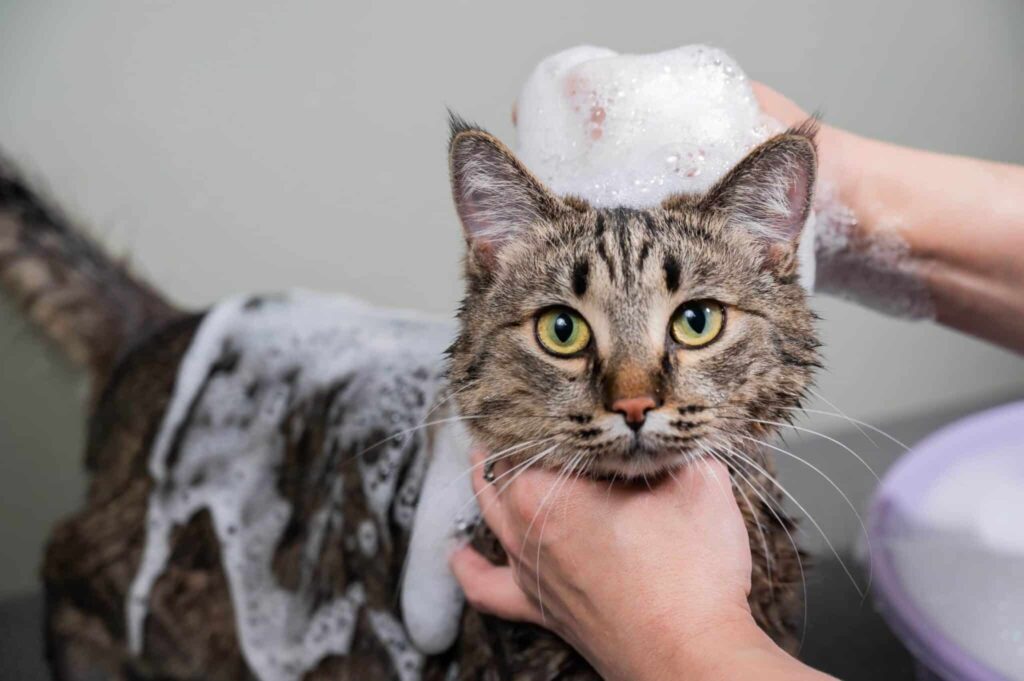
You can use baby shampoo on cats only in rare emergencies, and with care.
If you have ever paused at the sink and wondered, Can You Use Baby Shampoo On Cats?, you are not alone. I’ve helped groom nervous shelter cats, coached first-time pet parents, and tested many bathing plans. In this guide, I explain when it can be used, why it often should not, and what safer choices look like. You will learn the science, the steps, and the simple rules that protect your cat’s skin and stress levels.
What Makes Cat Skin Different From Human (and Baby) Skin
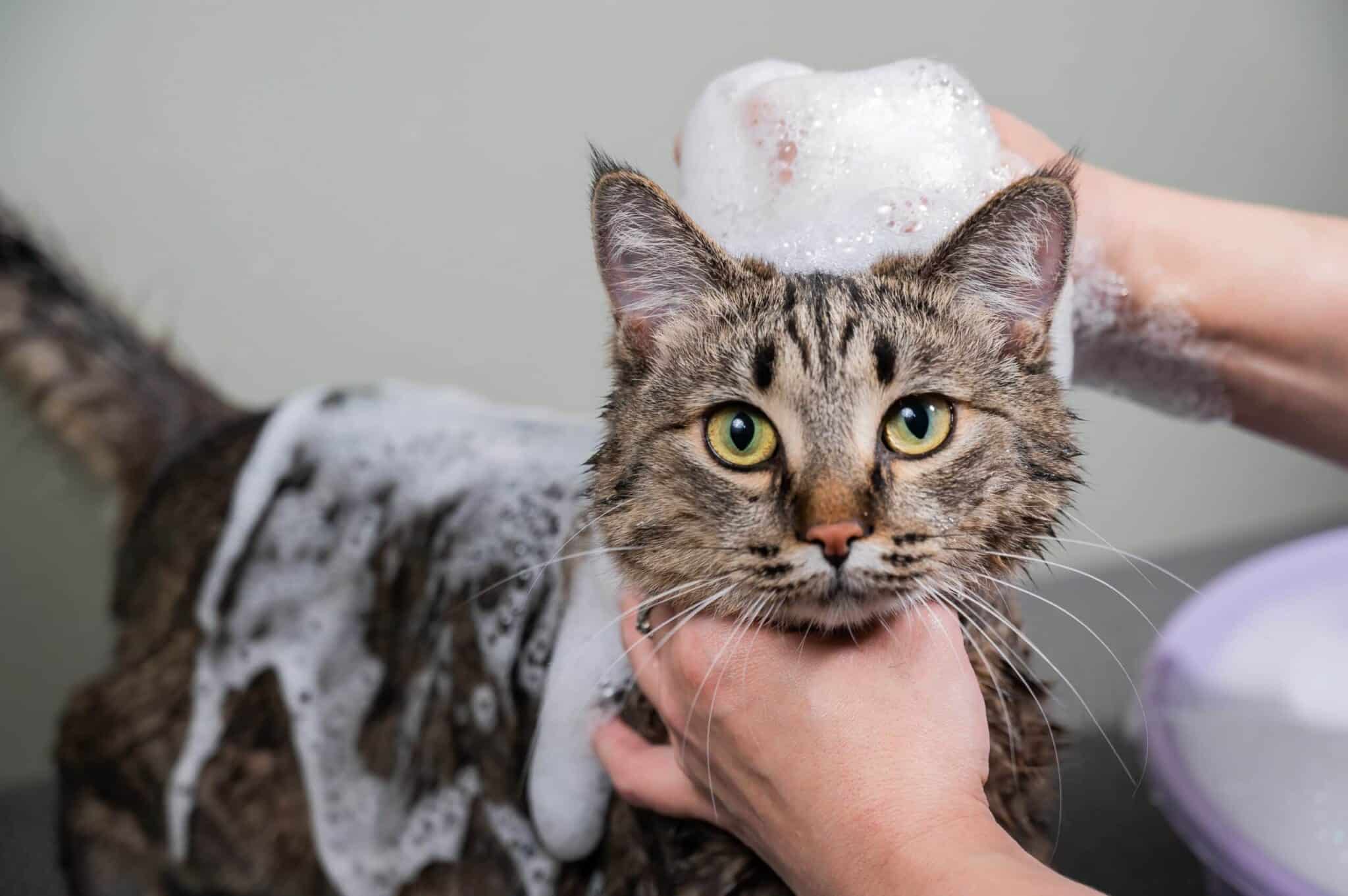
Many pet owners ask, "Can You Use Baby Shampoo On Cats?" To answer well, we need to start with skin science. A cat’s skin is thinner than ours. Its surface film has a different pH and lipid mix. Human and baby shampoos are made for human skin and human hair, not fur and feline skin.
Key points that shape safety:
- pH mismatch. Cat skin sits closer to neutral than human skin. Baby shampoo fits a human-targeted pH. It can shift a cat’s skin balance and weaken the barrier.
- Surfactants and foaming agents. Baby shampoos use mild detergents for human eyes and scalp. On cats, those detergents can still strip oils and cause dryness.
- Fragrance and additives. Even “gentle” scents can bother a cat’s nose and skin. Some additives are fine for people but can irritate cats.
- Licking risk. Cats groom. Any residue can be licked. That raises the chance of stomach upset or drooling.
Veterinary dermatology guidance warns against routine use of human shampoos on pets, even if they are baby formulas. The skin barrier matters. Protect it, and you prevent itch, flakes, and infections.
When, If Ever, You Can Use Baby Shampoo On Cats
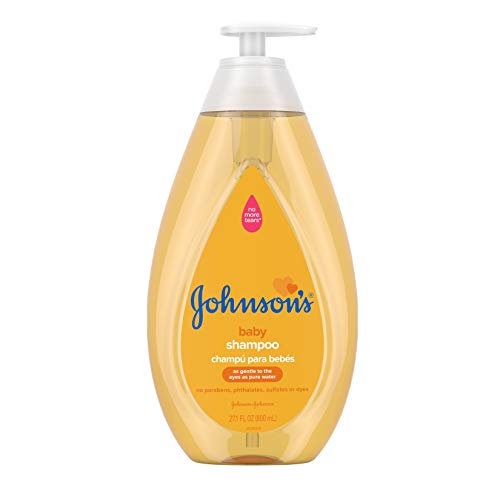
So, "Can You Use Baby Shampoo On Cats?" Yes, but only in a true pinch. Think a one-time clean-up for grease or food on the fur, and you have no pet shampoo on hand. Pick a fragrance-free, dye-free baby shampoo. Dilute it a lot. Rinse like your cat’s comfort depends on it—because it does.
Emergency-only steps:
- Dilute first. Mix one tablespoon of baby shampoo in two cups of warm water.
- Spot clean. Apply only to the dirty area. Avoid eyes, ears, and mouth.
- Short contact time. Work it in for 30–60 seconds.
- Rinse, then rinse again. Run warm water until it feels squeaky clean.
- Dry well. Use a towel. Keep the room warm and calm.
- Watch for signs. Redness, scratching, or head shaking means stop and call your vet.
Used this way, baby shampoo can help in a bind. But it is not a weekly plan. It is not for kittens under eight weeks, seniors with thin skin, or cats with skin disease.
Risks and Side Effects You Should Know
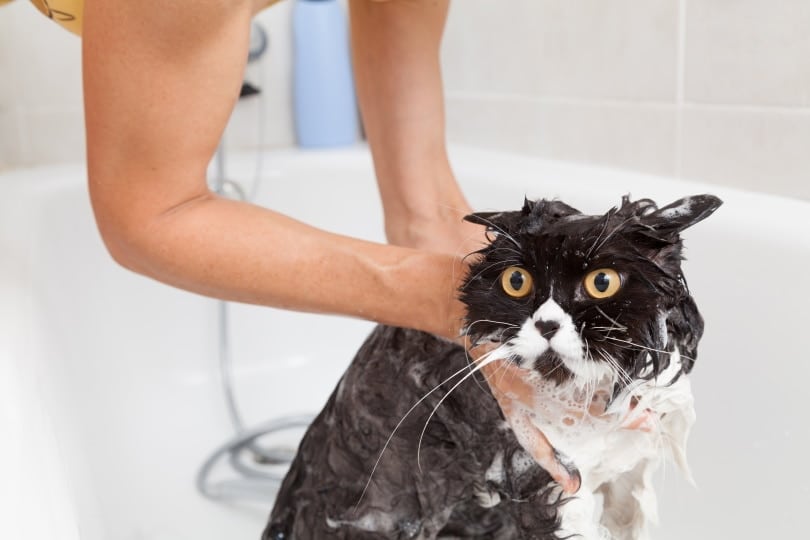
The risks linked to the question "Can You Use Baby Shampoo On Cats?" are real but avoidable if you know them.
Common problems:
- Dryness and flakes. Oils get stripped, which leads to itch and dandruff.
- Irritation. Red skin, rubbing, head shaking, or overgrooming can follow.
- Residue and licking. Soap left behind may upset the stomach or cause drooling.
- Not a flea fix. Baby shampoo does not treat fleas, mites, or fungal issues.
- Eye and ear issues. Any product in eyes or ears can sting or trigger infection.
If you see redness, bumps, or odd behavior after a bath, call your vet. Document what you used, how much, and how long. That helps your vet guide care fast.

Better Alternatives to Baby Shampoo for Cats
If you are asking, "Can You Use Baby Shampoo On Cats?" it often means you need a safe, simple plan today. These are better options:
Smart choices:
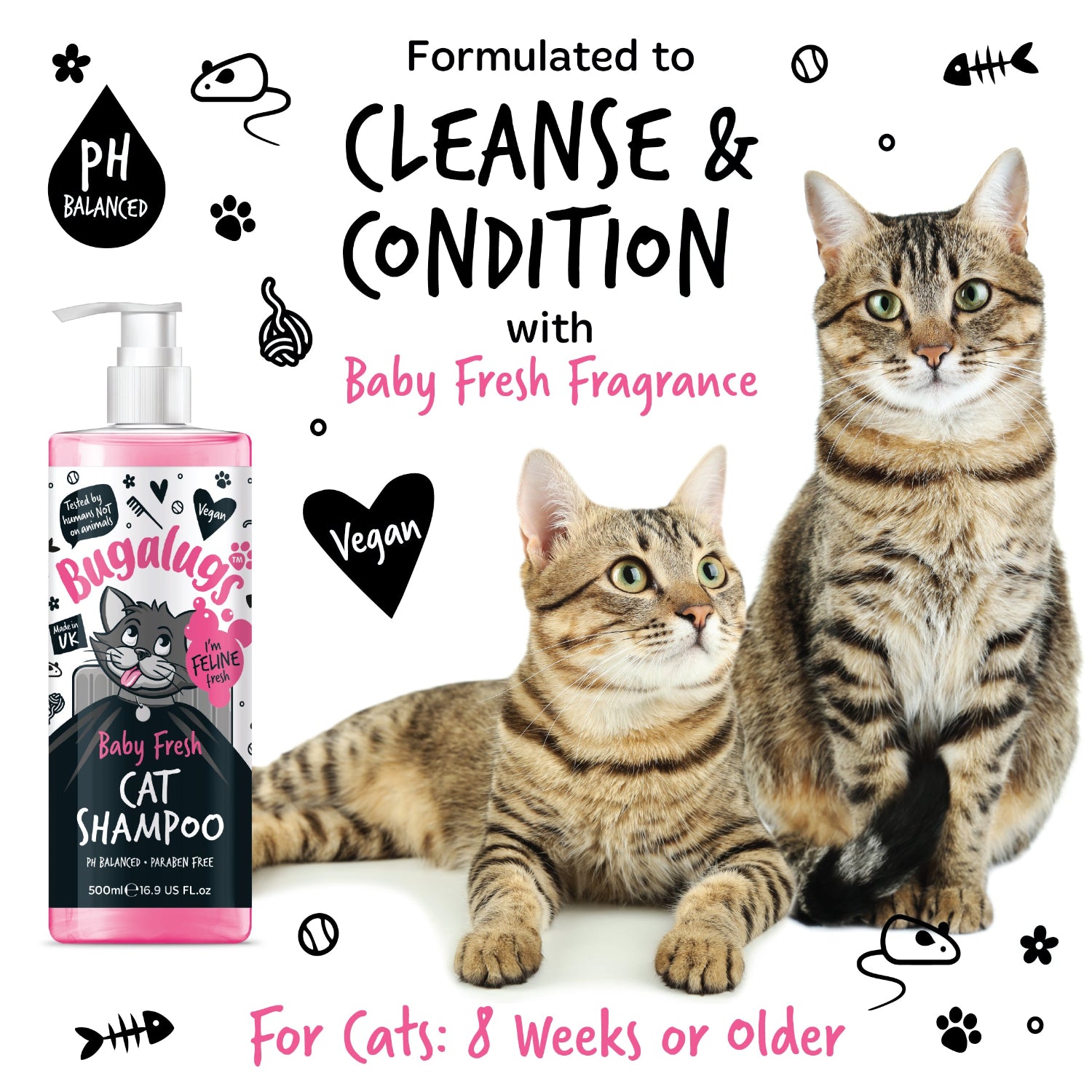
- Cat-specific shampoo. Look for “for cats” on the label, fragrance-free, soap-free, and pH-balanced for pets.
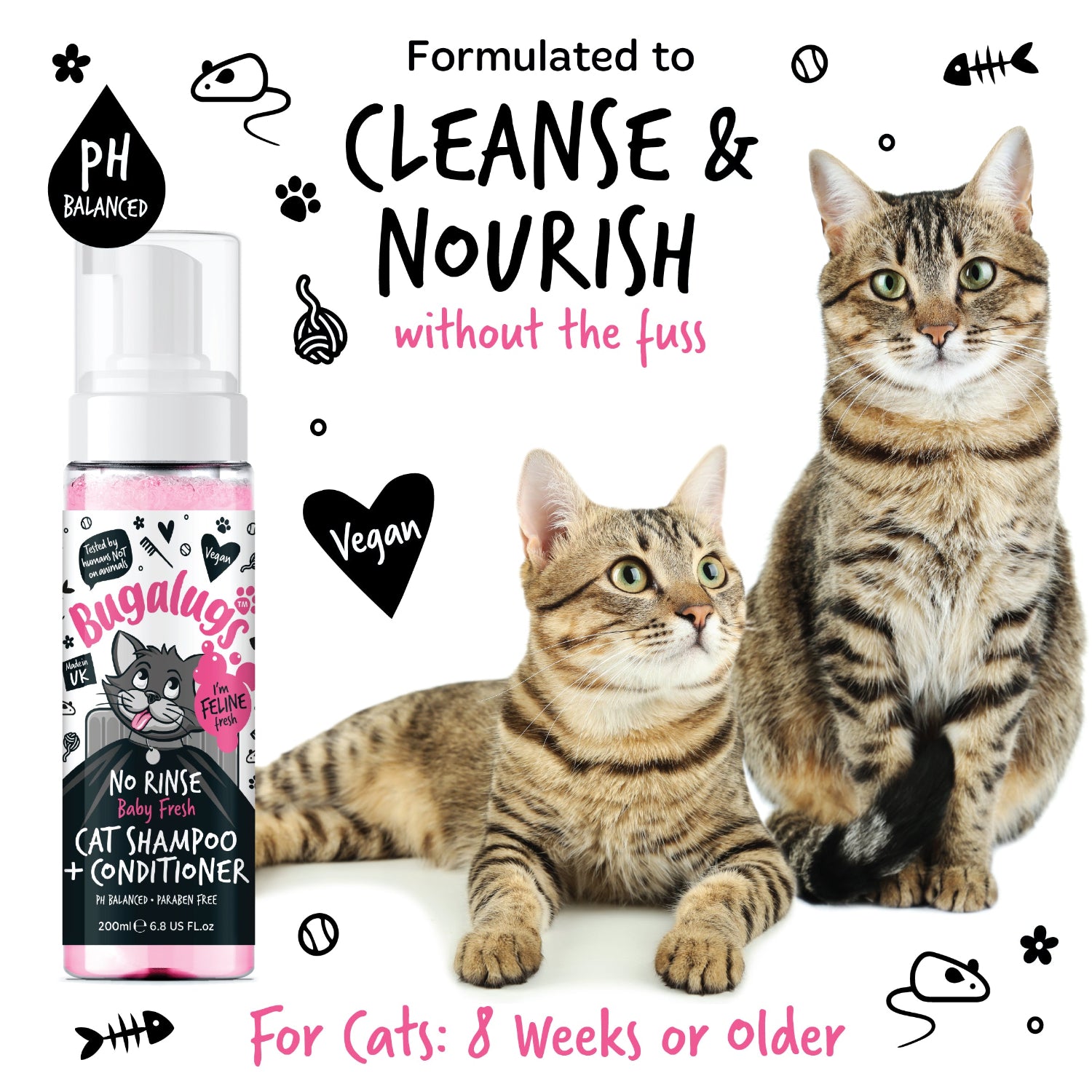
- Waterless cat foam or spray. Great for quick cleanups with less stress.
- Unscented pet wipes. Use for paws, bums, and light dirt.
- Warm water only. Many spots lift with water and gentle finger work.
- Vet-prescribed medicated shampoo. Use for ringworm, seborrhea, allergies, or infections, as directed.
What to avoid:
- Tea tree oil products. Even low doses can be toxic to cats.
- Dog-only shampoos. Some dog products contain permethrin or essential oils that harm cats.
- Homemade mixes with vinegar or baking soda. These can burn or dry the skin.
Tip: Read labels out loud. If you would not lick it, your cat should not wear it.

How to Bathe a Cat Safely, Step by Step
This section helps if you still wonder, "Can You Use Baby Shampoo On Cats?" The safer plan is a proper cat bath with the right tools.
Before the bath:
- Trim nails the day before.
- Brush out mats to speed bathing.
- Warm the room and the water. Lukewarm feels best.
During the bath:
- Use a rubber mat for paw grip.
- Wet from shoulders back. Keep the head dry.
- Lather a cat-safe shampoo. Use small amounts.
- Rinse for twice as long as you lathered.
- Wipe the face with a damp cloth only.
After the bath:
- Towel dry. Replace wet towels with dry ones.
- Keep the cat warm and calm in a quiet room.
- Offer a treat and a hiding spot to reduce stress.
If your cat panics or breathes fast, stop. Stress can be more harmful than dirt.
Real-Life Notes From the Field
In clinics and shelters, I often hear, "Can You Use Baby Shampoo On Cats?" I have used it only a handful of times, and only as a spot cleaner. The key was heavy dilution and very fast rinsing. Even then, one nervous tabby got flaky skin the next day. After that, we switched to a fragrance-free cat mousse for quick cleanups. No flakes. No drama.
Lessons learned:
- Less is more. Use as little product as possible.
- Rinse like a pro. Extra rinse time prevents most issues.
- Stock the good stuff. Keep a cat-safe shampoo and wipes at home.
- Plan for stress. Lower the stress, and you lower skin flare-ups.
Mistakes to avoid:
- Do not scrub hard. Gentle pressure protects the skin film.
- Do not bathe often. Most indoor cats do fine with rare baths.
- Do not chase the cat. Prep the room first, then bring the cat in.

Source: sonicstatus.com
Myths and Facts About Baby Shampoo and Cats
The idea behind "Can You Use Baby Shampoo On Cats?" is tied to a few myths. Let’s clear them up.
Myths vs facts:
- Myth: Baby shampoo is always safe for animals.
Fact: It is made for humans. Cat skin needs pet-safe formulas. - Myth: Tear-free means irritation-free for cats.
Fact: Tear-free reduces human eye sting. It does not guarantee zero feline irritation. - Myth: A good rinse cancels all risks.
Fact: Rinsing helps, but pH and ingredient issues still matter. - Myth: It is fine for fleas.
Fact: It is not a flea treatment. Use vet-approved flea control.
Use the right tool for the job. Your cat’s skin will thank you.
Frequently Asked Questions
Can you use baby shampoo on cats?
Yes, but only in an emergency and only once. Dilute it, avoid the face, and rinse very well. Then switch to a cat-safe product.
Is baby shampoo safe for kittens?
No. Kittens have delicate skin and chill fast. Use warm water only or a vet-recommended kitten-safe cleanser.
What should I do if my cat reacts after a bath?
Stop bathing and call your vet. Note the product used and symptoms like redness, scratching, or drooling.
How often should I bathe my indoor cat?
Rarely. Most cats self-clean well. Bathe only for messes, medical needs, or when a vet suggests it.
What are the best alternatives to baby shampoo?
Choose a fragrance-free, soap-free, cat-specific shampoo, waterless cat foam, or unscented pet wipes. For skin disease, use vet-prescribed products.
Will baby shampoo kill fleas on my cat?
No. It may wash off some debris, but it will not treat an infestation. Use a vet-approved flea control plan.
Conclusion
You asked, Can You Use Baby Shampoo On Cats? It can work once in a pinch, but it is not ideal for routine care. The safer path is simple: use a cat-safe shampoo, rinse well, and keep baths rare and calm. Your cat’s skin barrier, comfort, and health come first.
If you still wonder, "Can You Use Baby Shampoo On Cats?" talk to your veterinarian and build a bath plan that fits your cat. Take action today: stock a pet-safe cleanser, add soft towels to your kit, and bookmark this guide. Share your experience or questions in the comments so other cat parents can learn, too.
