
No. Do not use human shampoo on cats; it dries and irritates skin.
If you have ever wondered, Can You Use Human Shampoo On Cats?, you are not alone. As someone who has helped bathe many shelter cats and coached anxious pet parents, I have seen what works and what hurts. This guide explains why the wrong shampoo can harm your cat, what to use instead, and how to bathe a cat the safe way. Read on to protect your cat’s skin, coat, and comfort.
Why human shampoo is not safe for cats
Can You Use Human Shampoo On Cats? No, because cats have different skin biology. Their skin is thinner and more delicate. Their pH is more neutral than human skin. Human formulas are designed for our scalp and oil profile, not for feline skin.
Many human shampoos contain strong surfactants, heavy fragrance, essential oils, and dyes. These can strip the coat and irritate the skin. Cats also groom with their tongues, so residue left on the fur can be swallowed. That raises the risk of stomach upset or even toxicity in some cases.
Using human shampoo even once can cause dryness and itch. With repeat use, it can lead to flaky skin, dull coat, and long-term irritation. It is not worth the risk when safer options exist.
How cat skin differs from human skin
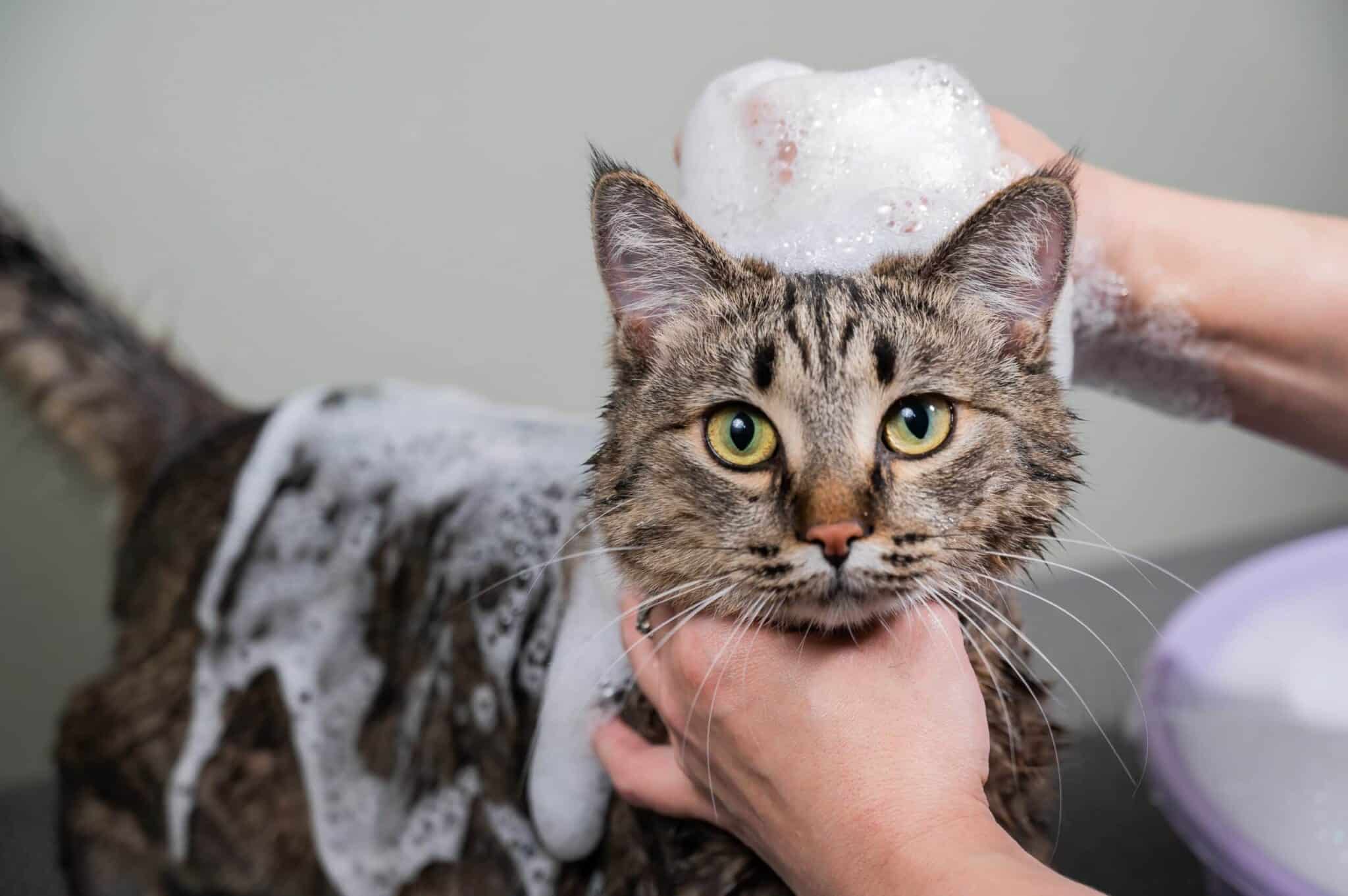
Cats do not sweat like we do. Their skin barrier is thinner and easy to disrupt. When the barrier breaks, moisture escapes and microbes can grow. That sets up a cycle of itch and infection.
Feline skin has a more neutral pH than human skin. Human products are often more acidic. This mismatch can weaken the barrier and cause sting or burn.
Cats also groom for hours each day. Anything left on the coat ends up in the mouth. This is why residue safety matters. A mild product for humans is not the same as a safe product for cats.
Risks of using human shampoo on cats
Can You Use Human Shampoo On Cats? Here is what I have seen go wrong:
- Dryness and dandruff. Stripped oils lead to flakes and a dull coat.
- Red, itchy skin. Fragrance and dyes can trigger contact dermatitis.
- Excess grooming. Cats lick more to soothe itch, which worsens damage.
- Eye and ear irritation. Runoff can sting and inflame sensitive tissue.
- Toxic reactions. Some ingredients cause tremors, drooling, or vomiting when licked.
Common risky ingredients include tea tree oil, eucalyptus, menthol, coal tar, zinc pyrithione, salicylic compounds, and strong essential oils. Cats lack certain liver enzymes, so they clear some chemicals slowly. Even “natural” oils can be unsafe for them.
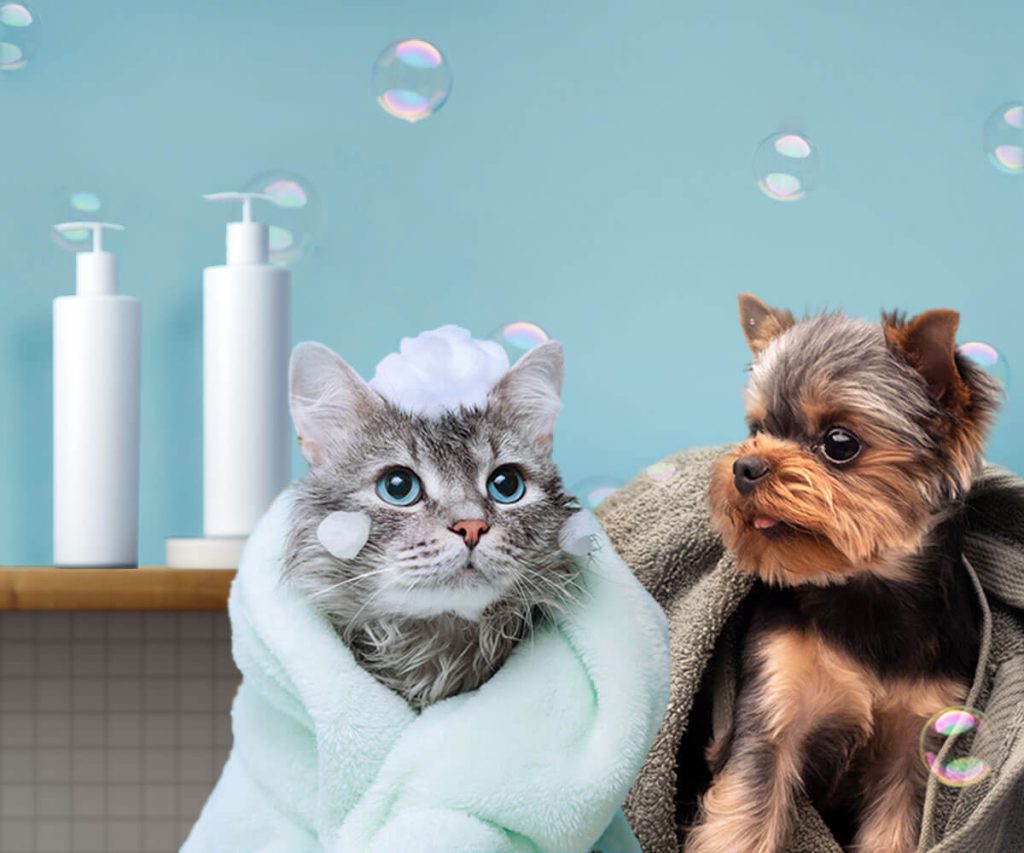
What to do if you already used human shampoo
If you used human shampoo by mistake, act fast but stay calm.
- Rinse well with warm water for several minutes. Remove all residue.
- Pat dry with a towel. Keep your cat warm and indoors.
- Watch for signs: redness, scratching, drooling, vomiting, tremors, or lethargy.
- Call your vet or a poison helpline if you see any worrisome signs.
- Skip lotions or home remedies unless a vet approves them.
Can You Use Human Shampoo On Cats in a pinch without harm? It is still a risk. A single wash may be okay if rinsed very well, but monitor closely.

Safe options: what to use instead
Choose a product made for cats. Look for clear labels, simple formulas, and safety notes.
Good choices include:
- Hypoallergenic cat shampoo. Free of dyes and heavy fragrance.
- Oatmeal or aloe cat shampoo. Soothes mild dryness and itch.
- Medicated cat shampoo. For fleas, mites, fungus, or allergies, only under vet advice.
- Waterless or foam cat cleansers. Useful for spot cleaning or fearful cats.
- Kitten-specific shampoo. Very mild, for young skin.
Read the label. Avoid added perfumes, essential oils, and harsh cleaners. If your cat has a skin disease, ask your vet for a plan. Can You Use Human Shampoo On Cats if the pet aisle is sold out? Do not. Wait, or use safe no-rinse options listed below.

No cat shampoo at home? Emergency alternatives
There are a few safer steps for one-time, low-risk cleaning.
- Warm water rinse. Often enough for dust, pollen, or light dirt.
- Pet-safe wipes made for cats. Unscented, alcohol-free, and gentle.
- Cornstarch for greasy spots. Lightly dust, wait a few minutes, then brush out.
- Saline for eyes. Use sterile saline to clear mild crust near the eyes.
If your cat gets into toxic oil or sticky mess:
- Call your vet first. Describe the substance.
- In some cases, a tiny amount of diluted, plain dish soap may be used once to break down grease, then rinse for several minutes. This is a last resort and can be very drying. Follow vet guidance only.
Can You Use Human Shampoo On Cats in that emergency? It remains a poor choice due to residue and pH issues.
How to bathe a cat safely: step-by-step
Preparation makes baths shorter and calmer. Here is a simple plan I use with nervous shelter cats.
- Trim nails a day before the bath.
- Brush out mats and loose hair first.
- Gather supplies: cat shampoo, two towels, a non-slip mat, a cup, and treats.
- Use a sink or tub with a mat. Lukewarm water only.
Bath steps:
- Fill a few inches of water. Keep the room warm and quiet.
- Wet the coat from shoulders back. Keep water away from eyes and ears.
- Dilute the cat shampoo per label. Apply and massage gently.
- Rinse for 3 to 5 minutes. Residue causes itch, so rinse more than you think.
- Towel dry. Offer treats. Keep your cat in a warm room until fully dry.
Can You Use Human Shampoo On Cats if you rinse a long time? No. Rinsing cannot fix a product that is wrong for feline skin.

Grooming without baths: keep your cat clean
Most cats do not need many baths. Good daily care reduces dirt and odor.
- Brush often. Short hair cats benefit from a few minutes, several times a week. Long hair cats need daily care.
- Spot clean. Use waterless cat cleanser or damp cloth for paws and rear.
- Support skin from inside. Feed a complete diet high in quality protein and omega fats.
- Reduce stress. Stress can drive over-grooming and skin flare-ups.
- Check the litter area. Clean boxes cut down on dirty paws and smells.
A steady routine keeps the coat shiny. Can You Use Human Shampoo On Cats if you brush often? Still no. Brushing is the safe base for coat health.
Signs of skin trouble and when to see a vet
Call your vet if you see:
- Constant scratching or licking.
- Red patches, open sores, or hot spots.
- Hair loss, scabs, or thick dandruff.
- Foul odor, greasy coat, or sudden change in texture.
- Ear shaking, head tilt, or dark ear debris.
These signs can mean fleas, mites, allergy, ringworm, or infection. Can You Use Human Shampoo On Cats to fix these problems? No. You need a diagnosis and a targeted plan.
My shelter experience and practical tips
Working with rescue cats taught me one big truth: less is more. The calm, short bath with a cat-safe shampoo always beats a long, foamy wash. Most coat issues improved when we brushed daily, used a gentle feline formula, and rinsed like pros.
A few lessons learned:
- Set up first, then bring the cat. Time saved means less stress.
- Use warm, not hot, water. Hot water strips oils fast.
- Measure shampoo. Too much product causes residue and itch.
- Keep a treat trail. Small rewards change how cats feel about bath time.
Can You Use Human Shampoo On Cats to save money? No. A small bottle of cat shampoo lasts months and protects your pet’s skin and health.
Frequently Asked Questions of Can You Use Human Shampoo On Cats?
Is baby shampoo safe for cats?
Baby shampoo is milder for humans, but it is not designed for cats. It can still upset the skin barrier and leave residue they may lick.
What happens if I used human shampoo on my cat once?
Rinse well and watch for redness, itching, drooling, or vomiting. If any sign appears, call your vet for advice.
Can You Use Human Shampoo On Cats if it is fragrance-free?
Fragrance-free is still not feline-safe by default. pH and ingredient safety for cats are the main issues.
How often should I bathe a healthy indoor cat?
Many indoor cats do not need routine baths. Brush often and bathe only when dirty, sticky, or under vet guidance.
What ingredients should I avoid in cat shampoos?
Avoid essential oils like tea tree, strong fragrances, dyes, coal tar, and harsh antiseptics unless a vet prescribes them. Simple, feline-labeled formulas are best.
Can You Use Human Shampoo On Cats with skin allergies?
No. Allergic cats need extra care and often medicated or hypoallergenic feline products. Use a vet-approved plan only.
Are waterless cat shampoos effective?
Yes, many are good for spot cleaning and stress reduction. Pick feline-specific, unscented options and follow the label.
Conclusion
Human shampoo is built for human skin and scalp. Cats have a different pH, a fragile barrier, and a strong grooming habit that adds risk when they lick residue. Choose cat-specific products, rinse well, and focus on brushing and calm handling for a healthy, shiny coat. Your cat will feel better, and bath day will be easier.
Ready to upgrade your routine? Pick a feline-safe shampoo, set up a short bath plan, and share your results or questions in the comments. Can You Use Human Shampoo On Cats? Now you know how to keep your best friend safe and clean.
