
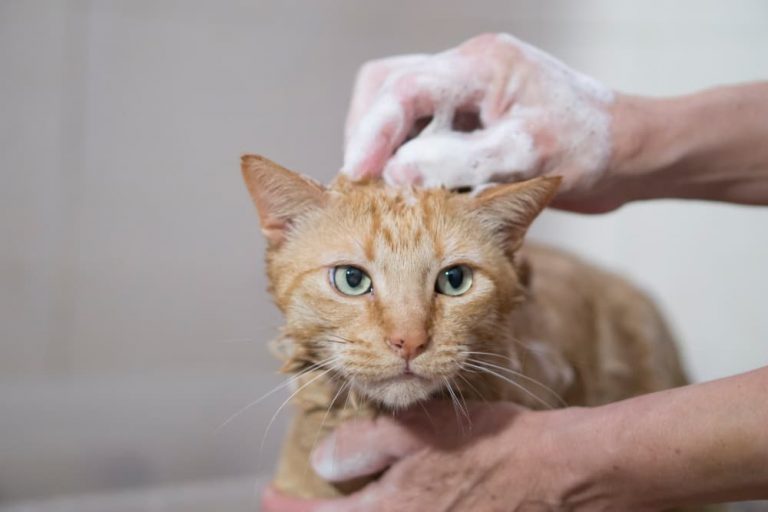
Generally, no. Puppy shampoo can irritate cats and may contain harmful ingredients.
Still curious about the details? You’re in the right place. As a pet care writer who has worked with groomers and shelter teams, I’ll explain Can You Use Puppy Shampoo On Cats? with clear science, practical steps, and real-world tips. We’ll cover what works, what to avoid, and how to keep your cat safe and clean.
Can You Use Puppy Shampoo On Cats? The full picture
The simple rule is to avoid it. Cat skin and dog skin are not the same. Many puppy formulas use scents, oils, or flea ingredients that are unsafe for cats.
Can You Use Puppy Shampoo On Cats? In most cases, no. If you face a true emergency and have no cat-safe product, there are strict steps that reduce risk. I’ll cover those, plus better options, so you can choose with confidence.

Cat vs dog skin: pH, grooming habits, and risks
Cat skin is thinner than dog skin. It has a different pH and a fast turnover rate. A harsh surfactant can strip oils and cause flakes, itch, or redness.
Cats groom. They lick off residue. A shampoo that is fine for a puppy can upset a cat’s stomach or liver when swallowed. Some dog-only actives, like permethrin, are dangerous for cats even in tiny amounts.
Veterinary dermatology guidance supports cat-specific formulas. This is why Can You Use Puppy Shampoo On Cats? is more than a simple yes or no.
When, if ever, Can You Use Puppy Shampoo On Cats?
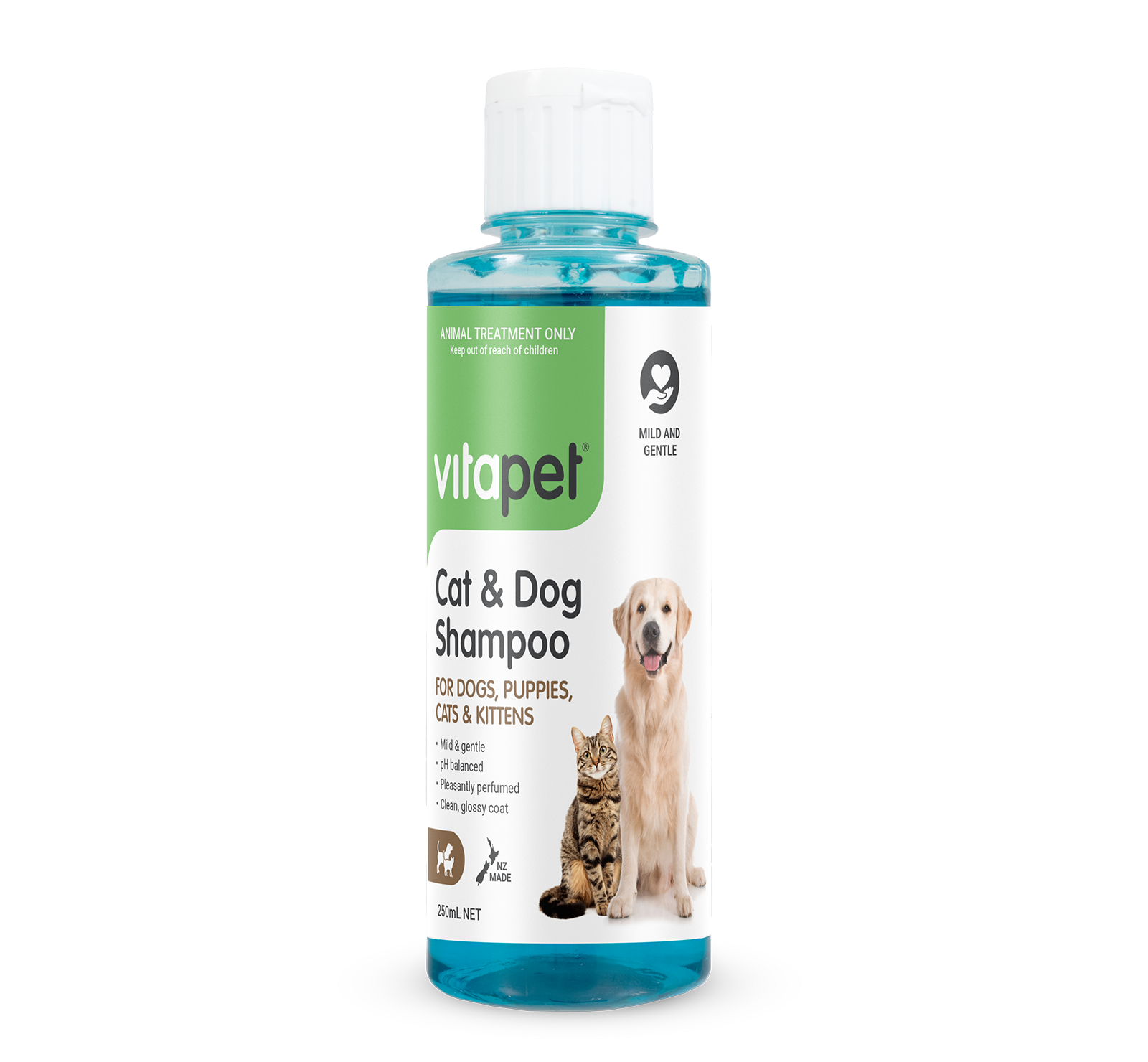
You should choose a cat-safe shampoo whenever possible. But life happens. If a cat rolls in grease at 2 a.m., and you only have a very mild, fragrance-free puppy shampoo, you may consider a single, emergency bath.
If you must, follow these guardrails:
- Confirm no flea or tick medication on the label. Avoid permethrin, pyrethroids, or insect growth regulators.
- Check for no essential oils. Skip tea tree, eucalyptus, peppermint, citrus, and phenolic compounds.
- Dilute heavily. Mix about 1 teaspoon shampoo into 1 cup warm water to create a light solution.
- Keep it short. Wet, lather quickly from neck down, and rinse for 3 to 5 minutes until water runs clear.
- Avoid the face. Use plain water or a damp cloth for the head.
Can You Use Puppy Shampoo On Cats? Only as a one-time, last-resort step if the formula is plain, unscented, and very mild. Then switch to a cat shampoo next time.

Ingredients: what to avoid and what may be okay
Understanding labels is key. Here is a simple guide.
Avoid these in any product used on cats:
- Permethrin and synthetic pyrethroids. These dog-only flea agents are toxic to cats.
- Tea tree oil and many essential oils. Cats do not process them well and can become ill.
- Phenols and coal tar. These can stress a cat’s liver and skin.
- Strong fragrances, dyes, and parabens. These increase irritation risk.
- Salicylic acid or high benzoyl peroxide. These can dry and irritate cat skin when not cat-labeled.
Often acceptable in cat-labeled products (or with vet guidance):
- Colloidal oatmeal. Soothes itchy, dry skin.
- Mild, fragrance-free surfactants. Designed for sensitive skin.
- Chlorhexidine at cat-safe concentrations. Useful for some skin infections under vet advice.
- Hypoallergenic, dye-free bases. Reduce residue and licking risk.
Can You Use Puppy Shampoo On Cats? Not if these red-flag ingredients are present. When in doubt, do not use it.

How to bathe a cat safely
If your cat truly needs a bath, use a cat shampoo and this simple process.
- Brush first. Remove loose hair and mats.
- Prepare warm water. Test with your wrist. It should feel barely warm.
- Protect the ears and eyes. Use cotton near ears if needed. Do not pour water on the face.
- Pre-dilute the shampoo. It spreads easier and rinses faster.
- Lather from neck to tail. Keep motions gentle. Do not scrub hard.
- Rinse very well. Residue causes itch and may be licked later.
- Dry with a towel. Keep the room warm. Use a low, cool dryer only if your cat is calm.
Can You Use Puppy Shampoo On Cats? Use a cat-specific product for best results and safety.
Better alternatives to puppy shampoo for cats
You have safer options that fit most home needs.
- Cat-formulated shampoo. Choose fragrance-free, hypoallergenic types for routine baths.
- Waterless cat shampoo. Handy for spot cleaning with less stress.
- Cat-safe grooming wipes. Great for paws, rear, and quick cleanups.
- Brushing and detangling sprays. Reduce mats and cut down on bathing.
- Cornstarch or pet dry shampoos for cats. Absorb light oils and odors in a pinch.
- Professional grooming. Useful for seniors, longhairs, or nervous cats.
If you ask, Can You Use Puppy Shampoo On Cats? remember that using a product made for cats is the lowest-risk path.

Warning signs and first aid after a bad bath
Watch for these signs after using any non-cat product:
- Drooling, tremors, or odd walking
- Vomiting, lethargy, or not eating
- Red, hot, or flaky skin
What to do next:
- Rinse again with lukewarm water for several minutes to remove residue.
- Call your veterinarian or a poison control service right away.
- Save the bottle. Share the ingredients list with the clinic.
Can You Use Puppy Shampoo On Cats? If you did and see these signs, act fast and seek help.

Experience from the field: what I’ve learned
In a shelter, I met a young cat who rolled in motor oil. We had no cat shampoo at that hour. We used a tiny amount of a very mild, unscented puppy wash, diluted like tea, and rinsed for what felt like forever. The cat did fine, but we switched to a cat degreasing shampoo as soon as the store opened.
My takeaways:
- Always keep a cat-safe shampoo on hand. Emergencies do not wait.
- Rinsing is half the job. Residue is the enemy.
- Read labels out loud. If you stumble on an ingredient, skip it.
- When friends ask, Can You Use Puppy Shampoo On Cats? I tell them to plan ahead so they never have to.

Source: catcaresolutions.com

Frequently Asked Questions of Can You Use Puppy Shampoo On Cats?
Is it ever safe to use puppy shampoo on a cat?
It is not ideal. In a true emergency, a plain, fragrance-free, non-medicated puppy shampoo can be used once, heavily diluted, and thoroughly rinsed.
What ingredients make puppy shampoo unsafe for cats?
Permethrin, pyrethroids, tea tree oil, phenols, and strong fragrances are top risks. These can irritate skin or harm cats if licked.
Can waterless or dry shampoos replace baths for cats?
Often yes. Choose a cat-labeled waterless product and test a small area first.
How often should I bathe my cat?
Most healthy cats rarely need baths. Longhairs, seniors, or cats with skin issues may need them more, under vet guidance.
What should I do if my cat licked puppy shampoo?
Rinse your cat again with warm water and call your vet. Watch for drooling, tremors, or vomiting.
Can You Use Puppy Shampoo On Cats? for fleas?
No. Dog flea ingredients, like permethrin, can be toxic to cats. Use a cat-only flea product approved by your vet.
Will a one-time use of puppy shampoo harm my cat?
It depends on the formula and how well you rinse. Many cats are fine, but the risk is real, so avoid it when possible.
Conclusion
Cats are not small dogs. Their skin, grooming habits, and metabolism make many puppy shampoos a bad fit. Can You Use Puppy Shampoo On Cats? Only as a one-time last resort with a very mild, unscented formula, and only with careful dilution and a long rinse. The safer, smarter plan is to stock a cat-formulated shampoo and use gentle, cat-friendly grooming routines.
Ready to level up your cat care? Choose a cat-safe shampoo today, set up a simple bath kit, and ask your vet for product picks. Share your questions or experiences below, and subscribe for more practical pet care guides.
