
Continuous glucose monitoring devices for dogs let you track blood sugar continuously.
Imagine your dog wakes up sluggish, skips breakfast, and stares at the water bowl. You worry. Is it a low? A spike? You could guess, or you could see the trend in real time. Continuous glucose monitoring devices for dogs help you catch swings before they become crises. They show how walks, meals, stress, and insulin change glucose through the day. I’ve tested what works in the real world, and what only sounds good on paper. Below, I break down the top options you can actually buy now, what to expect, and how to pick for your dog.
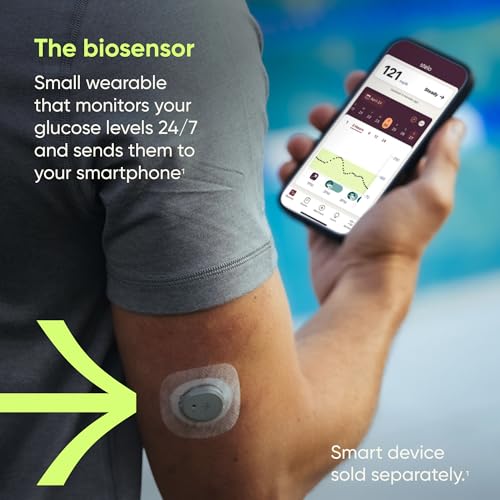
Dexcom Stelo Glucose Biosensor & App (2-Pack)

Dexcom Stelo is an over-the-counter biosensor made for people without diabetes who want to track glucose patterns. Each sensor lasts up to 15 days, which gives steady coverage for trends. The app shows time-in-range, alerts, and daily insights that are easy to grasp. In 2026, the Stelo platform remains one of the most polished consumer CGM experiences on phones.
Can you adapt it for dogs? Some owners do, with help from their vet. Fur, skin movement, and play can affect wear time in pets. The data measures interstitial fluid, not blood, so there is a small delay. Still, for diet testing and daily pattern checks, Stelo can offer value when used with care and supervision.
Pros:
- Polished, stable app with clear trend views and pattern reports
- Up to 15-day wear per sensor helps reduce change-outs
- Trusted brand experience and strong software reliability
- 24/7 data for meals, walks, stress, and sleep effects
- Easy, quick application with a low-profile patch
Cons:
- Made for humans and general wellness, not for canine medical use
- Adhesion can be tricky on fur or very active dogs
- Requires a compatible smartphone for full features
My Recommendation
I like Stelo for data-driven owners who want to test diet timing, treats, or exercise effects. If your vet supports a trial, it can be a practical way to see real-time glucose change. I would not use it to set insulin doses without a vet plan and confirmatory spot checks. Still, among continuous glucose monitoring devices for dogs that people adapt, Stelo stands out for software polish and wear life.
| Best for | Why |
|---|---|
| Owners testing diet or treats | Shows quick response to meals and snacks with easy charts |
| Tech-savvy dog parents | Strong app, smooth setup, and clear trend insights |
| Longer wear between changes | Up to 15 days per sensor lowers swap frequency |
Abbott Lingo Continuous Glucose Monitor (1-Pack)
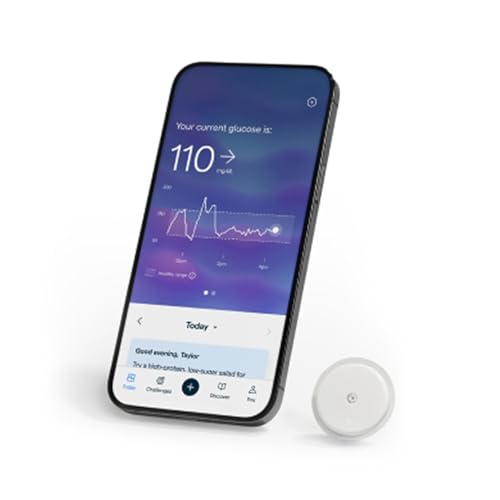
Abbott’s Lingo is a consumer CGM system built to help users understand glucose responses. The biosensor lasts up to 14 days and pairs with a simple mobile app. It delivers real-time data, insights, and trend flags that show how food and activity impact glucose. For usability and brand support, Lingo is one of the top options on the wellness side in 2026.
For dogs, it is not a medical device and not made for veterinary use. That said, some owners use kits and vet advice to adapt human sensors to pets. Adhesive prep and placement matter a lot on fur and mobile skin. Always confirm important readings with a pet meter before you act.
Pros:
- Reliable 14-day wear for near continuous coverage
- Clear app views and helpful trend context
- Real-time feedback on walks, meals, and snacks
- Well-known company with ongoing app updates
- One-sensor pack is good for a first trial
Cons:
- General wellness device, not designed for dogs
- Adhesive may need extra support for active pets
- Phone required; compatibility varies by OS and version
My Recommendation
Choose Lingo if you want to try a single sensor first and see if CGM helps you learn your dog’s patterns. It is gentle to apply and easy to read in the app. Like any continuous glucose monitoring devices for dogs adapted from human use, treat it as a learning tool. Keep a pet meter for checks that guide dosing or urgent care.
| Best for | Why |
|---|---|
| First-time CGM users | Single pack keeps cost low while you try it |
| Day-to-day pattern tracking | Shows simple trends for meals, rest, and play |
| Owners who want a simple app | Clean layout and quick learning curve |
JJV Pet CGM Kit for Dogs & Cats
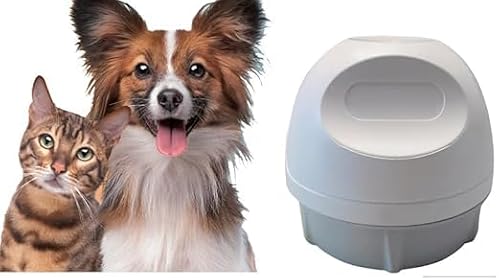
This dedicated pet kit is designed to help dogs and cats use a CGM-style setup with fewer headaches. It focuses on pet-friendly placement, adhesive support, and simple steps. The kit format can save time, since you do not have to gather parts alone. For owners who want a path built with pets in mind, it is a strong start.
In practice, this type of kit works best with a clear plan from your vet. Your vet can guide placement, wear time, and when to confirm values with a pet meter. I find this approach more realistic than improvising from scratch. For continuous glucose monitoring devices for dogs, a pet-focused bundle can be the difference between a sensor that stays on or falls off day two.
Pros:
- Pet-centered kit simplifies placement and wear
- Helpful for both dogs and cats
- Adhesive support geared to fur and active play
- Clearer steps for owners new to CGM on pets
- Pairs well with vet-supervised monitoring plans
Cons:
- Exact contents and app links may vary by bundle
- May still need extra adhesive or wraps for rough play
- Requires vet input for safe, smart use
My Recommendation
If you want a straightforward route into CGM for a dog, start here. The pet-focused extras help with the real problems: fur, motion, and play. You get a simpler path to solid data, which matters when you watch trends over days. Among continuous glucose monitoring devices for dogs, a turnkey kit like this often delivers the least friction.
| Best for | Why |
|---|---|
| New CGM users with dogs | Kit approach lowers setup mistakes and stress |
| Active or furry breeds | Adhesive support helps sensors stay put longer |
| Vet-guided monitoring | Easy to fit into a structured plan with spot checks |
AlphaTrak 3 Pet Glucose Monitoring Kit

AlphaTrak 3 is not a CGM. It is a pet blood glucose meter, and it belongs in every diabetic dog home that uses sensors. Spot checks confirm a CGM reading during fast swings or alarms. Vets have used AlphaTrak meters for years because they read in a pet-specific range. The kit gives you strips, a lancing tool, and what you need to get started.
Even when you use continuous glucose monitoring devices for dogs, a pet meter is your safety net. It helps verify lows and highs when behavior looks odd. It also helps calibrate your sense of lag between interstitial and blood values. For dosing and emergencies, I do not rely on a CGM alone, and neither should you.
Pros:
- Pet-calibrated meter trusted by many veterinarians
- Quick spot checks during readings you do not trust
- Works as a safety net for lows and highs
- Portable and easy to use at home or on the go
- Clear digital readout with fast results
Cons:
- Not a continuous system; you must test manually
- Requires lancets and strips, which add ongoing cost
- Training a dog for ear or paw stick may take time
My Recommendation
If you plan to use CGM on a dog, get AlphaTrak 3 as well. It gives you confirmation when data looks off or a sensor acts up. You can also monitor while a sensor warms up or after it ends. In short, it completes the setup for continuous glucose monitoring devices for dogs by adding a reliable spot-check tool.
| Best for | Why |
|---|---|
| Safety checks | Fast confirmation when CGM data looks wrong |
| Emergency lows or highs | Blood value to guide urgent decisions with a vet |
| Training and calibration | Helps you learn the lag between blood and sensor |
Abbott Lingo CGM & App (2-Pack)

The two-pack version of Abbott Lingo gives you about a month of coverage if each sensor goes the full 14 days. The app is the same clean experience, with real-time graphs and daily summaries. For a test sprint of diet changes or schedule tweaks, two sensors in a row can paint a fuller picture. You can compare weeks and see which changes stick.
As with the single pack, this is a general wellness device and not made for dogs. Many owners still adapt it with vet advice and extra adhesive. Plan for play, swims, and grooming. Keep a pet meter ready to confirm big moves before you act on them.
Pros:
- Two sensors extend tracking over several weeks
- Helpful for A/B tests like meal timing or new food
- App gives clear trend lines and time-in-range
- Popular brand with frequent updates
- Value over buying single sensors one at a time
Cons:
- Not designed or approved for veterinary medical use
- Extra care needed to keep sensors on furry dogs
- Recurring cost for ongoing monitoring
My Recommendation
Pick the two-pack if you want to run a focused trial over four weeks. It lets you test changes in steps, then compare the results. For continuous glucose monitoring devices for dogs, two back-to-back sensors help build stable habits. Use a pet meter for checks that guide any dosing or urgent calls.
| Best for | Why |
|---|---|
| Month-long tracking | Two sensors give better trend clarity over time |
| Testing meal timing | Compare weeks to see real effects on swings |
| Budget planning | Two-pack may cost less per sensor than singles |
FAQs Of continuous glucose monitoring devices for dogs
Are CGM devices safe for dogs?
Many owners use them under a vet’s guidance. Use extra care with placement and adhesives. Always confirm odd readings with a pet meter before acting.
Can I use a human CGM on my dog?
Some owners do, but it is off-label and for wellness tracking. Work with your vet. Do not base insulin dosing only on a human CGM in dogs.
Where should I place the sensor on my dog?
Common sites include the side of the neck or flank. You need a spot with less motion and good contact. Ask your vet which site fits your dog.
How long does a sensor last on a dog?
Most list 10–15 days. On dogs, wear time varies with fur, play, and skin. Many get a week to two weeks with good prep and wraps.
Do I still need finger sticks with a CGM?
Yes. Use a pet meter to confirm big highs or lows. It is your safety check during fast swings or strange behavior.
Final Verdict: Which Should You Buy?
The best pick for most dog owners is the JJV Pet CGM Kit. It is pet-focused, easier to place, and pairs well with AlphaTrak 3 for checks.
Choose continuous glucose monitoring devices for dogs that fit your vet’s plan and your routine. Start simple, verify readings, and build steady habits.

1 thought on “Continuous Glucose Monitoring Devices For Dogs: 2026 Guide”