

Start slow, use safe zones, swap scents, and reward every calm step.
Bringing home a new pet can change your life in the best way. I have guided dozens of families through this moment as a trainer and foster. In this guide, I will show you exactly how to introduce a new pet to your home with simple steps, real examples, and science-backed tips that work. If you want peace, trust, and a smooth start, keep reading.

Prepare Your Home Before Arrival
Set the stage before your pet walks in. A calm space helps your pet feel safe. Think of it like making a guest room for a friend. You want comfort, clear paths, and no surprises.
Create a safe base camp.
- Pick a quiet room with a door or a baby gate.
- Add a cozy bed, fresh water, and a few toys.
- Use a crate if your pet is crate trained or you plan to teach it.
- Set up a litter box for cats, away from food.
Plan your first days.
- Keep the schedule light. Limit visitors.
- Decide on a meal plan and feeding times.
- Choose where walks, potty breaks, or litter areas will be.
Remove risks.
- Hide cables and small items.
- Store meds, cleaners, and plants that are toxic.
- Block escape routes before you open the carrier.
Scent matters. It is your first language with a pet.
- Place a blanket from the shelter in the safe room.
- For multi-pet homes, swap bedding between pets before the first meet.
- Consider a pheromone diffuser for dogs or cats.
This is how to introduce a new pet to your home with care. Good prep keeps stress low and trust high.
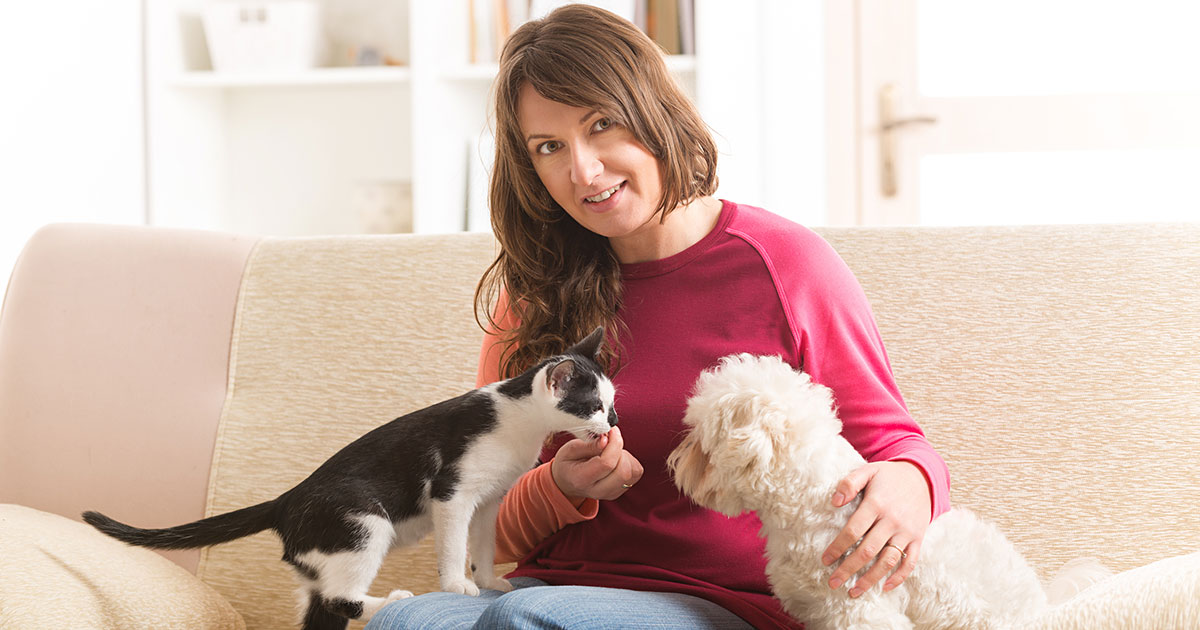
The First 24 Hours: Calm, Control, Comfort
Day one sets the tone. Keep it slow and simple. Skip the grand tour. Focus on rest and routine.
Arrival plan.
- Bring your pet straight to the safe room.
- Speak soft and move slow.
- Let them sniff. No pressure to say hello.
Essentials in that first day.
- Offer water and a small meal.
- Short potty breaks for dogs, then back to base camp.
- Keep kids and other pets out for now.
Build calm with structure.
- Use soft music and low lights.
- Keep sessions short. End on a win.
- Reward any calm look, slow blink, or soft wag.
This is how to introduce a new pet to your home without overload. A quiet start is not boring. It is kind.

Step-by-Step Introductions: Scent, Sight, Sound, Space
Use a ladder, not a leap. Move from scent to sight to short meets. I use this plan with every foster.
Scent first.
- Swap blankets between pets each day.
- Feed on opposite sides of a closed door.
- Reward calm sniffing and relaxed body language.
Sight next.
- Use a baby gate or cracked door.
- Keep sessions to a few minutes.
- End while both pets are still calm.
Sound and space.
- Walk dogs together outside with two handlers. Keep distance.
- For cats, use two rooms and rotate time free-roaming.
- Increase space only when both pets return to baseline fast.
Full meet rules.
- One short meet beats one long meet.
- Leashes on dogs. One handler per dog.
- For cats, give vertical spaces and escape paths.
Watch for stress.
- Look for lip licking, yawns, stiff bodies, tucked tails, pinned ears, or a fixed stare.
- If you see these, pause. Add distance. Try again later.
This is how to introduce a new pet to your home so trust grows step by step.

Introducing Pets to Children and Other Animals
Kids and pets can be magic together if you teach both sides. Set rules that are simple and kind.
Teach kids first.
- Pet with one hand. Count to three. Stop. Let the pet ask for more.
- No hugging, no chasing, no loud squeals.
- Feed treats with a flat palm.
Dogs and resident dogs.
- Meet on neutral ground. Walk in the same direction, not face to face.
- Watch for a loose body and soft eyes before closer contact.
- Keep toys and chews away at first to prevent guarding.
Cats and resident cats.
- Use slow scent swaps for a week or more.
- Reward calm at the gate with treats or play.
- Give two of everything: litter boxes, beds, scratch posts.
Dogs and cats together.
- Start with the dog on leash and a cat with escape routes.
- Reward the dog for looking away from the cat.
- Stop a chase before it starts. Distance is your friend.
This is how to introduce a new pet to your home when you already have a crew. Clear rules and kind timing keep everyone safe.

Training, Routine, and Enrichment from Day One
Routine is your secret power. It reduces fear and speeds learning. Think meals, walks, play, and rest as anchor points.
Start with simple skills.
- Name game, sit, and hand target.
- Place or mat work to teach settle.
- Short crate sessions with stuffed Kongs or lick mats.
Build a daily rhythm.
- Fixed wake, meal, and rest times.
- Calm play before bed. Keep nights quiet.
- For cats, use short play hunts, then feed, then rest.
Enrichment beats boredom.
- Food puzzles, snuffle mats, and scent games.
- Rotate toys to keep them fresh.
- Vertical spaces for cats and safe chews for dogs.
Use reward-based training.
- Mark good choices with yes or a click.
- Keep sessions short and fun.
- End with success, not with a struggle.
This is how to introduce a new pet to your home and shape great habits from the start.

Health, Safety, and Stress Signals
A healthy start prevents big problems. Plan a vet check in the first week. Bring any records you have.
Health basics.
- Vaccines, parasite checks, and a microchip scan.
- A diet plan with slow changes over 7 to 10 days.
- Safe treats in small amounts to protect the gut.
Body language to learn.
- Relaxed means soft eyes, loose jaw, wiggly body.
- Stressed means stiff, lip licking, yawns, panting, tail tucked, ears back.
- Cats may hide, stop grooming, or show a twitching tail.
Safety at home.
- Use gates, crates, and closed doors to manage space.
- Keep trash, bones, and small toys out of reach.
- Store cleaners and foods like xylitol, onions, and grapes away.
This is how to introduce a new pet to your home with care and watch for early signs that they need a break.

Troubleshooting Common Bumps in the Road
Most issues have a simple path forward. Stay patient. Go back a step if needed. Progress is a spiral, not a line.
If your pet hides.
- Do not force contact. Sit on the floor and read.
- Toss treats near, not at, your pet.
- Pair your approach with food and then leave.
If there is growling or hissing.
- Thank them for the warning. It is information, not defiance.
- Add distance and end the session.
- Try again later with shorter, easier steps.
If crate time is hard.
- Feed meals in the crate with the door open.
- Close the door for seconds, then open and reward.
- Build time in tiny steps.
If there is resource guarding.
- Remove high-value items for now.
- Trade up with high-value treats.
- Teach leave it and drop with fun games.
If there are potty mistakes.
- Tighten the schedule. Go out or to the box more often.
- Reward right after success.
- Clean with an enzymatic cleaner to erase scent.
This is how to introduce a new pet to your home when things are messy. Small steps win big over time.

Frequently Asked Questions of How To Introduce A New Pet To Your Home?
How long does it take to introduce pets?
Each case is different. Many need one to three weeks, while some pairs need months. Go at the pace of the calmest pet.
Should I let pets work it out?
No. Supervise and manage space. Guide meets with gates, leashes, and short sessions to prevent fear and fights.
Can I introduce a new dog to a cat right away?
Start with scent swaps and a closed door. Use a leash with the dog and give the cat high spaces and escape routes.
What if my new pet will not eat?
Stress can lower appetite. Offer quiet, warm food, and keep routine steady; call your vet if it lasts more than 24 hours.
How do I stop chasing between dogs and cats?
Reward the dog for looking away and staying calm. Use gates, leashes, and training games to build impulse control.
Is a crate mean for a rescue dog?
A crate is a safe den if introduced with care. Make it cozy, feed meals inside, and never use it for punishment.
When do I let the new pet explore the whole house?
After calm meets and reliable recall or name response. Expand space room by room, not all at once.
Conclusion
You now have a clear plan for how to introduce a new pet to your home. Prepare the space, start slow, read body language, and build a steady routine. Reward calm, manage space, and celebrate small wins.
Take one step today. Set up a safe room, gather a few treats, and plan your first calm meet. If this guide helped, share it with a friend, subscribe for more pet wisdom, or drop your questions in the comments.

3 thoughts on “How To Introduce A New Pet To Your Home?: Quick 2026 Tips”