
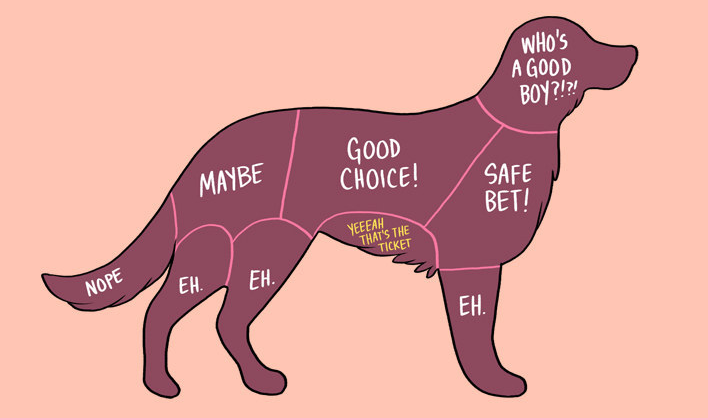
Most dogs enjoy gentle strokes on chest, shoulders, neck, and behind ears.
If you have ever wondered Where Do Dogs Like To Be Pet?, you are not alone. I have spent years coaching families and working with trainers to decode this daily question. In this guide, I share research, field notes, and simple steps that work in real life. You will learn how to read your dog, where to start, what to avoid, and how to make every touch build trust and joy.
Read Your Dog First: Consent Comes Before Contact
Before you ask Where Do Dogs Like To Be Pet?, start with body language. A dog who wants touch will lean in, soften their eyes, and wag in a loose way. A dog who needs space may turn away, lick lips, yawn, stiffen, or show a tucked tail.
Use a simple consent test. Offer your hand at their chest height. Let the dog come to you. Pet for three seconds. Then pause. If the dog stays or nudges in, keep going. If the dog steps back or looks away, stop. This builds trust, fast.
Common green-light signs:
- Loose body and wiggly hips
- Soft eyes, slow blinks, open mouth
- Leaning into your hand or moving closer
Common red-light signs:
- Stiff body or frozen posture
- Whale eye, head turns, or lip licks
- Moving away, tucked tail, or raised hackles
Where Do Dogs Like To Be Pet? starts with yes from your dog. Always ask for that yes with your hands and your pause.
:max_bytes(150000):strip_icc()/where-should-you-pet-a-dog-4-2237ce4e26504edd99613c8416de02c7.png)
The Favorite Spots Most Dogs Love
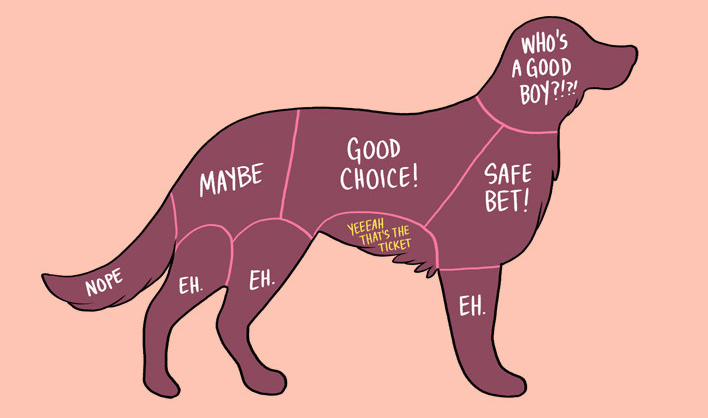
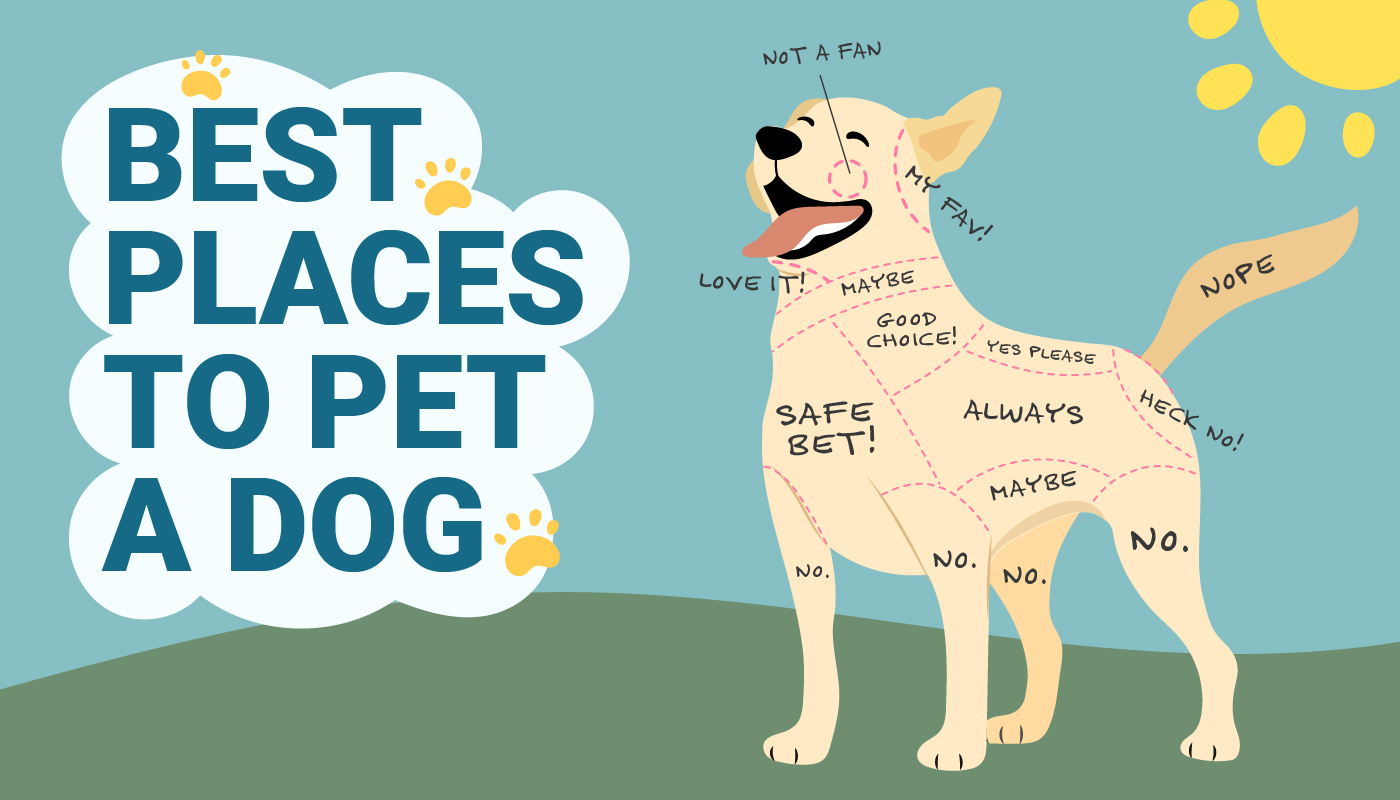
When people ask Where Do Dogs Like To Be Pet?, these are the common winners. Aim for areas with big muscles and less sensitivity. Go slow at first. Keep strokes short and smooth.
Top spots:
- Chest and shoulders Gentle, flat-hand strokes help most dogs relax.
- Base of neck and side of neck Avoid patting the top of the head. Slide along the side instead.
- Behind and under the ears Light scratches here can be very soothing.
- Cheeks and under the chin Many dogs lean in for slow rubs in this zone.
- Along the back, midline to hips Some enjoy slow, long strokes that end before the tail.
Each dog is unique. Where Do Dogs Like To Be Pet? will change with mood, setting, and trust. Watch for the lean-in and the soft look. That is your green light.
Petting Techniques That Feel Good
Good touch is calm, slow, and steady. Dogs read energy through your hands. Think smooth waves, not drum beats.
Try these tips:
- Use the flat of your hand, not fingertips.
- Stroke with the grain of the coat.
- Keep pressure light to medium. Adjust if your dog leans in or away.
- Count to three, then pause. Let your dog ask for more.
- Pair touch with a calm voice and slow breath.
When you wonder Where Do Dogs Like To Be Pet?, remember that how you pet matters as much as where. Slow hands say “you are safe.”
Spots To Avoid or Go Slow
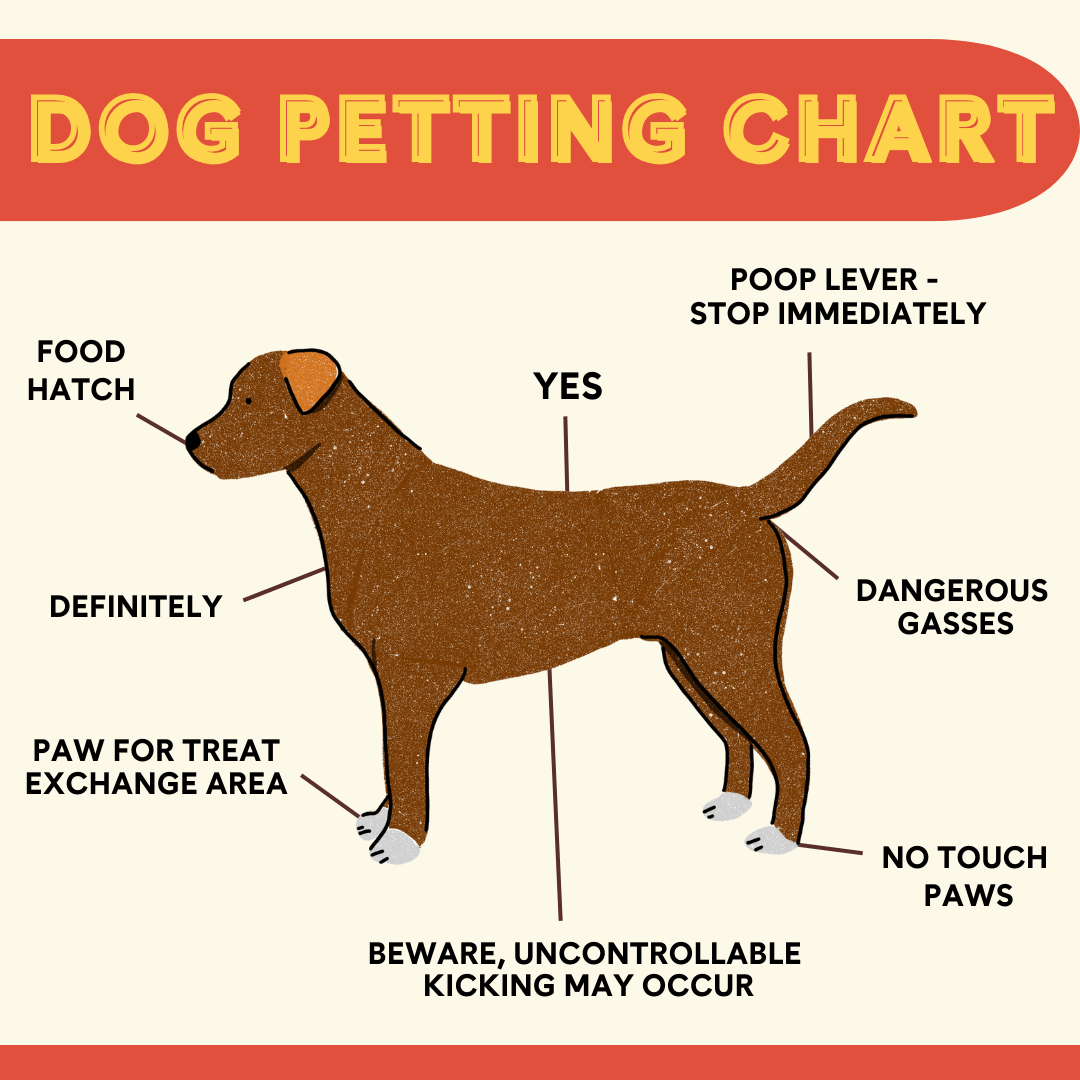
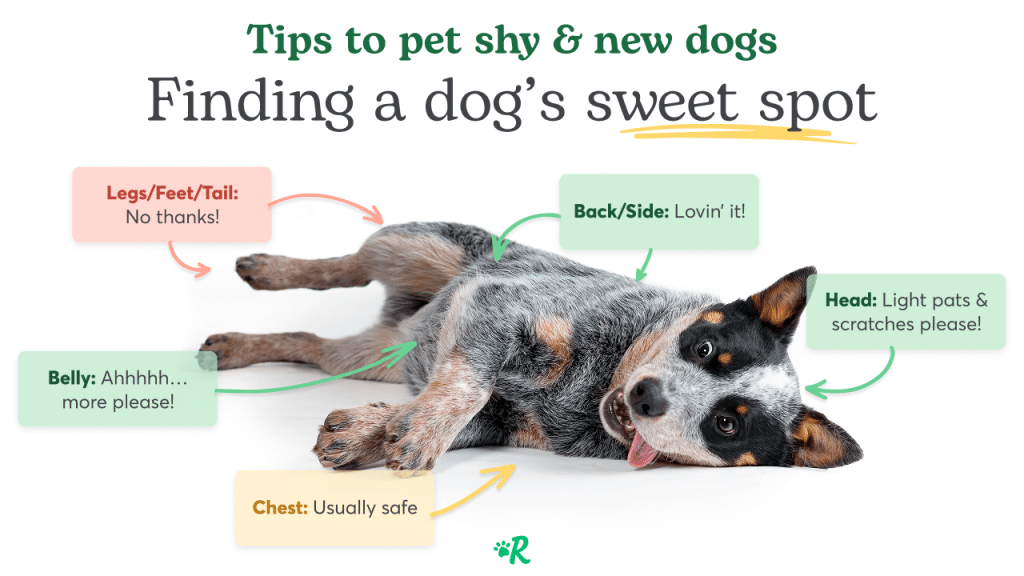
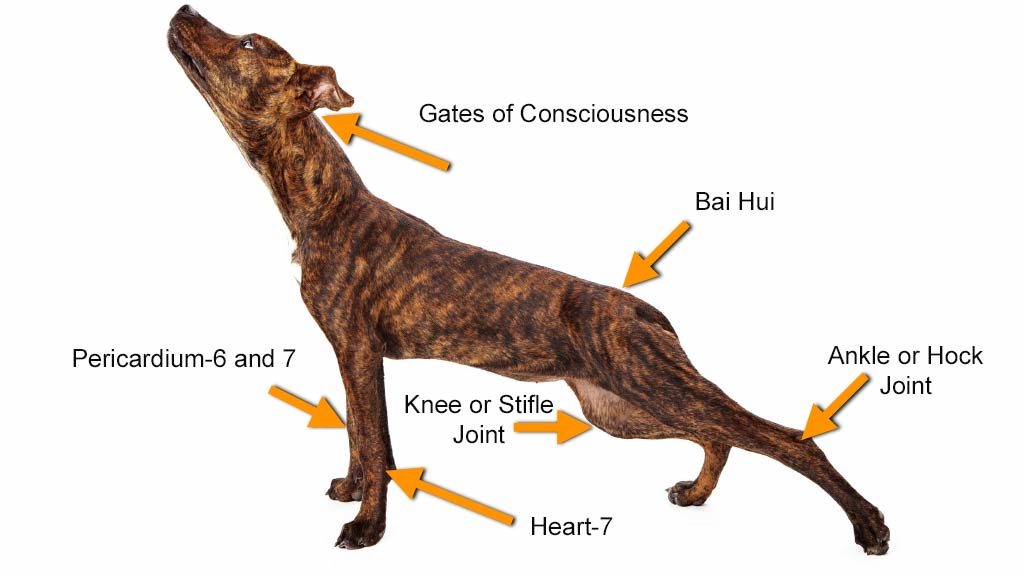
Some areas are ticklish or guarded. Many dogs dislike fast pats on the head. Many also guard paws and tails. Some will roll for belly rubs but then tense up.
Use care with:
- Top of head Try sides of neck or chest instead.
- Paws and nails These are sensitive. Train touch here with treats and time.
- Tail and tail base Some love a gentle rub here. Others do not. Watch for flinching.
- Belly Many enjoy it only when fully relaxed. Look for a loose, floppy body.
- Whiskers, ears, and face edges Stay light and short. Stop if you see a head turn or squint.
If your dog pulls away, that is feedback. Where Do Dogs Like To Be Pet? is never a fixed map. It is a conversation.
Differences by Age, Breed, and History
Puppies are still learning. Their nerves are sensitive. Keep sessions short and sweet. Senior dogs may have arthritis and sore spots. Choose slow, warm strokes over deep pressure.
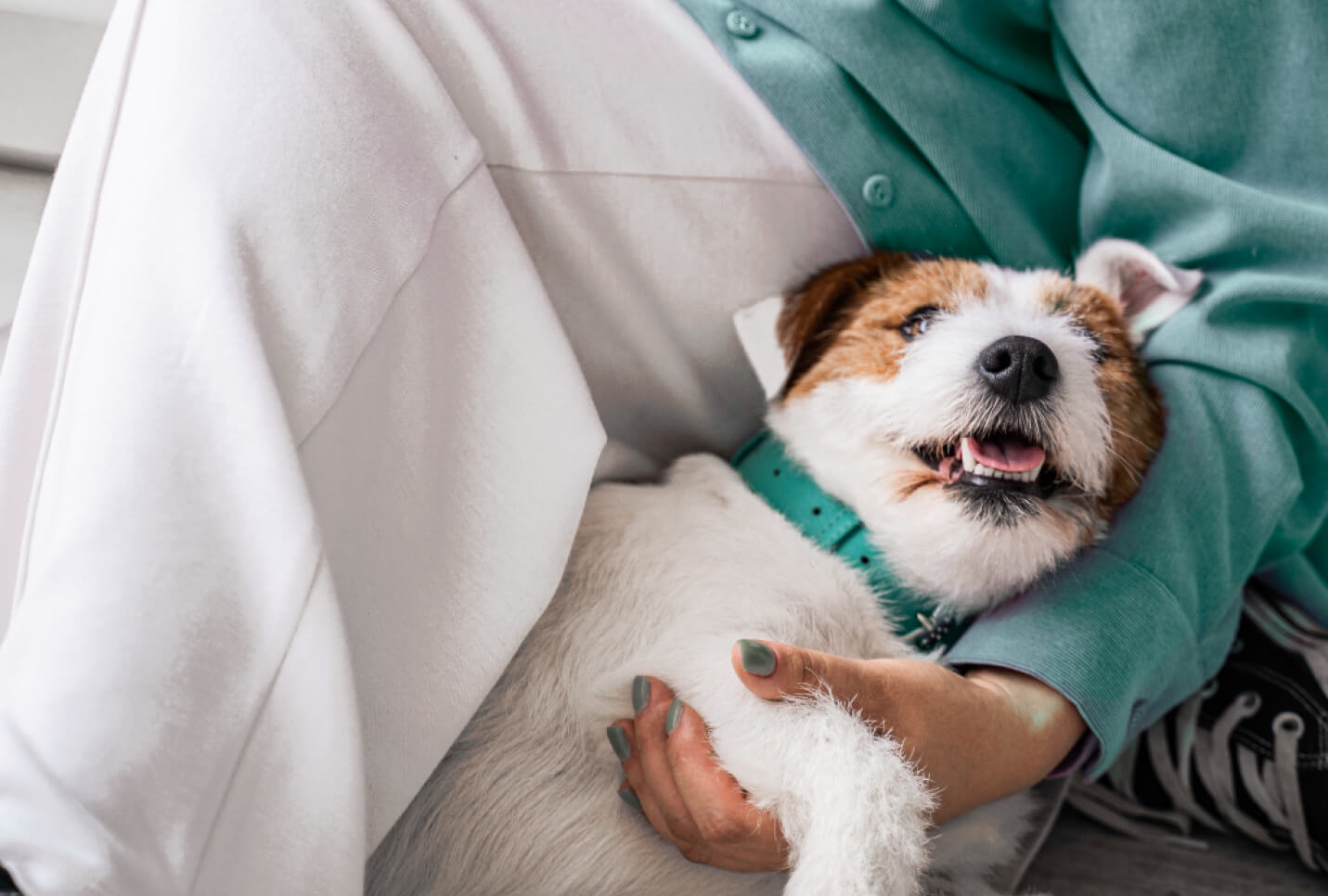
Breed traits can shape touch needs. Herding breeds may prefer calm chest strokes over fast pats. Toy breeds may like gentle cheek rubs while in your lap. Dogs with past trauma may flinch at sudden touch. Move slow. Pair touch with rewards.
Where Do Dogs Like To Be Pet? shifts with health and life stage. Ask your vet about pain, skin issues, or anxiety. A wellness check can change everything.

When, Where, and How Long To Pet
Time and place matter. In busy spots, your dog may not want touch. At home on the couch, they may crave it. Keep it short in new places and longer where your dog rests.
Simple rules:
- Start after calm greetings. Avoid petting in high arousal moments.
- Use three-second sets. Pause. Let your dog vote yes or no.
- End before your dog checks out. Leave them wanting more.
If you wonder Where Do Dogs Like To Be Pet? during training, use brief strokes on the chest or shoulders between reps. It can lower stress and build focus.
Real-Life Lessons From the Field
In my first months helping at a rescue, I learned this the hard way. I reached for a shy dog’s head. He froze. I stopped, crouched, and turned my side to him. After a minute, I tried a slow chest stroke. He sighed and leaned in. That day changed my approach forever.
At a family session, a child kept patting fast on the head. The dog squinted and turned away. We taught the three-second rule and switched to shoulder strokes. The dog relaxed. The child smiled. Where Do Dogs Like To Be Pet? often starts with slowing down and listening.
My best tip is simple. Match your hand to your dog’s breath. If their breath is slow, your strokes should be slow. If they hold breath, pause. This one skill deepens trust fast.
Quick PAA-Style Answers
- Is there a universal best spot? The chest and shoulders are the safest starting point for most dogs.
- How much pressure is right? Light to medium. If your dog leans in, that is a yes to more pressure.
- What if my dog walks away? Respect it. Pause, give space, and invite again later.
Where Do Dogs Like To Be Pet? is best answered by your dog’s next move. Watch the lean, the sigh, and the soft eyes. That is your green light.
Health and Emotional Benefits of Petting
Gentle touch can lower heart rate and stress in both dog and human. Research links petting to higher oxytocin and lower cortisol. That means more calm and better mood for both of you.
Use touch to build resilience. Short petting breaks during storms or vet visits can help. Pair strokes with slow breaths. Add treats when needed. Where Do Dogs Like To Be Pet? becomes a tool to soothe, not just a treat.
Touch can aid training. Reward calm behavior with a few chest strokes. It can also help dogs in shelters settle faster. Always let the dog choose.
Troubleshooting: When Your Dog Does Not Like Petting
Some dogs prefer play, food, or space over touch. That is okay. Try slow, short sessions. Use high-value treats to pair touch with good things.
Check for pain if their reaction shifts. Skin issues, ear infections, or joint pain can make touch feel bad. Ask your vet for help. Where Do Dogs Like To Be Pet? may return once pain is managed.
If fear runs deep, work with a certified trainer. Use consent tests. Build trust over weeks, not days.
Frequently Asked Questions of Where Do Dogs Like To Be Pet?
Do all dogs like belly rubs?
No. Many enjoy it only when very relaxed and safe. Watch for a loose, wiggly body and a soft face.
Why does my dog move my hand to their chest?
They are guiding you to a preferred spot. Chest strokes feel safe and soothing for many dogs.
Is head patting bad?
Fast pats on the head can feel rude or startling. Try slow strokes on the chest, shoulders, or side of the neck.
How do I teach my kids to pet our dog safely?
Use the three-second rule, gentle strokes, and no hugging. Show them where to pet and when to pause.
Can petting help with anxiety?
Yes, when your dog chooses it. Slow, steady strokes can lower stress. Pair with calm voice and deep breaths.
What if my rescue dog hates touch?
Start with proximity, not petting. Feed treats near you, then try short chest strokes. Work with a trainer if needed.
Where Do Dogs Like To Be Pet? when meeting a new dog?
Ask the owner first. Offer your hand low, then try the chest or shoulder with brief strokes.
Conclusion
Touch can be a bridge to trust and joy. Learn the signs. Start at the chest and shoulders. Use slow strokes and short sets. Let your dog choose the pace and the place. Where Do Dogs Like To Be Pet? is a question your dog can answer when you pause and listen.
Try the three-second rule today. Notice what your dog tells you. If this helped, share it with a friend, subscribe for more dog-life tips, or leave a comment with your own touch wins.
