
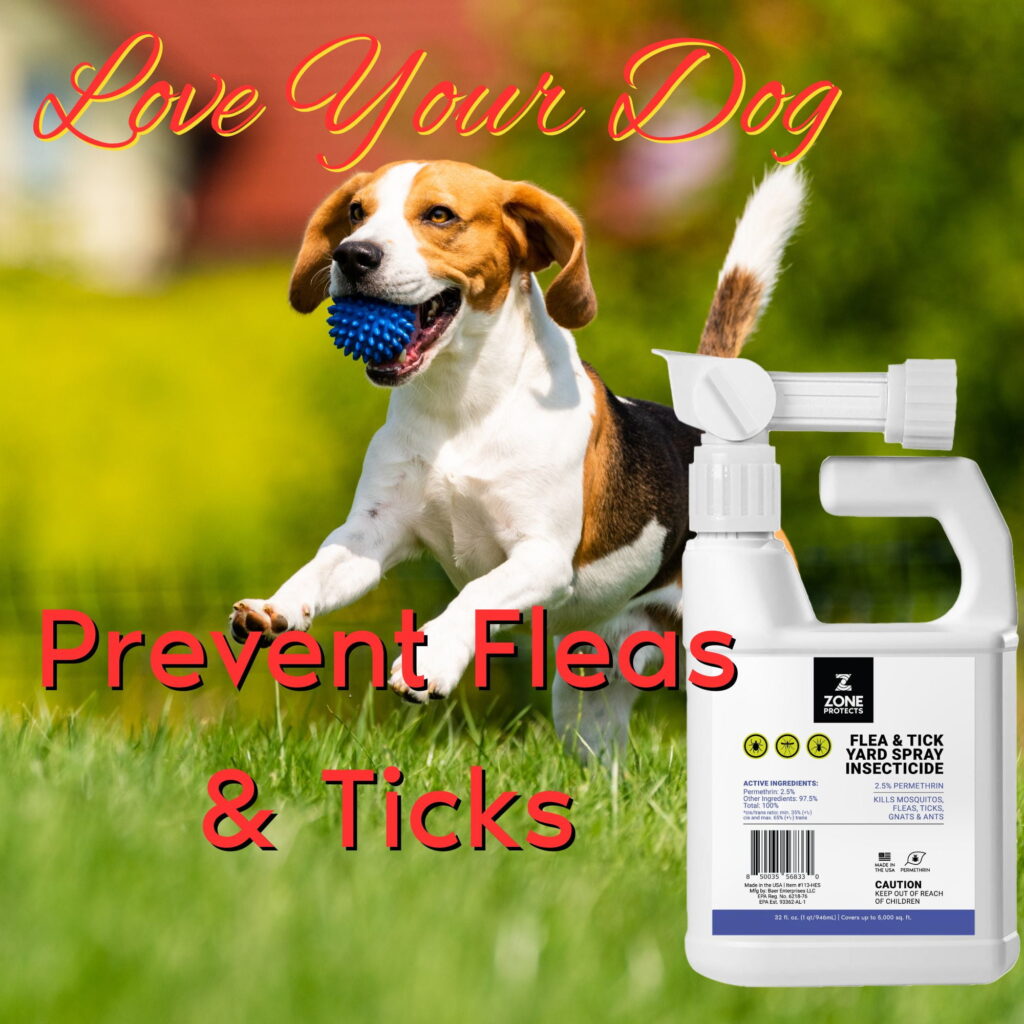
Best non toxic flea and tick prevention blends grooming, clean spaces, and pet-safe repellents.
You care about safety. You still want real results. In this guide, I break down the Best Non Toxic Flea And Tick Prevention For Dogs using science and years of hands-on case work. You will see what works, what to skip, and how to build a safe plan that fits your home and your dog.
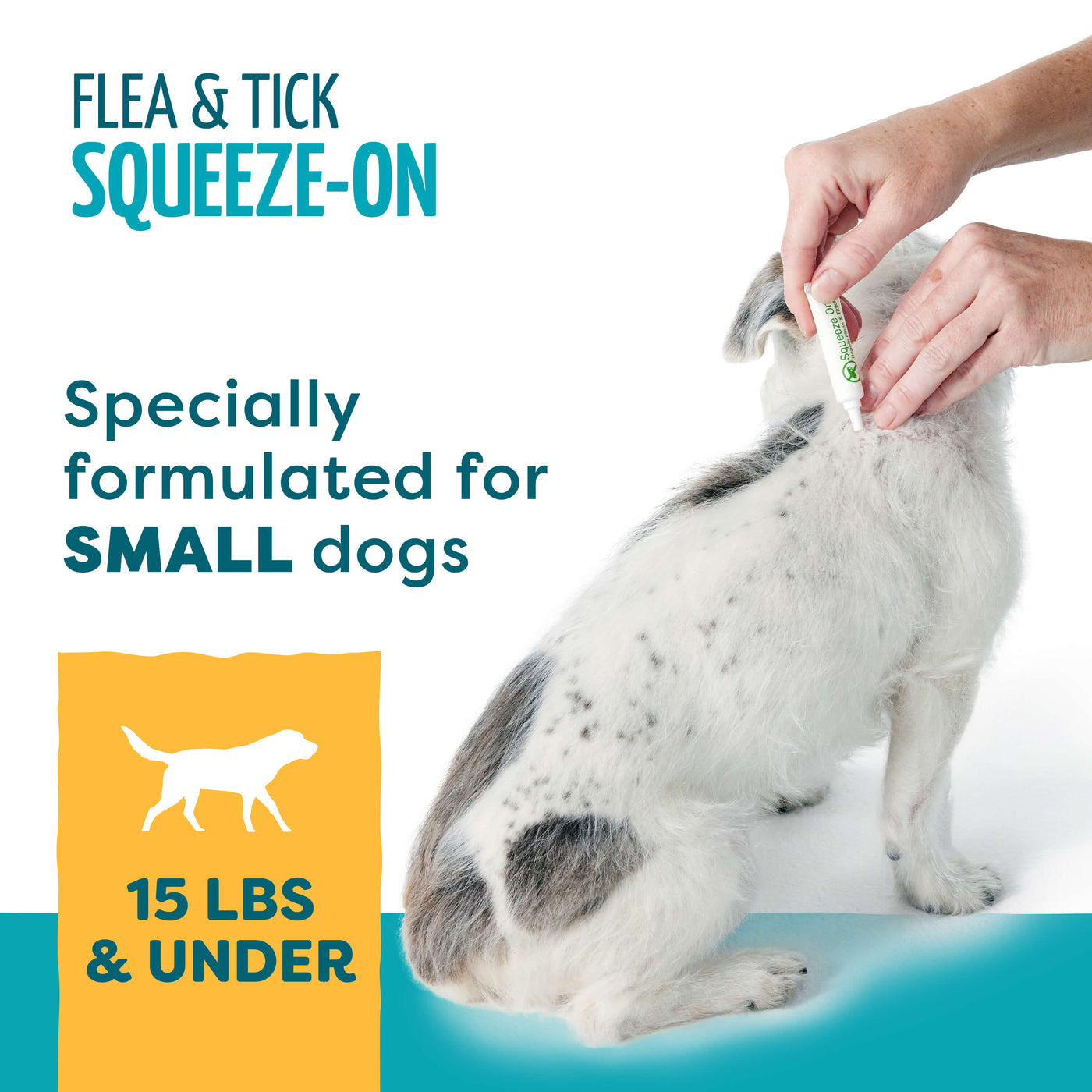
What “non toxic” really means in flea and tick care
Non toxic does not mean zero risk. It means the risk is low when used as directed. It also means you prefer physical control, clean environments, and gentler active ingredients. The Best Non Toxic Flea And Tick Prevention For Dogs balances these parts with real-world proof.
In pet care, look for products registered or exempt under EPA rules, labeled for pets, and tested for skin and eye safety. Plant-based does not always mean safe. Some essential oils can irritate skin or cause illness if used wrong. Always check species, age, and weight limits, and test a small area first.
I teach clients to think in layers. First, stop pests from thriving indoors and in the yard. Next, use physical checks and baths. Last, add a low-risk repellent with solid data. This layered path reduces chemical load and still protects your dog.

Why fleas and ticks are a risk worth real prevention
Fleas and ticks cause more than itch. Fleas can trigger allergies, anemia, and tapeworms. Ticks can carry Lyme disease, ehrlichiosis, anaplasmosis, and more. The Best Non Toxic Flea And Tick Prevention For Dogs aims to block bites and break life cycles, not just kill on contact.
Fleas lay eggs in bedding, carpets, and cracks. Ticks wait on grass edges and low brush. You want a plan that targets where they live, not only what lands on your dog. This reduces the pressure on your pet and your home.
If you prefer low-tox options, you must be consistent. Small, steady actions beat rare, strong ones. That is how you keep pests from taking hold.

How to choose the Best Non Toxic Flea And Tick Prevention For Dogs
Start with your dog’s profile. Puppies, seniors, small breeds, and dogs with skin issues need extra care. Talk with your veterinarian if your dog has a seizure history or allergies. The Best Non Toxic Flea And Tick Prevention For Dogs should match health, lifestyle, and where you live.
Use clear criteria:
- Evidence of efficacy in dogs, not only lab tests on insects
- Transparent labels with exact active ingredients and concentrations
- Safety data for dogs, plus guidance for homes with cats or kids
- Clear reapplication intervals and how long the effect lasts
- Support from your vet for your region’s parasite risks
Run a patch test for any topical. Apply a small amount to one spot. Watch for redness, itch, or lethargy for 24 hours. If clear, proceed as labeled.
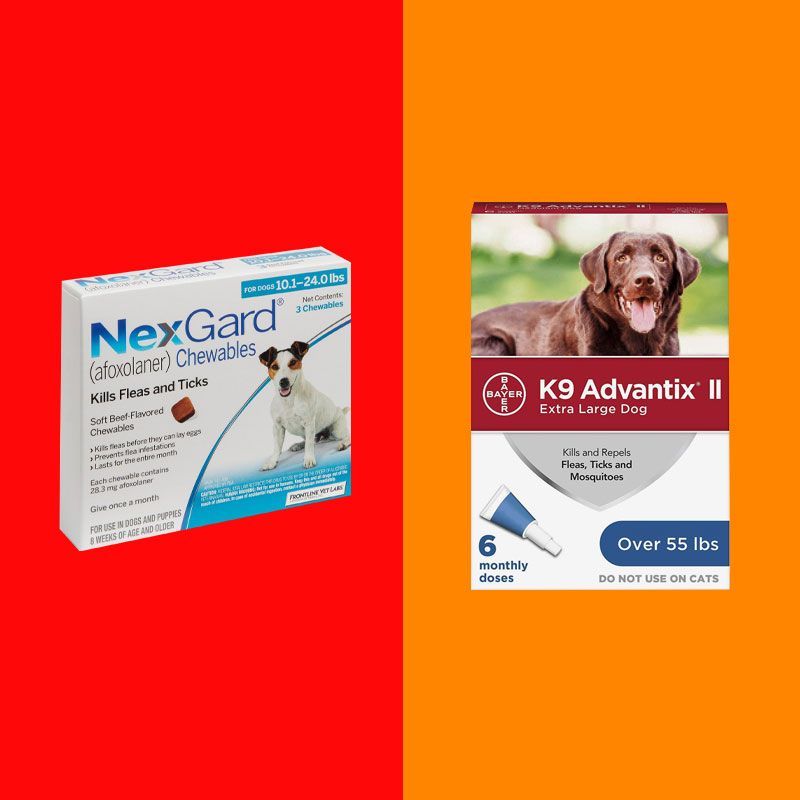
Evidence-backed, low-risk strategies that actually work
You do not need to choose between safety and results. Use a layered plan.
Daily and weekly habits
- Comb with a fine-tooth flea comb after walks. Focus on neck, base of tail, and belly.
- Bathe with a gentle, fragrance-free dog shampoo. It removes adult fleas by mechanical action.
- Do a 60-second tick check after outdoor time. Remove ticks with a tick tool by grasping close to the skin and pulling straight out.
Home and yard control
- Vacuum carpets, rugs, baseboards, and furniture two to three times weekly during peak season. Toss the bag or empty the canister outside.
- Wash dog bedding and throws weekly on hot, then dry on high heat.
- Use food-grade diatomaceous earth sparingly on floors and cracks. Keep pets and people out during application. Avoid inhalation. Vacuum after 24–48 hours.
- Outdoor steps: mow grass short, remove leaf litter, create a 3-foot barrier of wood chips or gravel between lawn and woods. Consider beneficial nematodes (Steinernema spp.) in damp, shaded areas to reduce flea larvae.
Pet-safe repellents with lower risk
- EPA 25(b) minimum-risk ingredients can repel when used as directed. Common ones include cedarwood oil, lemongrass oil, geraniol, and peppermint oil at pet-safe dilutions. Expect short duration and frequent reapplication.
- Insect growth regulators (IGRs) like s-methoprene or pyriproxyfen stop flea eggs and larvae in the home. They do not treat ticks or adult fleas on your dog but help break the cycle indoors with low mammalian toxicity.
- Lufenuron (a chitin synthesis inhibitor) reduces flea population by preventing egg hatch. It is low in mammalian toxicity but does not affect ticks and may need pairing with other steps.
The Best Non Toxic Flea And Tick Prevention For Dogs often blends these actions. You start with environment control. You add daily combing and checks. Then you choose a gentle repellent or an IGR for support.
Personal note: In multi-pet homes I manage, routine vacuuming plus weekly hot washes cut flea load by over 80% within two weeks. A flea comb after walks prevents surprises. A pet-safe repellent on peak days keeps ticks from latching.
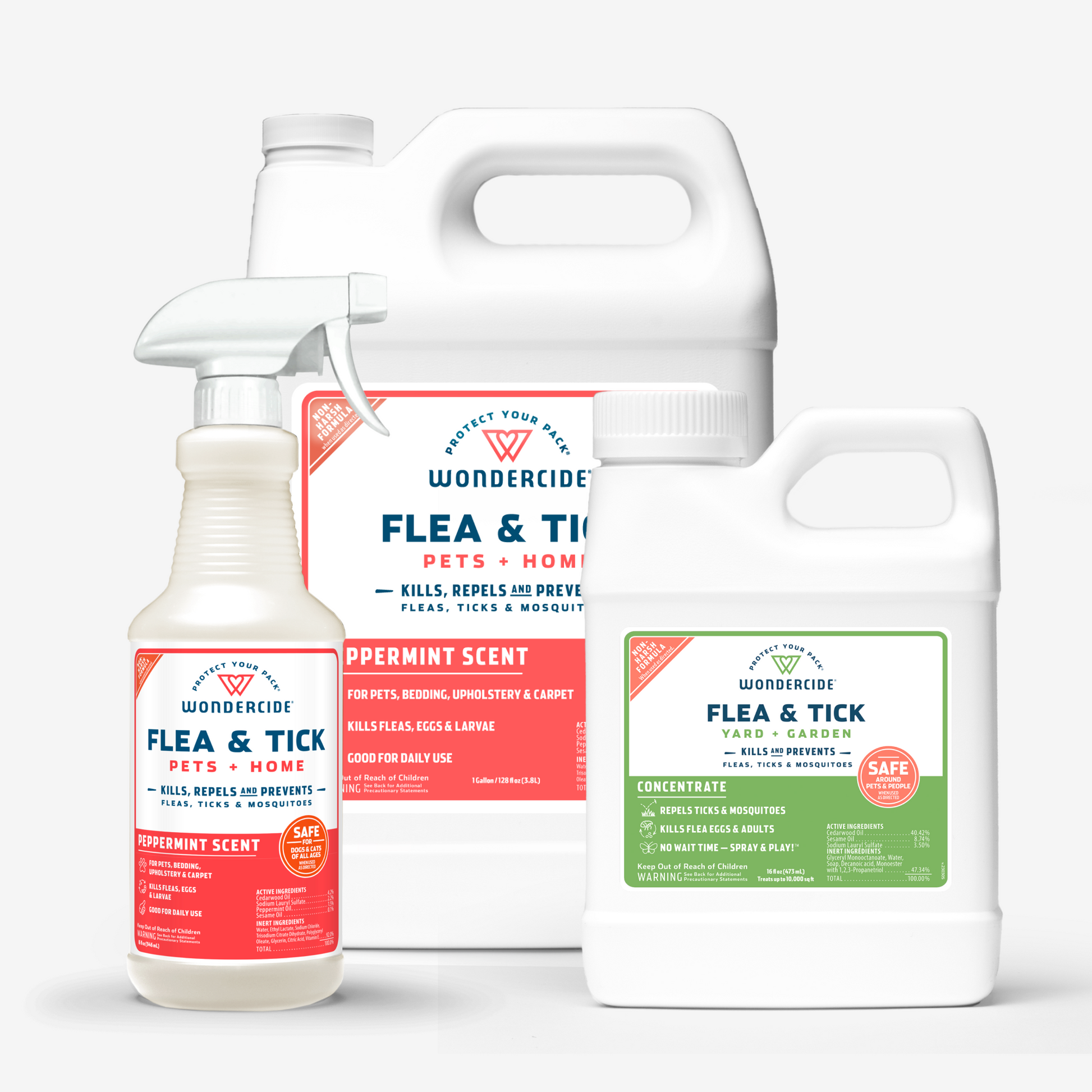
Pet-safe ingredients and product types to consider
Plant-based repellents can help, yet they vary a lot. Results often last hours, not weeks. Pick products labeled for dogs with specific concentrations.
Ingredients and tools with a favorable safety profile when used correctly:
- Cedarwood oil at pet-safe dilution can repel fleas and some ticks. Watch for skin sensitivity.
- Lemongrass oil or geraniol can repel for short periods. Reapply as directed.
- Nootkatone-based repellents are emerging and show promise against ticks; availability for dogs is growing.
- IGR sprays for home use (s-methoprene, pyriproxyfen) help break indoor cycles.
- Tick removal tools and fine-tooth combs are essential kit items.
Use caution:
- Tea tree oil, clove oil, and concentrated citrus oils can be toxic to pets.
- DIY mixes may be too strong or unstable. Use only products with clear pet labels.
When you aim for the Best Non Toxic Flea And Tick Prevention For Dogs, confirm that any plant-based repellent is made for dogs, lists percentages, and gives reapplication timing. Track your dog’s skin and behavior after each use.

What to skip: myths and risks
Some popular “natural” ideas are not safe or do not work.
Avoid these:
- Garlic, onion, or brewer’s yeast as flea or tick control. Evidence is weak, and garlic/onion can be toxic.
- Essential oils at high concentration or adult human formulas used on pets. Dogs metabolize oils differently.
- Ultrasonic tags and amber collars. No quality evidence of protection.
- Overuse of diatomaceous earth on pets or in air. It can irritate lungs and skin if misapplied.
The Best Non Toxic Flea And Tick Prevention For Dogs avoids unproven hacks and sticks to methods with data and clear labels.

Step-by-step plans for common households
Pick the plan that fits your life. Stay consistent, then adjust by season.
Apartment or indoor-focused dog
- Vacuum and wash bedding weekly.
- Bathe every 2–4 weeks with mild dog shampoo.
- Use a flea comb twice weekly.
- Add an IGR home spray every 3–4 months if fleas appear.
This path supports the Best Non Toxic Flea And Tick Prevention For Dogs with low effort.
Suburban yard with seasonal ticks
- Keep grass short and remove leaf litter.
- Do a 60-second tick check after each walk.
- Apply a dog-labeled plant-based repellent before hikes; reapply as directed.
- Consider nootkatone or cedar-based products during peak months.
Multi-pet home with cats
- Never use dog permethrin on or near cats.
- Choose dog- and cat-safe options for shared spaces, like IGRs in the home and physical checks.
- Separate pets until any topical is fully dry.
If pressure is heavy, ask your vet about combining a low-tox plan with a short seasonal course of a stronger preventive. Use it as a bridge, then return to your lighter routine.
Quick answers to common questions
Do I need year-round control?
In many regions, yes. Fleas can survive indoors all year. Ticks can be active above freezing. The Best Non Toxic Flea And Tick Prevention For Dogs works best when used year-round.
Are plant-based repellents enough on their own?
They can help, but duration is short. Pair them with cleaning, yard care, and tick checks for a complete plan.
How fast must I remove a tick?
As soon as you see it. Many pathogens need hours to transmit. A daily check is a core part of the Best Non Toxic Flea And Tick Prevention For Dogs.

Frequently Asked Questions of Best Non Toxic Flea And Tick Prevention For Dogs
What is the safest way to remove a tick from my dog?
Use a tick tool or fine tweezers. Grip close to the skin and pull straight out with steady pressure, then clean the site.
Are baths with dish soap safe for flea control?
No. Dish soap can strip skin oils and cause irritation. Use a gentle, dog-labeled shampoo and a flea comb.
Can I use human bug spray on my dog?
Do not use human sprays unless the label says they are safe for dogs. Human formulas may contain levels or solvents that are not pet-safe.
Do natural collars with essential oils work?
They may offer short-term repellency. Results vary, and some oils can irritate skin, so use only dog-specific, well-labeled products.
What if my dog has sensitive skin?
Choose fragrance-free shampoos, patch-test any topical, and focus on cleaning and combing. Consult your vet before adding new products.
Conclusion
A smart, safe plan blends clean spaces, fast tick checks, gentle baths, and a vetted, pet-safe repellent when needed. The Best Non Toxic Flea And Tick Prevention For Dogs is not one product; it is a simple routine you can keep all year. Start with small, steady steps this week and track what works for your dog.
Ready to build your plan? Save this guide, share it with a friend, and subscribe for updates on new low-risk options and field-tested tips.

1 thought on “Best Non Toxic Flea And Tick Prevention For Dogs: Top Picks”